思凡腹吸鳅 · Tiger Hillstream Loach
概要
| 字段 | 值 |
|---|---|
| 类别 | 鱼 |
| 学名 | Sewellia lineolata |
| 别名 | 思凡腹吸鰍、Balitora lineolata、Sewellia songboensis |
| 分类 | 鲤形目 Cypriniformes › 腹吸鳅科 Gastromyzontidae › Sewellia |
| 水体 | 淡水 |
| 原产地 | 老挝、越南 |
| 成体体长 | 6.5 cm |
| 饲养难度 | 中等 |
| 最小水体 | 68 L |
| 最小缸长 | 75 cm |
| 群居方式 | 群游 |
| 水流偏好 | 高 |
| 特征 | 会跳缸: 是 |
| 外部数据 | seriouslyfish sewellia-lineolata;fishbase 26831 |
水质参数
| 参数 | 耐受范围 | 最适范围 | 单位 |
|---|---|---|---|
| 水温 | 20–24 | — | °C |
| pH | 6–7.5 | — | — |
| 总硬度 | 1–10 | — | dGH |
概述
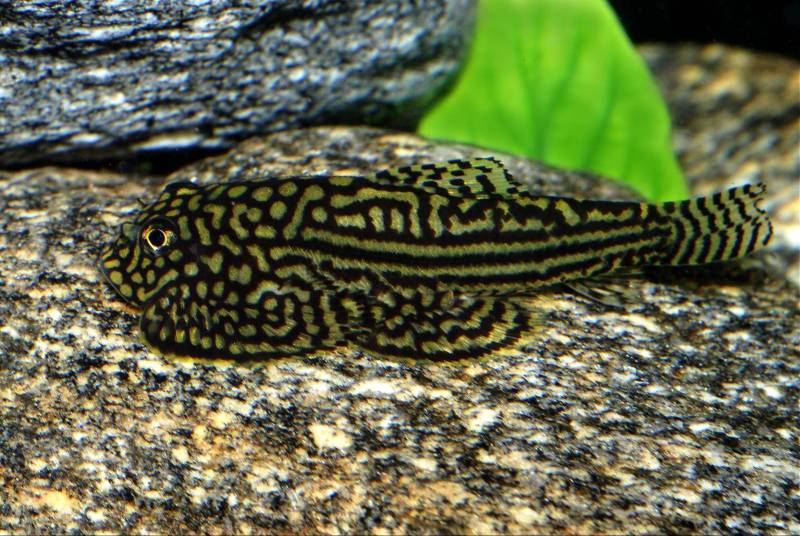
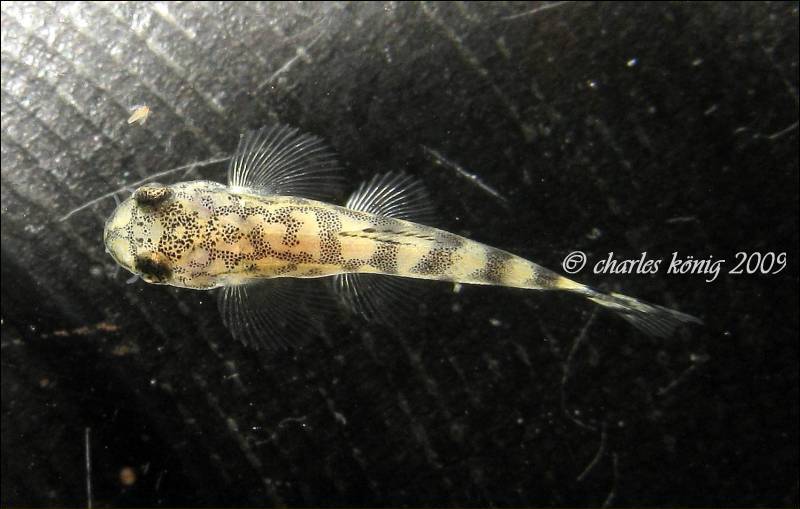
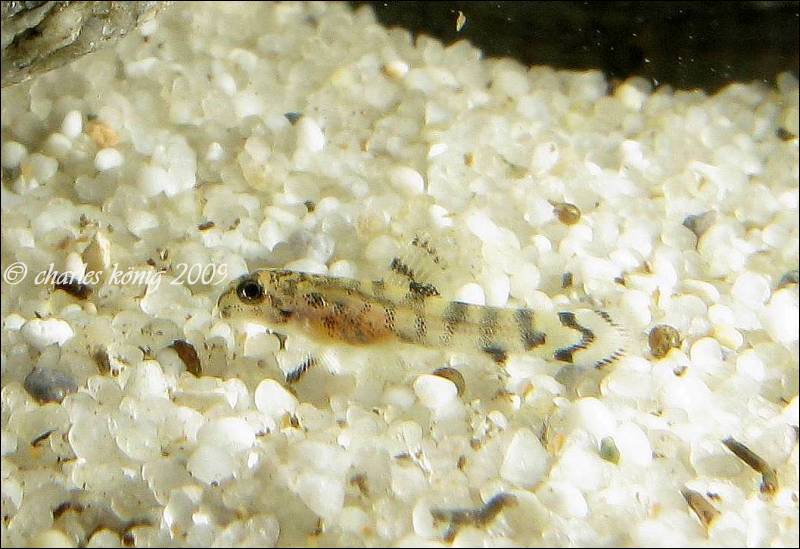
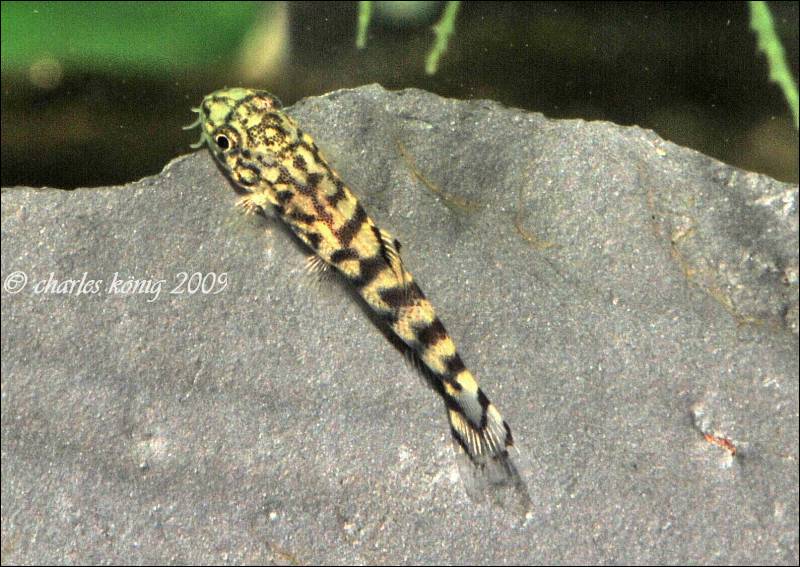
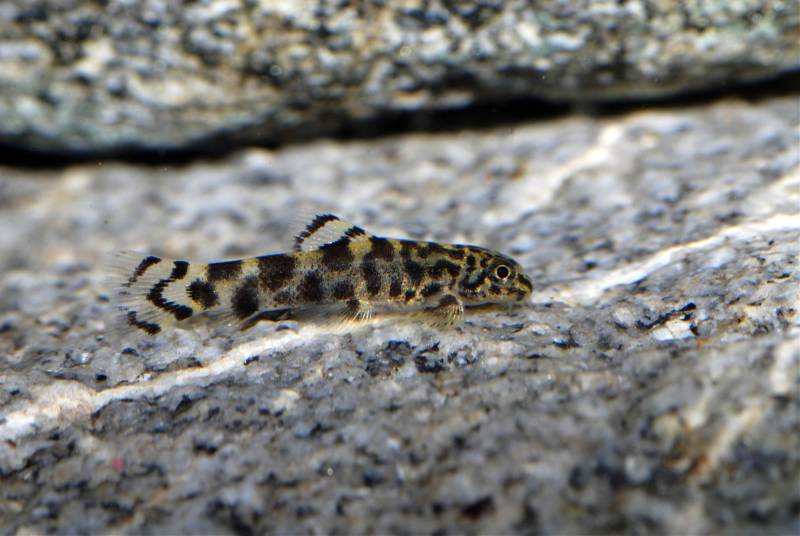
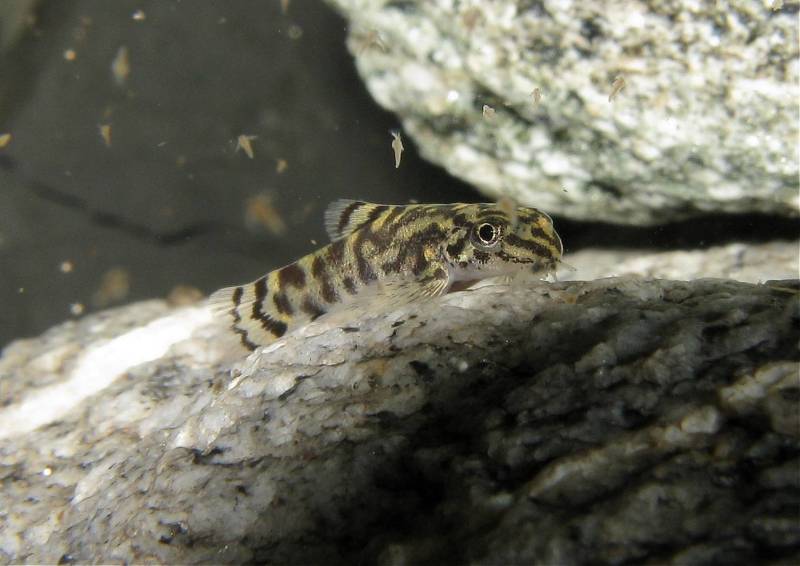
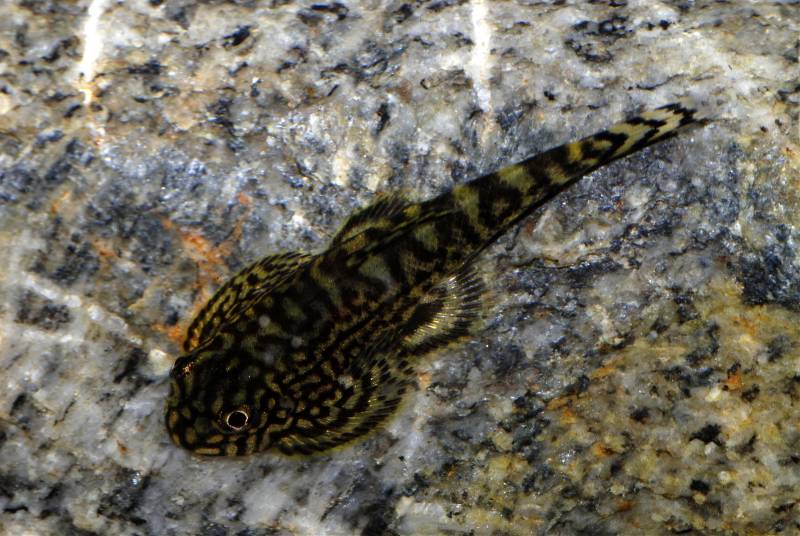
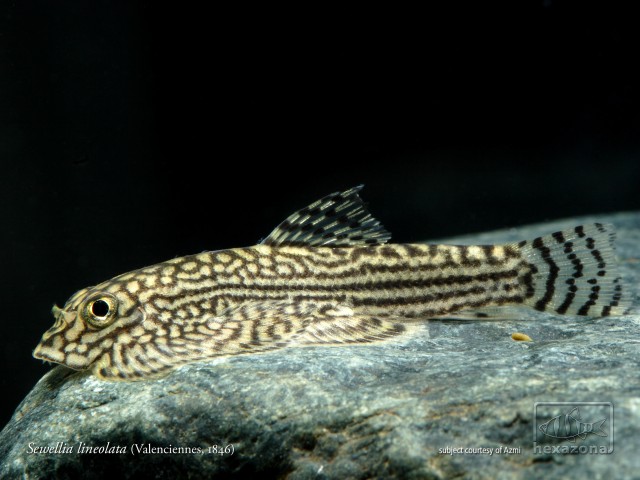
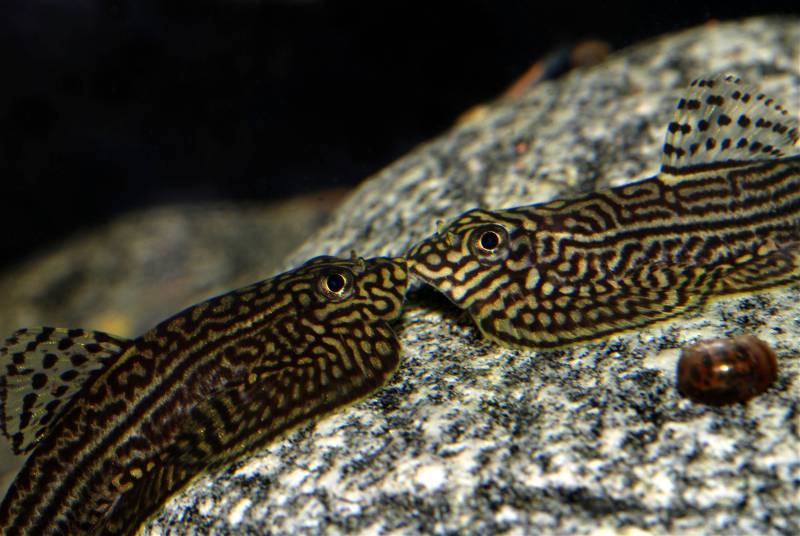
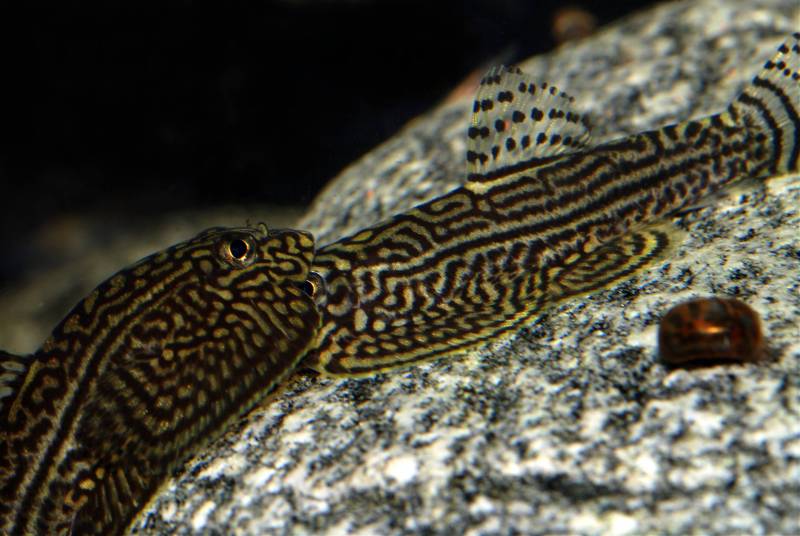
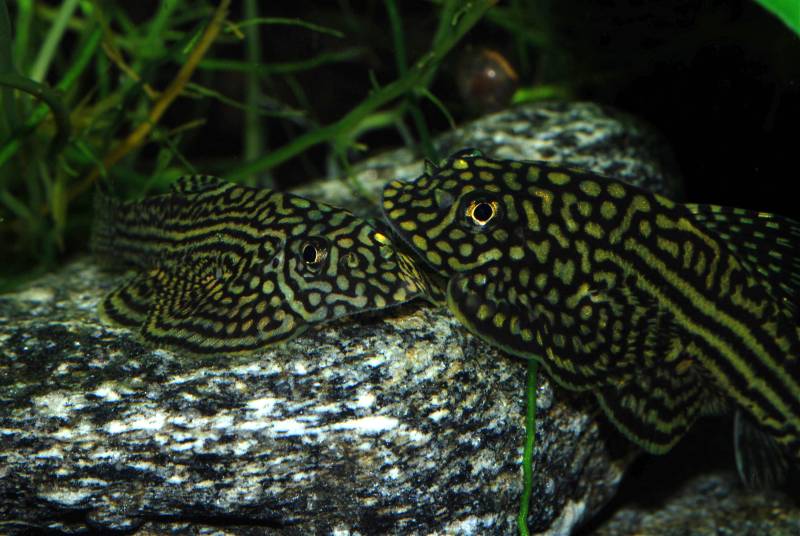
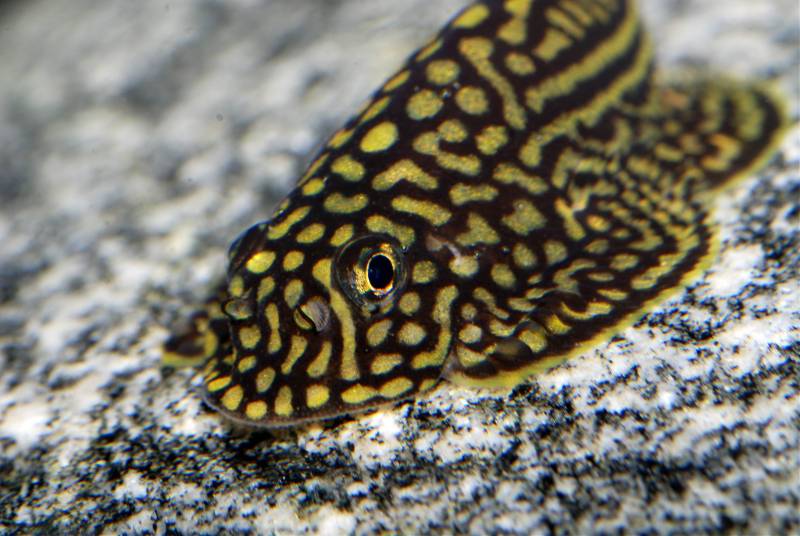
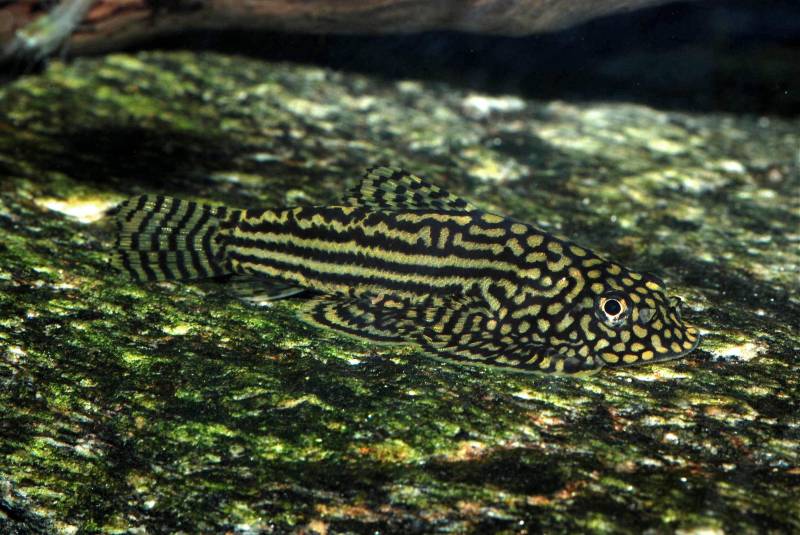
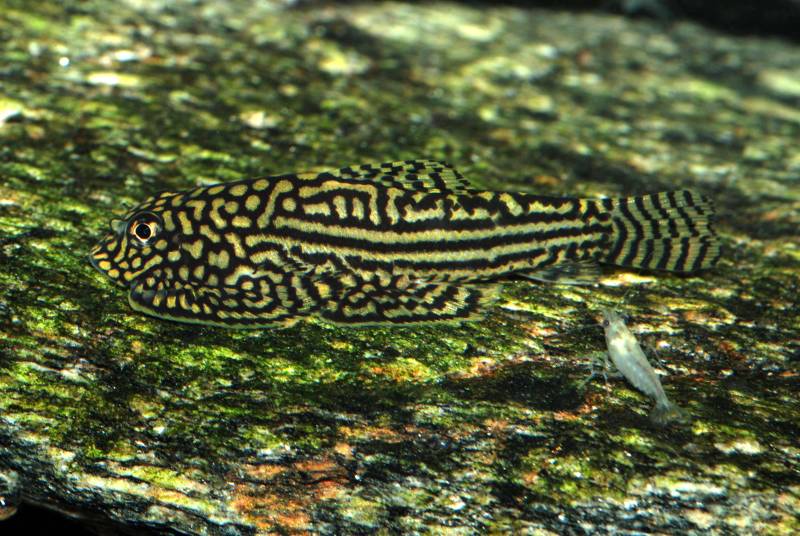
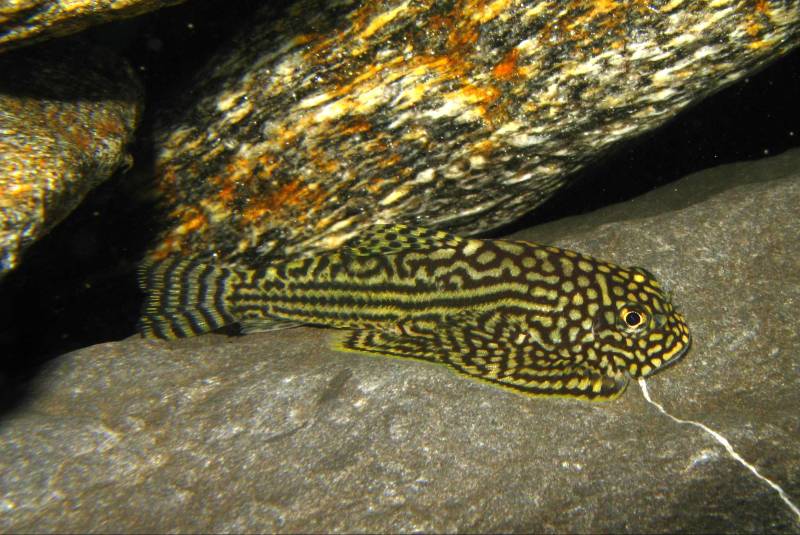
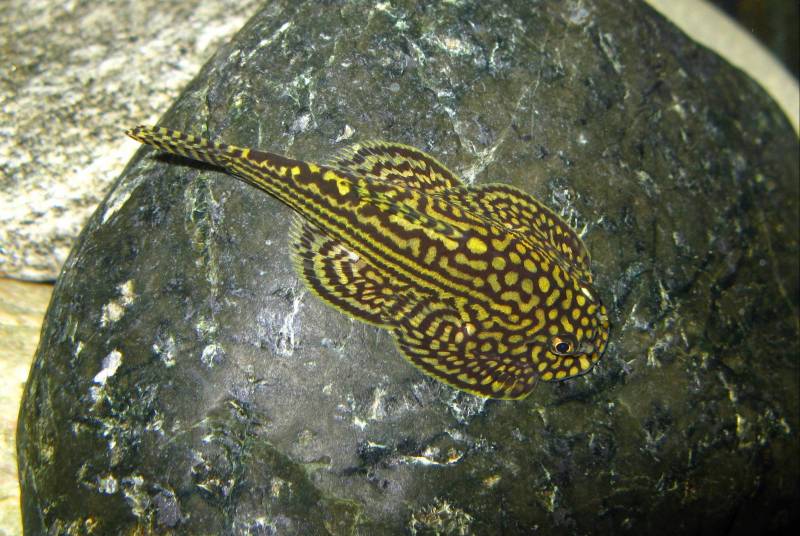
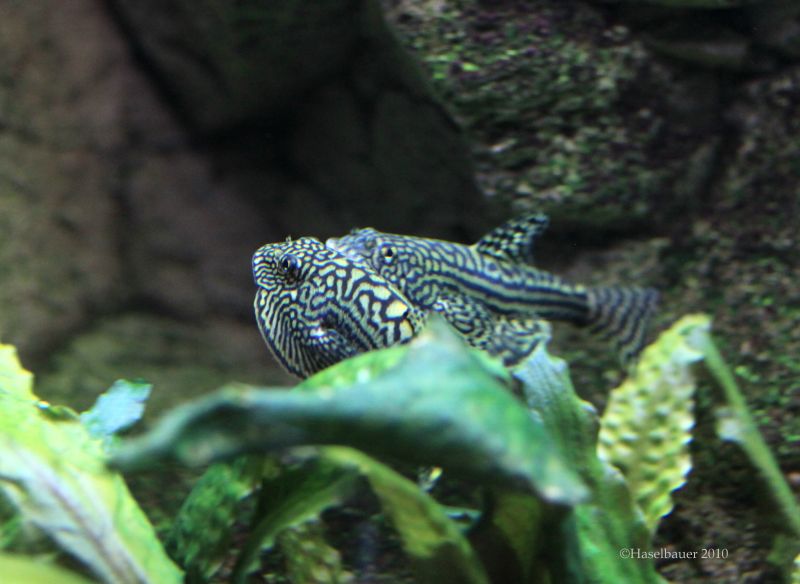
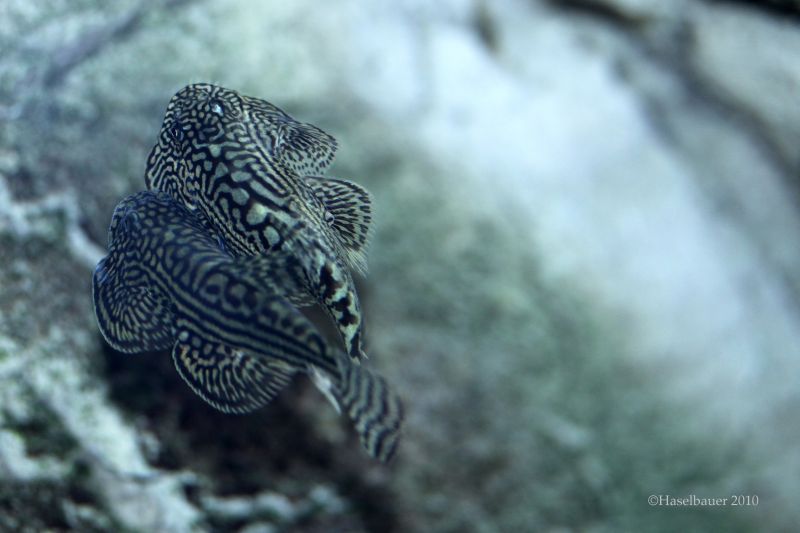
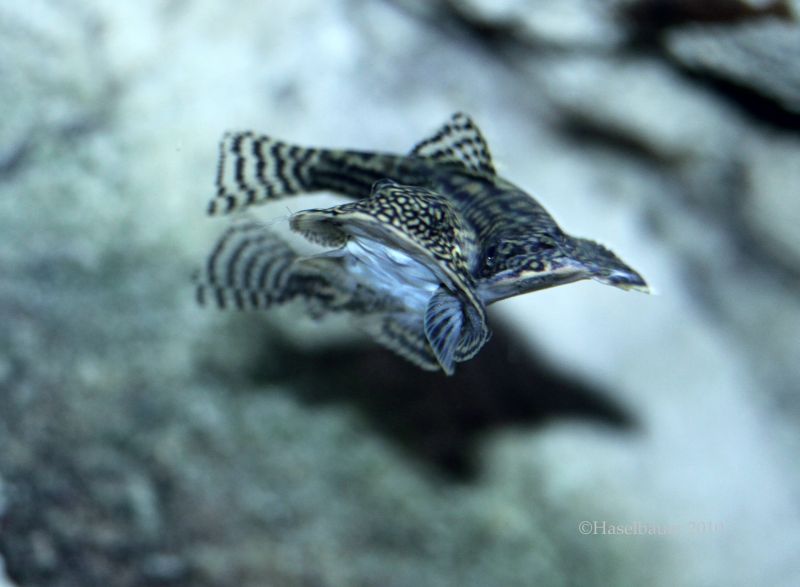
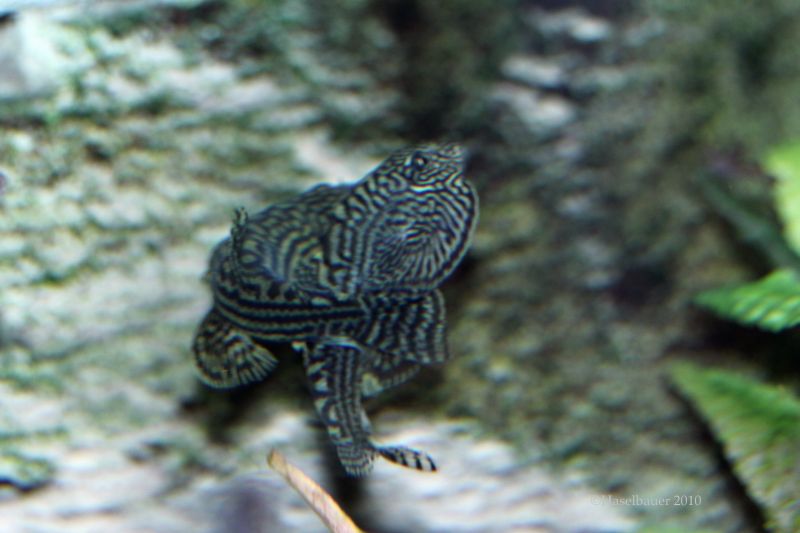
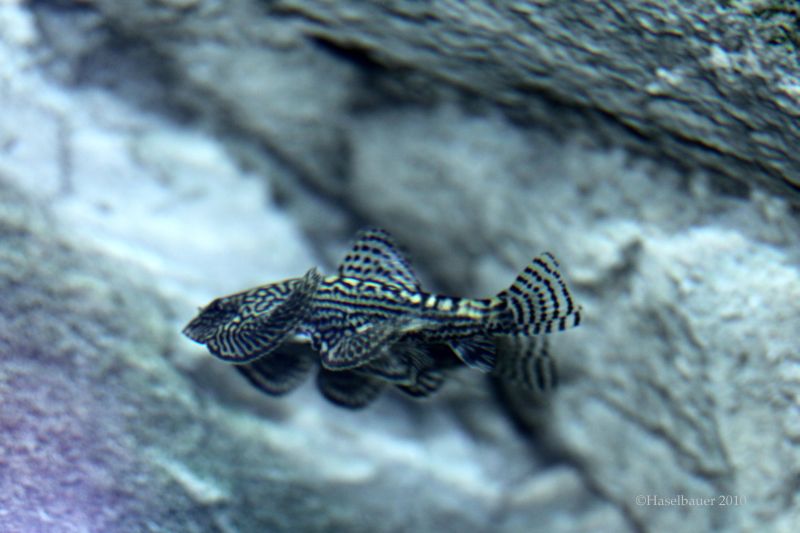
思凡腹吸鳅(Sewellia lineolata)体侧有醒目的三至五条暗纹,是可在成熟流水缸中繁殖的吸鳅。它所在属的成员往往较强势,布缸不仅要满足溶氧与食物,也要给同伴留下足够的觅食空间。
分布与栖息地
在越南香江、秋盆河等多个中部沿海水系有记录,老挝湄公河孔瀑布附近也有报告。栖息浅而急的上游和支流,石砾、基岩、急滩及水潭交替,雨季水位和流速增大时可变浑浊。
饲养环境
日常底面积至少参考 75 × 30 厘米。水要清洁富氧,每小时循环可参考水体的 15–20 倍,强过滤按需配合造流、气石。石面、耐受附生植物和外露海绵提供觅食面,照明应支持藻膜;避免新沉木严重染水。只入成熟缸,规律部分换水并保留附着物,盖严以防攀爬。
食性与喂食
主要食物包括底栖藻类及伴生微生物,也可能机会性摄入昆虫幼虫。可补充富含蔬菜和螺旋藻的凝胶饲料,长期要有充足长藻石面;硅藻和软绿藻比坚硬黑毛藻更合适。必要时另培石块轮换,瘦弱新鱼先避开竞争并持续供食。
习性与混养
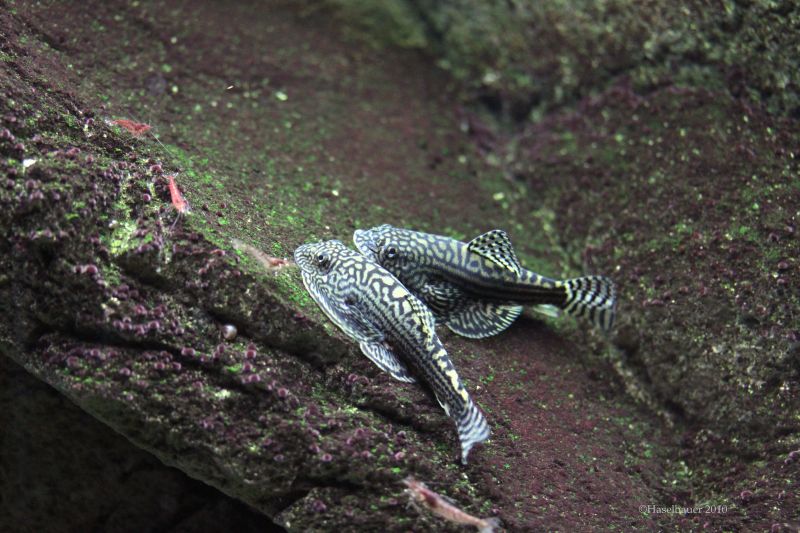
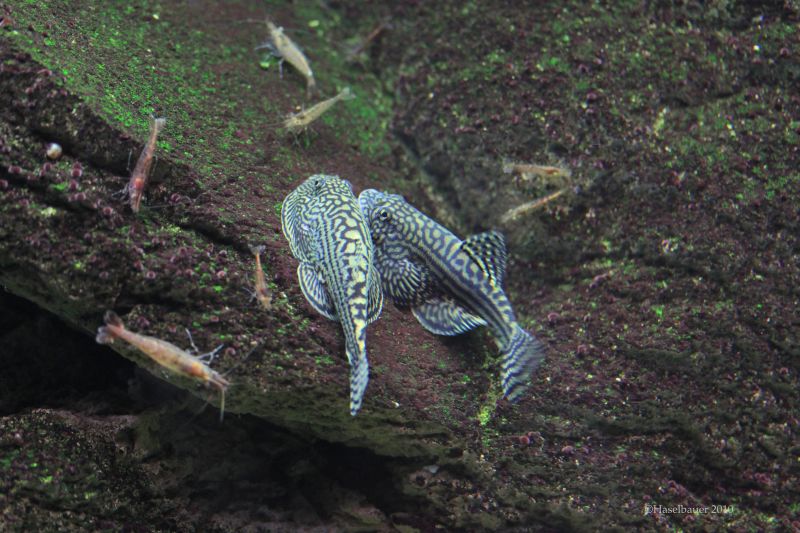
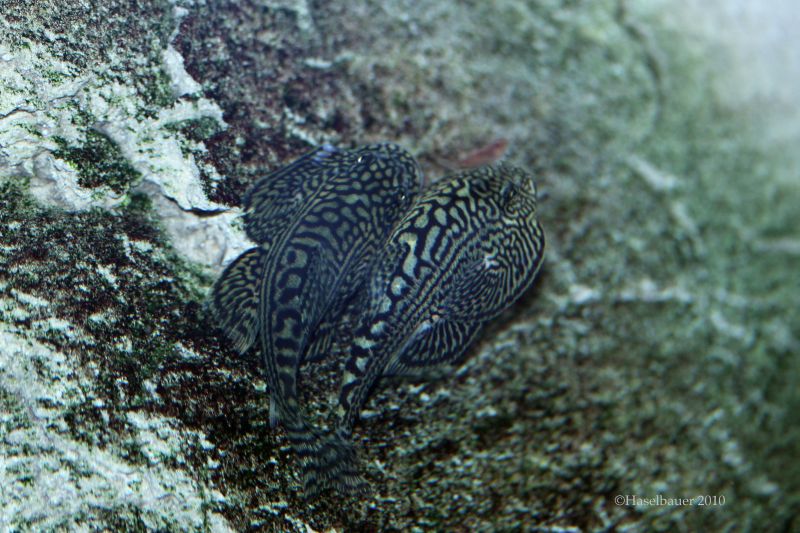
同属可参考六尾以上群养,较大的群体有助分散优势个体的压力。它们会为优质觅食点争执,有时腹面对腹面近乎直立较量。较胆小、形状相似的吸鳅容易争食失败,混养这类底层鱼需要更大的缸和充分分隔的空间;温和中上层鱼也须适应水流。
雌雄区分
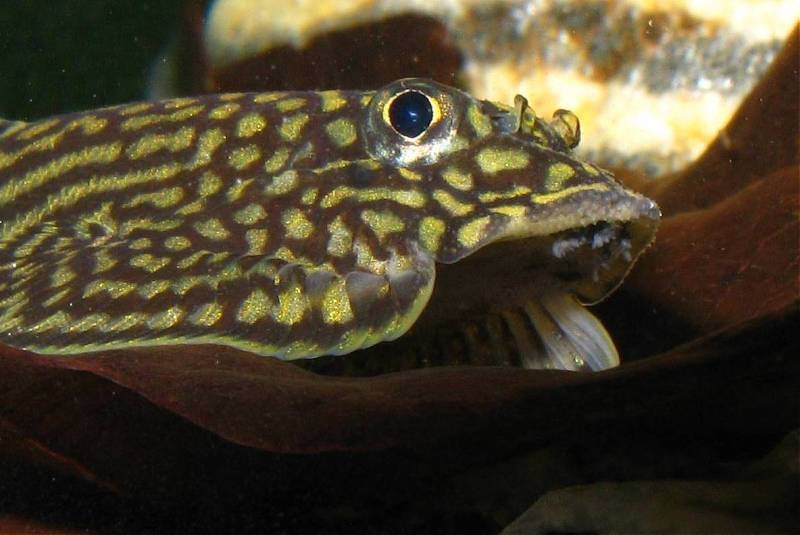
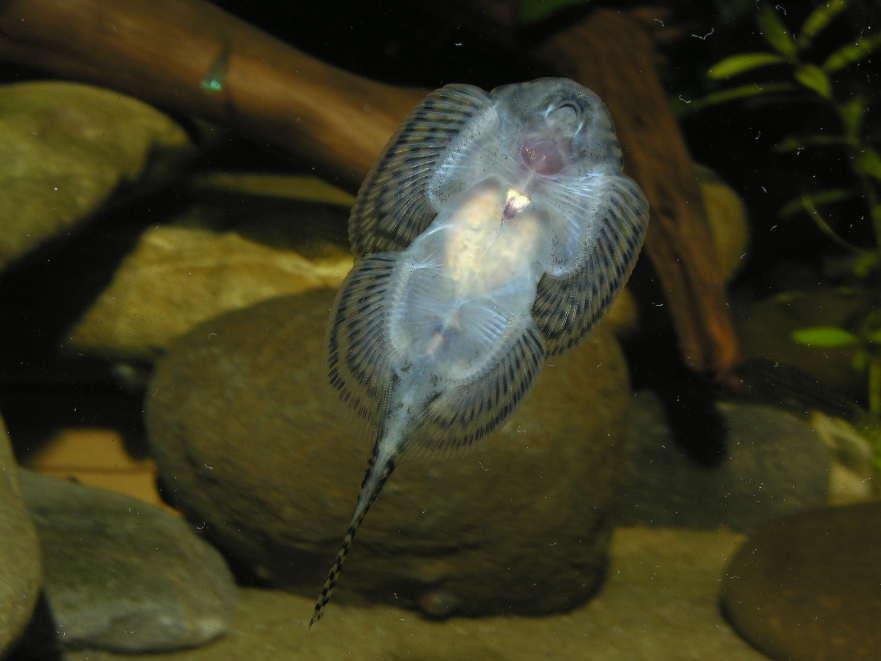
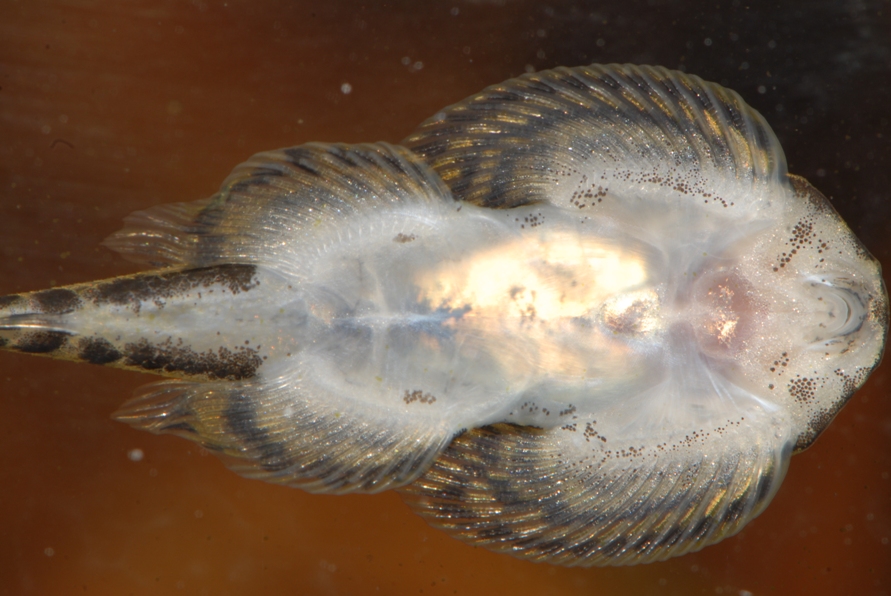
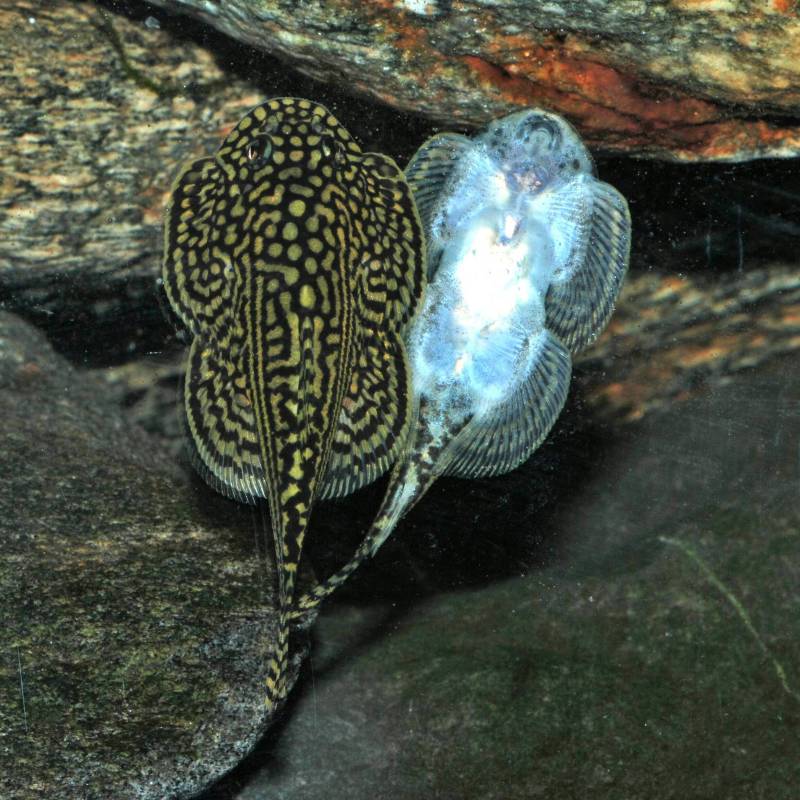
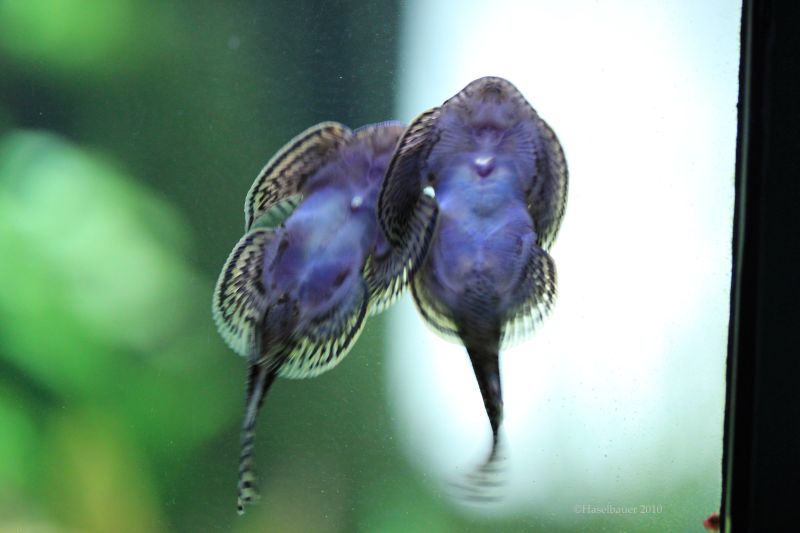
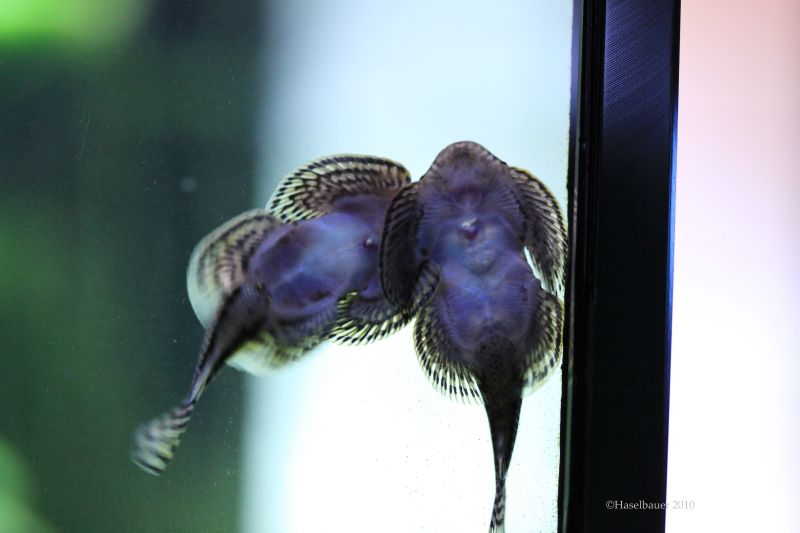
俯视时雌鱼较宽,吻与胸鳍轮廓连贯;雄鱼较纤细、吻方,胸鳍近直角伸出。成熟雄鱼前几根胸鳍鳍条及头顶有成排柔软突起。
繁殖
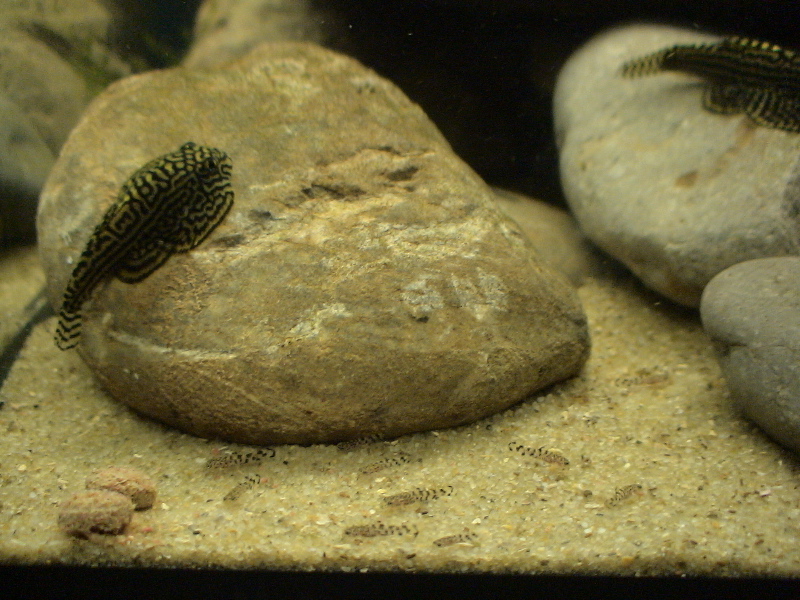
同属繁殖经验强调成熟大颗粒圆砾的缝隙,既保护卵苗免受亲鱼捕食,也积累支持微生物的有机物。配长藻石和气动海绵过滤,避免卵苗被吸入外滤。较凉的新水换入有时即可引发繁殖;求偶、进入水流排卵的描述属于同属经验,应结合本种实际表现观察。本种有一对在装有砾石和拖把的开放容器中产卵的记录,说明固定一种布置并非必要。
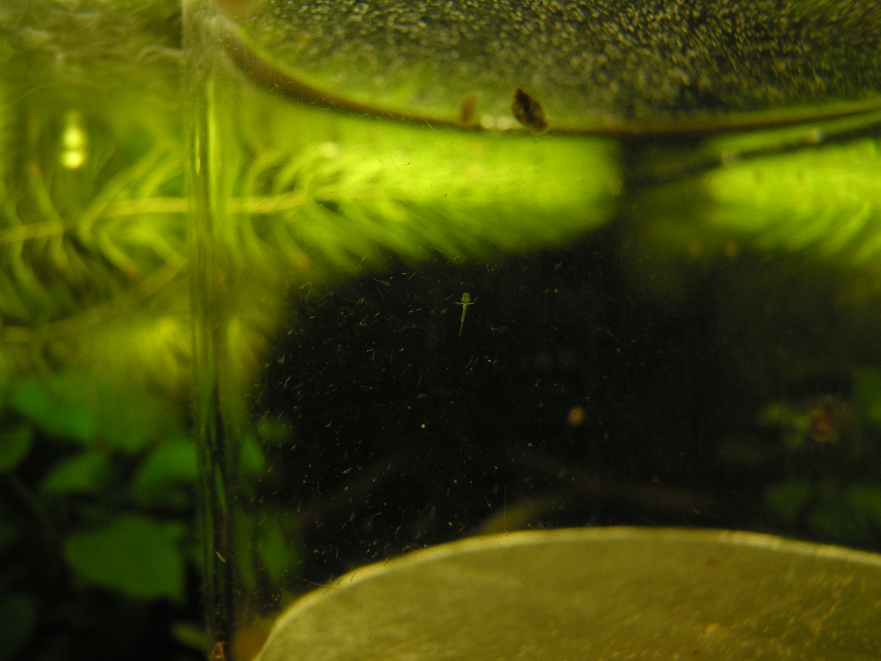
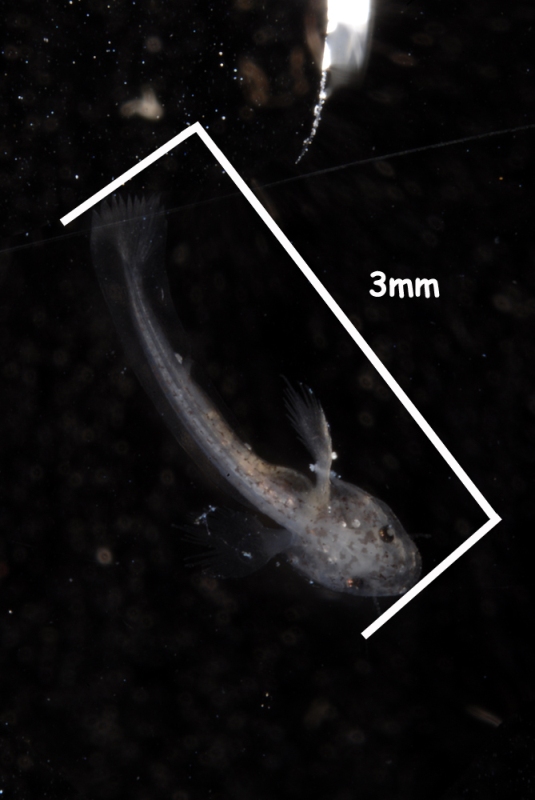
幼苗先用草履虫等微小食物,开始在底床上方觅食后再接丰年虾无节幼体或微虫。幼鱼偶鳍较短、贴附能力不如成鱼,多留在底床缝隙。使用外滤的缸清洗滤材时要检查是否藏有鱼苗,不能直接倒掉。
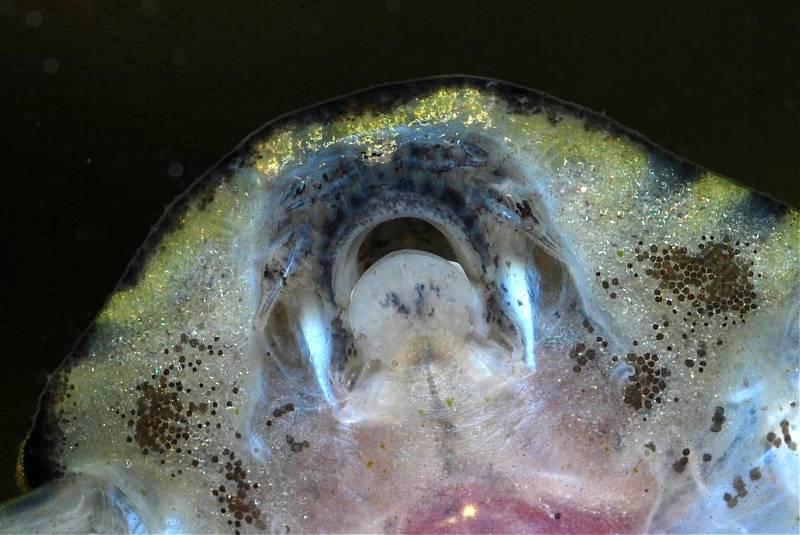
图片
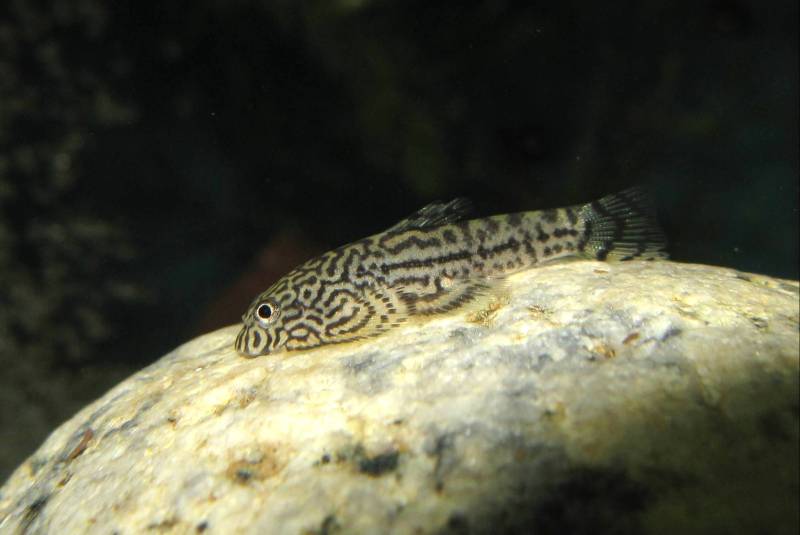
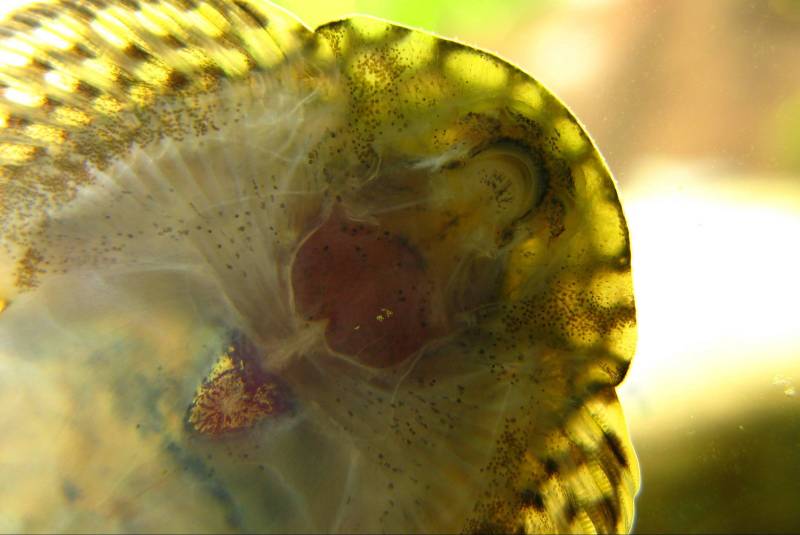
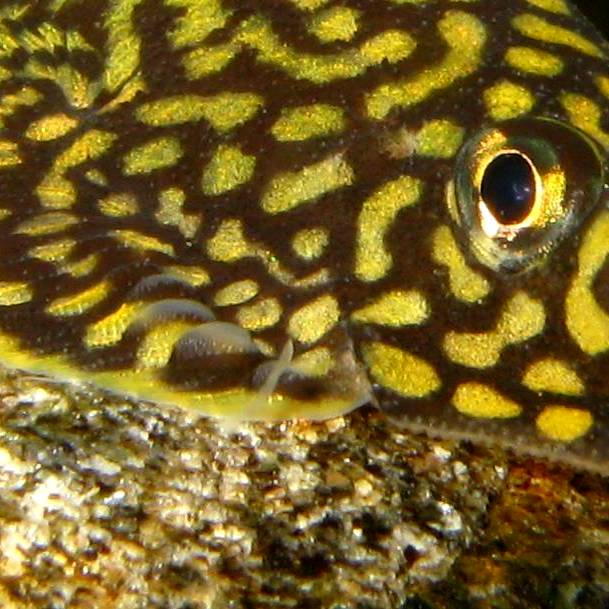
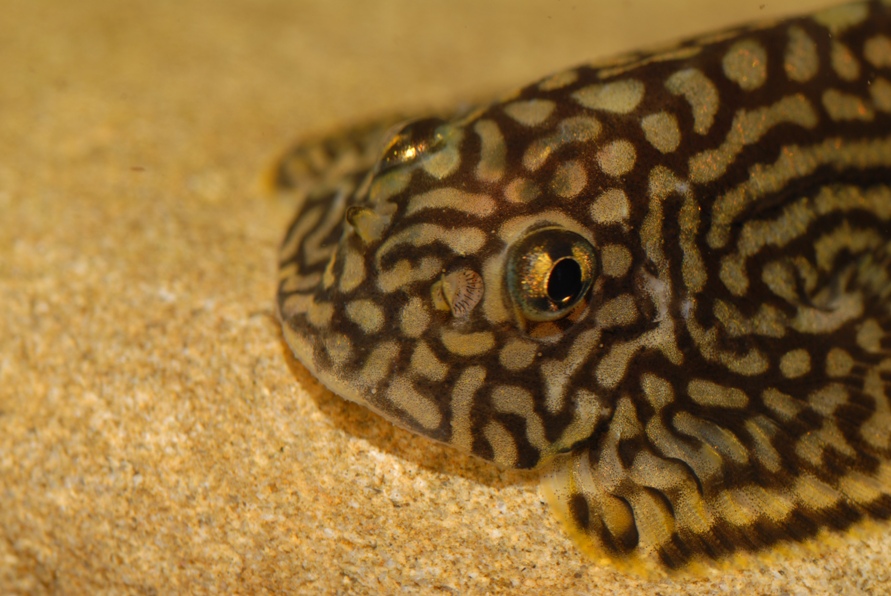
图片来自 SeriouslyFish,版权归各摄影者所有。
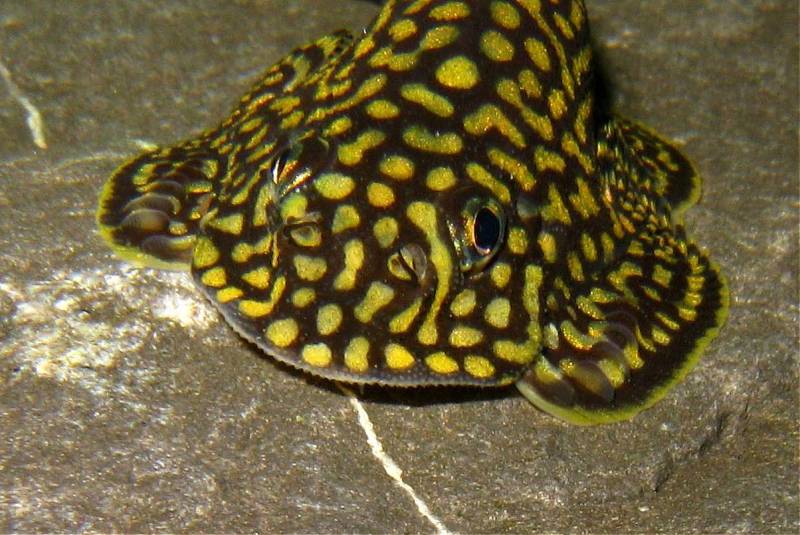
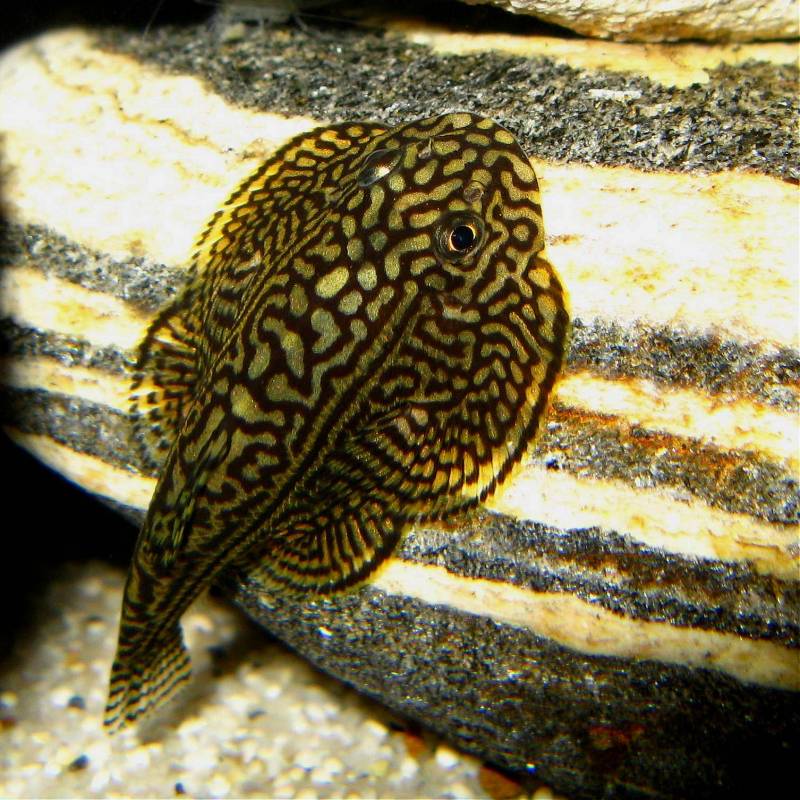
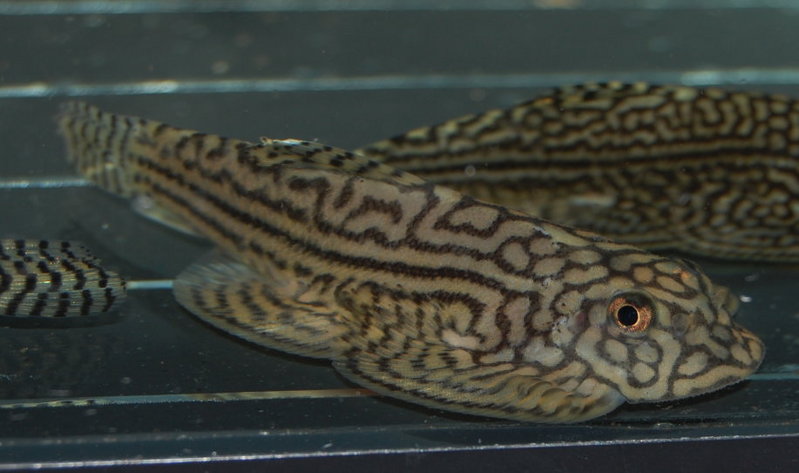
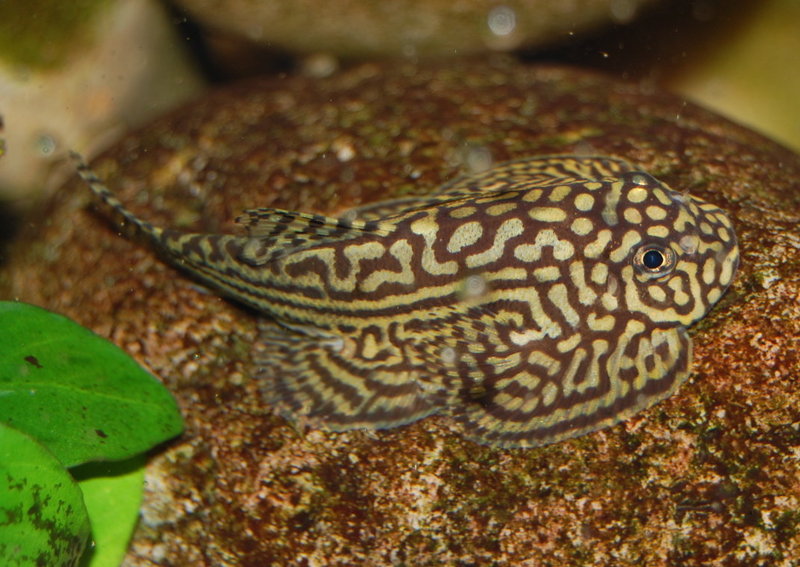
English
Overview
Recognizable by three to five dark body stripes, Sewellia lineolata can reproduce in established stream aquaria. Its genus is among the more dominant hillstream-loach groups, making feeding space as relevant as oxygen and food supply.
Distribution & habitat
Records include several central Vietnamese coastal drainages and reports near the Khone Falls in Laos. Shallow fast tributaries and headwaters have bedrock, gravel, boulders, riffles, and pools. Rain-driven increases in depth and flow can temporarily cloud the water.
Aquarium setup
Allow at least a 75 by 30 cm footprint for maintenance. Clean, highly oxygenated water should have the suggested turnover of 15–20 tank volumes per hour, with supplementary circulation or aeration as needed. Rocks, tolerant plants, and sponge surfaces provide grazing area. Light supports biofilm; heavy wood staining is counterproductive. Maintain mature conditions, regular partial water changes, and a secure cover.
Diet & feeding
Algae and associated microorganisms make up much of the natural diet, with insect larvae possibly taken opportunistically. Vegetable-rich gel foods supplement established grazing surfaces. Diatoms and soft green algae are more useful than tough brush algae. Rotate cultured rocks when supply is depleted and protect weakened arrivals from competition.
Behaviour & compatibility
Genus-level recommendations favor groups of at least six to distribute dominance pressure. Disputes over feeding patches can involve near-upright belly-to-belly contests. Less assertive, similarly shaped loaches may lose access to food or territory; such combinations need large, well-structured aquaria. Open-water companions must tolerate the current.
Sexual dimorphism
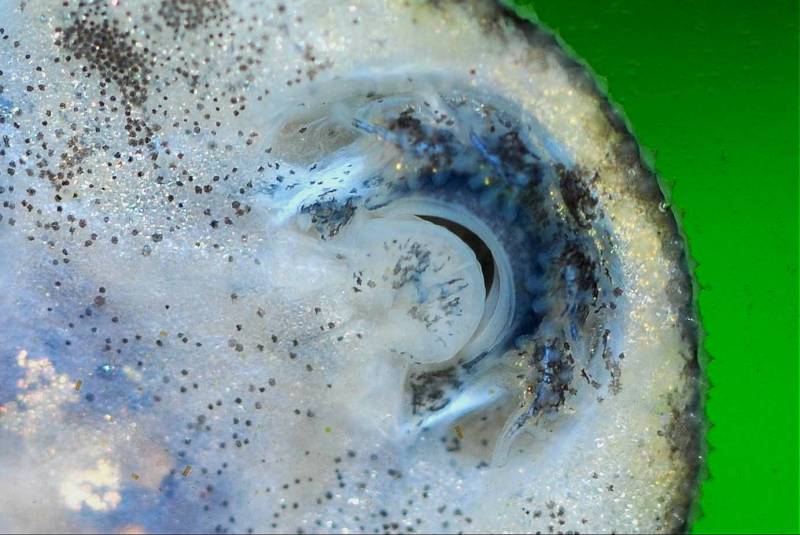
Females have a broader outline with the snout flowing into the pectorals. Males are slimmer and squarer-headed, with more angular pectoral origins. Mature males develop rows of soft raised tubercles on the leading pectoral rays and head.
Breeding
Genus-level breeding experience favors mature coarse rounded gravel whose gaps shelter eggs and fry while supporting microscopic food. Algae-coated rocks and a sponge filter add grazing and oxygenation without drawing young into an external unit. A cool water change sometimes stimulates spawning. One documented pair of this species spawned in an open bowl containing gravel and yarn mops, showing that a single rigid layout is not required.
Begin fry with infusoria, then offer Artemia nauplii or microworms once they forage above the substrate. Short juvenile paired fins provide less adhesion than adult fins, so early life is spent around substrate gaps. Check external filters carefully during maintenance because fry can be found inside.
来源
- https://www.seriouslyfish.com/species/sewellia-lineolata(抓取于 2026-10-10)
sewellia-lineolata · 文件: data/species/sewellia-lineolata.md · 状态: 草稿