Sewellia elongata
概要
| 字段 | 值 |
|---|---|
| 类别 | 鱼 |
| 学名 | Sewellia elongata |
| 分类 | 鲤形目 Cypriniformes › 腹吸鳅科 Gastromyzontidae › Sewellia |
| 水体 | 淡水 |
| 原产地 | 老挝、越南 |
| 成体体长 | 7.5 cm |
| 饲养难度 | 中等 |
| 最小水体 | 81 L |
| 最小缸长 | 90 cm |
| 群居方式 | 群游 |
| 水流偏好 | 高 |
| 特征 | 会跳缸: 是 |
| 外部数据 | seriouslyfish sewellia-elongata;fishbase 58061 |
水质参数
| 参数 | 耐受范围 | 最适范围 | 单位 |
|---|---|---|---|
| 水温 | 20–24 | — | °C |
| pH | 6–7.5 | — | — |
| 总硬度 | 1–10 | — | dGH |
概述
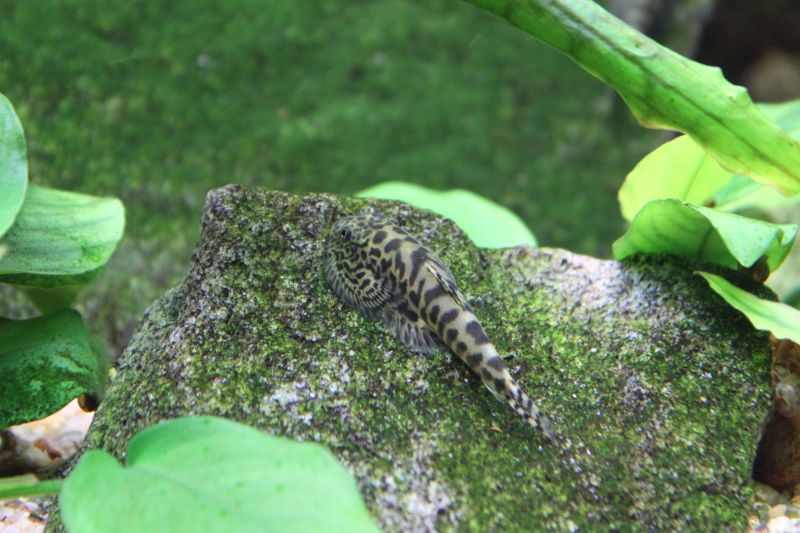
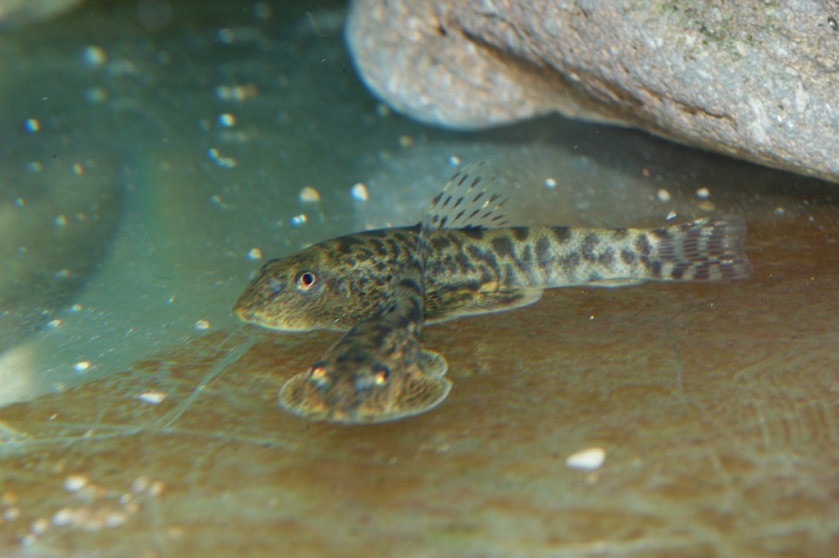
Sewellia elongata 是体形相对细长的爬岩鳅,来自老挝南部及越南中部的色贡河水系。它需要较宽裕的流水缸空间、稳定高氧水质与丰富附着生物。
分布与栖息地
原产老挝南部波罗芬高原的 Xe Nam Noi 和 Xe Pian 河上游,两河流入色贡河;越南中部承天顺化地区的色贡河上游也有记录。
栖地包括浅急的源头与支流,底部有砂砾、基岩和大块石头。模式地点一侧的熔岩壁提供阴影,水流绕过大岩块,底床有沉木;同一流域也有坡度极大、水流湍急的河段,不能只用一种水流场景概括。
饲养环境
底面至少约 90 × 30 cm。配合足量过滤、造流和气石,循环可参考每小时缸水量的十五至二十倍,维持高氧与洁净。
照明应支持藻类和微生物生长,旧沉木可以使用,避免新木大量染水削弱光照。水榕、爪哇蕨等耐受植物可提供遮蔽和刮食面,外露海绵同样会被利用。只用生物系统成熟的缸,规律部分换水,保留主要硬景上的附着生物。缸盖要严密,它能沿玻璃攀爬。
食性与喂食
天然食物主要为底栖藻类及相关微生物,可能机会性取食昆虫幼虫。可补充蔬菜和螺旋藻比例较高的凝胶饵,持续提供带藻石块。
藻量不足时可单独养藻并轮换石块,硅藻和柔软绿藻比坚硬黑毛藻合适。明显消瘦的个体应先减少竞争,保证持续获得适口食物。
习性与混养
同属鱼往往比其他吸附型爬岩鳅强势,尤其在食物和好位置有限时,较胆小或形体相近的底栖鱼可能被压制。此类组合更适合面积充足、藏身处丰富的大缸;需求相似的小型中上层鱼可优先考虑。
同属饲养经验建议至少六条,个体间会争夺觅食点,雄鱼常占优势;较大群体有助于分散压力,也减少对缸外活动的紧张。
雌雄区分
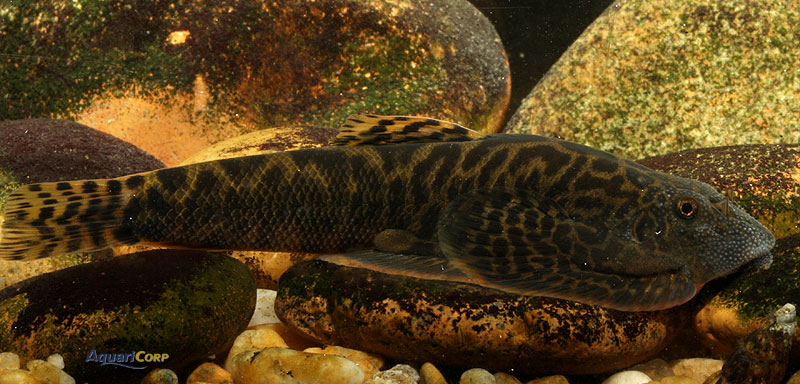
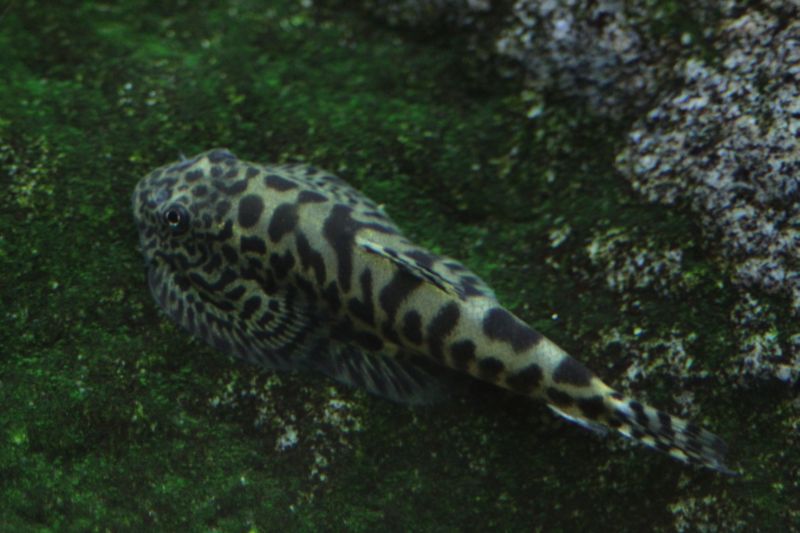
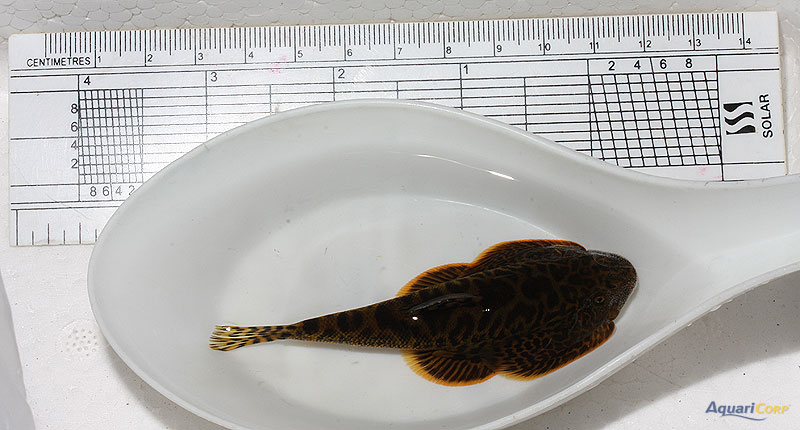
俯视雌鱼较宽,吻部与胸鳍轮廓衔接较平顺。雄鱼较窄,吻部更方,胸鳍向外伸出的角度更接近直角。成熟雄鱼前五至六根胸鳍鳍条及头背可见柔软隆起的疣突列。
繁殖
同属已有多种人工繁殖成功经验,可作为尝试方向。圆润较粗的成熟砾石提供藏卵缝隙和微生物来源,配带藻石与气动海绵过滤。属级观察中,雌雄上升到水中、胸鳍相互交缠,卵随水流散开;稍凉换水有时能促进产卵。
初生幼鱼先用草履虫等微小饵,能在底砂上觅食后再转丰年虾无节幼体和微虫。幼鱼暂时还不能像成鱼那样牢牢吸附,主要留在底床内外。清理外置过滤时应检查有无被吸入的小鱼。这些属于同属经验,尚不能据此确认本种完整繁殖流程。
补充说明
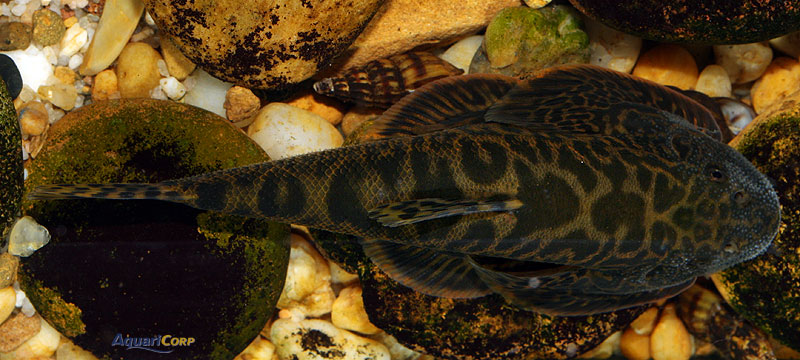
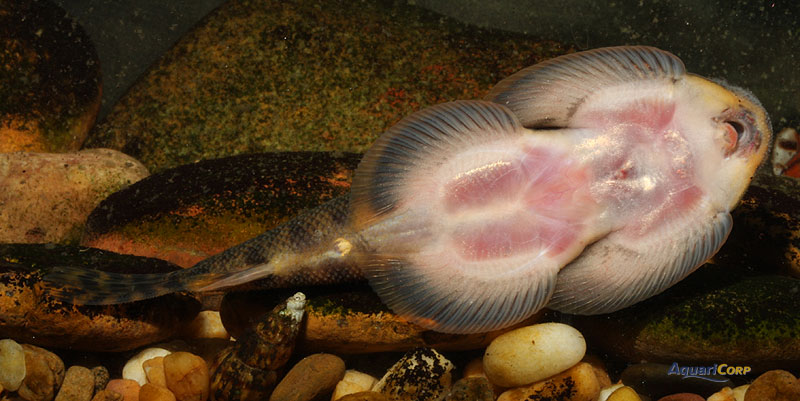
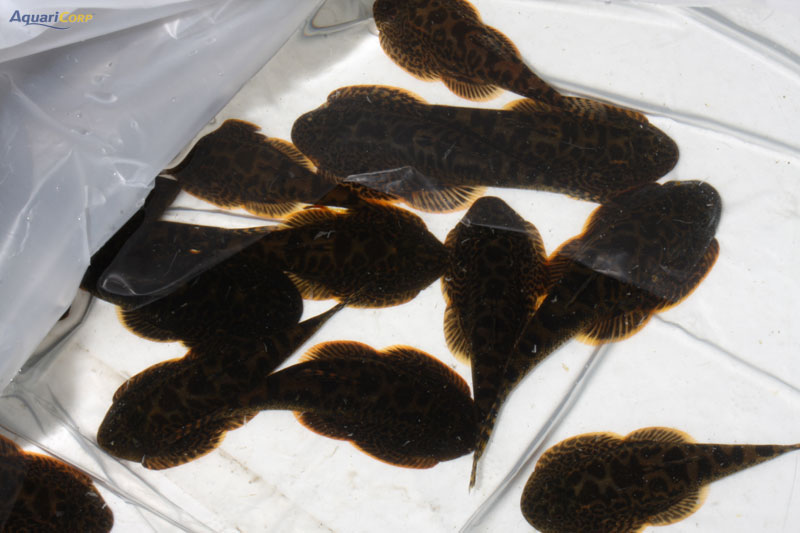
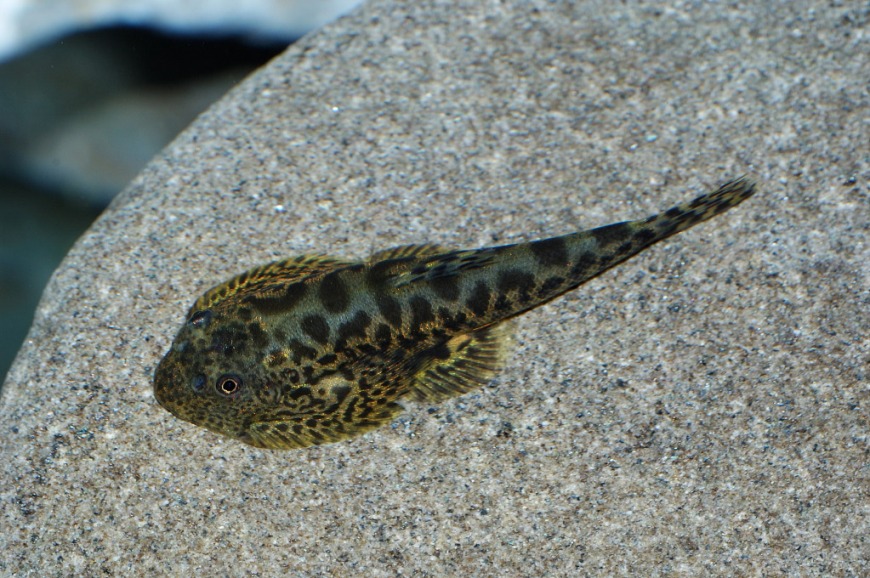
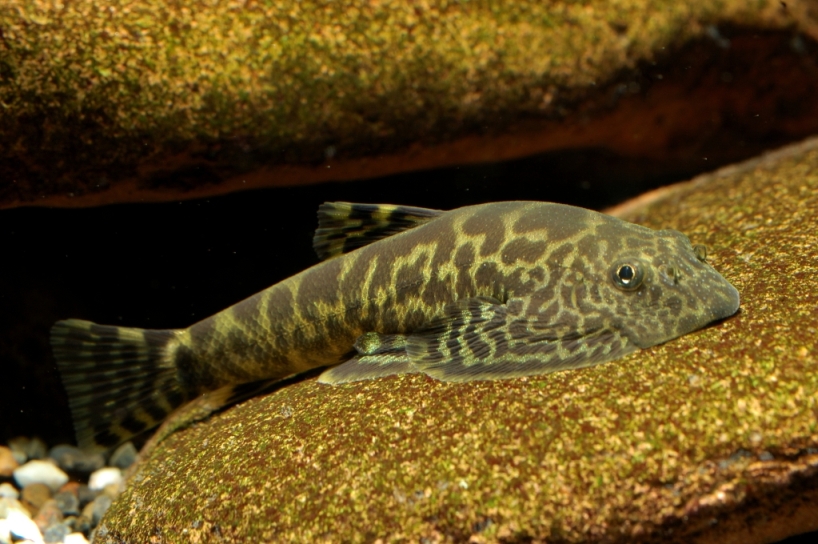
它与近似种(Sewellia diardi)相比,身体更细长,后者相对宽厚。本种体色较暗,缺少深色躯干条纹,成对鳍上也没有同心带纹;腹鳍不越过肛门。
图片
图片来自 SeriouslyFish,版权归各摄影者所有。
English
Overview
Sewellia elongata has a relatively slender outline compared with similar hillstream loaches. It occurs in the Se Kong system of southern Laos and central Vietnam and needs generous stream-aquarium space with stable oxygenation and productive grazing surfaces.
Distribution & habitat
The native range includes the upper Xe Nam Noi and Xe Pian on southern Laos's Bolovens plateau. Both feed the Se Kong, whose upper drainage in central Vietnamese Thua Thien-Hue also holds records.
Habitats include shallow rapid headwaters over sand, gravel, bedrock, and boulders. A lava wall shaded much of the type site, where water passed around large stones and submerged logs occurred. Other records came from extremely steep, torrential river sections, showing variation within its habitat.
Aquarium setup
Provide at least approximately 90 × 30 cm of floor area. Large filtration capacity with additional pumps or aeration should maintain clean oxygenated water; suggested circulation is fifteen to twenty aquarium volumes per hour.
Lighting should encourage algae and associated organisms. Old wood is acceptable, but heavy tannin release from new pieces can reduce useful light. Hardy plants and exposed sponge surfaces offer further grazing areas. Use a biologically mature aquarium, perform regular partial changes, and retain established growth. A secure lid is needed because the fish can climb glass.
Diet & feeding
Algae and associated microscopic organisms form much of its natural food, while insect larvae may be taken opportunistically. Vegetable-rich gel mixtures containing spirulina can supplement constant access to algae-covered surfaces.
Rotate stones from a separate cultivation container when necessary. Soft green algae and diatoms are preferable to tough brush growth. Emaciated arrivals require uninterrupted suitable food with competitors excluded until they recover.
Behaviour & compatibility
Members of this genus can dominate other sucker-bellied loaches, particularly when feeding surfaces and space are limited. Less assertive or similarly shaped bottom dwellers may lose access to resources. Such combinations are best restricted to spacious, well-structured aquaria; suitable small open-water companions are easier options.
Genus-level experience favors six or more conspecifics. Feeding-patch disputes occur, with males often dominant. A larger group helps distribute pressure and reduces nervous responses to activity outside the aquarium.
Sexual dimorphism
Females appear broader from above, with the snout merging smoothly into the pectoral outline. Males are slimmer and more square-snouted, with pectorals projecting almost at right angles. Mature males develop rows of soft raised structures on the leading five or six pectoral rays and upper head.
Breeding
Several relatives have reproduced in captivity. Mature rounded gravel shelters eggs and supplies microscopic food, with algae-coated stones and an air-driven sponge filter completing a simple breeding arrangement. Observed pairs within the genus rise into the water, interlock pectoral fins, and release eggs into the current. A slightly cooler water change sometimes encourages activity.
Young initially need microscopic foods, progressing to Artemia nauplii and microworms once feeding above the gravel. Their attachment structures are immature, so they remain around or within the bottom material. Check external filters carefully for fry during cleaning. These observations describe relatives and do not establish a complete species-specific method.
Notes
Compared with Sewellia diardi, its body is longer and more slender rather than broad and robust. Relatively dark coloration, absence of dark body stripes and concentric paired-fin bands, and pelvic fins that stop by the anus are useful comparison features.
来源
- https://www.seriouslyfish.com/species/sewellia-elongata(抓取于 2026-10-10)
sewellia-elongata · 文件: data/species/sewellia-elongata.md · 状态: 草稿