布兰氏锯脂鲤 · White Piranha
概要
| 字段 | 值 |
|---|---|
| 类别 | 鱼 |
| 学名 | Serrasalmus brandtii |
| 别名 | 布蘭氏鋸脂鯉、Serrasalmo brandtii |
| 分类 | 脂鲤目 Characiformes › 锯鲑脂鲤科 Serrasalmidae › Serrasalmus |
| 水体 | 淡水 |
| 原产地 | 巴西东部圣弗朗西斯科河流域;伊塔皮库鲁河的分布尚待确认 |
| 成体体长 | 25 cm |
| 饲养难度 | 中等 |
| 最小水体 | 540 L |
| 最小缸长 | 150 cm |
| 群居方式 | 独居 |
| 外部数据 | seriouslyfish serrasalmus-brandtii;fishbase 11963 |
| 繁殖方式 | 产卵 |
水质参数
| 参数 | 耐受范围 | 最适范围 | 单位 |
|---|---|---|---|
| 水温 | 20–26 | — | °C |
| pH | 5–8 | — | — |
| 总硬度 | 2–20 | — | dGH |
概述
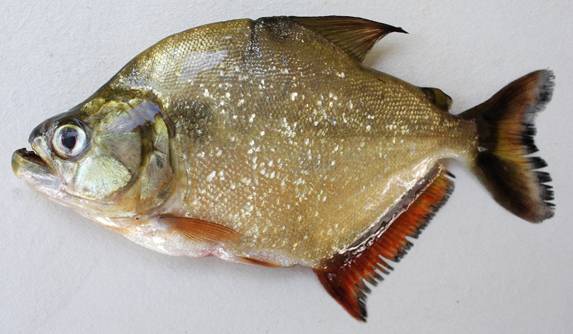
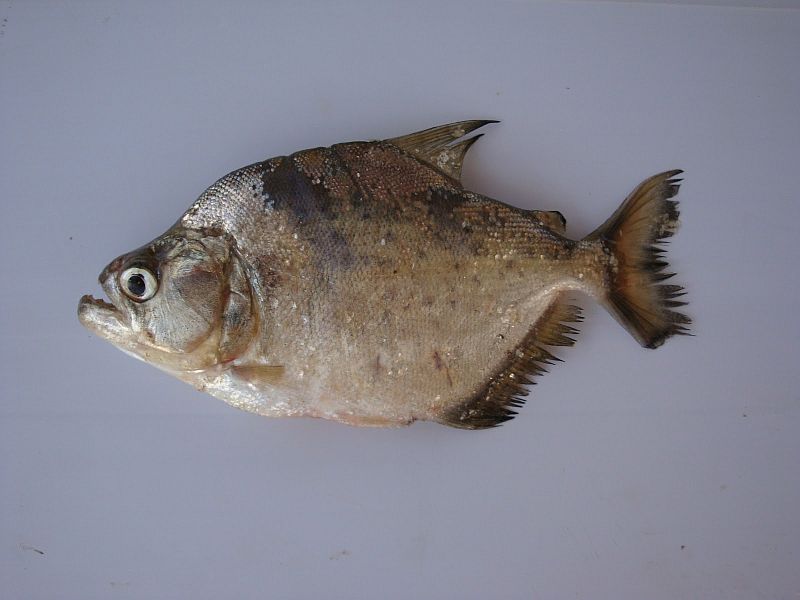
布兰氏锯脂鲤(Serrasalmus brandtii)成鱼整体呈金铜色,鳍缘较暗,眼上方头部轮廓有明显凹陷。它应单条饲养,商品名“白食人鱼”或“绿食人鱼”并不能代替可靠鉴种。
分布与栖息地
可能主要局限于巴西东部圣弗朗西斯科河流域,伊塔皮库鲁河也可能有分布。巴拉瓜苏河水库中的种群为引入。已记录环境包括主河道、洪泛湖泊和筑坝形成的水库。
饲养环境
单条至少约 150 × 60 cm 底面积。开阔游动空间和清洁水质最重要,但彻底裸露的环境可能令鱼紧张,可用沉木和浮水植物提供部分遮蔽。
以大容量外滤或底滤承担排泄负担,加热棒最好放在主缸外,或使用坚固保护罩。每周换水约三至五成,清洁和捞取时注意牙齿造成的伤害。
食性与喂食
同属鱼常机会性摄食小鱼、鱼肉和鱼鳍。缸内小个体可喂红虫、小蚯蚓、碎贝肉,成鱼可喂鱼肉条、虾及较大蚯蚓等。
避免牛心、鸡肉等陆生动物肉类,也不需要活饵鱼;这些活鱼可能带入寄生虫或疾病。
习性与混养
以单条、专门饲养为宜,不应把它当作普通混养鱼或群养鱼。
繁殖
水族箱繁殖尚无记录。野外研究表明,它全年都有繁殖活动,环境合适时分批产卵,雨季更为集中。这些观察不能直接转成家庭缸的孵化流程。
补充说明
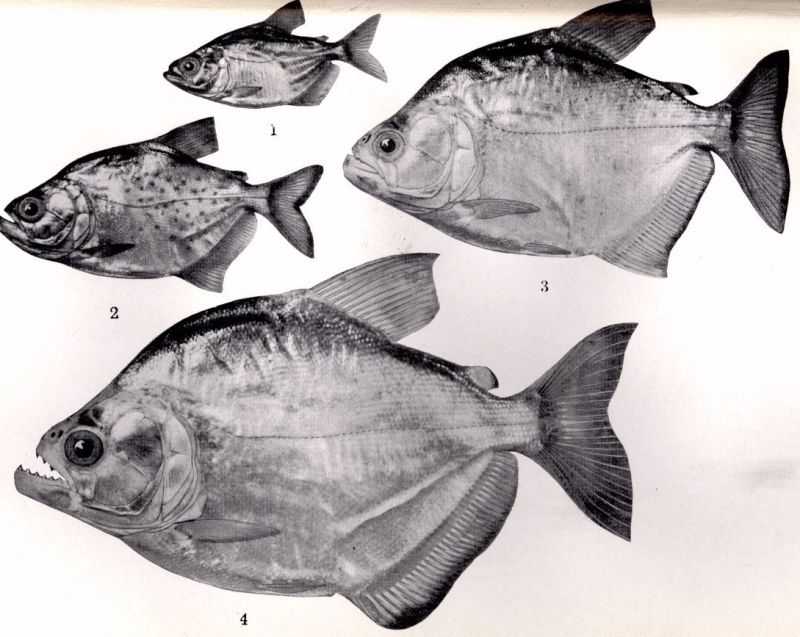
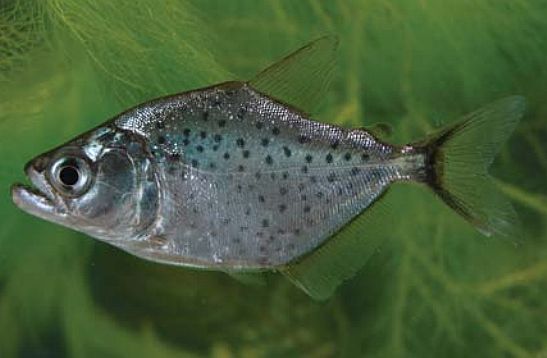
幼鱼与成鱼差异明显:幼鱼身体有暗斑、鳍较透明,成鱼多为金铜色并带深色鳍缘,眼上方凹陷也更明显。仅靠臀鳍起点靠前这一特征未必能可靠鉴别,需综合外观与产地。
图片
图片来自 SeriouslyFish,版权归各摄影者所有。
English
Overview
Serrasalmus brandtii becomes uniformly golden-bronze as an adult, with dark fin edges and a concave head profile above the eye. It should be housed individually. White or green piranha trade names are not substitutes for reliable identification.
Distribution & habitat
It may be largely restricted to the São Francisco basin of eastern Brazil, with possible occurrence in the Itapicuru. The population in a Paraguaçu reservoir is introduced. Recorded habitats include main channels, floodplain lakes, and dam reservoirs.
Aquarium setup
A single fish needs a footprint around 150 × 60 cm or more. Open swimming room and clean water are priorities, but a completely exposed setting can cause nervousness. Wood and floating vegetation can provide some cover.
Use substantial external filtration or a sump to process the waste load. Place heaters outside the main aquarium where possible, or protect them with a sturdy guard. Weekly changes of roughly 30–50% are appropriate. Avoid contact with the teeth during cleaning and capture.
Diet & feeding
Related species feed opportunistically on small fishes, flesh, and fins. Aquarium juveniles can receive worms and chopped shellfish, while adults accept fish strips, shrimp, and larger earthworms.
Avoid terrestrial meats such as beef heart or chicken. Feeder fish are unnecessary and may introduce parasites or disease.
Behaviour & compatibility
Maintain one specimen in a dedicated setup rather than treating it as a conventional community or schooling fish.
Breeding
Aquarium reproduction remains unrecorded. Wild studies indicate reproductive activity throughout the year, with batches of eggs deposited when conditions are favorable and a peak during the rains. These observations do not provide an established aquarium hatching procedure.
Notes
Juveniles differ markedly from adults, having dark body spots and mostly transparent fins. Adults develop the bronze color, dark fin margins, and more pronounced concavity above the eye. The forward position of the anal-fin origin is not consistently reliable on its own; locality and several features should be considered together.
来源
- https://www.seriouslyfish.com/species/serrasalmus-brandtii(抓取于 2026-10-10)
serrasalmus-brandtii · 文件: data/species/serrasalmus-brandtii.md · 状态: 草稿