飞凤 · Flagtail Prochilodus
概要
| 字段 | 值 |
|---|---|
| 类别 | 鱼 |
| 学名 | Semaprochilodus insignis |
| 别名 | 亚马逊鲮脂鲤、亚马逊真唇脂鲤、真唇脂鲤、旗尾鯪脂鯉、亞馬遜鯪脂鯉、亞馬遜真唇脂鯉、真唇脂鯉、旗尾鲮脂鲤 |
| 分类 | 脂鲤目 Characiformes › 原唇齿脂鲤科 Prochilodontidae › Semaprochilodus |
| 水体 | 淡水 |
| 成体体长 | 35 cm |
| 饲养难度 | 中等 |
| 最小水体 | 540 L |
| 最小缸长 | 150 cm |
| 群居方式 | 群游 |
| 外部数据 | seriouslyfish semaprochilodus-insignis;fishbase 25658 |
| 原产地 | 厄瓜多尔、秘鲁、哥伦比亚、圭亚那、巴西 |
| 食性 | 杂食 |
| 特征 | 啃水草: 是 |
| 繁殖方式 | 产卵 |
水质参数
| 参数 | 耐受范围 | 最适范围 | 单位 |
|---|---|---|---|
| 水温 | 23–29 | — | °C |
| pH | 5.5–7.2 | — | — |
| 总硬度 | 1–15 | — | dGH |
概述
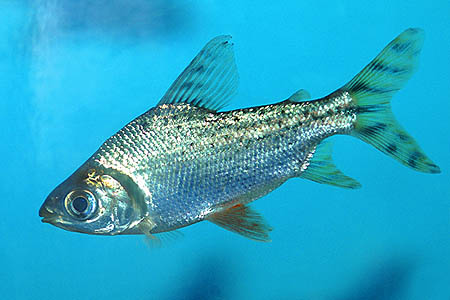
飞凤(Semaprochilodus insignis)是体型较大、会季节性长距离迁徙的群游脂鲤。它会啃藻和植物,也在野外处理大量有机碎屑,并不是只靠清理鱼缸残余就能养好的工具鱼。少数同种挤在一起时容易发生攻击,单尾与成群方案需要分开考虑。
分布与栖息地
原生于厄瓜多尔、秘鲁、哥伦比亚、圭亚那和巴西。在河道迁徙与繁殖,多在洪泛平原取食,也进入洪泛湖泊及森林溪流,生活范围随季节水位变化。
饲养环境
成年单尾至少参考 150 × 60 × 60 厘米,群养需要更大空间。可用河砂和少量沉木枝根布置,不必追求复杂硬景。自然长出的藻可让它啃食;不适合以柔软水草为主的草缸,因为软叶会被吃,较硬的植物也可能被啄。
食性与喂食
杂食但明显偏植物性,提供足量焯软菠菜、生菜、黄瓜、西葫芦和藻片等,可搭配优质干饲料及少量红虫、水蚤等冷冻饵。天然会筛食有机碎屑,因此不能把喜食植物误解为只接受单一菜叶,也不能用动物饵替代主要植物部分。
习性与混养
同种数量少时易互相攻击,若要成群建议至少六尾并提供更大的缸;否则可在中大型温和鱼的缸中单尾饲养。伙伴可从合适体型的大型脂鲤、鲶类、温和慈鲷等选择,不能只看清洁作用忽略整个群体的空间。
雌雄区分
雌雄较难辨认,成熟雌鱼据称腹部更圆。
繁殖
人工水族箱繁殖尚未记录。野外雨季初,从贫营养黑水或清水支流进入较湍急的白水河段繁殖,受精卵顺流进入食物丰富的洪泛区,给幼鱼提供成长场所。
成鱼随后返回原有森林支流取食约三四个月,再在雨季中段迁移到主河及其他支流,随水位变化继续活动;再次涨水时可在当时所处支流口繁殖。较老、较大的个体似乎可能不再迁徙,具体年龄界限不清楚,不能据此制定人工诱产步骤。
补充说明
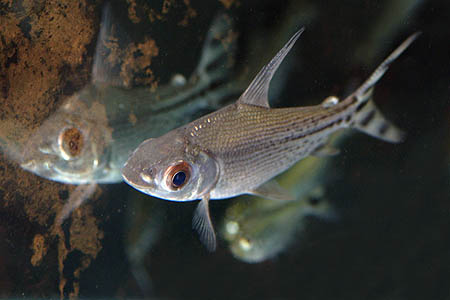
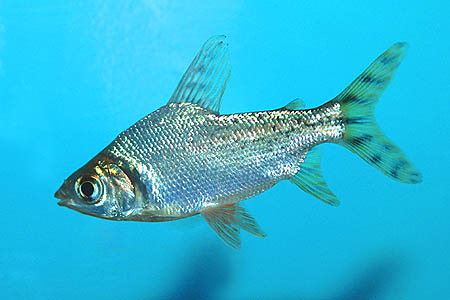
幼鱼体侧暗斑随成熟逐渐消失,可与成年仍保留斑点的银飞凤(Semaprochilodus taeniurus)作比较。特殊的双胃结构中一部分含泥,用于辅助消化,与其天然碎屑取食方式相配合。
图片
图片来自 SeriouslyFish,版权归各摄影者所有。
English
Overview
A large schooling characin with seasonal long-distance movements, Semaprochilodus insignis grazes plant material and processes organic debris in nature. It is not a substitute for aquarium maintenance. Small groups can become aggressive internally, making stocking number and space important decisions.
Distribution & habitat
Native range includes Ecuador, Peru, Colombia, Guyana, and Brazil. River channels serve migration and spawning, while floodplains provide much of its feeding habitat. Floodplain lakes and forest streams are also used as water levels change.
Aquarium setup
An adult needs at least the suggested 150 by 60 by 60 cm, with more space for a group. River sand and a few roots or branches create a simple setting. Allow some algae for grazing. Soft-leaved plants will be eaten, and tougher vegetation may also be picked at.
Diet & feeding
Omnivorous but strongly plant-oriented, it should receive generous vegetable foods such as blanched greens, cucumber, zucchini, and algae wafers. Quality dry foods and small frozen invertebrates can supplement these. Wild detritus feeding adds context to this varied diet rather than replacing deliberate feeding.
Behaviour & compatibility
Conspecific aggression is more troublesome in small numbers. Use six or more in sufficiently large housing, or keep one among compatible medium-to-large fish. Suitable companions include appropriately sized characins, catfish, and peaceful cichlids. Plan around the whole stock rather than a presumed cleaning role.
Sexual dimorphism
Sexes are difficult to distinguish; mature females are reported to be rounder-bellied.
Breeding
Aquarium breeding is unrecorded. At the start of the wet season, fish leave nutrient-poor clear or black tributaries for more turbulent white-water spawning areas. Fertilized eggs drift into rich floodplain nursery habitat.
Adults return to their former forest tributary to feed for roughly three or four months, then undertake another wet-season movement through rivers and tributaries. Renewed flooding can trigger spawning at a tributary mouth. Older, larger individuals may cease migrating, but no age threshold is established.
Notes
Juvenile flank spots fade with maturity, unlike those retained by Semaprochilodus taeniurus. Two stomach compartments, one containing mud, assist the processing of its natural food.
来源
- https://www.seriouslyfish.com/species/semaprochilodus-insignis(抓取于 2026-10-10)
semaprochilodus-insignis · 文件: data/species/semaprochilodus-insignis.md · 状态: 草稿