亚洲龙鱼 · Asian Arowana
概要
| 字段 | 值 |
|---|---|
| 类别 | 鱼 |
| 学名 | Scleropages formosus |
| 别名 | 金龙鱼、美麗硬骨舌魚、金龍魚、Osteoglossum formosum、Scleropages macrocephalus、Scleropages aureus、Scleropages legendrei、美丽硬骨舌鱼 |
| 分类 | 骨舌鱼目 Osteoglossiformes › 骨舌鱼科 Osteoglossidae › Scleropages |
| 水体 | 淡水 |
| 原产地 | 柬埔寨、印度尼西亚、马来西亚、泰国、越南 |
| 成体体长 | 90 cm |
| 饲养难度 | 中等 |
| 群居方式 | 独居 |
| 特征 | 会跳缸: 是;吃小鱼: 是;吃虾: 是 |
| 外部数据 | seriouslyfish scleropages-formosus;fishbase 6357 |
| 食性 | 肉食 |
| 繁殖方式 | 口孵 |
水质参数
| 参数 | 耐受范围 | 最适范围 | 单位 |
|---|---|---|---|
| 水温 | 22–28 | — | °C |
| pH | 5–8 | — | — |
| 总硬度 | 2–15 | — | dGH |
概述
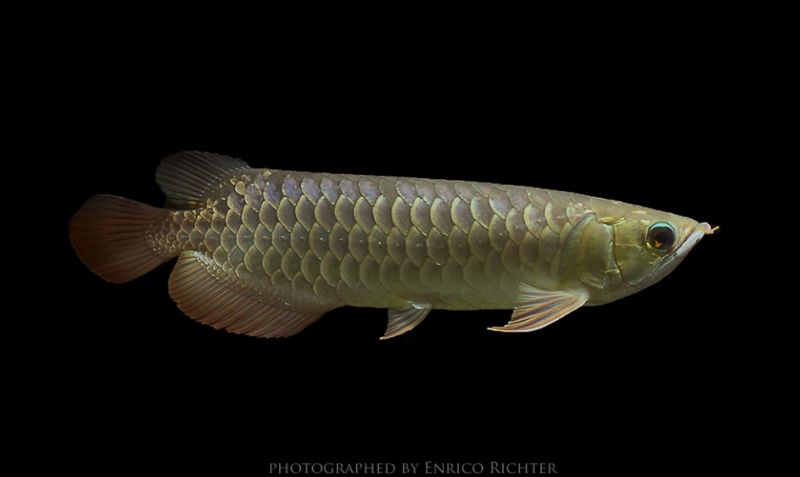
亚洲龙鱼(Scleropages formosus)包括多种天然色型,金、红、青等商品称呼并不直接等于独立物种。它成年体形大、跳跃力强,长期饲养需要极大型设施和稳定水质,不能只按颜色和幼鱼价格作决定。
分布与栖息地
原生记录包括越南、柬埔寨的湄公河系统、泰国东部、马来半岛及苏门答腊、婆罗洲。新加坡有引入记录,不属于原生产地,也不能把误传的台湾当作天然分布。
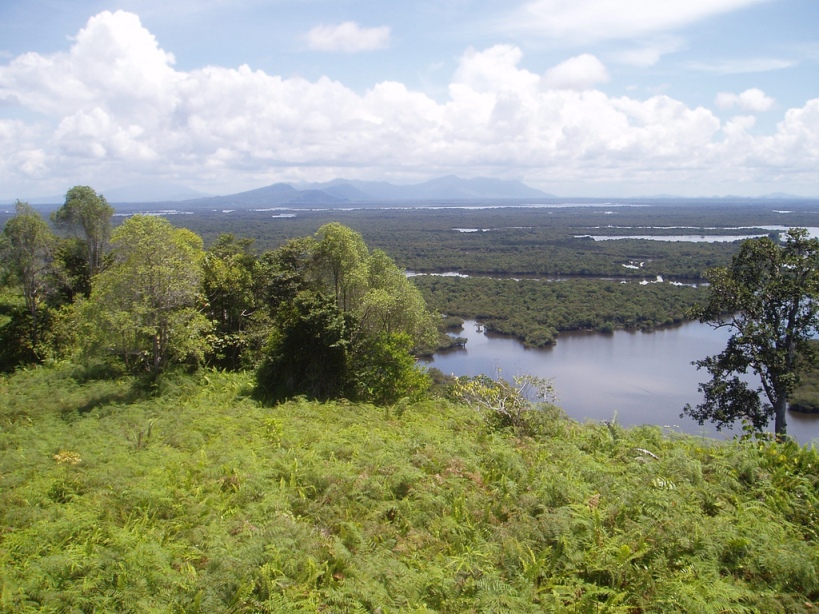
利用天然湖泊、沼泽、被淹森林及缓流深水河段,常有悬垂植被遮蔽;部分色型生活在受泥炭和有机物染成褐色的黑水中。
饲养环境
通常只适合公共水族馆或极大型私人系统。布置形式并非重点,裸缸也有人采用,但成年空间不能被省略。
维持高溶氧、成熟过滤和稳定水质,每周部分换水约 30%–50%,不应放入未成熟系统。缸盖必须严密固定,防止强力跳跃逃出。
食性与喂食
属于肉食捕食鱼,自然摄食小鱼、甲壳类及其他无脊椎动物,多数能转食非活饵。幼鱼可喂红虫、小蚯蚓和切碎虾肉,成年后可用鱼肉条、整虾、贝肉和较大蚯蚓,也会吃活河虾。
颗粒能接受时可搭配,不宜成为唯一主食。牛心、鸡肉等陆生肉类不宜常喂,饵料鱼存在疾病、寄生虫及营养不当的风险。
繁殖
由雄鱼口孵,商业繁殖主要采用户外池塘。口孵方式明确,但不能据此推断家庭鱼缸已有简单通用的配对和诱繁流程。
补充说明
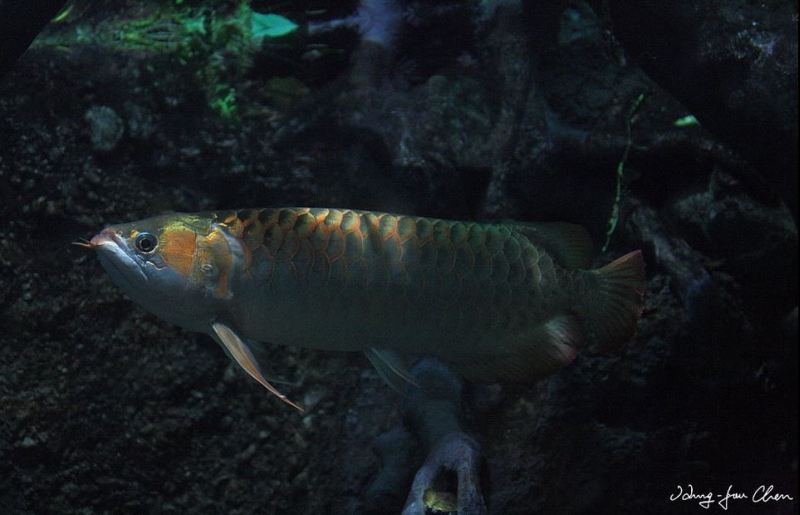
青色型分布较广,红色型与婆罗洲上卡普阿斯河有关,过背金相关产地包括马来半岛,红尾金则与苏门答腊有关,另有银色系地方型。不同色型曾被提出拆为不同种,但分类边界仍有争论,不应直接将商品品系名当作最终分类结论。
本种具有长期商业繁殖和贸易管理背景,来源及个体识别记录值得保留。色型间还存在人工杂交,鲜艳颜色本身不能证明纯粹的产地来源。
图片
图片来自 SeriouslyFish,版权归各摄影者所有。
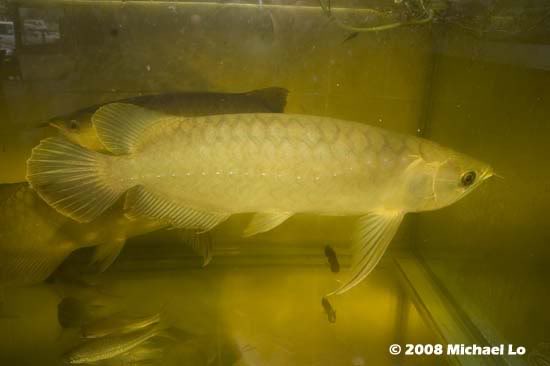
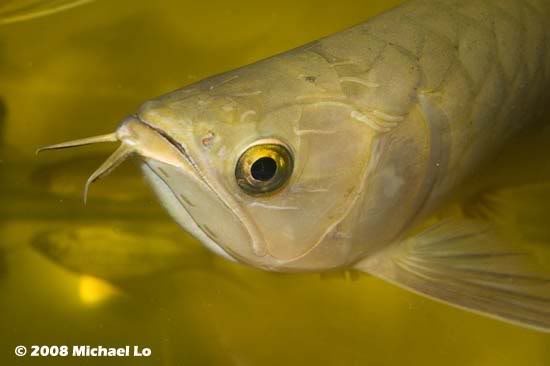
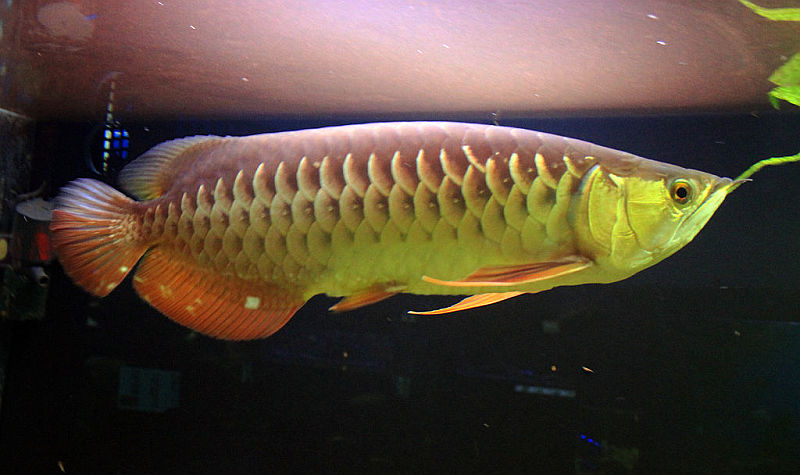
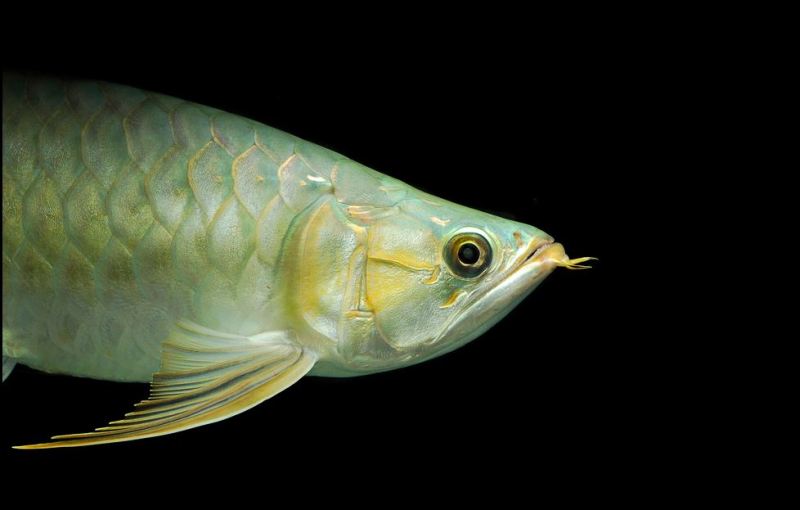
English
Overview
Scleropages formosus encompasses several natural color forms. Gold, red, and green trade labels do not automatically correspond to separate species. Large adult size, powerful jumping, and a need for stable water make long-term care a specialist undertaking.
Distribution & habitat
Native records include the Mekong system in Vietnam and Cambodia, eastern Thailand, Peninsular Malaysia, Sumatra, and Borneo. Singaporean records include introductions, while Taiwan should not be treated as part of the natural range.
It inhabits lakes, swamps, flooded forest, and deep slow river sections with overhanging vegetation. Some forms occur in brown-stained blackwater influenced by peat and other organic material.
Aquarium setup
Suitable accommodation is generally confined to public installations or exceptionally large private systems. Decoration is secondary and bare setups are used, but adult space cannot be omitted.
Provide mature filtration, high dissolved oxygen, and stable chemistry, with weekly partial changes of approximately 30–50%. Do not introduce it to an immature aquarium. A securely fitted cover is essential against jumping.
Diet & feeding
This carnivore naturally takes small fishes, crustaceans, and other invertebrates. Most can be trained onto nonliving alternatives. Juveniles can eat bloodworms, small earthworms, and chopped prawn; adults accept fish strips, whole shrimp, mussel, larger worms, and live river shrimp.
Pellets may supplement the menu but should not be its sole staple. Terrestrial meats such as beef heart or chicken are unsuitable routine foods. Feeder fish introduce disease and parasite risks and may be nutritionally inappropriate.
Breeding
Males mouthbrood the offspring, with commercial production generally using outdoor ponds. Knowing the reproductive mode does not establish a simple universal pairing or spawning procedure for domestic aquariums.
Notes
The green form is widespread. Red forms are associated with the upper Kapuas in Borneo, crossback golden fish with parts of Peninsular Malaysia, and red-tail golden fish with Sumatra. Silvery regional forms also occur. Proposed separation of color forms into species remains a taxonomic question, so a commercial strain name should not be treated as a settled species boundary.
The fish has a long history of managed commercial breeding and trade, making provenance and individual identification records valuable. Crosses between color forms also occur, and vivid appearance alone cannot verify a pure geographic origin.
来源
- https://www.seriouslyfish.com/species/scleropages-formosus(抓取于 2026-10-10)
scleropages-formosus · 文件: data/species/scleropages-formosus.md · 状态: 草稿