大鳍兵鲶 · Sailfin 'Cory'
概要
| 字段 | 值 |
|---|---|
| 类别 | 鱼 |
| 学名 | Scleromystax macropterus |
| 别名 | 大鰭兵鯰、Corydoras macropterus、Corydoras bertoni |
| 分类 | 鲶形目 Siluriformes › 美鲶科 Callichthyidae › Scleromystax |
| 水体 | 淡水 |
| 原产地 | 巴西、巴拉圭 |
| 成体体长 | 9 cm |
| 饲养难度 | 中等 |
| 最小水体 | 243 L |
| 最小缸长 | 120 cm |
| 群居方式 | 群游 |
| 领地性 | 是 |
| 外部数据 | seriouslyfish scleromystax-macropterus;fishbase 12181 |
| 繁殖方式 | 附着产卵 |
| 特征 | 无鳞/细鳞: 是 |
水质参数
| 参数 | 耐受范围 | 最适范围 | 单位 |
|---|---|---|---|
| 水温 | 14–20 | — | °C |
| pH | 5–7 | — | — |
| 总硬度 | 1–8 | — | dGH |
概述
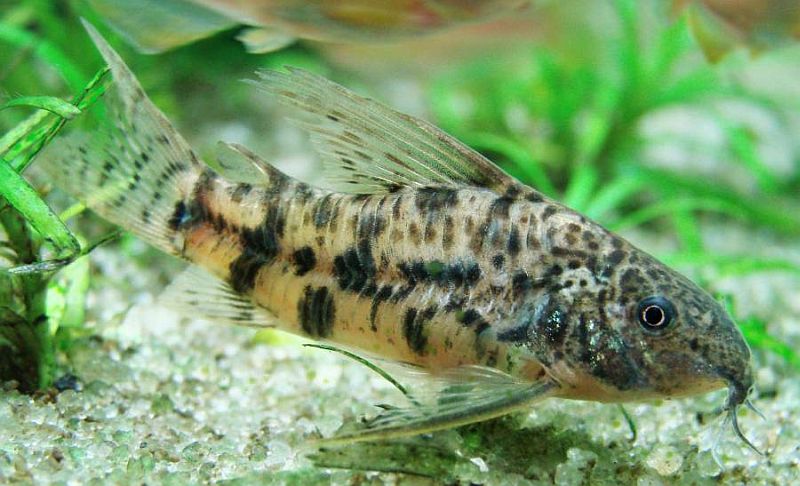
大鳍兵鲶(Scleromystax macropterus)雄鱼背鳍和胸鳍较长,花纹也更鲜明。它需要偏凉的水温,雄鱼之间会产生领地冲突,因此群养时既要看总数量,也要留意雄鱼比例与可用空间。
分布与栖息地
分布于巴西南部圣保罗、巴拉那、圣卡塔琳娜等沿海州的小河,以及巴拉圭境内巴拉那河流域的部分支流。多数采集自直接流入大西洋的小型黑水溪流,也会利用路边沟渠等环境。
饲养环境
底面积至少约 120 × 45 cm。细沙较理想,保持非常洁净的圆滑砾石也可使用。布景可按喜好安排,但必须有遮蔽,尤其打算保留两条或更多雄鱼时。不要忽视本种偏凉的温度需求。
食性与喂食
沉底干粮可搭配红虫、水蚯蚓等小型活饵或冻饵。多样食物有助于维持体况,应主动投喂,不能让它只靠别的鱼漏食,也不能把它当作清洁工具。
习性与混养
除了雄鱼间有一定领地冲突外,性情相对温和。较小的缸不宜合养多条雄鱼,即使有遮蔽也不能忽略空间限制。
雌雄区分
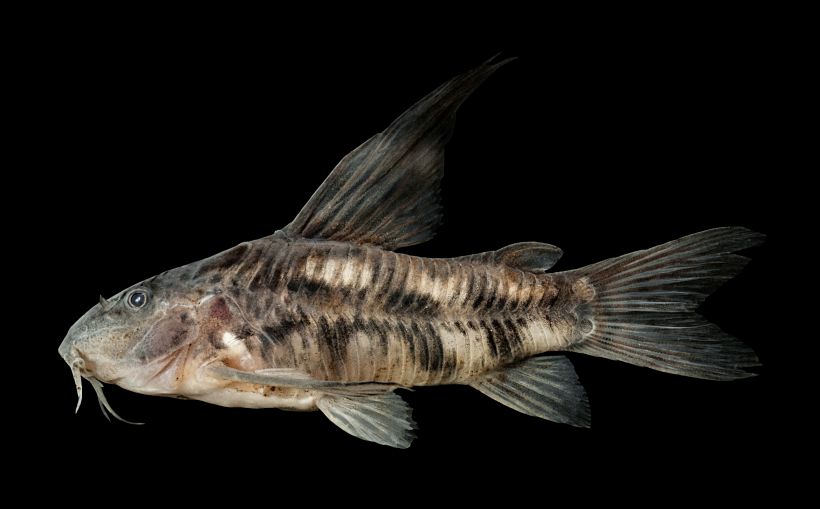
雄鱼斑纹更鲜明,胸鳍及背鳍比雌鱼更长。
繁殖
以一雄配一雌,避免多雄互斗影响繁殖。雌鱼明显抱卵后,可通过较凉水进行约 50%~70% 换水,增加供氧、水流来刺激产卵,按需要重复。
卵可附着于缸壁、细叶植物或沉水产卵拖把,拖把便于移卵。产后分开亲鱼与卵,另设容器时用同缸水并保持供氧,注意防止霉卵扩散。约 3~4 天孵化,卵黄吸收后喂微虫或丰年虾无节幼体。鱼苗养育对水质要求高,薄沙底似乎比裸底更少出现健康问题。
补充说明
身体覆有骨板而非鳞片,偶尔上浮吞气属于辅助呼吸。胸鳍硬刺可以刺穿皮肤,操作时需小心;基部腺体分泌物可能带轻微毒性,但这一点应保留不确定性。种名所指的长鳍,在成年雄鱼上尤其明显。
图片
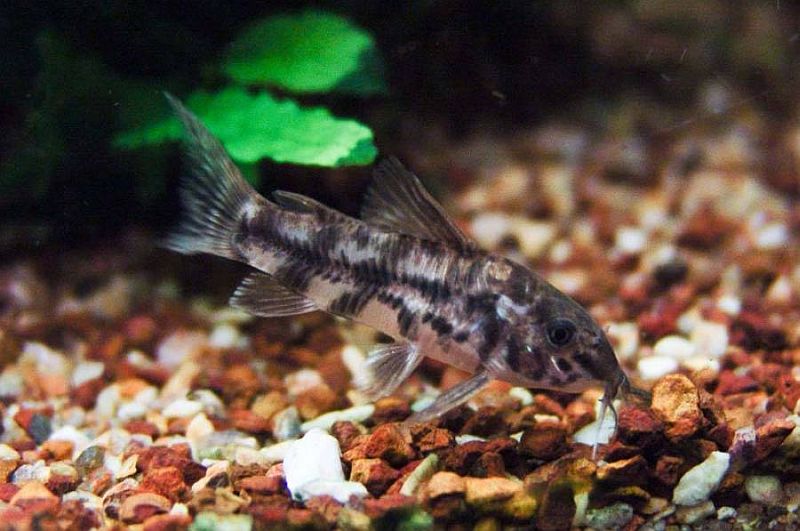
图片来自 SeriouslyFish,版权归各摄影者所有。
用药风险
按有效成分禁忌与本物种特征自动判断;物种特征未知时不会命中,不代表安全。
English
Overview
Extended dorsal and pectoral fins help identify male Scleromystax macropterus. This cool-water armored catfish is generally mild, but males may dispute territories. Space and sex ratio therefore matter as much as the number of fish in a group.
Distribution & habitat
It is known from small rivers in the southern Brazilian coastal states of São Paulo, Paraná, and Santa Catarina, and from Paraná-basin tributaries in Paraguay. Most collections come from small blackwater streams flowing directly to the Atlantic, although roadside ditches are also used.
Aquarium setup
Provide a minimum footprint around 120 × 45 cm. Fine sand is preferable, with thoroughly cleaned smooth gravel an alternative. Other decor is flexible, but shelter is important, particularly if several males are contemplated. Respect the species' preference for cool conditions.
Diet & feeding
Combine sinking dry foods with small live or frozen items, including bloodworms and Tubifex. Feed directly and offer variety. It should not be left to survive on food missed by other fish or expected to perform aquarium maintenance.
Behaviour & compatibility
Male-to-male territorial behavior is the main limitation; otherwise the species is relatively peaceful. Several males should not share a smaller tank, even if hiding places are present.
Sexual dimorphism
Males have more vivid patterning and longer dorsal and pectoral fins than females.
Breeding
Pair one male with one female to avoid rival males focusing on each other. A female full of eggs can be stimulated with a cooler water change of around 50–70%, increased aeration, and additional flow, repeating if necessary.
Eggs attach to glass, fine plants, or submerged spawning mops. Mops make transferring the clutch easier. Separate eggs and adults after spawning. Use matching water and ample oxygenation in a separate hatching container, and manage fungal losses. Eggs usually hatch in about 3–4 days. Once the yolk is absorbed, offer microworms or Artemia nauplii. Excellent water quality is needed during rearing, and a thin sand layer appears helpful compared with a bare floor.
Notes
Bony plates replace scales, while occasional air gulps supplement respiration. The pectoral spines can pierce skin and should be handled carefully. Secretions near their bases may be mildly toxic, though this remains uncertain. The long fins reflected in the species name are particularly evident in mature males.
来源
- https://www.seriouslyfish.com/species/scleromystax-macropterus(抓取于 2026-10-10)
scleromystax-macropterus · 文件: data/species/scleromystax-macropterus.md · 状态: 草稿