须美鲶 · Banded 'Cory'
概要
| 字段 | 值 |
|---|---|
| 类别 | 鱼 |
| 学名 | Scleromystax barbatus |
| 别名 | 头点兵鲶、鬚美鯰、頭點兵鯰、Callichthys barbatus、Corydoras barbatus、Corydoras eigenmanni、Corydoras kronei |
| 分类 | 鲶形目 Siluriformes › 美鲶科 Callichthyidae › Scleromystax |
| 水体 | 淡水 |
| 原产地 | 巴西 |
| 成体体长 | 10 cm |
| 饲养难度 | 入门 |
| 最小水体 | 243 L |
| 最小缸长 | 120 cm |
| 群居方式 | 群游 |
| 外部数据 | seriouslyfish scleromystax-barbatus;fishbase 12161 |
| 领地性 | 是 |
| 繁殖方式 | 附着产卵 |
水质参数
| 参数 | 耐受范围 | 最适范围 | 单位 |
|---|---|---|---|
| 水温 | 16–24 | — | °C |
| pH | 5.5–7.5 | — | — |
| 总硬度 | 1–12 | — | dGH |
概述
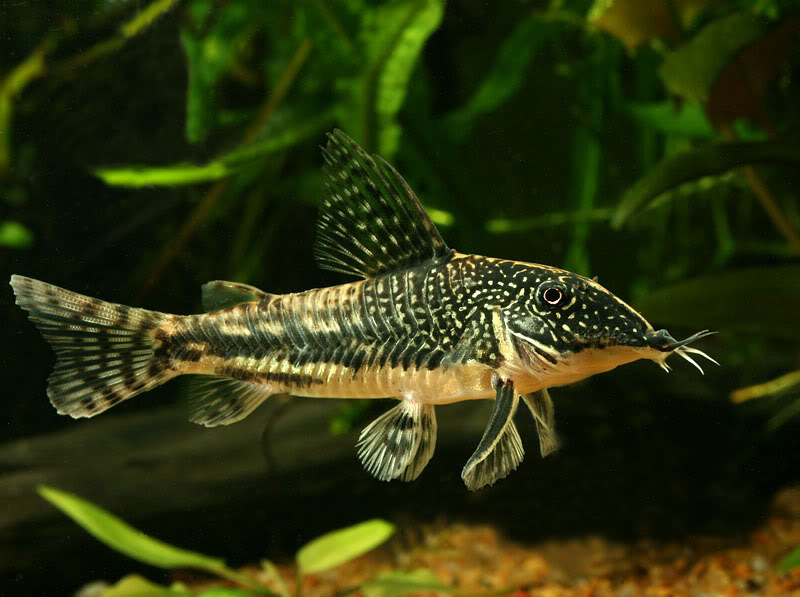
须美鲶(Scleromystax barbatus)是体型较大的鼠鱼类,雄鱼脸侧有胡须状刚毛,头部花纹也较醒目。它并非所有同类都能和平相处:雄鱼之间领地争斗强烈,小缸中不能简单合养多雄。
分布与栖息地
来自巴西东南沿海河流,记录涉及里约热内卢至圣卡塔琳娜之间的 Guapi、Capivari 和 Inbomirim 等河支流。虽然水系靠海,它只生活在淡水中,生境为小型流水溪流及静水池,底部有沙、细卵石和泥。
饲养环境
底面积至少约 120 × 45 cm。细沙理想,洁净圆滑砾石也可使用。提供充足遮蔽,若考虑多雄,遮蔽和空间尤其重要,不能把普通鼠鱼的群养方式直接套用过来。
食性与喂食
可提供沉底干粮、小型活饵及冻饵,如红虫和水蚯蚓,保持多样化并确保能够吃到。不应只靠其他鱼剩余的食物,更不能用它代替底床清洁。
习性与混养
除雄鱼相互之间的强烈领地冲突外,整体相对温和。较小水族箱内不要同时保留多条雄鱼。
雌雄区分
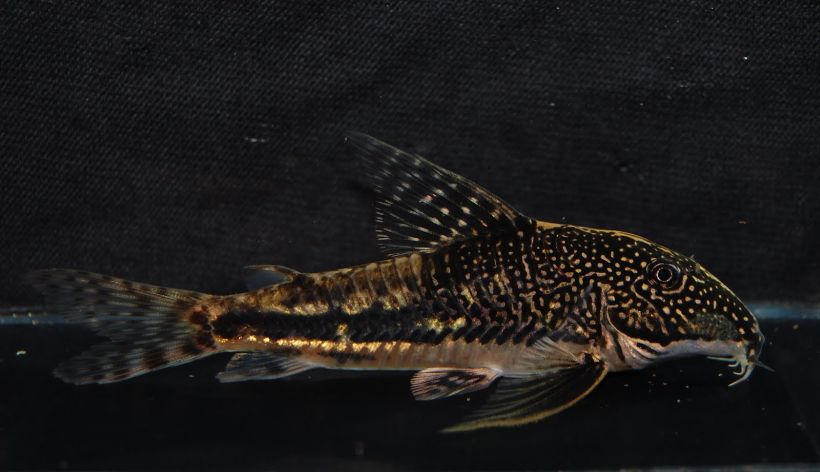
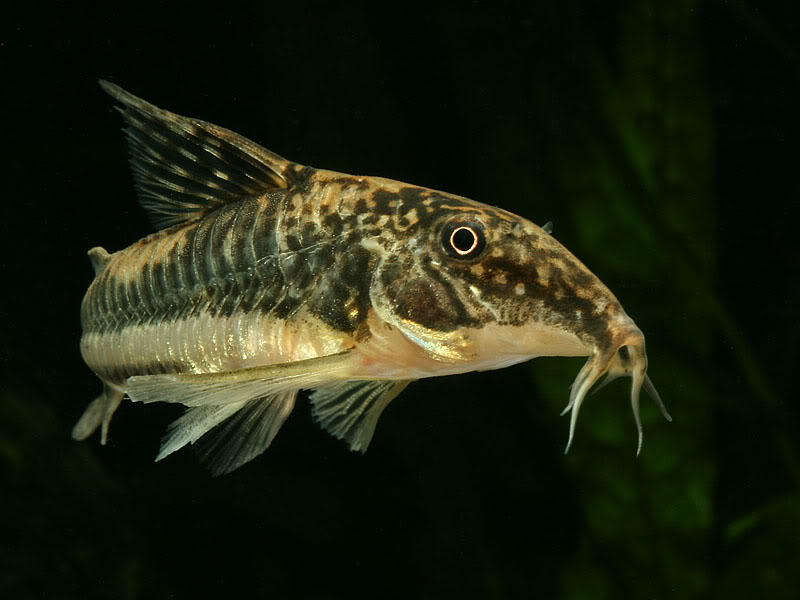
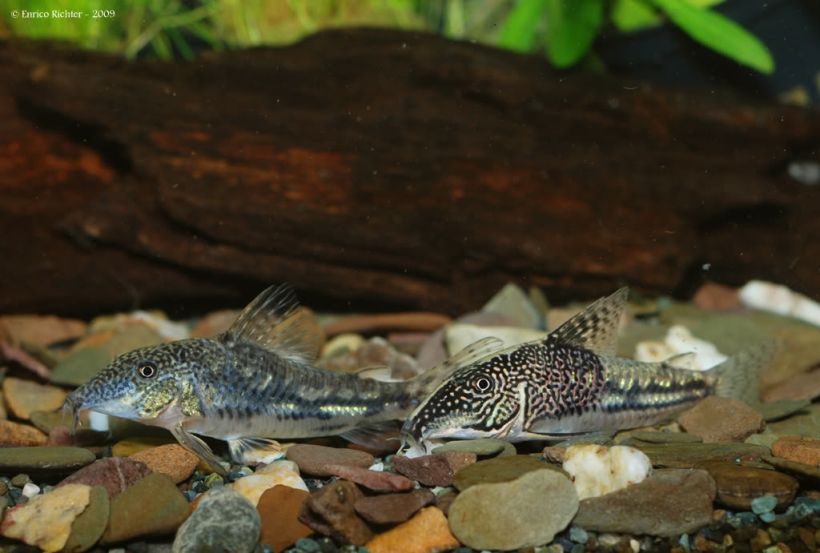
雄鱼额头黑底上有白色至金色条纹,头部斑点更清晰,面部刚毛呈胡须状。雌鱼略大,体形更圆,繁殖状态下尤其明显。
繁殖
采用一雄一雌,避免多雄把精力放在互斗上。雌鱼明显抱卵后,可用较凉水进行约 50%~70% 的换水,并增加供氧、水流,按需要重复。
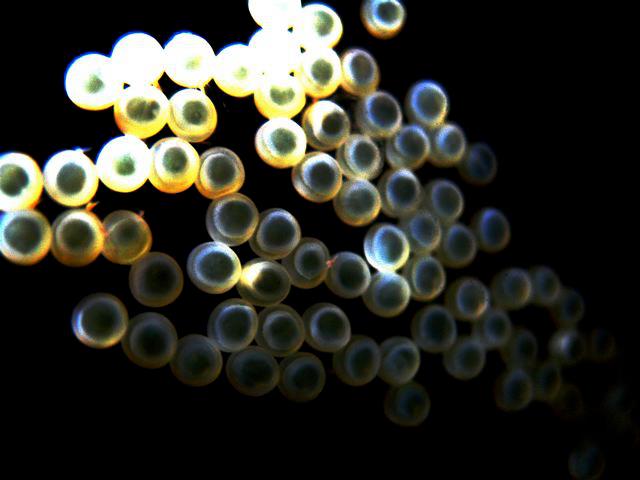
卵附着在缸壁、细叶植物或沉水产卵拖把上,拖把可方便移卵。产后把亲鱼和卵分开;另孵时使用同缸水,保持富氧并留意霉卵。约 3~4 天孵化,卵黄吸收后可吃微虫和丰年虾无节幼体。鱼苗需要很好的水质,薄沙底似乎有助于降低健康问题。
补充说明
胸鳍硬刺可以锁定,容易缠网或刺伤人,捕捞时避免挤压、勾挂。强烈应激下,刺基部释放的有毒物质可能在封闭空间伤害本鱼及同伴,转移时应尽量减少刺激。定期游到水面吞气是肠道辅助呼吸的一部分,应能自由到达水面。
本种曾归入兵鲶属,历史分类讨论很多,辨认时应同时核对现行学名和旧称。
图片
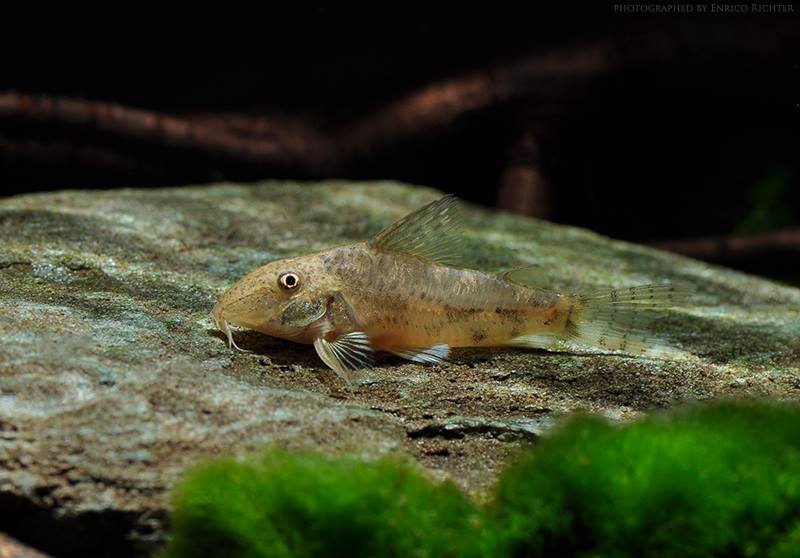
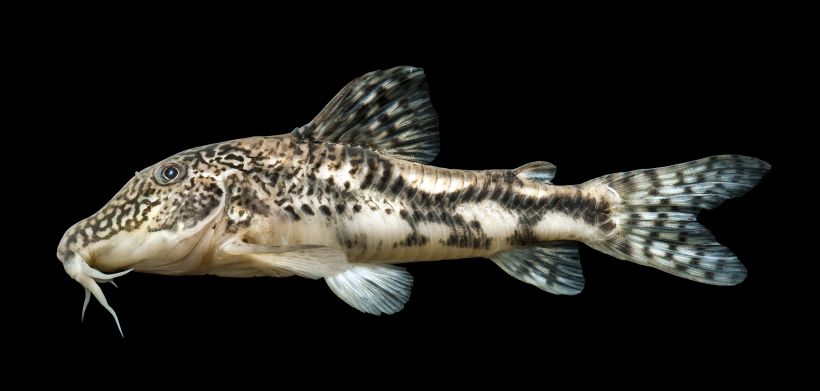
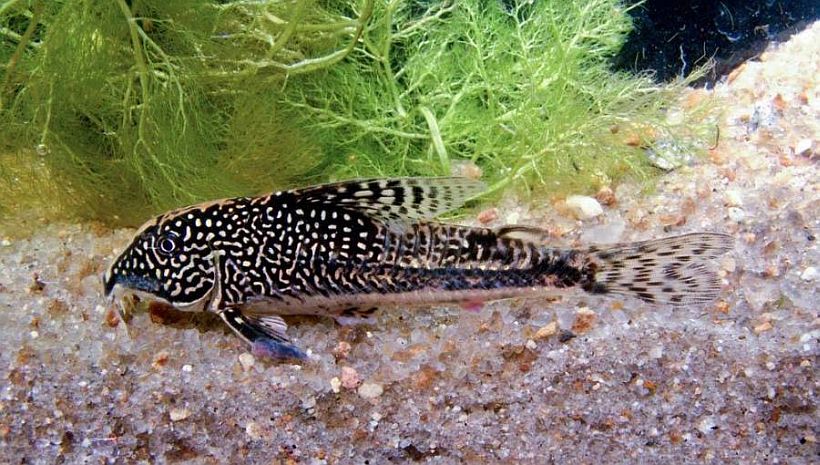
图片来自 SeriouslyFish,版权归各摄影者所有。
English
Overview
Prominent facial bristles and bold head markings distinguish male Scleromystax barbatus. This comparatively large cory-type catfish is generally mild toward other fish, but males can be intensely territorial with one another. Ordinary assumptions about peaceful cory groups do not apply to a small tank containing several males.
Distribution & habitat
It occurs in southeastern Brazilian coastal drainages between Rio de Janeiro and Santa Catarina, including tributaries of the Guapi, Capivari, and Inbomirim. Despite the coastal setting, it is strictly freshwater. Small flowing streams and still ponds provide sand or fine pebbles, often with mud.
Aquarium setup
Use a footprint of at least approximately 120 × 45 cm. Fine sand is ideal, while smooth gravel requires meticulous cleaning. Include cover, particularly if more than one male is being considered; shelter does not remove the need for adequate space.
Diet & feeding
Offer sinking dry foods with small live or frozen invertebrates such as bloodworms and Tubifex. Provide variety and ensure direct access to meals. Neither tankmates' leftovers nor a supposed aquarium-cleaning role meets its feeding needs.
Behaviour & compatibility
Male-to-male territorial aggression is the principal concern. Do not combine males in smaller aquaria. Outside this conflict, the fish is relatively peaceful.
Sexual dimorphism
Males show a pale white-to-gold forehead stripe on black, more distinct head spotting, and beard-like facial bristles. Females are slightly larger and rounder, especially in breeding condition.
Breeding
Use one male with one female so rivals do not concentrate on fighting. Once the female is visibly full of eggs, a cooler water change of approximately 50–70%, with increased flow and oxygenation, may encourage spawning. Repeat stimulation as needed.
Eggs attach to glass, fine vegetation, or submerged spawning mops. Mops make collection convenient. Separate the adults and eggs afterward; any hatching container should contain matching water with good aeration and management of fungal losses. Hatching normally takes about 3–4 days. Microworms and Artemia nauplii are accepted after yolk absorption. Rearing demands excellent water quality, and a thin sand layer appears beneficial compared with a bare floor.
Notes
The pectoral spine can lock in position, snagging nets or causing punctures. Avoid pressure and entanglement during capture. Severe stress can lead to release of a toxic substance near the spine base, potentially harming the fish and companions in confined water. Periodic surface gulps support intestinal air breathing, so maintain access to the surface.
The species was formerly placed in Corydoras; older names remain relevant when checking identification.
来源
- https://www.seriouslyfish.com/species/scleromystax-barbatus(抓取于 2026-10-10)
scleromystax-barbatus · 文件: data/species/scleromystax-barbatus.md · 状态: 草稿