泰国南鳅
概要
| 字段 | 值 |
|---|---|
| 类别 | 鱼 |
| 学名 | Schistura nicholsi |
| 别名 | 尼氏南鳅、泰國南鰍、尼氏南鰍、Nemacheilus nicholsi、Nemacheilus thai、Schistura thai、Schistura laterimaculata |
| 分类 | 鲤形目 Cypriniformes › 条鳅科 Nemacheilidae › Schistura |
| 水体 | 淡水 |
| 原产地 | 柬埔寨、老挝、泰国 |
| 成体体长 | 7.4 cm |
| 饲养难度 | 中等 |
| 最小水体 | 108 L |
| 最小缸长 | 120 cm |
| 群居方式 | 群游 |
| 水流偏好 | 高 |
| 外部数据 | seriouslyfish schistura-nicholsi;fishbase 26848 |
水质参数
| 参数 | 耐受范围 | 最适范围 | 单位 |
|---|---|---|---|
| 水温 | 20–26 | — | °C |
| pH | 6–7.5 | — | — |
| 总硬度 | 2–12 | — | dGH |
概述
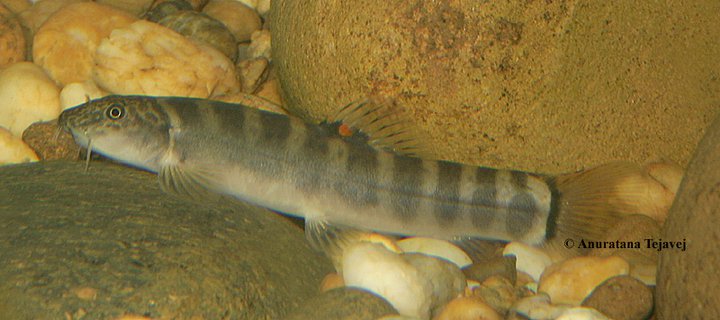
泰国南鳅(Schistura nicholsi)体侧有较整齐的宽暗纹,偶尔进入水族贸易,但名称常被误用于其他鱼。它对流水环境和混养对象要求较专门,不能直接作为普通社区缸的小型底栖鱼加入。
分布与栖息地
主要记录来自老挝和泰国的湄公河流域,柬埔寨分布仍有待确认。部分旧记载把范围限定为湄南河,与其他资料存在冲突。
自然栖地为清澈、富氧的支流与源头溪流,底部由粗砂、砂砾及石块组成,常有森林遮蔽。水量、流速和浑浊度随季节变化;泰国一处地点为中等偏快水流的卵石浅滩。
饲养环境
用砂、细砾及大小圆石模拟河床,沉木枝条增加洞隙和阴影并阻断视线,耐受的水草可附着在硬景观上。保持高溶氧和适度水流,不需制造猛烈冲击。
它不耐有机污染累积,过滤和每周部分换水不能省略。布局应让鱼能退开,而不是只有一个所有个体都争抢的藏身处。
食性与喂食
同属鳅主要摄入小型动物,兼有少量植物和有机碎屑。人工投喂可用大小适口的干饲料,每日搭配水蚤、丰年虾、红虫等活饵或冷冻饵料,以维持体况和颜色。
习性与混养
不宜与慢游、长鳍或过分温顺的底栖鱼组合,外形相近的其他鳅也可能引发争执。适应流水、主要在开阔水层活动的温和鲤科鱼,以及相合的吸鳅较值得考虑。
并非紧密群居鱼,但结构丰富、空间足够时可以群养。同种争执会发生,小缸或缺乏遮挡时可能升级,仍应观察个体是否持续受压。
繁殖
曾在铺有混合粗底床的缸中自然繁殖,幼鱼在成鱼旁出现,最终只找回七条。亲鱼似乎会吃卵及鱼苗,但这一数量不应视作正常产卵量或固定存活率。
补充说明
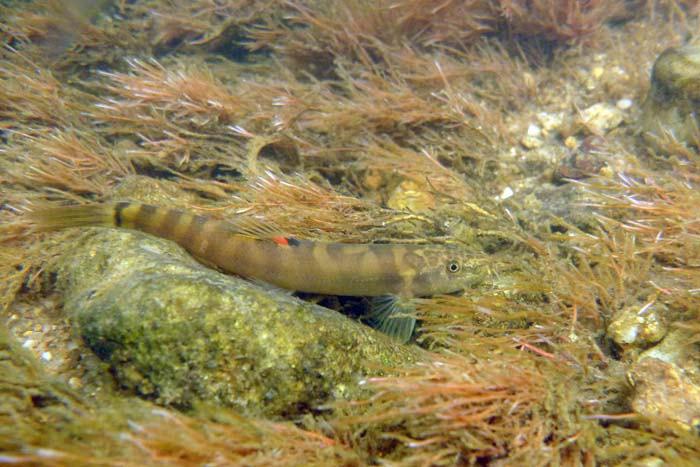
体侧通常有八至十道较规则、比浅色间隔更宽的暗纹,尾鳍基部黑带完整,尾鳍有时发红,侧线通常不完整。识别需结合这些特征和来源,不能只凭商品名称。
图片
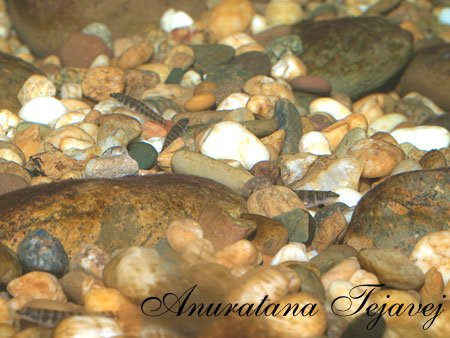
图片来自 SeriouslyFish,版权归各摄影者所有。
English
Overview
Schistura nicholsi is an occasionally traded loach with fairly regular broad dark bars. Its name has often been misapplied to other fishes. Specialized environmental needs make it unsuitable as an automatic addition to an ordinary community.
Distribution & habitat
Most records concern the Mekong system in Laos and Thailand, with Cambodian occurrence still uncertain. A conflicting account restricts it to the Chao Phraya and should not be treated as a settled range description.
It inhabits clear, oxygenated tributaries and headwaters over sand, gravel, and rocks, often with forest shade. Seasonal weather changes flow and turbidity. One Thai locality consisted of shallow pebble riffles with moderately fast water.
Aquarium setup
Use sand, fine gravel, varied smooth rocks, and branches to create shaded gaps and visual barriers. Hardy attached plants are an option. Maintain high oxygen availability and suitable circulation without extreme torrent conditions.
Effective filtration and regular weekly partial changes are needed to limit organic pollution. Provide several escape routes and refuges rather than a single contested hiding place.
Diet & feeding
Related loaches consume mostly small animal prey with lesser plant material and detritus. Offer suitable dry products together with daily small live or frozen foods such as water fleas, brine shrimp, and bloodworms.
Behaviour & compatibility
Avoid slow or long-finned fishes and very placid bottom dwellers. Similar-shaped loaches are also risky. Peaceful open-water cyprinids adapted to flowing habitats and compatible hillstream loaches are better possibilities.
A group can coexist among plentiful structures, although it is not a tightly social species. Disputes can become serious in cramped or bare aquariums, so monitor subordinate individuals.
Breeding
Young have appeared naturally beside adults in an aquarium with a coarse mixed bottom. Only seven were recovered, and adults apparently consumed eggs and fry. That number is not an established brood size or survival rate.
Notes
Typical clues include eight to ten broad dark bars, a complete tail-base band, a sometimes reddish tail, and an often incomplete lateral line. Combine these features with origin information when checking a trade identification.
来源
- https://www.seriouslyfish.com/species/schistura-nicholsi(抓取于 2026-10-10)
schistura-nicholsi · 文件: data/species/schistura-nicholsi.md · 状态: 草稿