丹尼森南鳅
概要
| 字段 | 值 |
|---|---|
| 类别 | 鱼 |
| 学名 | Schistura denisonii |
| 别名 | 丹尼森南鰍、Nemacheilus denisonii、Nemacheilus chryseus、Nemachilus dayi、Noemacheilus denisoni pambaensis、Noemacheilus rendahli |
| 分类 | 鲤形目 Cypriniformes › 条鳅科 Nemacheilidae › Schistura |
| 水体 | 淡水 |
| 原产地 | 印度 |
| 成体体长 | 5.2 cm |
| 饲养难度 | 中等 |
| 最小水体 | 68 L |
| 最小缸长 | 75 cm |
| 群居方式 | 群游 |
| 领地性 | 是 |
| 水流偏好 | 高 |
| 外部数据 | seriouslyfish schistura-denisonii;fishbase 24546 |
| 性情 | 半攻击性 |
水质参数
| 参数 | 耐受范围 | 最适范围 | 单位 |
|---|---|---|---|
| 水温 | 18–24 | — | °C |
| pH | 6–7.5 | — | — |
| 总硬度 | 2–12 | — | dGH |
概述
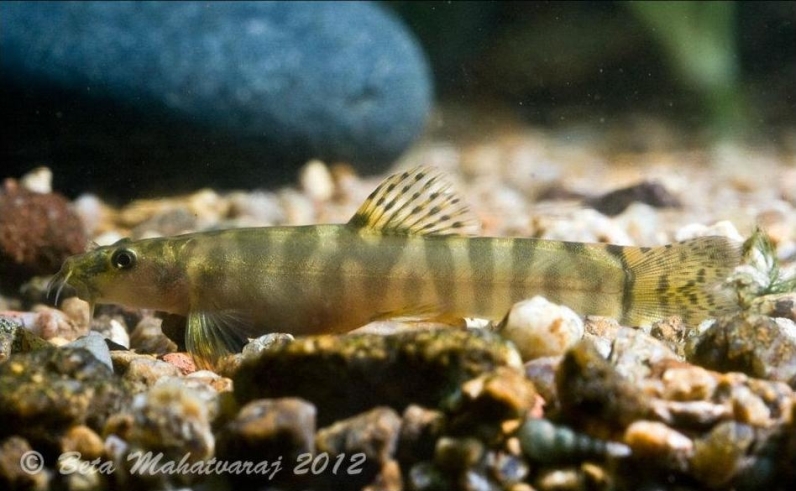
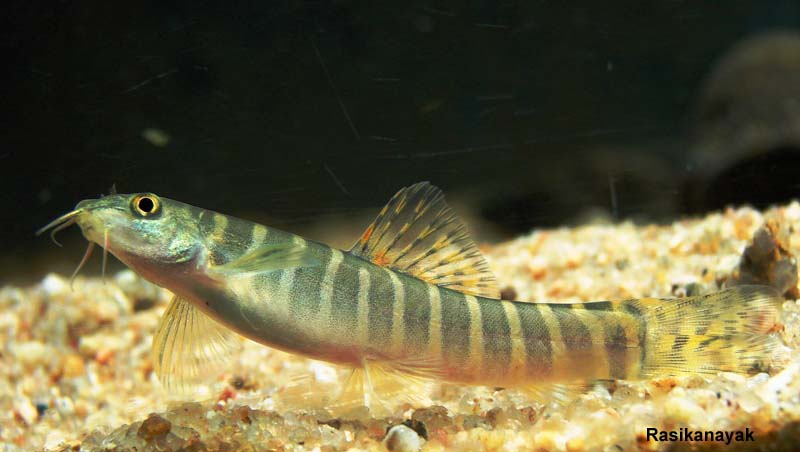
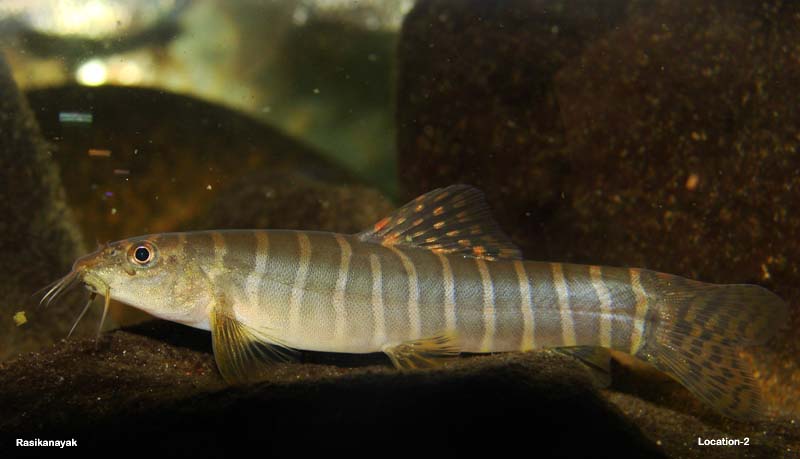
丹尼森南鳅(Schistura denisonii)是一种争斗性较强的溪流鳅,定居后会防守洞穴,不适合普通安静混养缸。体侧横纹的数量和排列变化很大,可能涉及多个近似种,来源信息比单一花纹更值得保留。
分布与栖息地
模式产地为印度南部高韦里河水系的巴瓦尼河,位于西高止山脉一带。相似鱼在西高止多地出现,完整分布仍未厘清;印度北部拉贾斯坦邦记录需要进一步核实。
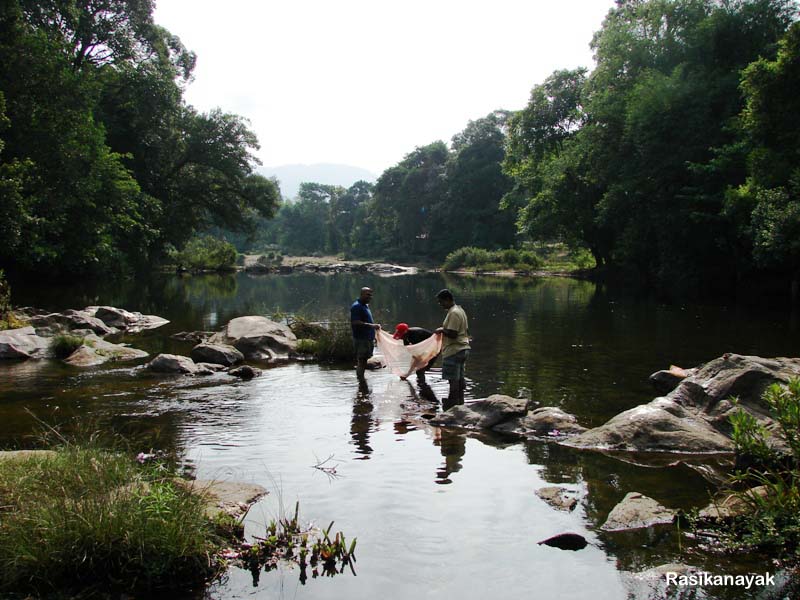
自然环境是清澈、富氧的源头溪流,常受森林遮蔽,底部为粗砂、砂砾和大小石块。季风期间流速与浑浊度变化明显,一些栖地受到污染、采砂和外来种影响。
饲养环境
用石块、细砂、砂砾及沉木枝条模拟溪流,形成多个洞隙、阴影和视线屏障。可点缀耐受的附生水草。每条鱼需要能防守和退避的独立空间,避免藏身处全部集中在一角。
维持充足溶氧和适度水流,不必制造持续激流;保持过滤有效并规律每周部分换水,防止有机废物累积。
食性与喂食
同属溪流鳅通常摄入以小型动物为主、兼有少量植物与碎屑的食物。缸中可用适口干饲料搭配每日的小型活饵或冷冻饵料,如水蚤、丰年虾和红虫。它可能冲起截取随流而来的食物,应兼顾不同躲藏位置的鱼都能吃到。
习性与混养
本种性情较强,慢游、长鳍和特别温顺的底栖鱼不适合。可考虑同样适应流水、主要在开阔水层活动的鲤科鱼或合适的吸鳅。外形相近的其他鳅通常不宜混入。
可以在空间充分、岩石结构丰富的缸内群养,但并不属于紧密群居鱼。争执难以完全避免,小缸和裸露布置会使攻击升级,应给个体留出逃离视线的路径。
雌雄区分
性成熟雄鱼似乎会出现较发达的唇和口部,这一线索仍带不确定性,不宜单独用于幼鱼分性。
补充说明
旧资料可能把本种放在其他条鳅属中。体纹在同一群体内及不同产地之间都有变化,不能把横纹条数直接对应为固定色型或新种。水族繁殖尚无记录。
图片
图片来自 SeriouslyFish,版权归各摄影者所有。
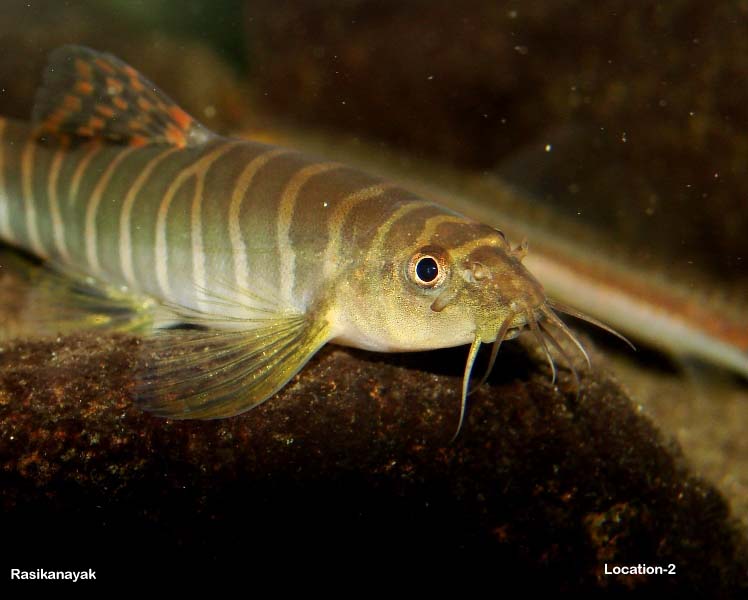
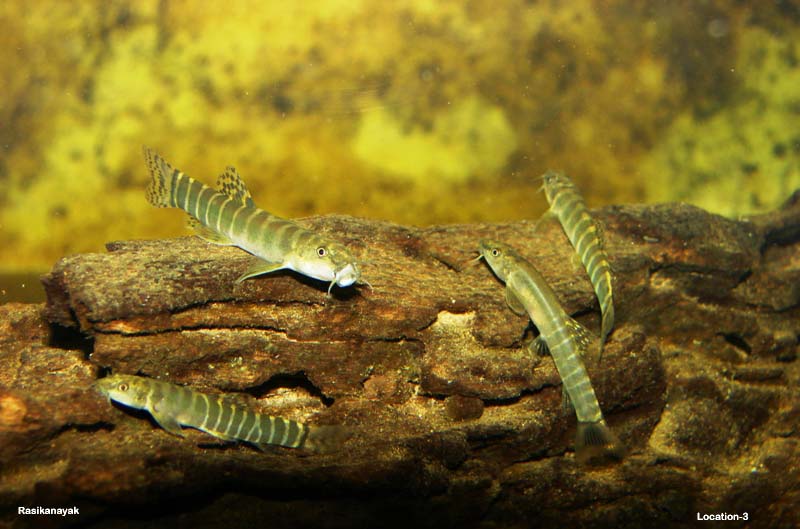
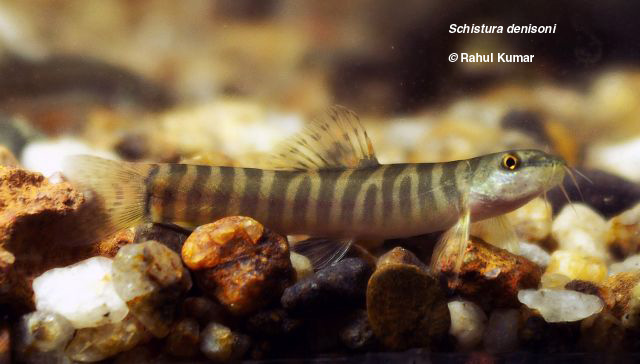
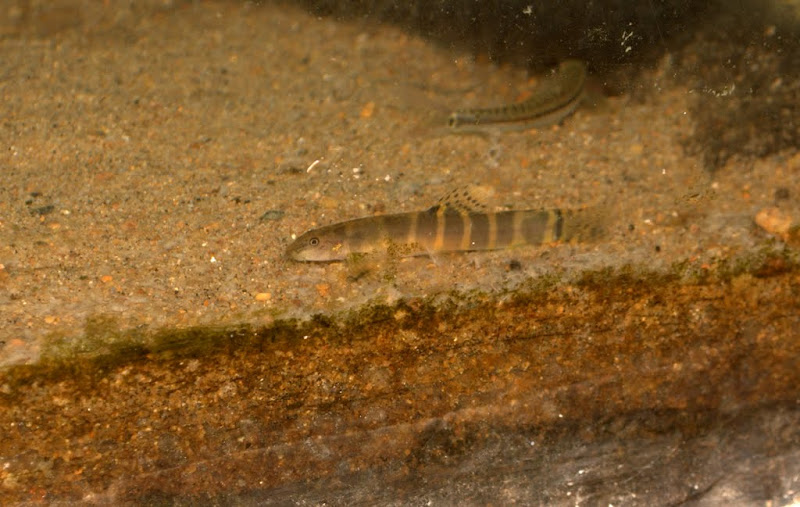
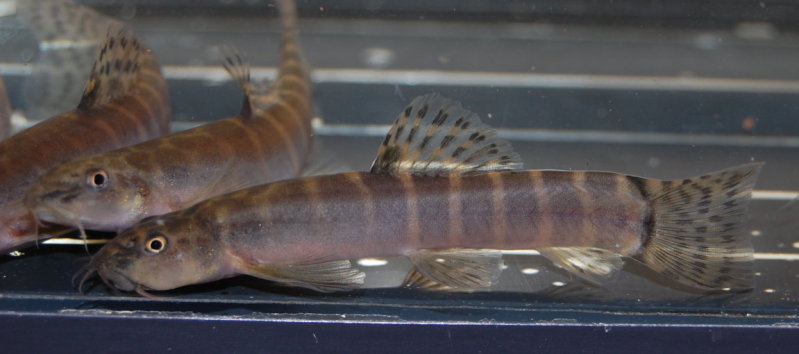
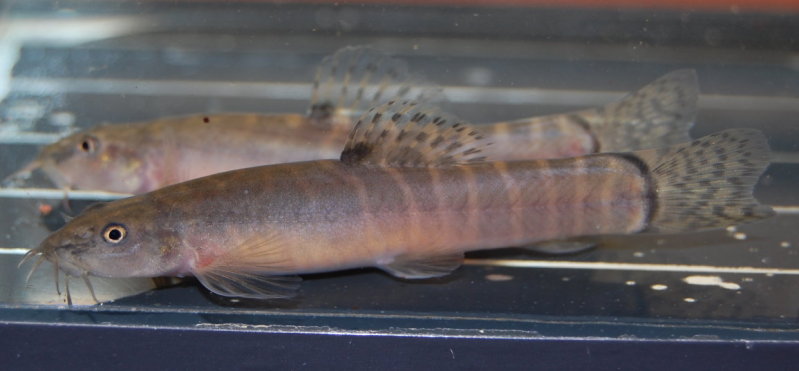
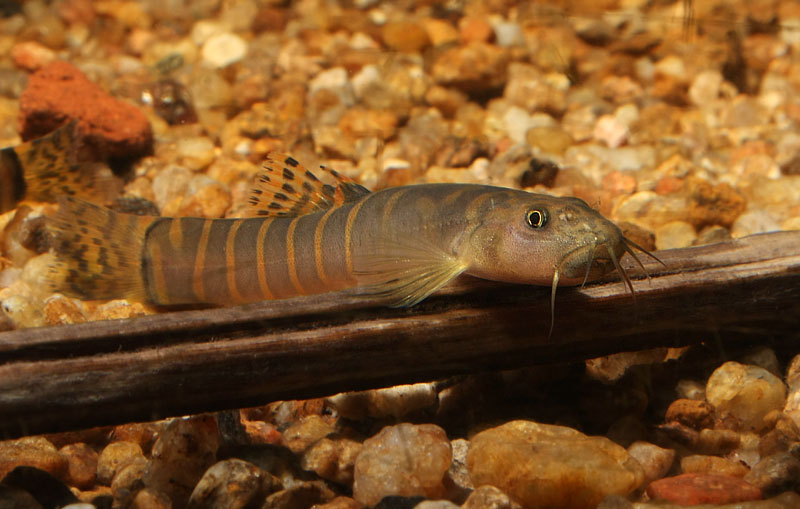
English
Overview
Schistura denisonii is a feisty stream loach that defends a chosen shelter. It is a poor choice for a quiet general community. Its highly variable body bars may conceal a species complex, so locality information is more useful than relying on one pattern feature.
Distribution & habitat
The type locality is the Bhavani River in southern India's Cauvery system. Similar fishes occur widely in the Western Ghats, leaving the full range uncertain. Northern Indian records from Rajasthan require further investigation.
Clear, oxygen-rich headwaters with forest shade and bottoms of sand, gravel, and rocks are typical. Monsoon weather alters flow and turbidity. Pollution, sand extraction, and introduced species affect some habitats.
Aquarium setup
Combine stones, sand, gravel, and branches into separate shaded refuges with broken sightlines. Hardy attached plants are possible. Distribute shelter throughout the aquarium rather than concentrating it in one contested location.
Maintain good oxygenation and circulation without needing extreme torrent conditions. Effective filtration and regular weekly partial changes prevent organic waste from accumulating.
Diet & feeding
The genus is described as taking mainly small animal prey plus lesser plant material and detritus. Offer suitable dry foods with daily small live or frozen items such as water fleas, brine shrimp, and bloodworms. Fish may dart into the current to intercept food; ensure occupants of different refuges can feed.
Behaviour & compatibility
Slow, long-finned fishes and overly placid bottom dwellers are unsuitable. Peaceful open-water cyprinids from flowing habitats and appropriate hillstream loaches are better options. Similar-shaped loaches generally should not be combined with it.
A group may coexist in a sufficiently large, complex aquarium, although it is not tightly social. Disputes remain possible and can become serious in small or bare setups. Escape routes and visual separation are important.
Sexual dimorphism
Mature males apparently develop enlarged lips and mouthparts. This is a tentative clue and is not sufficient for reliable sexing of juveniles.
Notes
Older accounts may place this fish in another loach genus. Body-bar variation occurs both among localities and within populations, so a particular bar count does not establish a separate form or species. Aquarium breeding is unreported.
来源
- https://www.seriouslyfish.com/species/schistura-denisonii(抓取于 2026-10-10)
schistura-denisonii · 文件: data/species/schistura-denisonii.md · 状态: 草稿