Schistura cf. balteata · Sumo Loach II
概要
| 字段 | 值 |
|---|---|
| 类别 | 鱼 |
| 学名 | Schistura cf. balteata |
| 分类 | 鲤形目 Cypriniformes › 条鳅科 Nemacheilidae › Schistura |
| 水体 | 淡水 |
| 原产地 | 缅甸与泰国西部阿塔兰河水系,泰国段称卡萨河 |
| 成体体长 | 8 cm |
| 饲养难度 | 中等 |
| 最小水体 | 81 L |
| 最小缸长 | 90 cm |
| 群居方式 | 群游 |
| 水流偏好 | 高 |
| 外部数据 | seriouslyfish schistura-cf-balteata |
| 领地性 | 是 |
| 特征 | 翻底砂: 是 |
水质参数
| 参数 | 耐受范围 | 最适范围 | 单位 |
|---|---|---|---|
| 水温 | 22–26 | — | °C |
| pH | 6.5–7.5 | — | — |
| 总硬度 | 2–12 | — | dGH |
概述
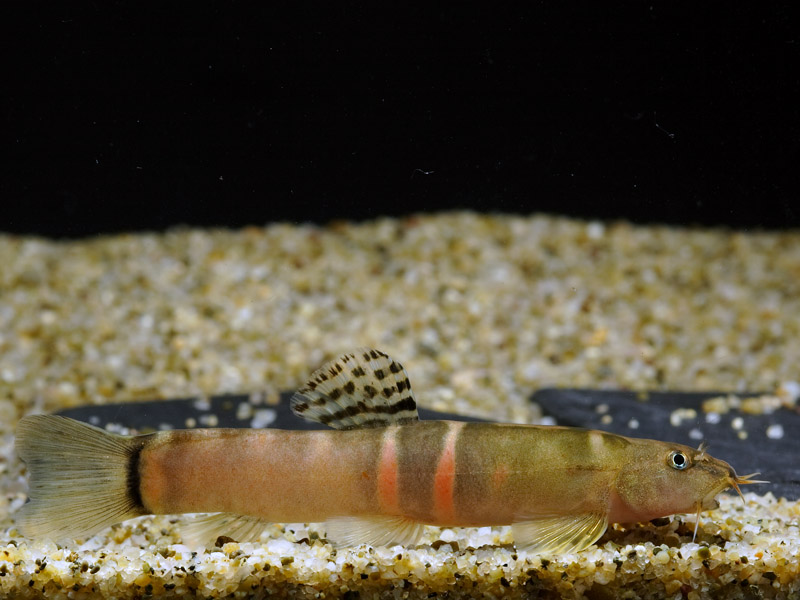
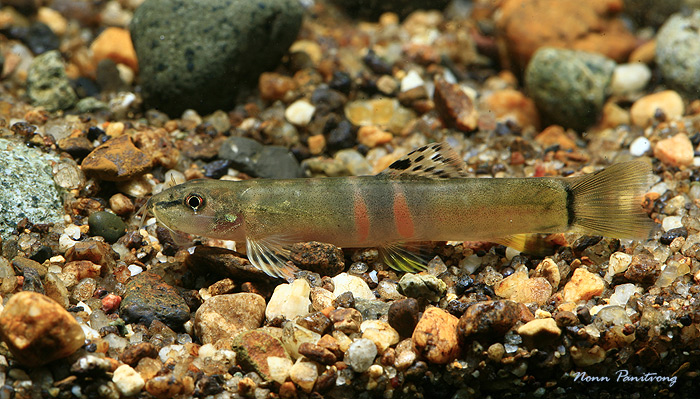
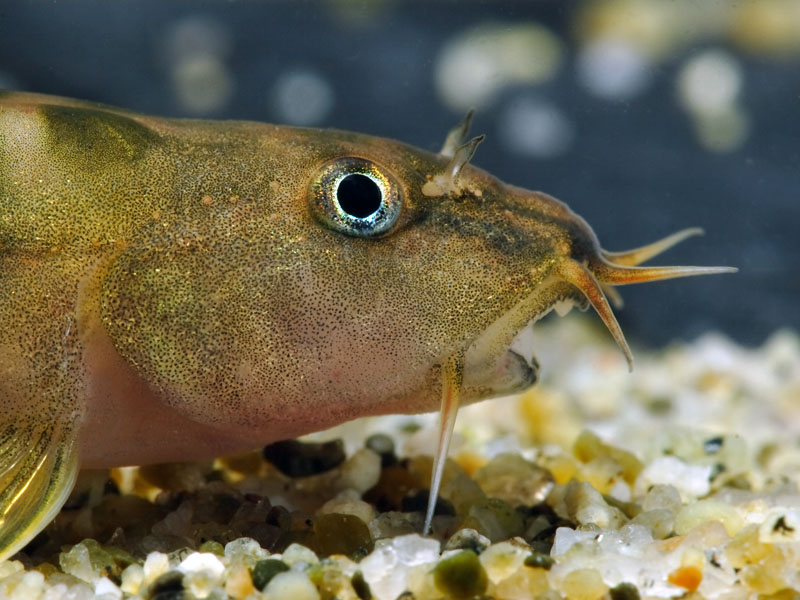
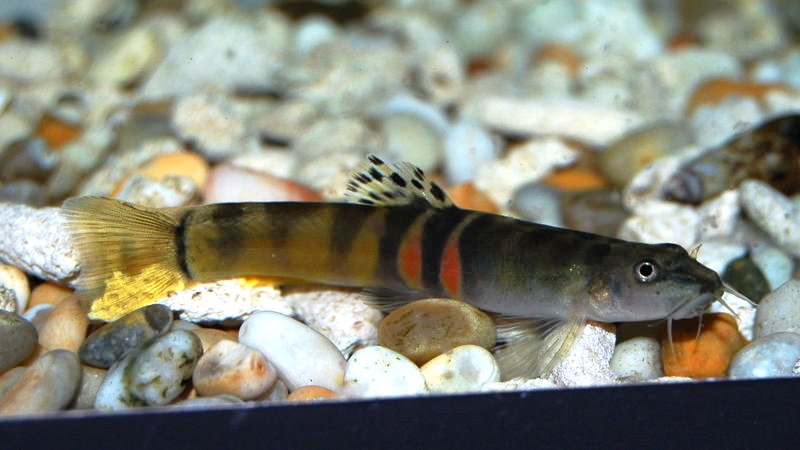
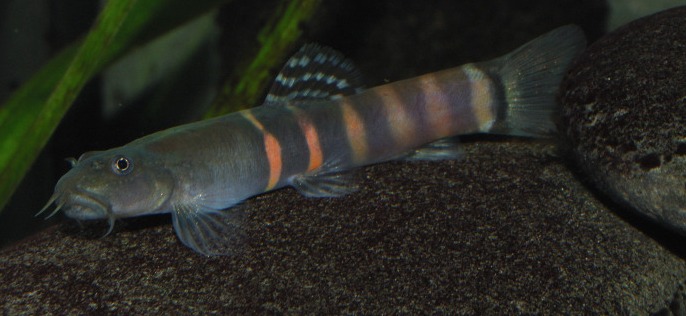
Schistura cf. balteata 是暂定身份的条鳅,体后半部可呈粉红或黄色,鲜艳程度和条带数量变化很大。它似乎比某些近似种温和,但仍会占据藏处并驱赶同种,不能按普通和平群游鱼安排。
分布与栖息地
采自缅甸克伦邦和孟邦的阿塔兰河流域,贸易来源据称多在克伦邦源头区;泰国北碧府桑卡拉武里也有分布,当地河名为卡萨河。
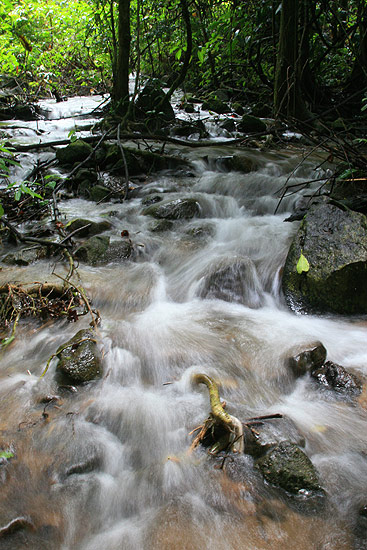
常见于清澈富氧的急流、源头溪流,甚至陡坡跌水,底部多粗砂砾石和大石。部分地点旱季会退成孤立静水池,但这不等于低氧静水适合作为常年养护环境。
饲养环境
即使小群也需要充足底面积,以砂砾、圆石和水磨大石构成河道,沉木枝条形成众多独立藏处并遮断视线。定居后个体往往固定守卫某个洞或阴影位,布景简单会加剧冲突。
高溶氧与一定水流很重要,但不必全缸极端急流。用过滤、造流和增氧配合,每周约三至五成换水,避免有机污染累积。强健附生植物可固定在石木上。
食性与喂食
同属鱼总体杂食但主要取微小动物,植物与碎屑较少。缸中可参考这一背景,用适口干粮配每日小型活饵和冷冻饵,不应只靠干粮;流水中也可能迅速冲出接食。
习性与混养
适合的伙伴应适应流水,开阔水层活动的温和小型鲤科鱼可帮助它更放心露面。避免长鳍、迟缓和安静底栖鱼;体形近似的其他条鳅也可能争洞,通常只有大缸才值得考虑。
它不是真正紧密群居鱼,但结构充分时可多尾同养。小缸或缺少遮挡时,同种攻击可能升级。
雌雄区分
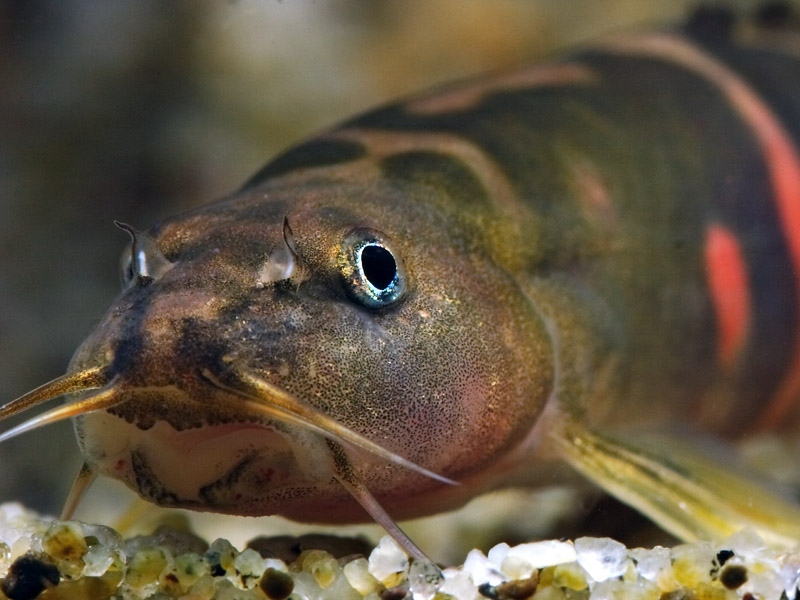
幼鱼难分性。同属成熟雄鱼常有较明显的脸颊轮廓,雌鱼尤其抱卵时可能更厚;这些线索不宜替代本暂定类型的可靠个体观察。粉红和黄色并不显示明确性别关联。
繁殖
已多次观察到在石下挖洞,这似乎与准备繁殖有关,但联系尚未证实。曾有鱼友在外滤筒和主缸中发现幼鱼,说明存在偶发成功经历,却不足以提供稳定繁殖流程。
补充说明
商品名称常与其他条纹鳅混用;本类型尾鳍基部有横贯的暗带。粉红或黄色后半身据称可在同域出现,原因未明,不能简单当作不同性别或必然不同物种。
图片
图片来自 SeriouslyFish,版权归各摄影者所有。
English
Overview
Provisionally identified as Schistura cf. balteata, this loach varies widely in color, including pink or yellow toward the rear. It seems milder than some look-alikes but still claims retreats and excludes rivals, so it is not an ordinary peaceful schooling fish.
Distribution & habitat
Records come from the Ataran drainage in Myanmar’s Kayin and Mon states and Sangkhla Buri in Thailand, where the river is called the Kasat. Trade collections reportedly favor the Kayin headwaters.
Habitats include clear oxygen-rich headwaters, rapid streams, and steep cascades over coarse sand and rock. Some localities contract into isolated pools during dry periods, which should not be treated as a preferred year-round captive condition.
Aquarium setup
Even a small group needs substantial floor area. Mixed sand, gravel, rounded rocks, boulders, and branches should create many separate retreats and broken sight lines. Settled fish often defend a particular cave, making sparse layouts prone to conflict.
Provide high oxygen and some flow without extreme current everywhere. Combine filtration, circulation, and aeration as needed, with weekly changes of roughly 30–50% to limit waste. Tough attached plants can be used.
Diet & feeding
The genus is broadly omnivorous but mainly exploits small animals. Use this as guidance for combining suitable dry products with daily small live or frozen foods. Related feeding behavior includes quick dashes after items moving in the current.
Behaviour & compatibility
Current-tolerant open-water cyprinids can provide reassuring companions. Avoid slow, long-finned, or placid bottom dwellers. Similarly shaped loaches may compete for retreats and are usually an option only in larger setups.
It is not strongly gregarious, although several can coexist with abundant structure. Small or sparsely furnished aquaria can allow conspecific aggression to escalate.
Sexual dimorphism
Juveniles are difficult to sex. Enlarged cheeks in mature males of the genus and fuller gravid females offer tentative clues. Pink versus yellow coloration has no established link to sex in this form.
Breeding
Excavation beneath rocks has been observed repeatedly and may precede spawning, although the connection is uncertain. An aquarist once recovered fry from an external filter and the main aquarium. This records an occasional success without establishing a dependable protocol.
Notes
Trade names overlap with other striped loaches. This form has a dark band across the tail base. Pink and yellow rear-body forms are reportedly sympatric, with their cause unresolved rather than clearly indicating sex or separate species.
来源
- https://www.seriouslyfish.com/species/schistura-cf-balteata(抓取于 2026-10-10)
schistura-cf-balteata · 文件: data/species/schistura-cf-balteata.md · 状态: 草稿