Satanoperca rhynchitis
概要
| 字段 | 值 |
|---|---|
| 类别 | 鱼 |
| 学名 | Satanoperca rhynchitis |
| 分类 | 慈鲷目 Cichliformes › 慈鲷科 Cichlidae › Satanoperca |
| 水体 | 淡水 |
| 原产地 | 法属圭亚那奥亚波克、阿普鲁阿格、卡乌、库鲁、孔泰、伊拉库博和锡纳马里河水系 |
| 成体体长 | 14.5 cm |
| 饲养难度 | 中等 |
| 最小水体 | 648 L |
| 最小缸长 | 180 cm |
| 群居方式 | 群游 |
| 性情 | 温和 |
| 外部数据 | seriouslyfish satanoperca-rhynchitis;fishbase 66554 |
| 繁殖方式 | 口孵 |
| 领地性 | 是 |
水质参数
| 参数 | 耐受范围 | 最适范围 | 单位 |
|---|---|---|---|
| 水温 | 22–28 | — | °C |
| 总硬度 | 2–12 | — | dGH |
概述
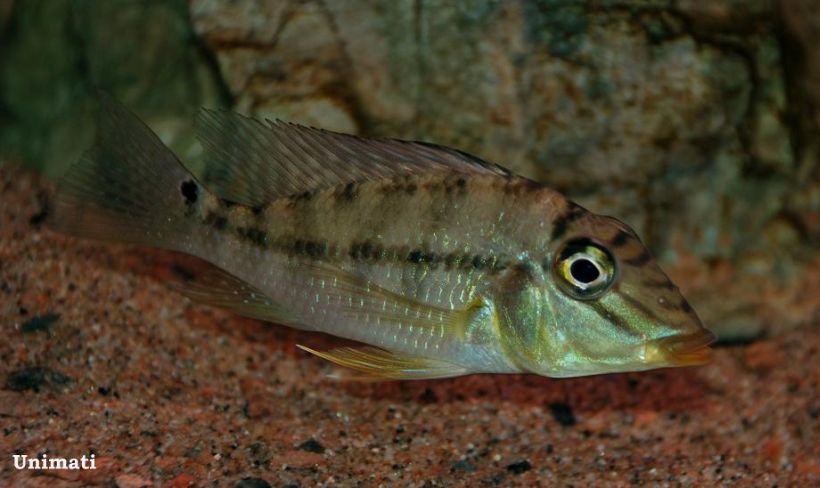
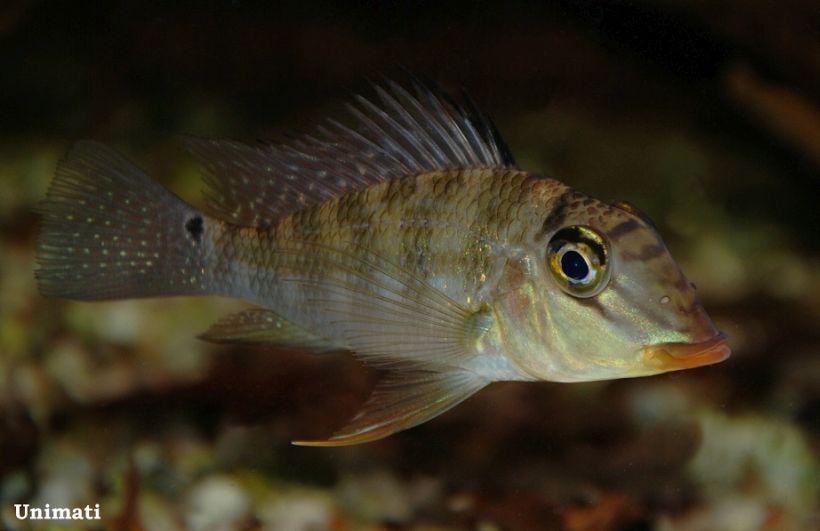
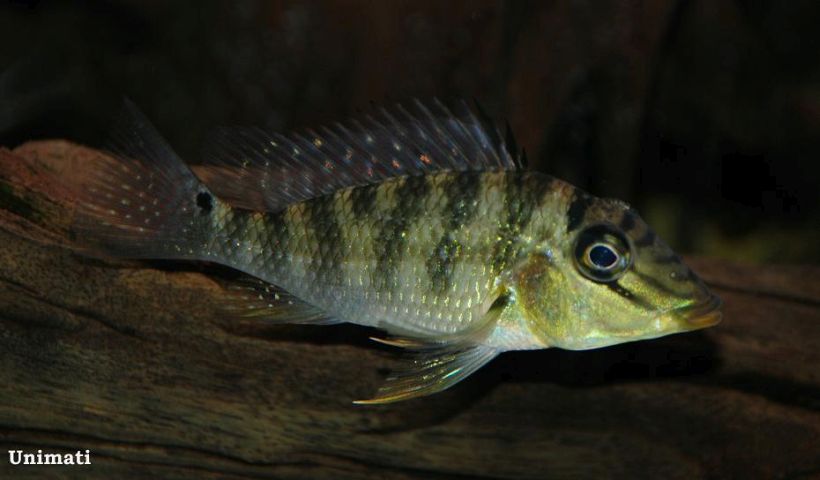
Satanoperca rhynchitis 成年时有红色嘴唇,头侧缺少白点虫纹,体侧也没有明显暗斑或纵带。它与巴西邻近地区的红唇种群存在鉴定争议,饲养和繁殖群应保留产地信息。
分布与栖息地
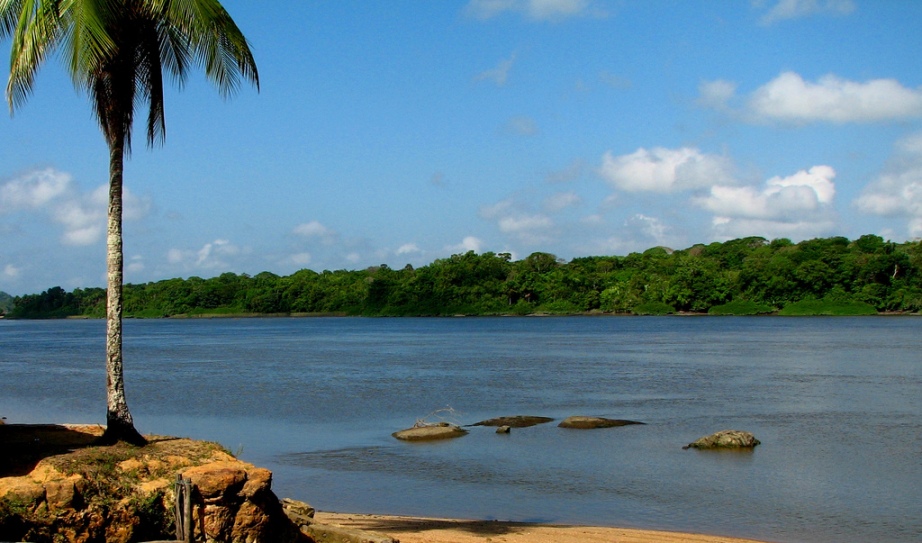
已知于法属圭亚那多个水系,包括奥亚波克、阿普鲁阿格、卡乌、库鲁、孔泰、伊拉库博和锡纳马里。所在地区雨季河流的深度、流量及浑浊程度可快速变化。它可能比同属其他鱼更偏好流水,但具体栖地尚未确定,不能据此强行设置全缸急流。
饲养环境
用细软砂供筛食,粗砾可能伤鳃、阻碍摄食或误吞。柔和光线、沉木和根枝可提供结构,避免厚落叶层反复翻起形成堵塞过滤的碎屑。
必须使用成熟稳定的系统,配合外滤或底滤及每周约五至七成换水。机械过滤先拦颗粒,防止砂磨损水泵;回水分散,避免过强流速。水质污染或骤变可伴随头部与侧线侵蚀、生长受阻,应以稳定维护为重点。
食性与喂食
同属鱼筛砂取得细小食物,安定后也可离底接食。成鱼仍应吃细颗粒,配小型活饵、冷冻饵及部分植物成分较高的干粮,每天分三四次少量投喂。
习性与混养
通常温和,但繁殖时守域。至少五至八尾可减少小群中紧张和弱势鱼遭持续排挤的问题。混养选温和且水质要求相近的伙伴,避开强势底层守域者。一般不捕食超过几毫米的鱼,淡水魟却仍可能捕食它。
雌雄区分
成年雌鱼通常略小,抱卵时体形较深厚,准确分性并不容易。
繁殖
已记录缸中繁殖,为卵期开始的母系口孵。由幼鱼自然配对较合适,成熟可能需一年、甚至两年以上。维持良好营养与严格换水,不必追求单一特殊诱因。
雄鱼在沉木等附近建领地,配对后双方可能共同驱赶其他鱼。卵分批受精后由雌鱼立即收入口中,一窝可达数百枚。雄鱼偶尔短暂收卵,但通常不持续照料,还可能赶走雌鱼。
释放的起游幼鱼可吃细粉、丰年虾无节幼体及微虫。混养时其他鱼和同种都会威胁幼鱼,宜为育幼雌鱼安排独立空间。
补充说明
巴西阿马帕州的相似红唇鱼在形态和遗传上处于近似类型之间;杂交、独立种或地理渐变等解释尚未解决,不能仅凭红唇把所有鱼归为本种。
图片
图片来自 SeriouslyFish,版权归各摄影者所有。
English
Overview
Red lips, an unspotted head, and the absence of prominent flank blotches or bands characterize adult Satanoperca rhynchitis. Similar red-lipped populations farther south have uncertain identities, making locality records useful for aquarium and breeding groups.
Distribution & habitat
Known watersheds in French Guiana include the Oyapock, Approuague, Kaw, Kourou, Comté, Iracoubo, and Sinnamary. Seasonal rains cause large changes in river depth, flow, and turbidity. A preference for stronger flow than its relatives has been suggested but remains unconfirmed.
Aquarium setup
Use soft fine sand for sifting; coarse gravel can damage gills, obstruct feeding, or be swallowed. Dim light, wood, and roots provide structure. Avoid deep litter that is repeatedly disturbed into filter-blocking debris.
A mature, stable system with external or sump filtration and weekly changes of roughly 50–70% is appropriate. Intercept particles before sand wears pump components, and distribute returns to avoid excessive current. Poor or unstable conditions may accompany head and lateral-line erosion or stunted growth.
Diet & feeding
Related species sift fine food from substrate and rise for offered items once settled. Adults still need small particles. Combine fine prepared foods, including plant-rich products, with tiny live or frozen items in three or four modest daily portions.
Behaviour & compatibility
Normally peaceful, it becomes territorial around spawning. At least five to eight fish help reduce nervousness and persistent targeting of weaker individuals. Companions should be peaceful and share its water requirements; avoid aggressive bottom-territory holders. Fish larger than a few millimeters are generally not prey, while freshwater rays can threaten the eartheaters.
Sexual dimorphism
Females usually remain slightly smaller and become deeper-bodied when gravid, although reliable sexing is difficult.
Breeding
Captive breeding uses maternal mouthbrooding from the egg stage. Natural pairing among juveniles is practical, although maturity can take a year, two years, or longer. Maintain nutrition and rigorous water changes rather than seeking a particular trigger.
Males establish territories around wood or other objects, sometimes defended jointly after pairing. Females immediately collect fertilized batches, potentially totaling several hundred eggs. A male may briefly collect eggs but usually provides little further care and can expel the female.
Released fry take powdered food, Artemia nauplii, and microworms. Separate accommodation for the brooding female protects young from other fishes, including conspecifics.
Notes
Similar red-lipped fish from Amapá show intermediate features. Hybridization, separate species identity, and geographic variation remain possible explanations, so red lips alone do not establish this species.
来源
- https://www.seriouslyfish.com/species/satanoperca-rhynchitis(抓取于 2026-10-10)
satanoperca-rhynchitis · 文件: data/species/satanoperca-rhynchitis.md · 状态: 草稿