Satanoperca pappaterra · Pantanal Eartheater
概要
| 字段 | 值 |
|---|---|
| 类别 | 鱼 |
| 学名 | Satanoperca pappaterra |
| 别名 | Geophagus pappaterra |
| 分类 | 慈鲷目 Cichliformes › 慈鲷科 Cichlidae › Satanoperca |
| 水体 | 淡水 |
| 原产地 | 巴西、玻利维亚瓜波雷河与巴西、巴拉圭北部巴拉圭河上游 |
| 成体体长 | 20 cm |
| 饲养难度 | 中等 |
| 最小水体 | 756 L |
| 最小缸长 | 210 cm |
| 群居方式 | 群游 |
| 性情 | 温和 |
| 外部数据 | seriouslyfish satanoperca-pappaterra;fishbase 57778 |
| 繁殖方式 | 口孵 |
| 领地性 | 是 |
水质参数
| 参数 | 耐受范围 | 最适范围 | 单位 |
|---|---|---|---|
| 水温 | 20–28 | — | °C |
| pH | 5.5–7.5 | — | — |
| 总硬度 | 2–10 | — | dGH |
概述
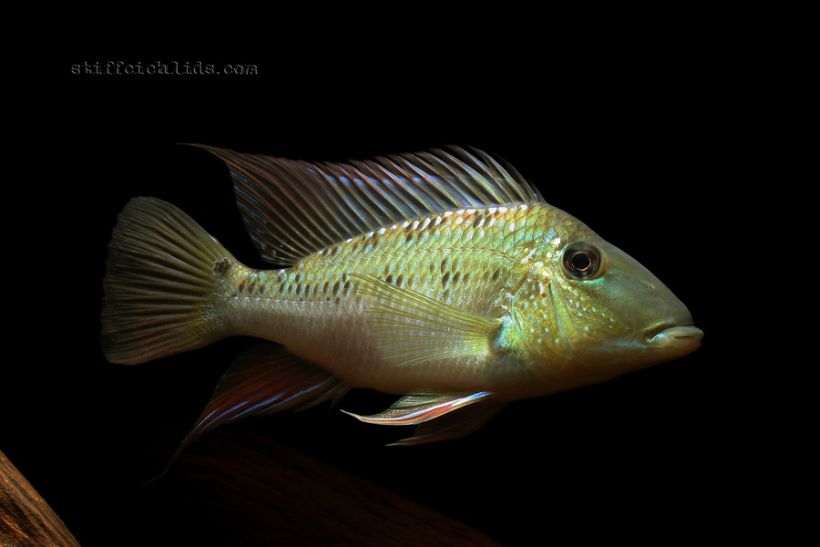
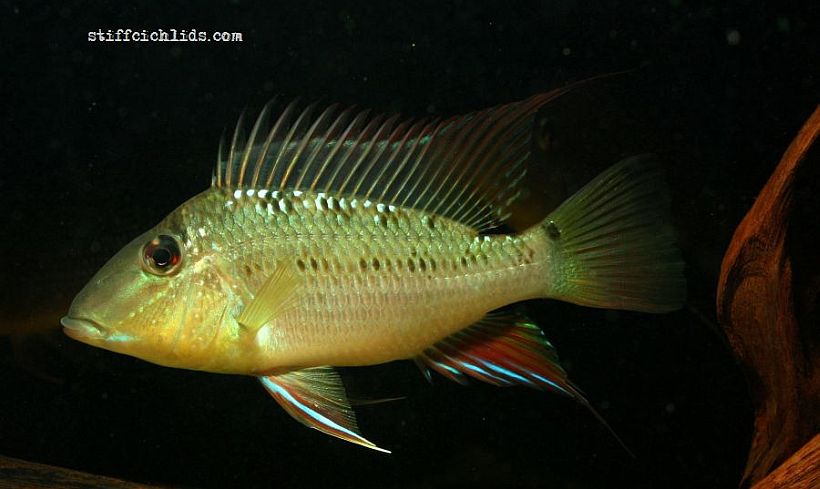
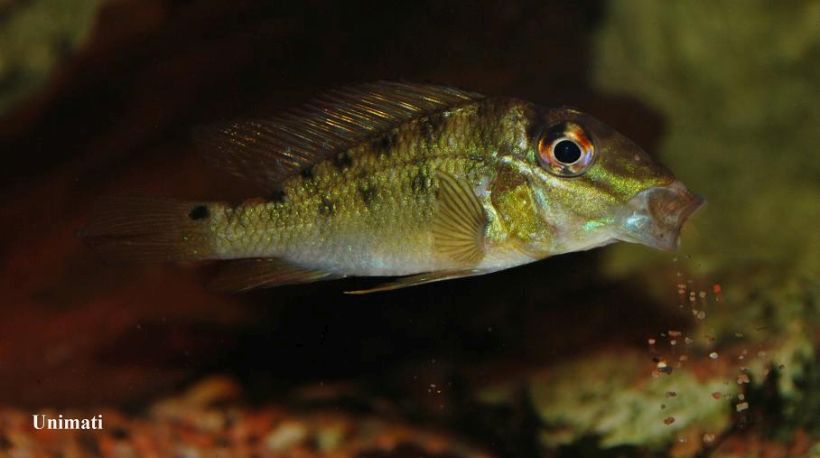
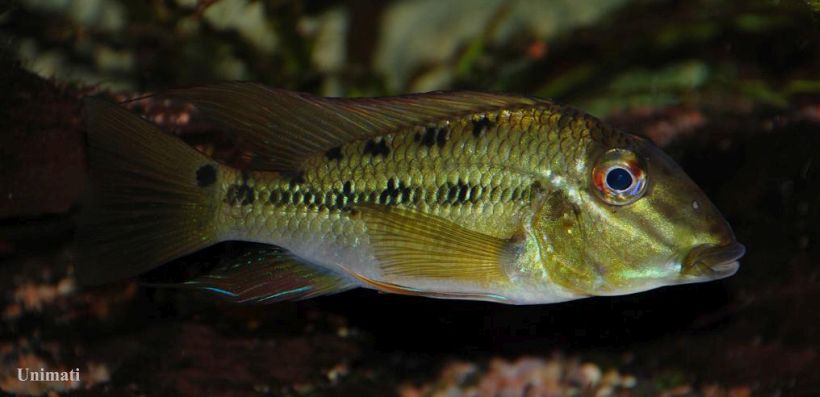
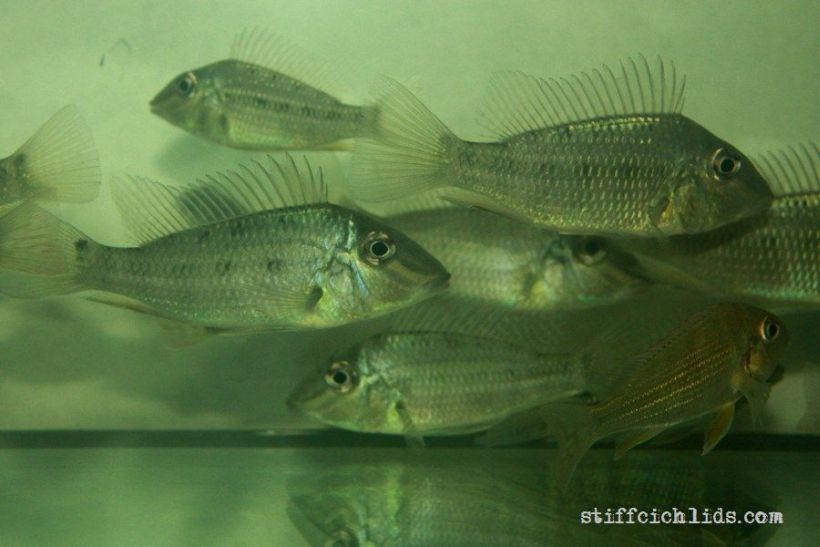
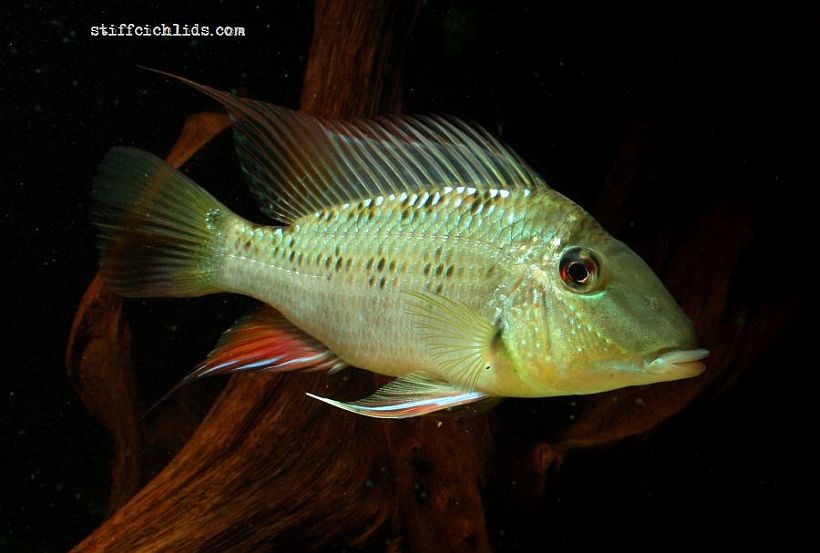
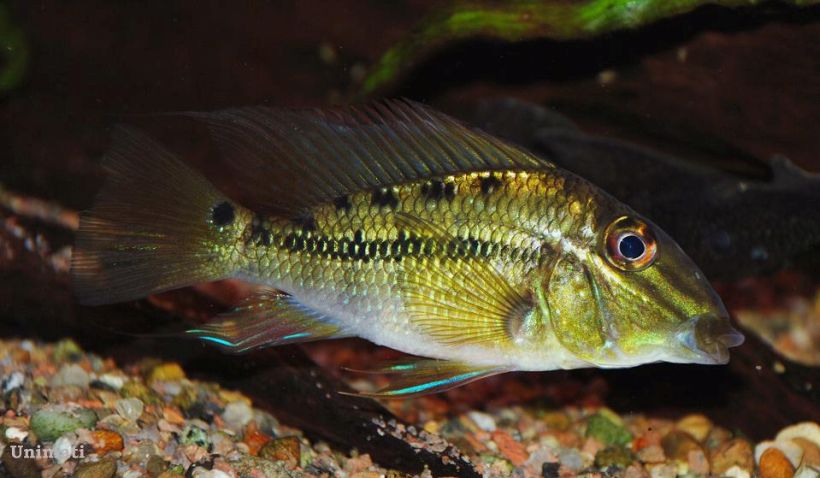
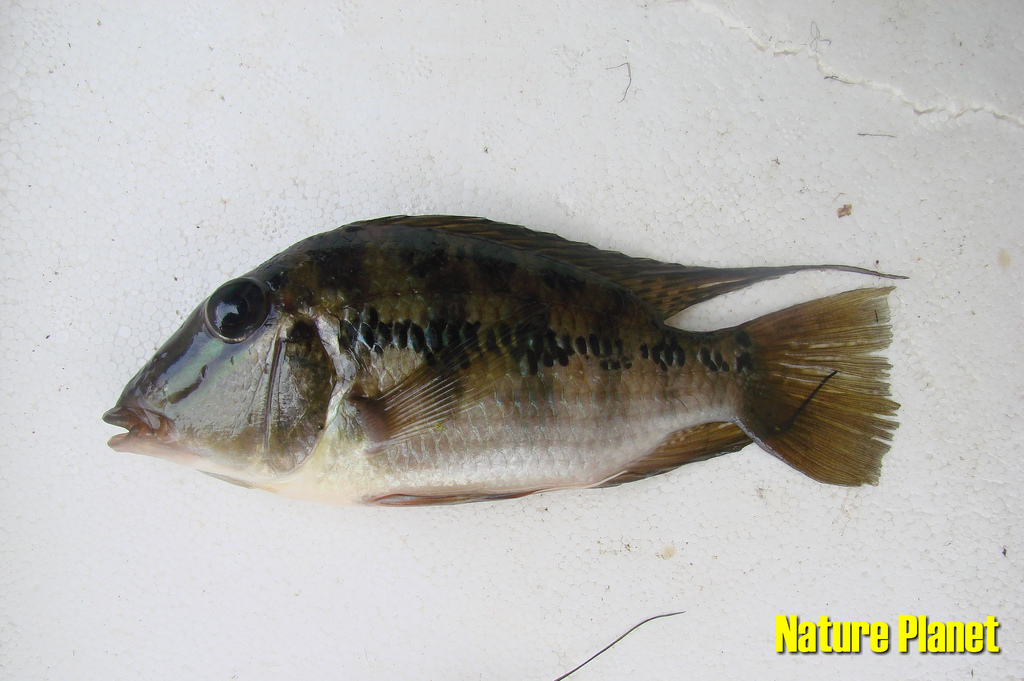
Satanoperca pappaterra 背鳍下方有一列明显黑斑,体侧另有清楚的暗带。它需要大面积细砂底和稳定清洁水质,通常温和,群体内仍会形成等级,繁殖时则明显守域。
分布与栖息地
原生于巴西与玻利维亚的瓜波雷河水系,以及巴西和巴拉圭北部的巴拉圭河上游。两套水系在潘塔纳尔湿地最湿季节可相连,前者流向亚马孙水系,后者属于拉普拉塔流域。上巴拉那河记录涉及引入,另一些远处分布仍有疑问,不应一并视作确定原产地。
可见于干流、支流、牛轭湖、洪泛湖及部分水库,底部常为砂泥并有落叶和沉枝。
饲养环境
细软砂不可缺少,粗砾可能阻碍筛食、伤鳃或被误吞。柔和灯光配沉木根枝即可;厚落叶层容易被翻起,形成堵塞过滤的悬浮碎屑。
在成熟系统中以外滤或底滤维持稳定,每周约五至七成换水。机械过滤应拦住细颗粒,避免砂不断经过泵体造成磨损,同时分散回水、避免全缸强流。对污染和水质骤变敏感,维护不足可伴随头部及侧线侵蚀、生长受阻。
食性与喂食
同属鱼通常筛砂取得小食物,也会在安定后离底接食。成鱼仍需细小饵料,提供含一定植物成分的细颗粒干粮、小型活饵和冷冻饵,每天分三四次少量投喂。
习性与混养
至少五至八尾有利于安定及分散等级压力,少量饲养时弱势个体可能反复受追。伙伴宜温和且水质需求相近,避开强势底栖守域鱼。通常不会捕食大于几毫米的鱼,但与淡水魟混养仍有反被捕食的风险。
雌雄区分
雌鱼通常略小,抱卵时体形更深厚,准确分性仍不容易。
繁殖
已能在缸中繁殖,雌鱼从卵期开始口孵。可从幼鱼群自然配对,成熟常需一年、甚至两年以上。营养和严格维护是重点,不依赖单一特殊诱因。
雄鱼围绕沉木等建立领地,配对后双方可能共同守卫数日,其他鱼靠近会遭驱赶。卵分批受精后立即被雌鱼收入口中,一窝可有数百枚。雄鱼偶尔短暂收卵,但通常不持续照料,还可能在产后驱赶雌鱼,不能默认稳定双亲合作。
起游幼鱼可吃细粉饲料、丰年虾无节幼体和微虫。混养时释放的幼鱼容易被其他鱼或同种吃掉,育幼雌鱼宜有独立空间。
图片
图片来自 SeriouslyFish,版权归各摄影者所有。

English
Overview
A row of strong dark blotches beneath the dorsal fin and a defined lateral band distinguish Satanoperca pappaterra. This generally peaceful eartheater requires a large sandy footprint and stable clean water. Social ranking persists within groups, and breeding fish defend territories.
Distribution & habitat
Native populations occupy the Guaporé basin in Brazil and Bolivia and the upper Paraguai in Brazil and northern Paraguay. Seasonal connections through the Pantanal link these otherwise oppositely draining systems. Upper Paraná records involve introductions, while some more distant reports remain uncertain.
It uses river channels, tributaries, oxbows, floodplain lakes, and some reservoirs, usually over sand or mud with leaves and submerged wood.
Aquarium setup
Fine soft sand is essential: coarse particles may obstruct sifting, damage gills, or be swallowed. Dim lighting and wood provide suitable structure. Thick litter is easily stirred into suspended debris that clogs filtration.
Use a mature system with effective external or sump filtration and weekly changes of roughly 50–70%. Capture fine particles before they wear pump components and distribute returns to avoid excessive current. Pollution and rapid changes are poorly tolerated; inadequate maintenance may accompany head and lateral-line erosion or stunting.
Diet & feeding
Members of the genus sift small items from sand and rise for offered food once settled. Adults still need fine particles. Combine small prepared foods, including plant-rich products, with tiny live or frozen items in three or four daily portions.
Behaviour & compatibility
Groups of at least five to eight help distribute social pressure and settle more reliably. Smaller numbers can leave subordinates repeatedly targeted. Favor peaceful companions with matching water needs, avoiding aggressive bottom-territory holders. Fish larger than a few millimeters are generally not prey, but freshwater rays may prey on the eartheaters.
Sexual dimorphism
Females usually remain slightly smaller and become deeper-bodied when gravid, though accurate sexing is difficult.
Breeding
Captive reproduction uses maternal mouthbrooding beginning at the egg stage. Natural pairs can form in a juvenile group, with maturity often taking a year, two years, or longer. Nutrition and rigorous maintenance matter more than a particular trigger.
Males establish territories around wood or similar objects, sometimes defended jointly for several days. The female immediately collects fertilized egg batches, potentially carrying several hundred. Males occasionally collect eggs briefly but rarely continue care and may chase the female away afterward. Consistent biparental cooperation should not be assumed.
Free-swimming fry take powdered foods, Artemia nauplii, and microworms. Separate space for the brooding female can protect released young from community fish and conspecifics.
来源
- https://www.seriouslyfish.com/species/satanoperca-pappaterra(抓取于 2026-10-10)
satanoperca-pappaterra · 文件: data/species/satanoperca-pappaterra.md · 状态: 草稿