Satanoperca mapiritensis
概要
| 字段 | 值 |
|---|---|
| 类别 | 鱼 |
| 学名 | Satanoperca mapiritensis |
| 别名 | Geophagus mapiritensis |
| 分类 | 慈鲷目 Cichliformes › 慈鲷科 Cichlidae › Satanoperca |
| 水体 | 淡水 |
| 原产地 | 委内瑞拉北部奥里诺科河下游,包括考拉河及卡罗尼河 |
| 成体体长 | 15 cm |
| 饲养难度 | 中等 |
| 最小水体 | 648 L |
| 最小缸长 | 180 cm |
| 群居方式 | 群游 |
| 性情 | 温和 |
| 外部数据 | seriouslyfish satanoperca-mapiritensis;fishbase 57779 |
水质参数
| 参数 | 耐受范围 | 最适范围 | 单位 |
|---|---|---|---|
| 水温 | 22–28 | — | °C |
| pH | 5.5–7.5 | — | — |
| 总硬度 | 2–12 | — | dGH |
概述
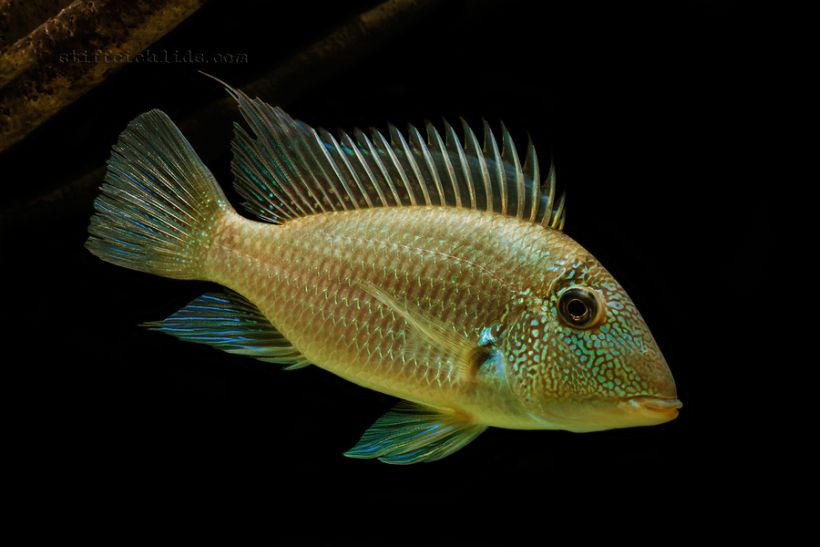
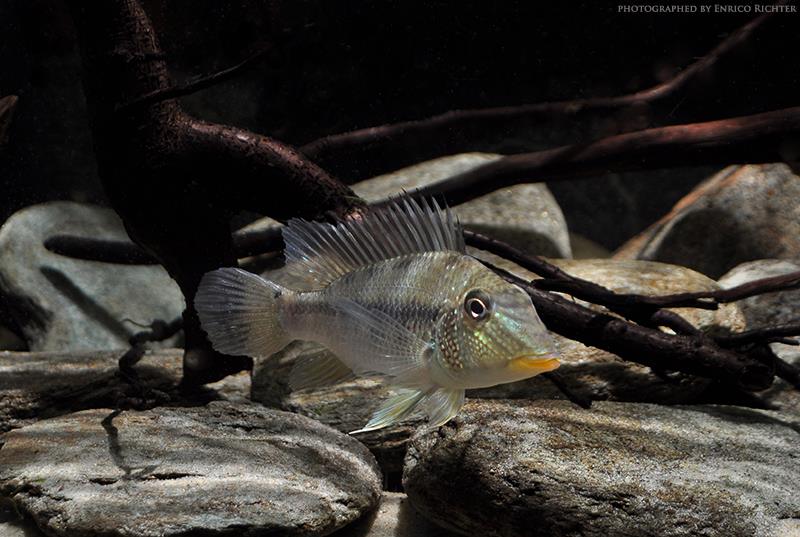
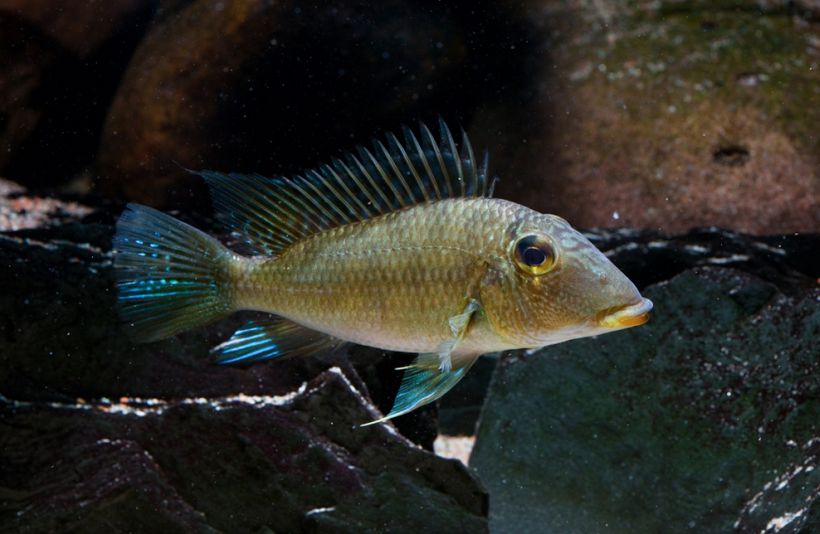
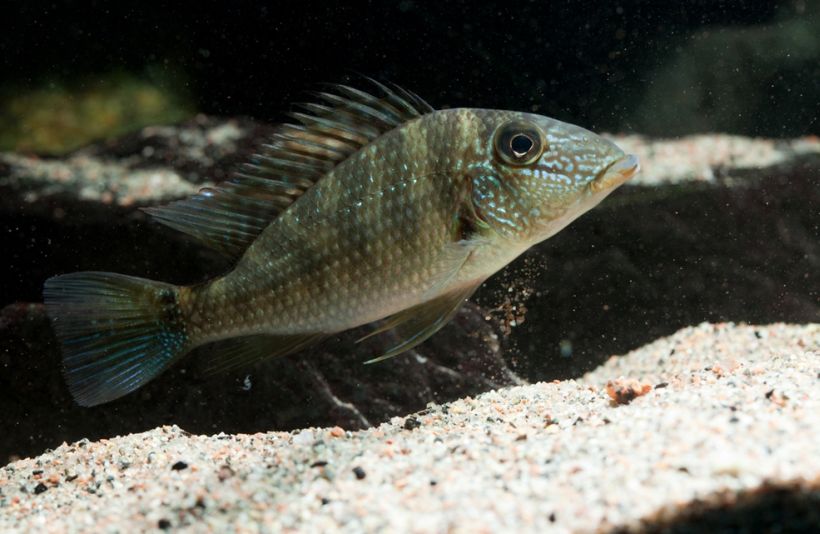
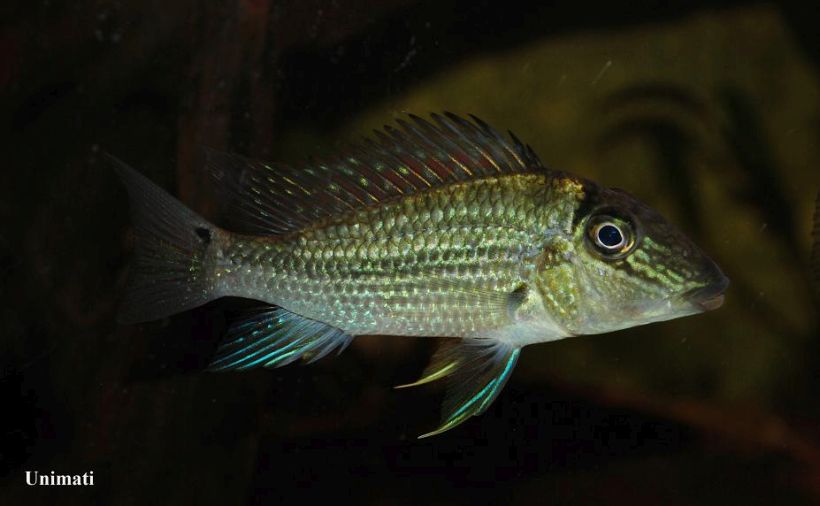
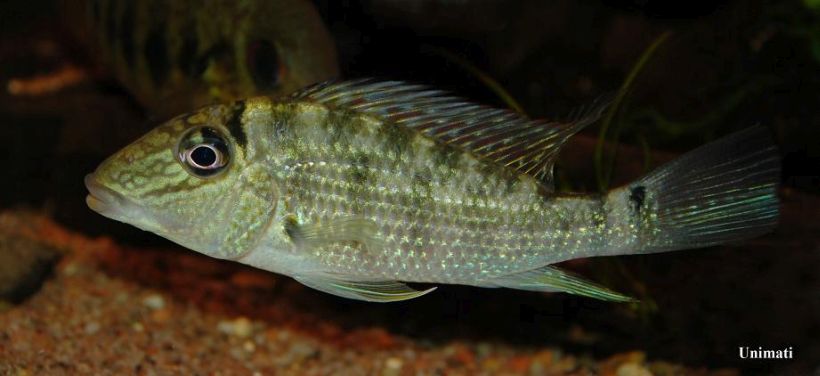
Satanoperca mapiritensis 来自奥里诺科河下游,贸易中较少见,名称却常被用于其他白头斑食土类。头部白点与虫纹、尤其较密的鳃盖斑纹以及成年鱼浅橙色嘴唇,可作为观察线索,但不能替代可靠的产地记录。
分布与栖息地
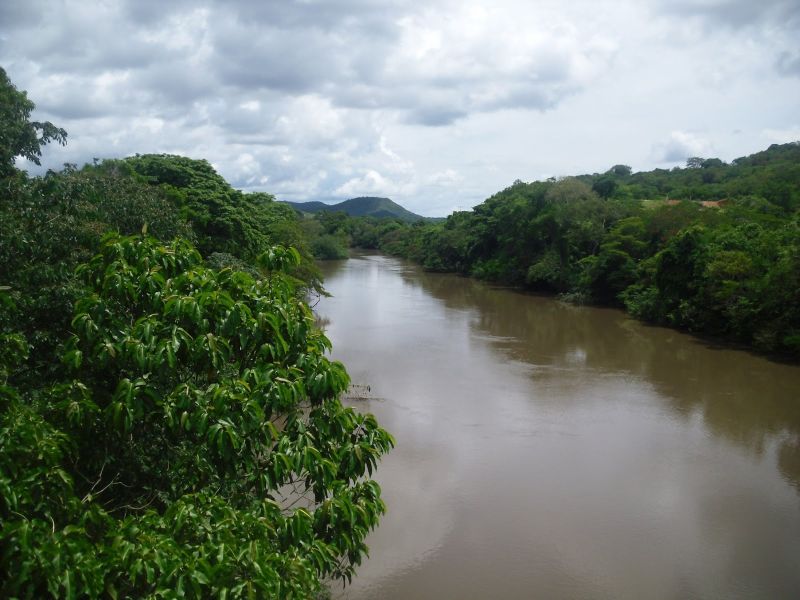
原生于委内瑞拉北部安索阿特吉、莫纳加斯及玻利瓦尔等州的奥里诺科河下游,包含考拉和卡罗尼等大支流。库尤尼河等处相似鱼是否同种尚不明确,中上游部分以此名出售的鱼也未确认。栖地有干流、支流及洪泛湖,常在砂泥、落叶和沉枝附近。
饲养环境
铺设细软砂以便筛食,避免粗砾伤鳃、阻碍摄食或被吞入。光线宜柔和,用根枝、沉木形成结构。厚落叶层虽像野外环境,却可能被反复扬成碎屑并堵塞设备。
成熟过滤和稳定维护非常重要,外滤或底滤配每周约五至七成换水,并提前拦截颗粒,防止细砂磨损水泵。回水应分散,避免过强流速。水质恶化或骤变可能伴随头部和侧线侵蚀、发育受阻,不能放入尚未成熟的缸。
食性与喂食
同属鱼通过含砂筛选细小食物,安定后也会离底进食。饵料应细小,搭配优质细颗粒、小型活饵和冷冻饵,其中部分干粮含植物成分。每天分三四次少量投喂,比一次大量投食更适合持续筛食的习惯。
习性与混养
通常温和,繁殖时才加强守域。至少五至八尾有助于安定,过小群体容易让弱势鱼持续受压,或全群紧张。可搭配温和且水质要求相近的鱼,避免强势底层守域者。一般不捕食超过几毫米的小鱼,但与淡水魟混养也可能被后者捕食。
繁殖
本种的人工繁殖尚未确认。以此名发表的部分经历来自奥里诺科河上游的其他种群,因此不宜据此确定它的繁殖方式或照料流程。
补充说明
与数种近似鱼的界限仍存在遗传和鉴定问题。选购和繁殖群管理时应保留产地与来源,避免仅凭商品标签混合不同种群。
图片
图片来自 SeriouslyFish,版权归各摄影者所有。
English
Overview
Native to the lower Orinoco, Satanoperca mapiritensis is uncommon in trade despite its name appearing on similar white-spotted fishes. White head markings concentrated on the gill cover and pale orange adult lips offer useful clues, but reliable locality information remains valuable.
Distribution & habitat
The range includes the lower Orinoco in Anzoátegui, Monagas, and Bolívar, with major tributaries such as the Caura and Caroní. Similar fish from the Cuyuni and uncertain populations farther upriver should not automatically be assigned here. Habitats include channels, tributaries, and floodplain lakes over sand or mud with leaves and submerged branches.
Aquarium setup
Provide soft fine sand for sifting. Coarse gravel can injure gills, interfere with feeding, or be swallowed. Subdued light and wood supply structure; deep litter can be repeatedly suspended into debris that blocks equipment.
Use mature filtration and a consistent maintenance schedule, including weekly changes of roughly 50–70%. Intercept particles before they abrade pumps and spread return flow rather than producing excessive current. Deteriorating or unstable conditions may accompany head and lateral-line erosion or impaired growth.
Diet & feeding
Members of the genus sift tiny items from substrate and take food above the bottom once settled. Offer fine prepared products, small live or frozen foods, and some plant-rich dry foods. Three or four modest daily portions suit continued browsing better than one large feeding.
Behaviour & compatibility
Usually peaceful outside breeding, it settles best in groups of at least five to eight. Smaller groups may remain nervous or concentrate harassment on weaker members. Choose peaceful companions with matching water needs and avoid aggressive bottom-territory holders. Fish larger than a few millimeters are generally not prey, although freshwater rays can endanger the cichlids.
Breeding
Captive breeding remains unconfirmed. Some reports under this name concern different populations from the upper Orinoco, so they do not establish its reproductive method or care sequence.
Notes
Genetic and identification questions remain around several similar forms. Preserve collection and provenance records rather than combining populations solely because their sales labels agree.
来源
- https://www.seriouslyfish.com/species/satanoperca-mapiritensis(抓取于 2026-10-10)
satanoperca-mapiritensis · 文件: data/species/satanoperca-mapiritensis.md · 状态: 草稿