Satanoperca lilith
概要
| 字段 | 值 |
|---|---|
| 类别 | 鱼 |
| 学名 | Satanoperca lilith |
| 分类 | 慈鲷目 Cichliformes › 慈鲷科 Cichlidae › Satanoperca |
| 水体 | 淡水 |
| 原产地 | 巴西亚马孙干流及部分支流,西至雅普拉河附近、东至塔帕若斯河下游 |
| 成体体长 | 25.5 cm |
| 饲养难度 | 中等 |
| 最小水体 | 756 L |
| 最小缸长 | 210 cm |
| 群居方式 | 群游 |
| 性情 | 温和 |
| 外部数据 | seriouslyfish satanoperca-lilith;fishbase 52203 |
水质参数
| 参数 | 耐受范围 | 最适范围 | 单位 |
|---|---|---|---|
| 水温 | 20–28 | — | °C |
| pH | 5–7.5 | — | — |
| 总硬度 | 1–10 | — | dGH |
概述
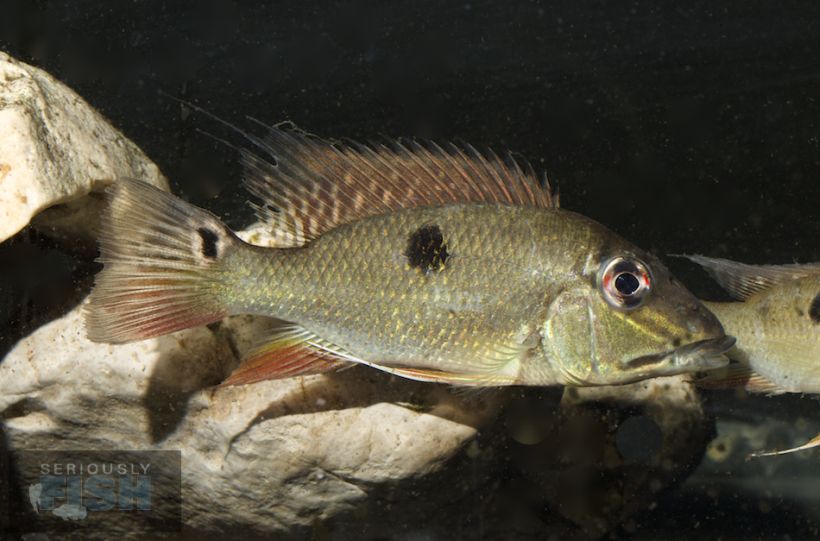
Satanoperca lilith 是较少见于贸易的食土类慈鲷,身体侧面有一个明显暗斑,尾柄另有醒目眼斑。它平时通常温和,却需要很大的底部面积、细砂及严格水质维护,不能仅凭性情安静就放入小缸。
分布与栖息地
目前所述范围均在巴西,沿索利蒙伊斯—亚马孙干流,从马瑙斯上游雅普拉河一带延伸至圣塔伦附近塔帕若斯河下游;也进入内格罗、布朗库、马德拉及特龙贝塔斯等支流。生活于黑水或清水河道、小支流、牛轭湖及洪泛湖,底部常是砂泥、落叶和木质残骸。
饲养环境
底砂要细软,粗硬颗粒可能妨碍筛食、伤鳃或被吞入。柔和光线与沉木、树根可构成环境。落叶虽然是天然栖地的一部分,缸中不断被扬起的碎叶却可能堵过滤,不宜堆积难以清理的厚叶层。
应使用充分成熟的系统,配合有效外滤或底滤、每周约五至七成换水。过滤前端应截住细颗粒,避免砂进入泵体长期磨损零件;把回水分散开,兼顾过滤能力与温和流速。它不耐有机污染和水质骤变,维护差可伴随头部及侧线侵蚀或生长受阻。
食性与喂食
同属鱼以含砂筛食取得细小食物,安定后也会离底接食。即使成鱼也应提供小颗粒,搭配小型活饵、冷冻饵及含植物成分的干粮,每天分三四次少量投喂。
习性与混养
通常仅在繁殖期明显守域。可选性情温和、水质要求相近的伙伴,避免强势底栖慈鲷和需要较硬水的鱼。除了极微小的对象外通常不捕食鱼,但淡水魟仍可能伤害或捕食它,不能把这种组合看作天然安全。
雌雄区分
成年雄鱼通常较大,雌鱼抱卵时体形更深厚,除此以外明显外观差异不多。
繁殖
水族箱繁殖尚无确切记录。近亲的方式提示它可能由双亲照料附着底物的卵,但这仍是推测,不能当作本种已验证的繁殖流程。
图片
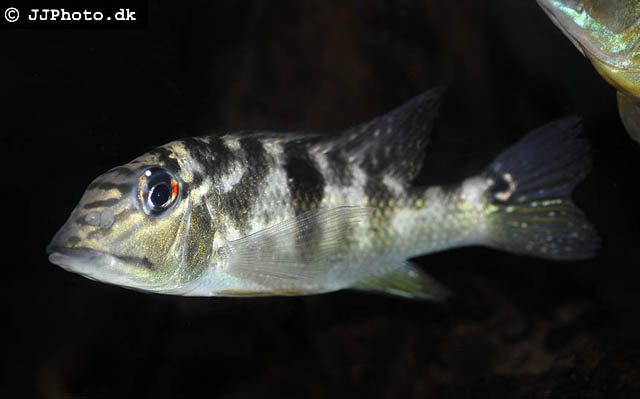
图片来自 SeriouslyFish,版权归各摄影者所有。
English
Overview
An uncommon aquarium eartheater, Satanoperca lilith bears one prominent flank blotch and a conspicuous tail-base eyespot. Its usually peaceful behavior does not reduce its need for a large footprint, fine sand, and careful maintenance.
Distribution & habitat
Its documented range lies in Brazil along the Solimões–Amazon corridor, from the Japurá region upstream of Manaus to the lower Tapajós near Santarém. It also enters tributaries including the Negro, Branco, Madeira, and Trombetas. Blackwater and clearwater channels, smaller streams, oxbow lakes, and floodplain lakes offer sand or mud with leaves and wood.
Aquarium setup
Use fine, soft sand. Coarse particles can interfere with sifting, injure gills, or be swallowed. Dim lighting with roots or driftwood supplies structure. Leaves are natural habitat features, but repeatedly disturbed litter may clog filtration and becomes difficult to manage when accumulated deeply.
A mature system, effective external or sump filtration, and weekly changes of roughly 50–70% are appropriate. Intercept fine particles before they enter pumps and distribute returns for a gentler current. Organic pollution and abrupt changes are poorly tolerated; inadequate maintenance may accompany head and lateral-line erosion or impaired growth.
Diet & feeding
Related species sift small items from substrate and rise to take food once settled. Even adults should receive fine prepared particles, including plant-rich products, alongside tiny live or frozen foods. Three or four small daily meals suit this feeding pattern.
Behaviour & compatibility
Territorial behavior is most evident around breeding. Choose peaceful companions with compatible water needs, avoiding forceful bottom-dwelling cichlids and fishes requiring harder conditions. Fish larger than a few millimeters are generally not treated as prey. Freshwater rays can nevertheless injure or eat these eartheaters, so that combination is not inherently safe.
Sexual dimorphism
Adult males tend to be larger, and gravid females become deeper-bodied. Other obvious external differences are limited.
Breeding
Aquarium breeding is unreported. Its closest relative suggests a possible pattern of biparental care for eggs laid on a surface, but that remains an inference rather than an established protocol for this species.
来源
- https://www.seriouslyfish.com/species/satanoperca-lilith(抓取于 2026-10-10)
satanoperca-lilith · 文件: data/species/satanoperca-lilith.md · 状态: 草稿