Satanoperca leucosticta · Whitespot Eartheater
概要
| 字段 | 值 |
|---|---|
| 类别 | 鱼 |
| 学名 | Satanoperca leucosticta |
| 别名 | Geophagus leucostictus、Satanoperca macrolepis |
| 分类 | 慈鲷目 Cichliformes › 慈鲷科 Cichlidae › Satanoperca |
| 水体 | 淡水 |
| 原产地 | 圭亚那地盾:委内瑞拉东部、圭亚那、苏里南西北部及巴西北部 |
| 成体体长 | 15 cm |
| 饲养难度 | 中等 |
| 最小水体 | 648 L |
| 最小缸长 | 180 cm |
| 群居方式 | 群游 |
| 性情 | 温和 |
| 外部数据 | seriouslyfish satanoperca-leucosticta;fishbase 47522 |
| 繁殖方式 | 口孵 |
| 领地性 | 是 |
水质参数
| 参数 | 耐受范围 | 最适范围 | 单位 |
|---|---|---|---|
| 水温 | 20–28 | — | °C |
| pH | 5.5–7.5 | — | — |
| 总硬度 | 2–12 | — | dGH |
概述
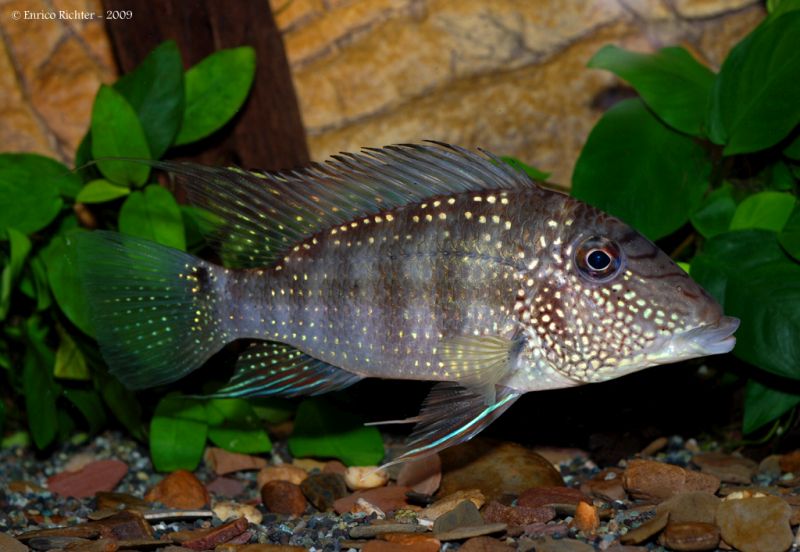
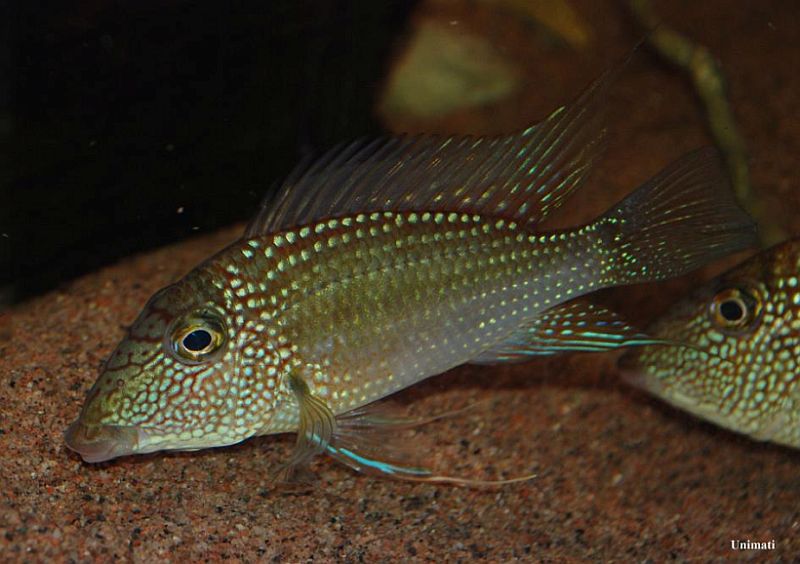
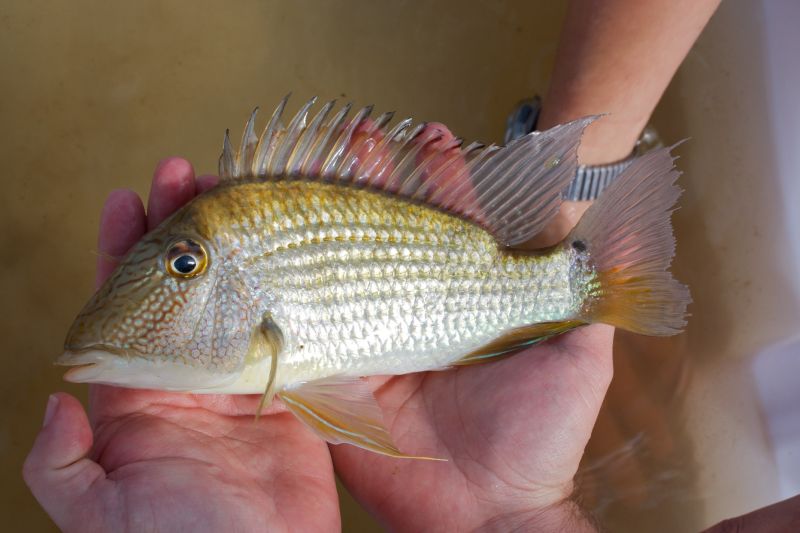
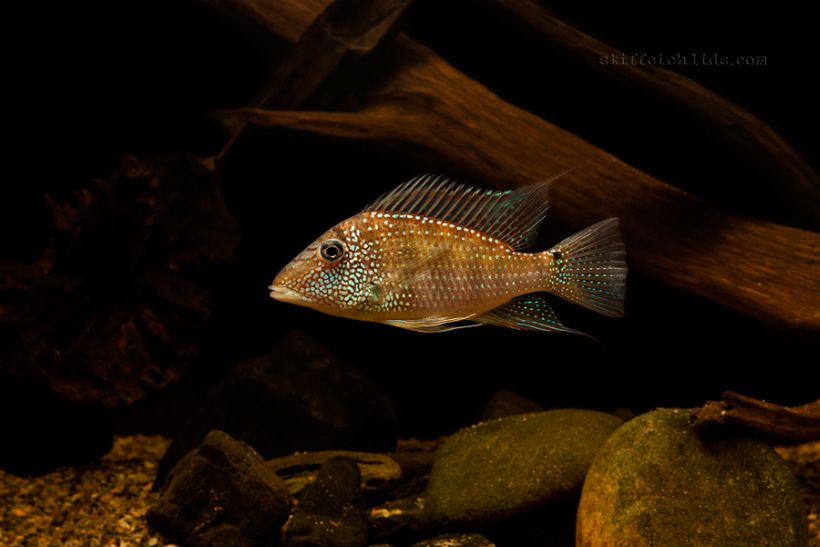
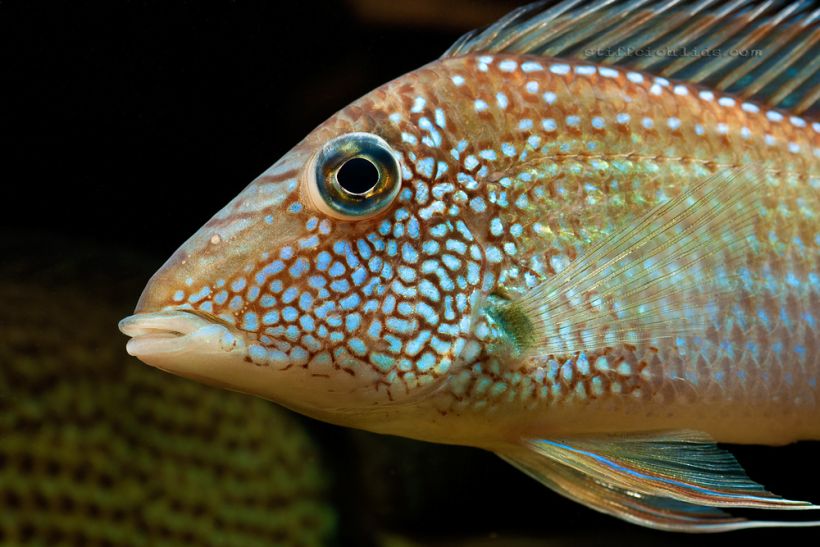
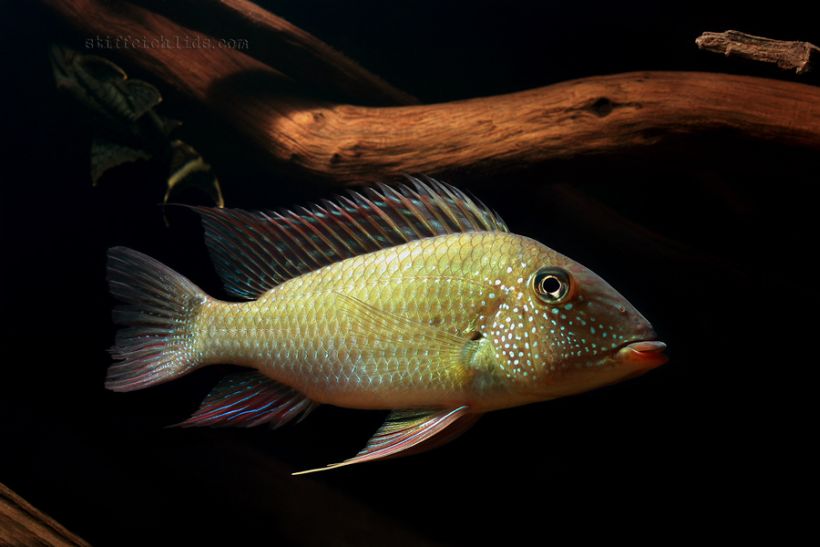
Satanoperca leucosticta 头侧的白色斑点和虫纹是醒目标记。它需要宽敞的细砂缸及稳定清洁水质,通常温和,但配对育幼时会守域。典型繁殖方式是先在底物产卵,待孵化后由雌鱼收入口中。
分布与栖息地
分布于圭亚那地盾,包括委内瑞拉东部、圭亚那、苏里南西北部和巴西罗赖马州。已确认水系有埃塞奎博、德梅拉拉、尼克里及布朗库河,其他邻近河流的记录仍有待确认。常见于干流、支流和洪泛湖,底部多砂泥、落叶及沉水枝木。
饲养环境
细软砂便于正常筛食,粗砾可能伤鳃、被吞下或阻碍摄食。用柔和光线及沉木构成环境即可,厚落叶层虽接近野外,却容易被翻起成为堵塞过滤的碎屑。
使用成熟系统、充足外滤或底滤,每周约五至七成换水。机械过滤应先截住颗粒,保护水泵免受细砂磨损;同时分散回水,避免形成过强水流。对有机污染和水质骤变敏感,维护不足可伴随头部及侧线侵蚀、生长受阻。
食性与喂食
同属鱼从底砂筛取微小食物,安定后也会离底接食。成鱼仍应吃小颗粒,搭配小型活饵、冷冻饵和含植物成分的干粮。每天分三四次少量投喂,可让筛食节奏更接近天然行为。
习性与混养
五至八尾以上更容易安定并分散等级压力;小群可能持续紧张,或弱势个体反复被追。伙伴宜温和、适应相近水质,避免强势底层守域鱼。通常不把大于几毫米的鱼当猎物,但与淡水魟混养仍有被捕食风险。
雌雄区分
雄鱼一般较大,成熟雌鱼抱卵时腹部较深厚,外观分性仍不容易。
繁殖
可从幼鱼群自然配对,成熟常需一年、甚至两年以上。保持营养和稳定维护,比追求单一诱产措施更重要。雄鱼围绕沉木、沉叶等建立领地,配对后双方会共同守卫。
卵分批产下并受精,随后覆盖薄层底砂;雌鱼近距离照料,雄鱼守外围。约三十六至四十八小时孵化后,雌鱼才把幼体含入口中,继续约七至八天。雄鱼可能停止守卫甚至攻击雌鱼,应观察并及时分隔。
起游幼鱼能吃细粉饲料、丰年虾无节幼体和微虫,母鱼此后还可能照料三至四周。混养环境易损失幼鱼,可给育幼雌鱼独立空间。某些被暂归本种的白头斑型会从卵期直接口孵,但其身份并未完全确定,不能套用同一孵育日程。
图片
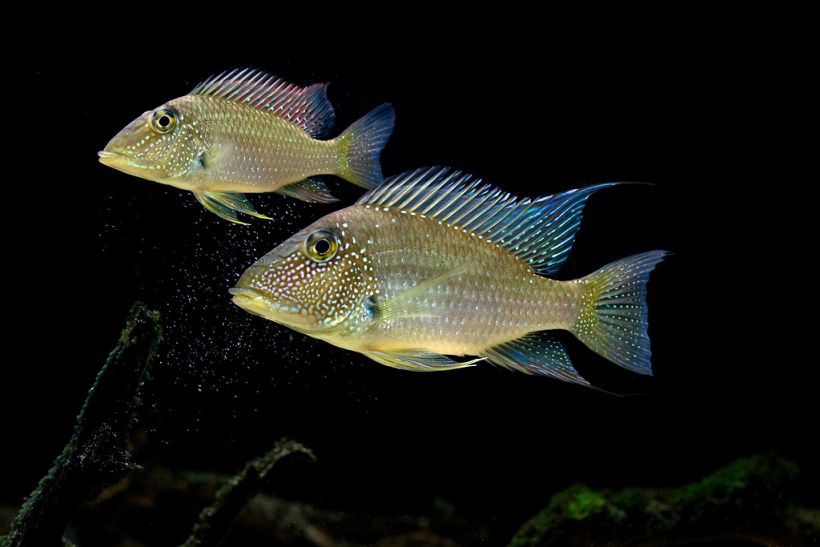
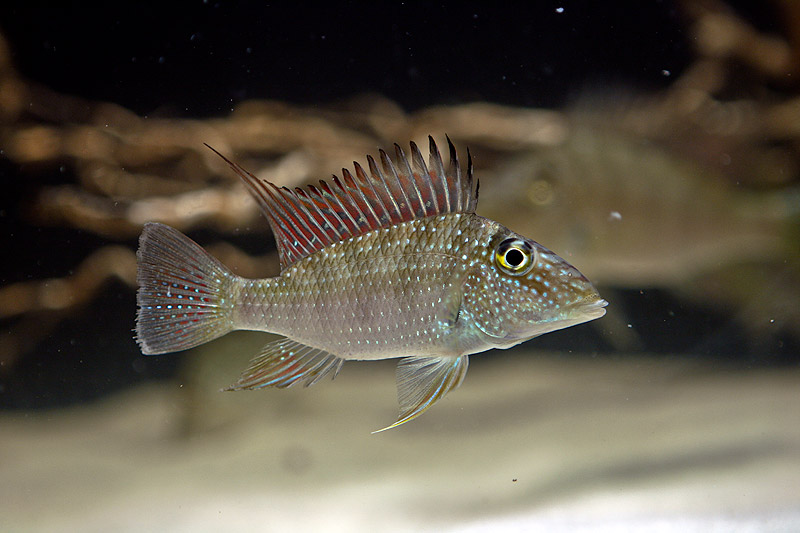
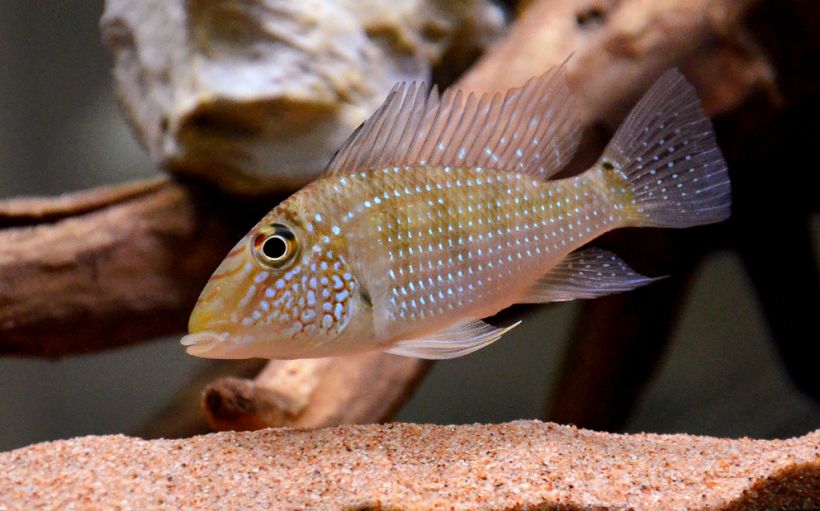
图片来自 SeriouslyFish,版权归各摄影者所有。
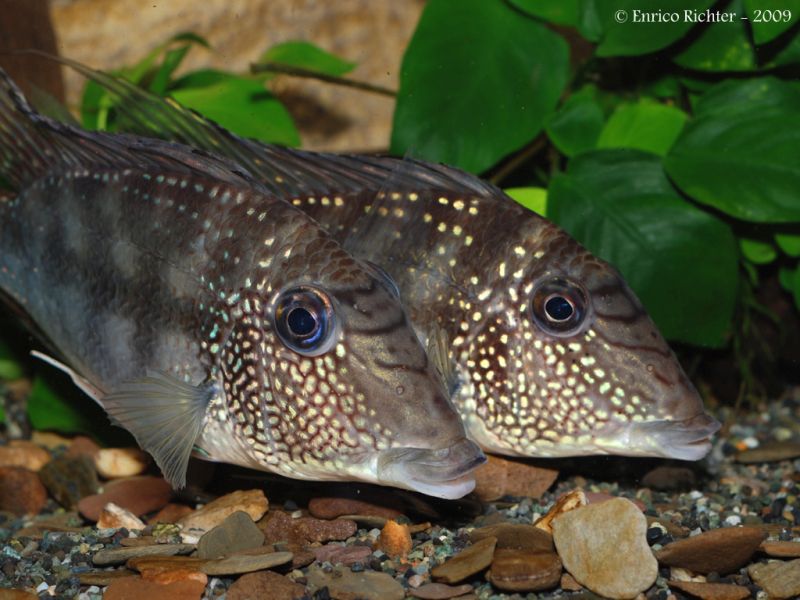
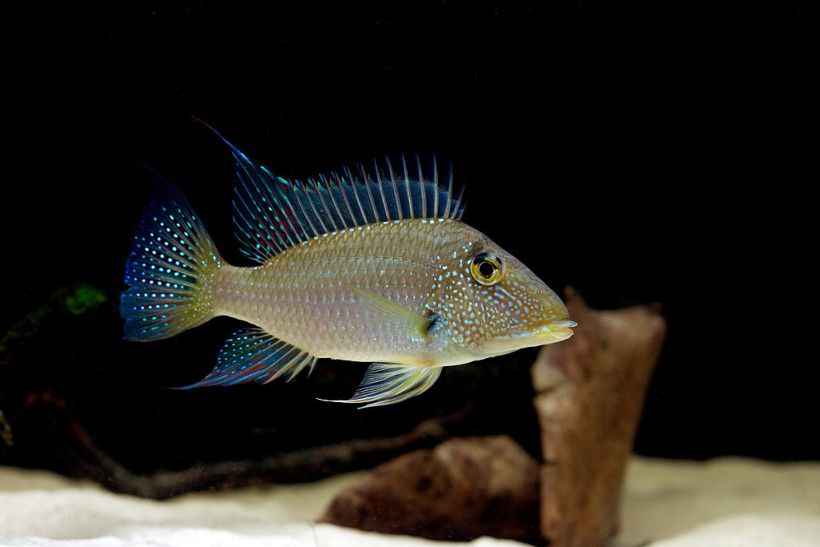
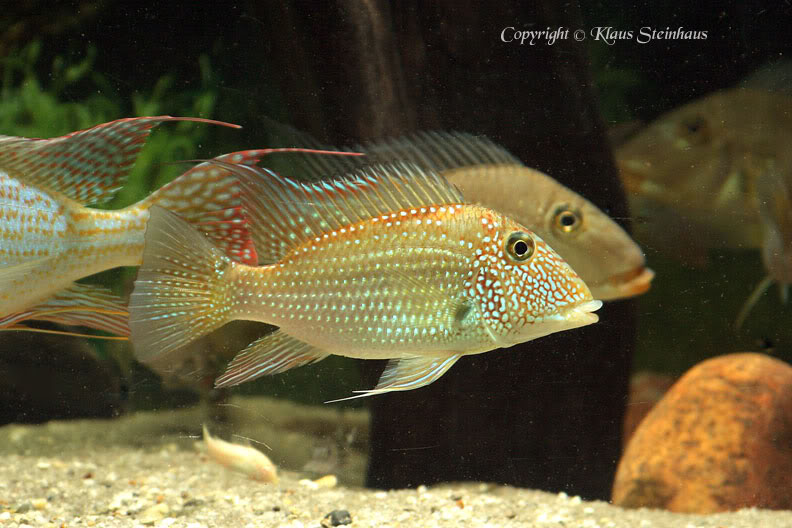
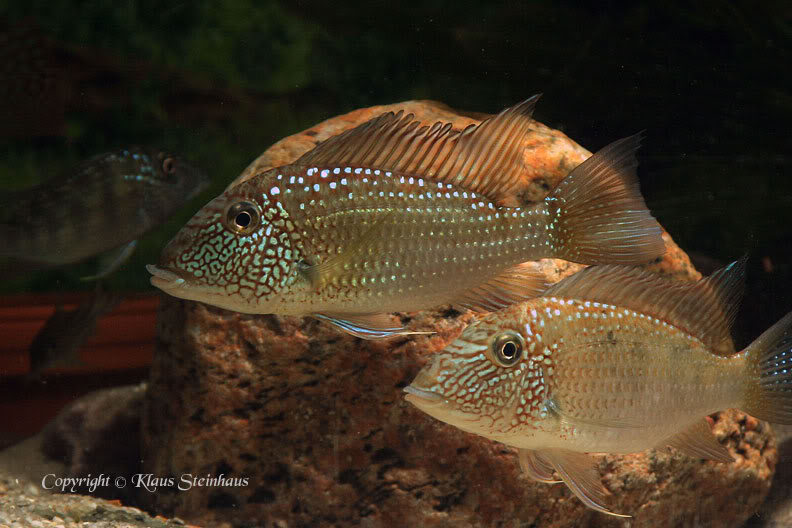
English
Overview
White spots and wormlike head markings distinguish Satanoperca leucosticta. This generally peaceful eartheater needs ample sand-covered floor space and consistently clean water. Breeding pairs defend territories, with females normally taking larvae into the mouth after eggs hatch on a surface.
Distribution & habitat
Confirmed watersheds include the Essequibo, Demerara, Nickerie, and Branco across the Guiana Shield, from eastern Venezuela through Guyana and northwestern Suriname to northern Brazil. Occurrence in several neighboring drainages remains less certain. Main channels, tributaries, and floodplain lakes provide sandy or muddy beds with submerged wood and leaves.
Aquarium setup
Fine soft sand allows normal sifting; coarse gravel can obstruct feeding, damage gills, or be swallowed. Subdued lighting and wood are sufficient structure. Thick leaf litter is easily disturbed into debris that blocks filters.
Provide a mature aquarium, effective external or sump filtration, and weekly changes of roughly 50–70%. Capture particles before they reach pump components, while spreading return flow to avoid excessive current. Organic pollution and abrupt changes are poorly tolerated; inadequate maintenance may accompany head and lateral-line erosion or stunted growth.
Diet & feeding
Related eartheaters sift small food from substrate and rise for offered food once settled. Adults still need fine particles rather than large chunks. Combine small prepared foods, including plant-rich products, with tiny live or frozen items in three or four modest daily meals.
Behaviour & compatibility
Keep at least five to eight to encourage settling and distribute social pressure. Smaller groups can remain nervous or repeatedly target weaker fish. Suitable companions are peaceful and share its water requirements; avoid forceful bottom-territory holders. Fish larger than a few millimeters are generally not prey, although freshwater rays may endanger the eartheaters themselves.
Sexual dimorphism
Males are generally larger, while gravid females become deeper-bodied. External sexing remains difficult.
Breeding
Natural pairs can develop from juveniles, which often require a year or two or more to mature. Nutrition and stable maintenance matter more than a single spawning trigger. Males establish territories around wood, submerged leaves, or similar objects, with pairs defending the site.
Fertilized egg batches receive a thin covering of substrate. The female tends them while the male guards farther away. After roughly 36–48 hours, she collects the hatched larvae and holds them for another seven to eight days. A male may abandon defense or attack her, requiring separation.
Free-swimming fry accept powdered food, Artemia nauplii, and microworms. Maternal care may continue for three to four weeks afterward. Separate accommodation can protect young from community predators. Some provisionally identified white-spotted forms collect eggs immediately, but their uncertain identity makes a shared incubation schedule inappropriate.
来源
- https://www.seriouslyfish.com/species/satanoperca-leucosticta(抓取于 2026-10-10)
satanoperca-leucosticta · 文件: data/species/satanoperca-leucosticta.md · 状态: 草稿