圣珠母丽鱼 · Threespot Eartheater
概要
| 字段 | 值 |
|---|---|
| 类别 | 鱼 |
| 学名 | Satanoperca daemon |
| 别名 | 聖珠母麗魚、Geophagus daemon |
| 分类 | 慈鲷目 Cichliformes › 慈鲷科 Cichlidae › Satanoperca |
| 水体 | 淡水 |
| 原产地 | 巴西、哥伦比亚及委内瑞拉 |
| 成体体长 | 25 cm |
| 饲养难度 | 中等 |
| 最小水体 | 756 L |
| 最小缸长 | 210 cm |
| 群居方式 | 群游 |
| 性情 | 温和 |
| 外部数据 | seriouslyfish satanoperca-daemon;fishbase 12319 |
| 特征 | 翻底砂: 是 |
| 领地性 | 是 |
| 繁殖方式 | 附着产卵 |
水质参数
| 参数 | 耐受范围 | 最适范围 | 单位 |
|---|---|---|---|
| 水温 | 24–28 | — | °C |
| pH | 3.5–6 | — | — |
| 总硬度 | 1–5 | — | dGH |
概述
圣珠母丽鱼(Satanoperca daemon)是对软酸水、细沙和稳定水质要求很高的“食土鲷”。市场较常见不代表容易饲养;它平时温和,但繁殖时会占据很大底面,空间必须按群体及护幼行为预留。
分布与栖息地
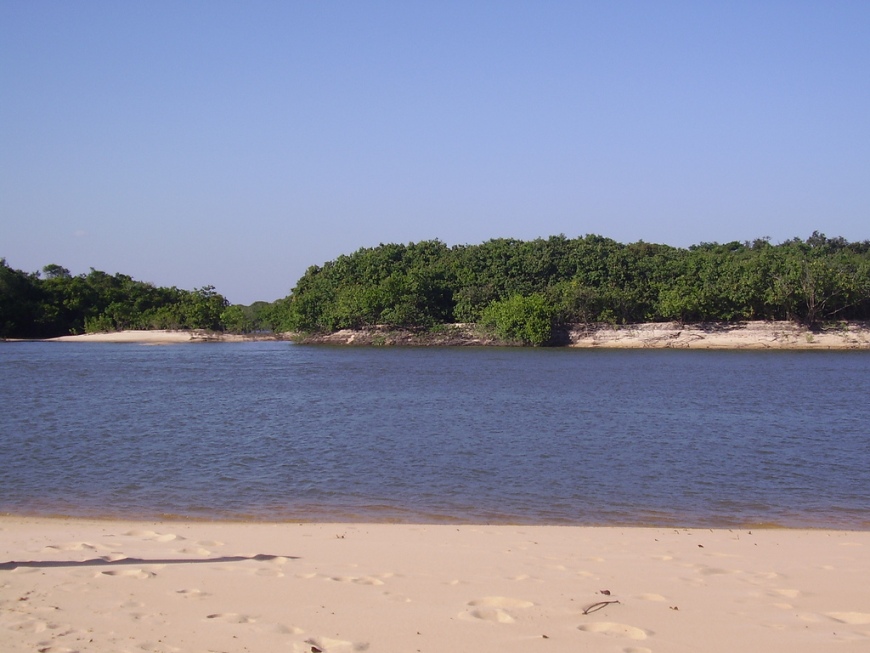
原生于巴西内格罗河流域,以及委内瑞拉、哥伦比亚的 Casiquiare 和奥里诺科河上游系统。亚马孙其他区域的部分记录可能是误认。多生活在酸性、矿物含量很低的茶褐黑水,雨季河流与洪泛湖连通后,会在流速很低甚至近静水的边缘水域聚集、繁殖,底部多为沙、落叶及沉枝。
饲养环境
底面积至少约 210 × 60 厘米,细软沙底不可省略;粗砂砾可能妨碍筛食、损伤鳃或被误吞。搭配弱光、沉木和根枝即可。厚落叶层虽自然,却易被翻成碎屑堵塞设备,不建议照搬。
需要成熟系统和软酸条件,多数情况下未经处理的自来水并不适合。用外滤或底滤保持稳定,每周至少换水约 50%~70%,机械过滤要截留细颗粒并减少沙粒进入设备。高过滤能力不等于强水流,出水应避免持续冲刷。维护不足可能引发头部及侧线侵蚀、成长不良等问题。
食性与喂食
它会把底砂含入口中筛取食物,再从嘴和鳃口排出砂粒;适应后也会上浮抢食,但平时仍持续浏览底床。野外食物包括小型无脊椎动物、植物种子和碎屑。即使大鱼也不适合大块食物,宜用细小干粮、活饵及冻饵,部分饵料含植物成分,也可用细分的凝胶饵。每天约 3~4 次少量投喂较合适。
习性与混养
非繁殖期通常温和,不捕食超过几毫米的鱼。可选需求相同的温和同伴,避开凶悍底栖鱼及需要硬碱水的种类。与淡水魟同养存在夜间损失记录。
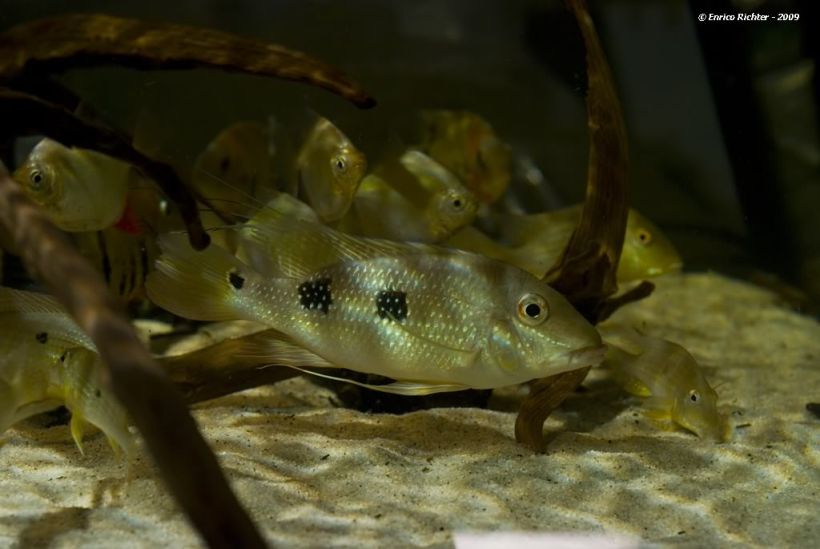
建议至少 5~8 条,幼鱼尤其需要群体。数量太少可能让弱势鱼集中受压,或使整群难以稳定;群内等级不应被误当作适合孤养的证据。
雌雄区分
通常没有明显可靠外部差异,仅怀卵雌鱼可能更厚实,产卵时可见产卵管。
繁殖
双亲基质产卵,人工成功较少。可由幼鱼自然配对,至少一年左右才可能成熟。配对会挖大型坑,空间足够时可达约 2 × 1 米,并提前共同守卫,其他同类可能需要移走。
卵常产在领地内清理过的硬表面上,分批产卵受精,总数可达 200 枚以上,再用叶片、木屑或底砂覆盖。雌鱼多照顾卵,雄鱼防守周围。约三天开始孵化,亲鱼揭开覆盖物,孵化后约 48 小时自由游动,可吃丰年虾无节幼体或微虫。双方通常继续护幼,有时只剩雌鱼承担。
补充说明
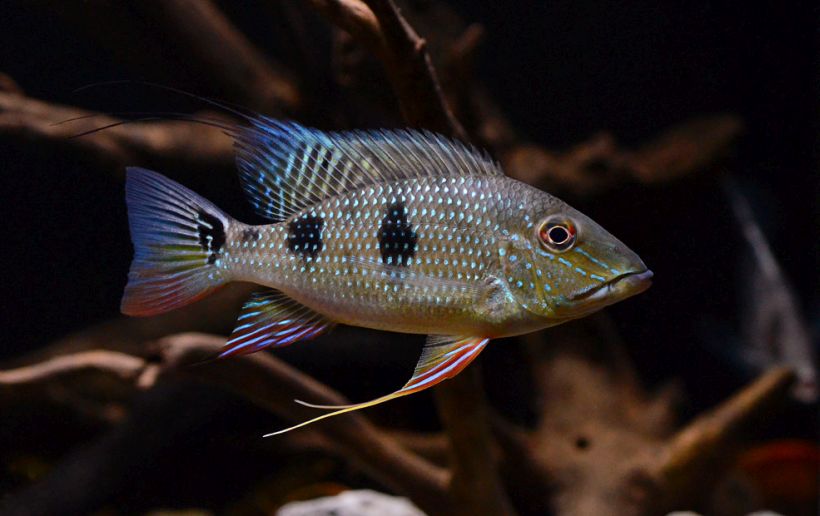
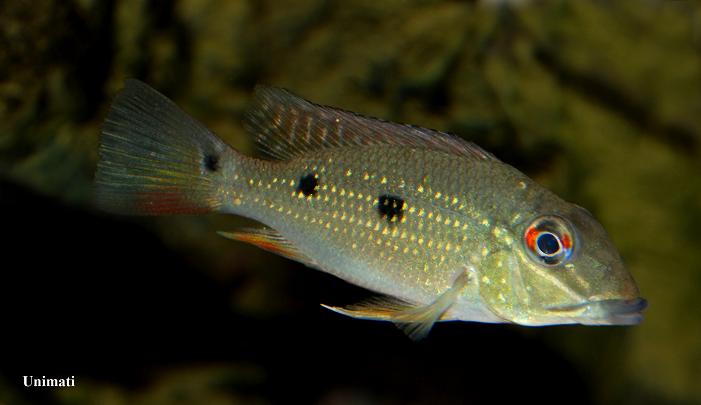
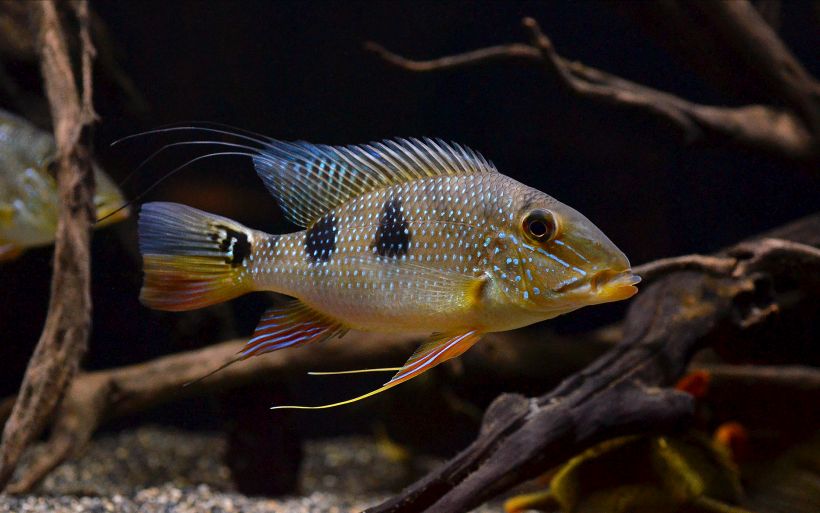
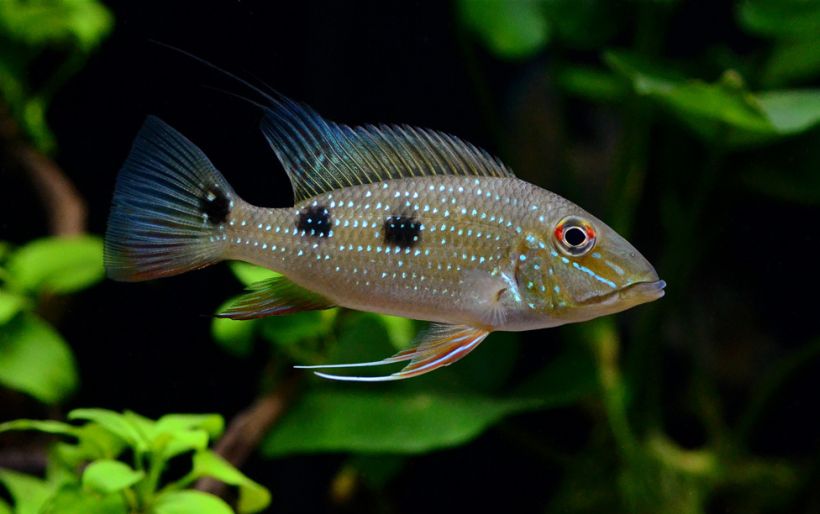
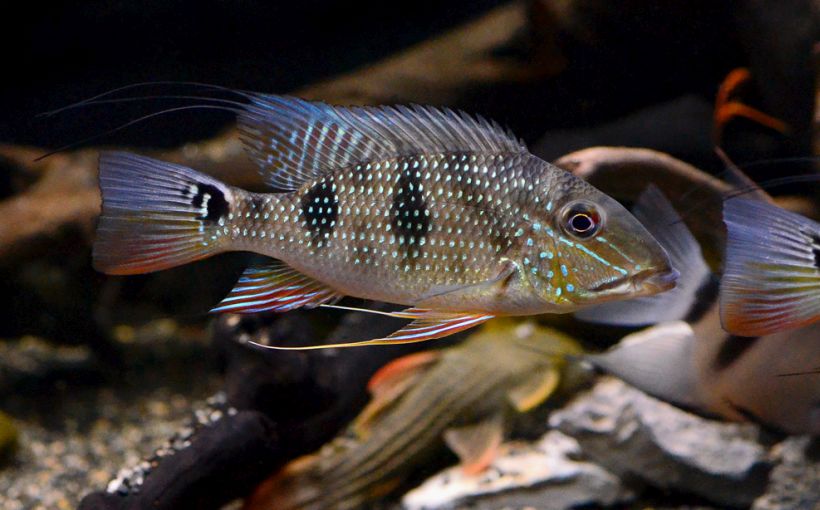
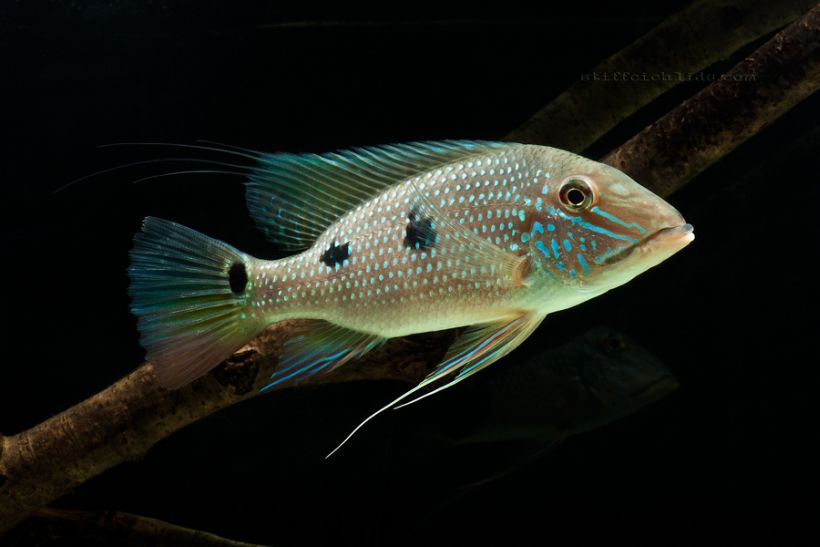
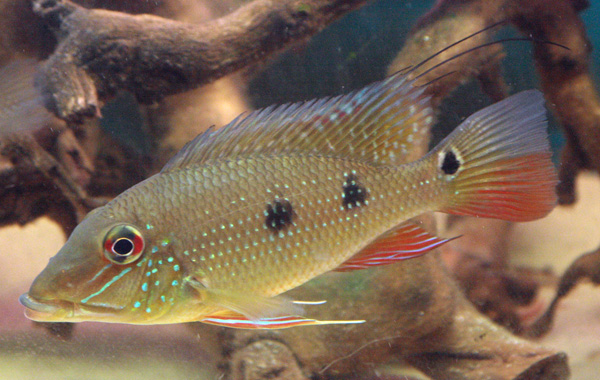
体侧两枚暗斑及尾鳍基部明显眼斑有助识别。与其他同属“食土鲷”比较时,应同时留意斑块数量及繁殖方式,不要统一当作口孵鱼。
图片
图片来自 SeriouslyFish,版权归各摄影者所有。
English
Overview
Satanoperca daemon is an eartheater with demanding requirements for soft acidic water, fine sand and stable conditions. Frequent availability does not make it easy to maintain. Usually peaceful, it can claim a substantial area when breeding, so plan space around both grouping and parental behavior.
Distribution & habitat
Native waters include Brazil's Negro basin and the Casiquiare and upper Orinoco systems of Venezuela and Colombia. Some reports from elsewhere in Amazonia appear to involve misidentification. Acidic, mineral-poor blackwater is typical. Seasonal connections between rivers and floodplain lakes allow groups to gather and breed in marginal waters with little or no current, over sand, leaves and fallen branches.
Aquarium setup
Provide at least approximately 210 × 60 cm of floor space. Soft sand is essential; coarse particles can hinder feeding, injure gills or be swallowed. Subdued light, wood and roots complete a suitable arrangement. Avoid a heavy leaf layer despite its natural occurrence, since disturbed fragments can clog equipment.
Use a mature system with soft acidic water; untreated tap water is unsuitable in many cases. Ample canister or sump filtration and weekly changes of at least roughly 50–70% support stability. Trap fine particles mechanically while keeping sand out of equipment. Strong filtration capacity should not produce excessive current. Poor upkeep can accompany head and lateral-line erosion or impaired growth.
Diet & feeding
The fish takes mouthfuls of sand and separates edible material, expelling the rest through the mouth and gill openings. Settled individuals also rise for food but continue browsing the bottom between meals. Natural foods include small invertebrates, seeds and detritus. Even large fish need small food particles. Combine fine prepared foods, live or frozen items and some plant-containing food; finely portioned gel mixtures can work. Offer around three to four small meals daily.
Behaviour & compatibility
Outside breeding it is generally gentle and does not prey on fishes longer than a few millimeters. Choose peaceful companions needing similar water, avoiding aggressive bottom dwellers and hard-water species. Nighttime losses have occurred in stingray combinations.
Keep at least five to eight, especially when young. Small groups may concentrate aggression on weaker fish or remain nervous. A social hierarchy is not evidence that isolated housing is preferable.
Sexual dimorphism
Reliable visible differences are usually absent. Gravid females may be deeper-bodied, and their ovipositor becomes visible during spawning.
Breeding
This biparental substrate spawner is seldom bred in aquaria. Raising juveniles together allows natural pairing, with maturity taking at least approximately a year. A pair excavates a large pit, potentially around 2 × 1 meters when space permits, and defends it before spawning. Other conspecifics may require removal.
A cleaned solid surface inside the territory receives repeated batches totaling 200 or more eggs. Leaves, wood or substrate are used to cover them. The female tends most of the clutch while the male guards nearby. Hatching begins after roughly three days; the adults uncover the young, which swim freely approximately 48 hours later. Brine-shrimp nauplii and microworms are suitable then. Both parents usually continue care, although sometimes only the female does so.
Notes
Two dark flank blotches and a conspicuous tail-base eyespot aid recognition. Consider blotch count and reproductive strategy when distinguishing related eartheaters rather than assuming that all are mouthbrooders.
来源
- https://www.seriouslyfish.com/species/satanoperca-daemon(抓取于 2026-10-10)
satanoperca-daemon · 文件: data/species/satanoperca-daemon.md · 状态: 草稿