瑶山吻鰕虎鱼
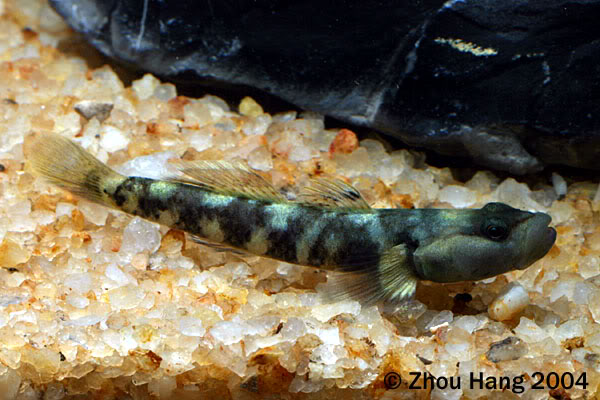
概要
| 字段 | 值 |
|---|---|
| 类别 | 鱼 |
| 学名 | Rhinogobius yaoshanensis |
| 别名 | 瑤山吻鰕虎魚、Ctenogobius yaoshanensis |
| 分类 | 虾虎鱼目 Gobiiformes › 虾虎鱼科 Gobiidae › Rhinogobius |
| 水体 | 淡水 |
| 原产地 | 中国 |
| 成体体长 | 4.5 cm |
| 饲养难度 | 中等 |
| 最小水体 | 54 L |
| 最小缸长 | 60 cm |
| 群居方式 | 群游 |
| 水流偏好 | 高 |
| 外部数据 | seriouslyfish rhinogobius-yaoshanensis;fishbase 60224 |
水质参数
| 参数 | 耐受范围 | 最适范围 | 单位 |
|---|---|---|---|
| 水温 | 16–24 | — | °C |
| pH | 6–8 | — | — |
| 总硬度 | 2–15 | — | dGH |
概述
瑶山吻鰕虎鱼(Rhinogobius yaoshanensis)是一种来自广西金秀地区的小型溪流虾虎鱼。虽然这个名字长期出现在贸易名单上,出售个体却未必符合本种的形态鉴别特征,不能把商品标签当作身份保证。
分布与栖息地
已知记录集中于广西东部金秀瑶族自治县附近的溪流。它可能主要栖居在浅、流动且含氧充足的源头与小支流,急浅滩之间穿插水潭或小瀑布。底部推测有石砾、沙、巨石堆和局部落叶,降雨后可能短时浑浊;这些微生境信息仍带有推测性质。
饲养环境
可采用溪流式布景,以大小石块、沙和细砾铺底,配沉木、陶管及花盆制造缝隙与阴影,阻隔视线。坚韧的附生水草可固定在石木表面。保持高溶氧、适当循环和洁净水质,比持续制造强烈急流更重要。每周换水约三成至一半,避免有机物积累。
食性与喂食
吻鰕虎鱼属通常捕食小型无脊椎动物与甲壳类。按这一属的喂养建议,可轮换红虫、蚊幼虫、丰年虾、水蚤、糠虾等活饵或冷冻饵料。干饲料可能需适应才会接受,不宜作为常规唯一食物。
补充说明
本种的鳞片分布与头部感觉孔具有鉴别价值,外观呈较扁而修长的轮廓。相近种之间误标、混装和缺少产地资料很常见,因此需要结合细部形态与采集地辨识。不能仅凭吻鰕虎鱼属的共性,就为本种确定具体繁殖或洄游方式。
图片
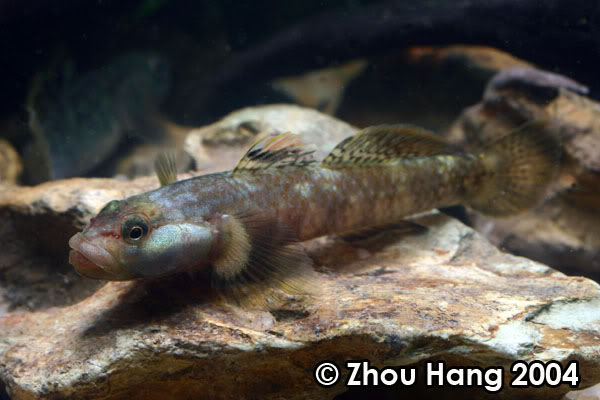
图片来自 SeriouslyFish,版权归各摄影者所有。
English
Overview
The name Rhinogobius yaoshanensis occurs in ornamental trade lists, but fish sold under it have not consistently matched diagnostic descriptions. This small goby is associated with the Jinxiu area of Guangxi. A commercial name alone is therefore poor evidence of identity.
Distribution & habitat
Known records are concentrated in streams draining Jinxiu Yao Autonomous County in eastern Guangxi. Shallow, oxygen-rich headwaters and minor tributaries are considered the likely habitat. Such settings would contain riffles, runs, pools, and sometimes small cascades, over sand, gravel, rocks, and patches of leaves. These habitat details remain partly inferred. Heavy rainfall can temporarily deepen and muddy the streams.
Aquarium setup
A stream-style arrangement combines rocks of different sizes with sand and fine gravel. Wood, ceramic pipes, or pots can form shaded retreats and interrupt direct views across the aquarium. Hardy attached plants are optional. Prioritize clean water, oxygen, and circulation instead of maintaining an unnecessarily violent current. Weekly replacement of approximately 30–50% of the water is suggested to limit organic pollution.
Diet & feeding
Feeding advice for the genus is based on small invertebrate prey. Supply varied live or frozen bloodworms, mosquito larvae, brine shrimp, water fleas, or mysids. Dry food may be accepted after an adjustment period but should not become the routine sole food.
Notes
Scale distribution and sensory pores on the head contribute to identification, together with its rather flattened, elongated profile. Mixed shipments and missing locality records make comparisons harder. Genus-wide information about breeding migrations does not establish the reproductive requirements of this particular species.
来源
- https://www.seriouslyfish.com/species/rhinogobius-yaoshanensis(抓取于 2026-10-10)
rhinogobius-yaoshanensis · 文件: data/species/rhinogobius-yaoshanensis.md · 状态: 草稿