Rhinogobius sp. 'CB'
概要
| 字段 | 值 |
|---|---|
| 类别 | 鱼 |
| 学名 | Rhinogobius sp. 'CB' |
| 分类 | 虾虎鱼目 Gobiiformes › 虾虎鱼科 Gobiidae › Rhinogobius |
| 水体 | 淡水 |
| 原产地 | 日本 |
| 群居方式 | 群游 |
| 外部数据 | seriouslyfish rhinogobius-sp-cb |
| 繁殖方式 | 附着产卵 |
概述
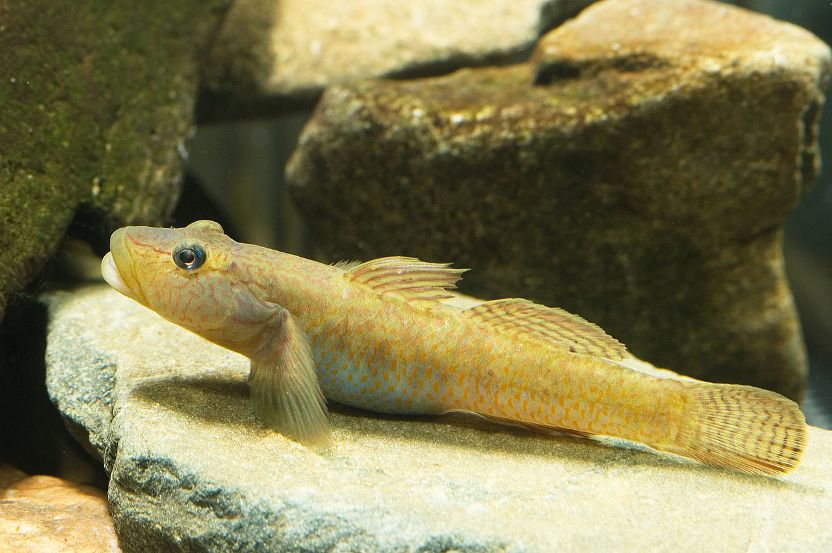
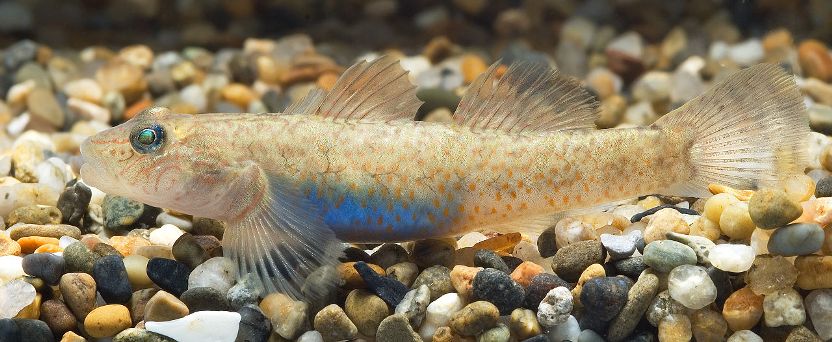
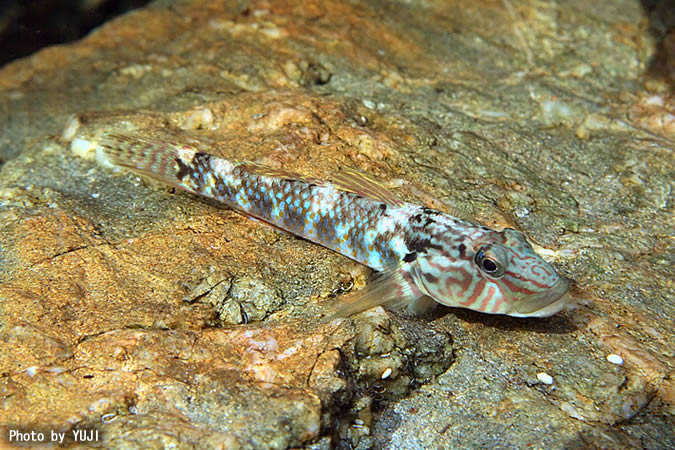
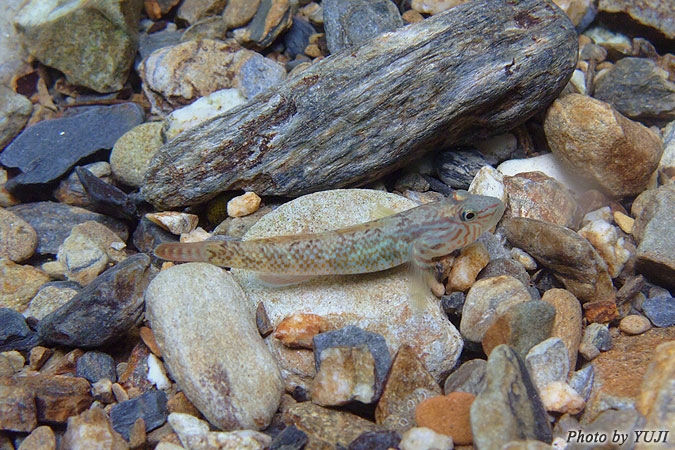
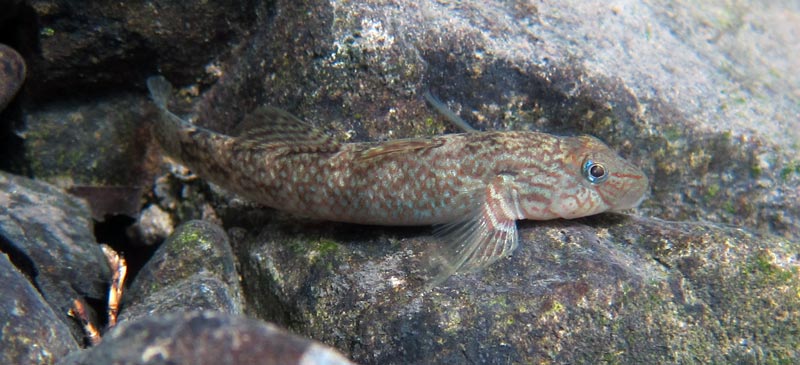
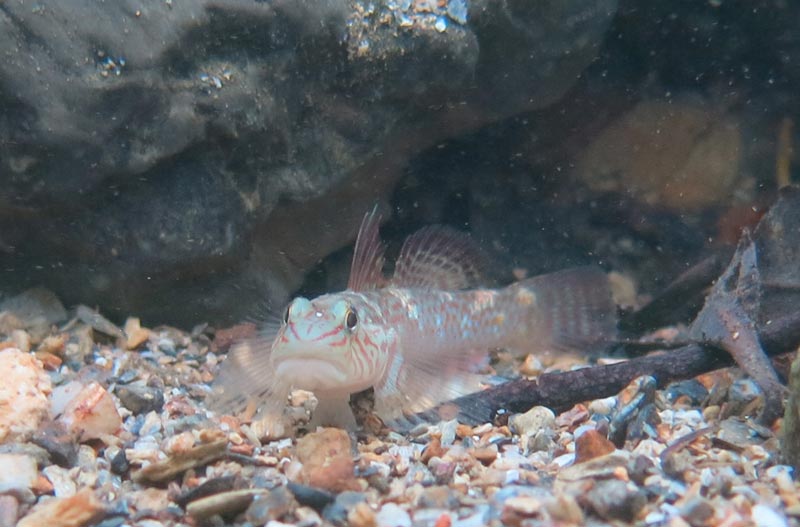
Rhinogobius sp. 'CB' 是日本广布的未定名吻虾虎,CB 指体侧深色横带。不同种群既有需要河海迁移的类型,也有全程在淡水生活的陆封型,育苗前不能只根据这个代码确定盐度需求。
分布与栖息地
分布于日本大部分地区,北海道除外。在所属未定名近缘群中,它是日本较常见的一型。
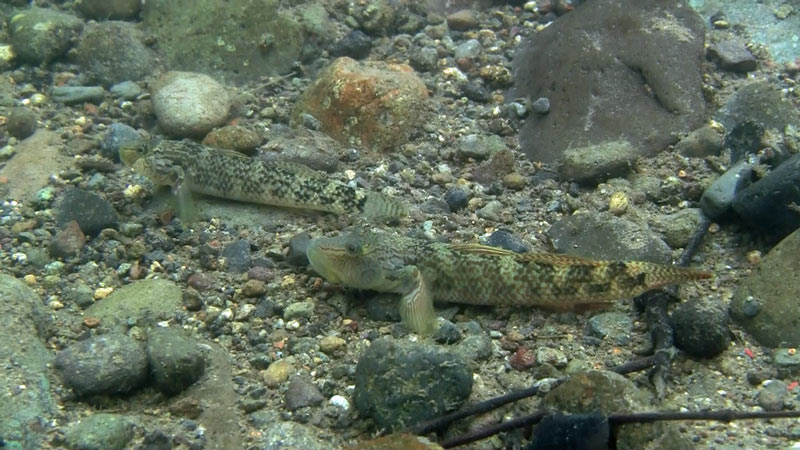
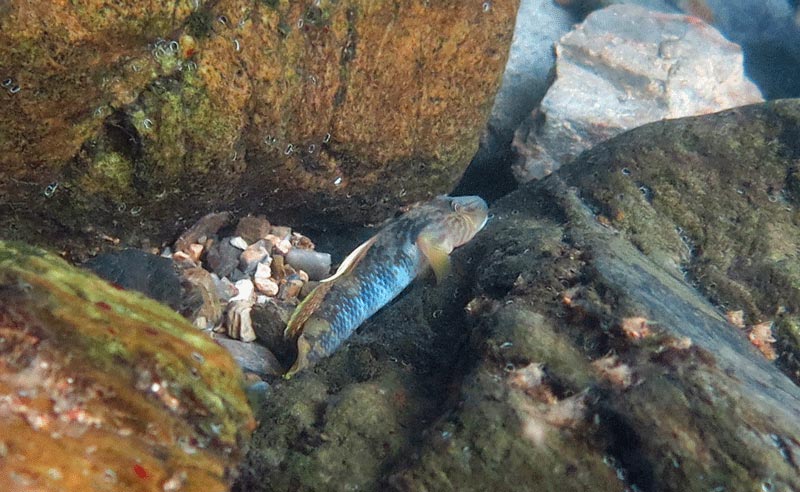
生活在小型支流和溪流,底床为砾石、岩块、大石与裸露基岩,水流、深度和浑浊度随季节改变。
繁殖
部分种群具有两侧洄游生活史:成鱼在淡水或汽水溪流生活和产卵,孵化后的漂浮仔鱼顺水进入海中,随后在汽水至海水的河口育幼区发育。到一定阶段再上溯,有的进入淡水支流,有的停留于受潮汐影响的下游。
其他陆封种群全部生活史都在淡水中完成,卵通常比洄游型大,因此不能一律要求加盐,也不能保证所有来源都能纯淡水育苗。
野外繁殖活跃于夏季至初秋。雄鱼围绕较平的石块建立临时繁殖领域,卵附在石下。产后雌鱼被赶走,雄鱼单独照顾和守护卵。
补充说明
CB 是 cross band 的缩写,为颜色特征代码,不是正式种加词。它属于 Rhinogobius brunneus 复合群,近似外观和未定名状态并不意味着所有地方种群生物学都完全相同。
背鳍前裸露或少量鳞片等特征用于近缘群鉴别,不能误解为全身无鳞。人工饲养参数和具体繁殖操作仍需依靠可靠种群来源确定。
图片
图片来自 SeriouslyFish,版权归各摄影者所有。
English
Overview
Rhinogobius sp. 'CB' is a widespread but formally unresolved Japanese goby, its code referring to dark cross bands. Populations include both migratory and entirely freshwater life histories. The code alone cannot determine larval salinity requirements.
Distribution & habitat
It occurs across much of Japan except Hokkaido and is among the commonest Japanese forms in its unresolved species complex.
Small tributaries and streams provide gravel, rocks, boulders, and exposed bedrock. Flow, depth, and turbidity change with the seasons.
Breeding
Some populations are amphidromous. Adults live and spawn in fresh or brackish streams, while newly hatched drifting larvae move downstream to the sea. Early development continues in estuarine nursery areas ranging from brackish to marine conditions. At a later stage fish move upstream, either entering freshwater tributaries or remaining in tidal lower reaches.
Landlocked populations complete the entire cycle in fresh water and generally produce larger eggs. Salt addition is therefore not universally required, while freshwater-only rearing cannot be assumed for every origin.
Wild reproductive activity occurs from summer into early autumn. Males defend temporary spawning areas around relatively flat stones, with eggs deposited underneath. After spawning, the female is driven away and the male tends and guards the brood.
Notes
CB abbreviates cross band, a pattern code rather than a formal species epithet. Membership of the Rhinogobius brunneus complex does not establish identical biology among every local population.
A naked or sparsely scaled predorsal area is a comparative character, not evidence of a wholly scaleless body. Practical care and breeding choices require dependable population information.
来源
- https://www.seriouslyfish.com/species/rhinogobius-sp-cb(抓取于 2026-10-10)
rhinogobius-sp-cb · 文件: data/species/rhinogobius-sp-cb.md · 状态: 草稿