短吻红斑吻鰕虎鱼 · Red-spotted Goby
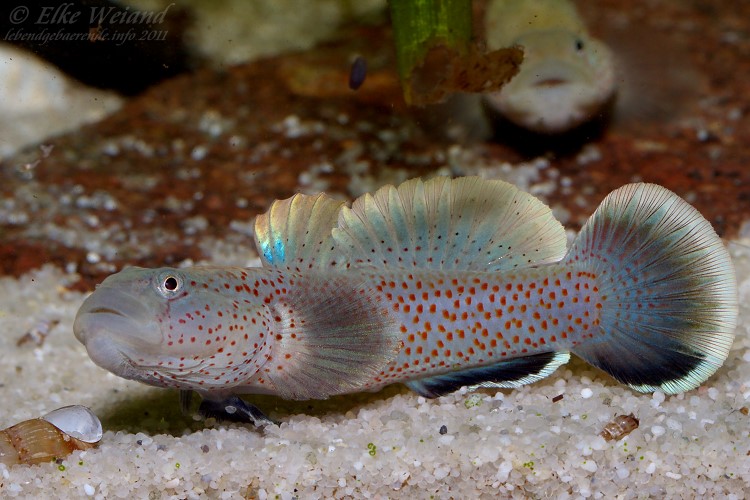
概要
| 字段 | 值 |
|---|---|
| 类别 | 鱼 |
| 学名 | Rhinogobius rubromaculatus |
| 别名 | 短吻褐斑吻鰕虎、短吻紅斑吻鰕虎魚 |
| 分类 | 虾虎鱼目 Gobiiformes › 虾虎鱼科 Gobiidae › Rhinogobius |
| 水体 | 淡水 |
| 原产地 | 台湾 |
| 成体体长 | 5.5 cm |
| 饲养难度 | 中等 |
| 最小水体 | 54 L |
| 最小缸长 | 60 cm |
| 群居方式 | 群游 |
| 领地性 | 是 |
| 水流偏好 | 高 |
| 外部数据 | seriouslyfish rhinogobius-rubromaculatus;fishbase 27214 |
| 繁殖方式 | 附着产卵 |
水质参数
| 参数 | 耐受范围 | 最适范围 | 单位 |
|---|---|---|---|
| 水温 | 18–24 | — | °C |
| pH | 6–8 | — | — |
| 总硬度 | 5–12 | — | dGH |
概述
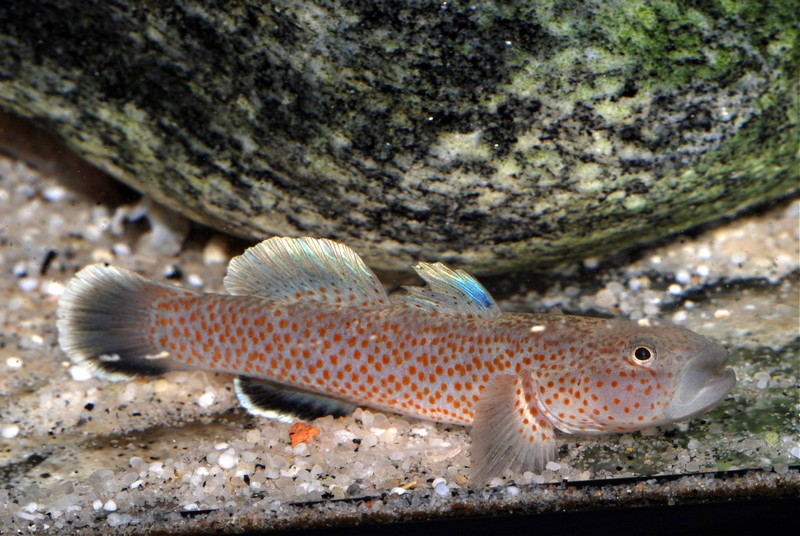
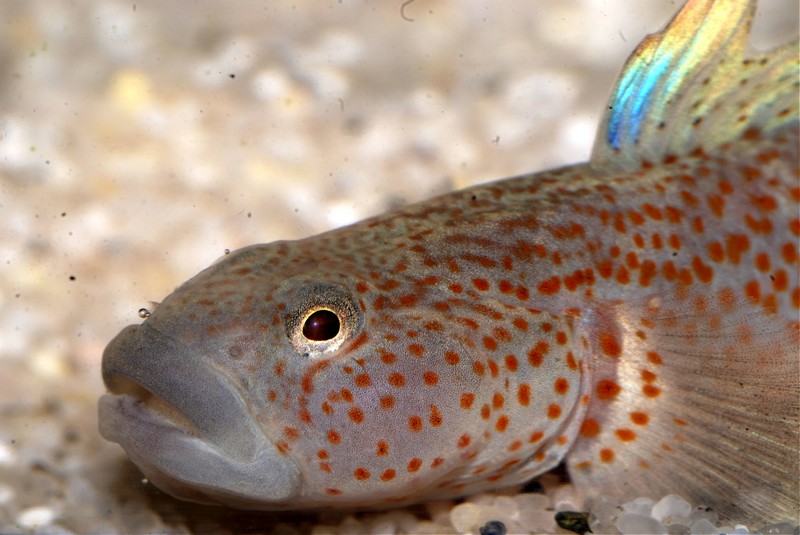
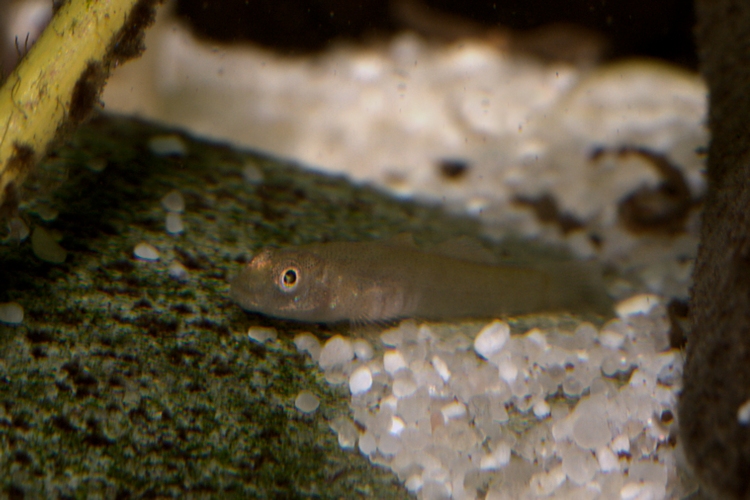
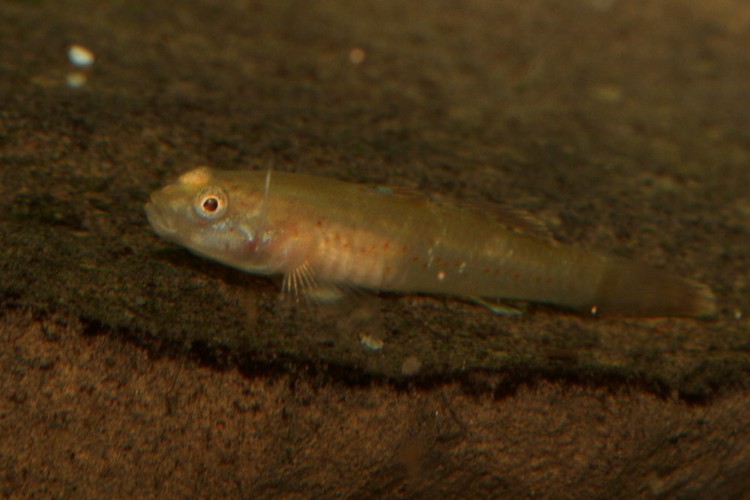
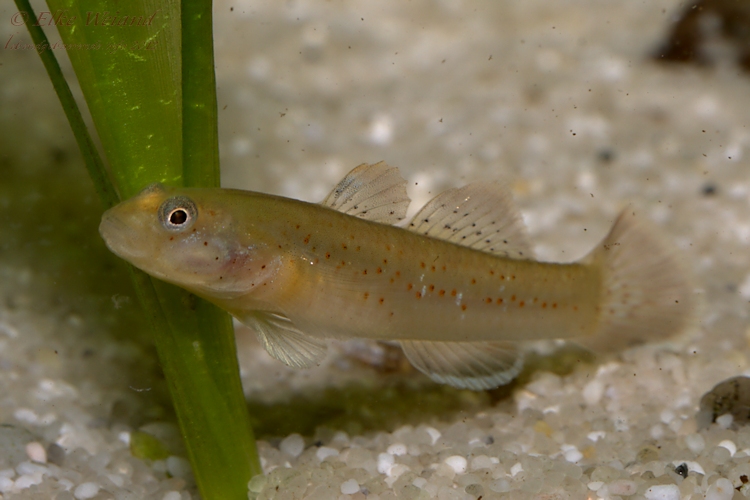
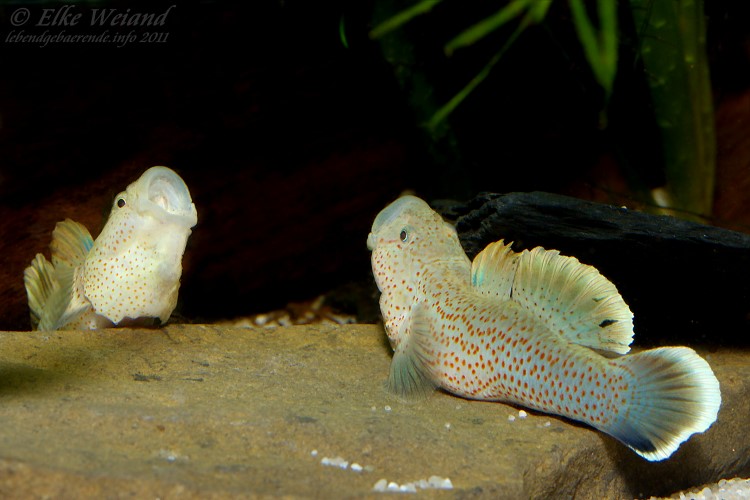
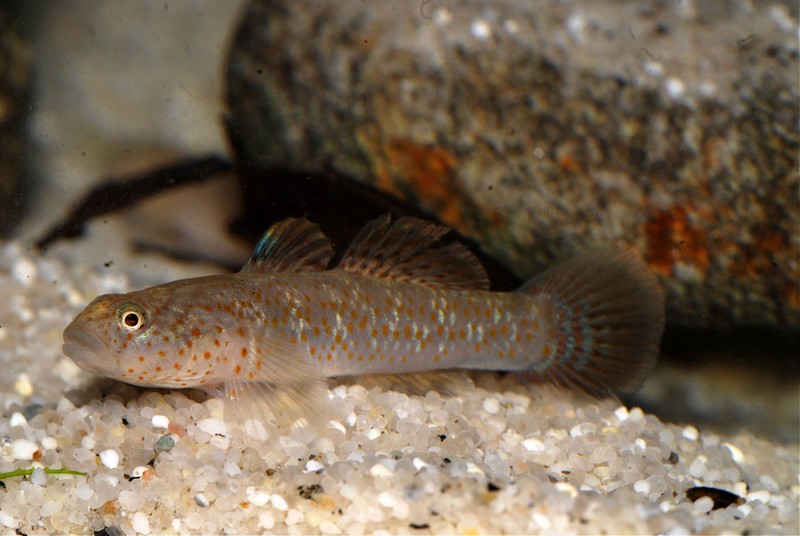
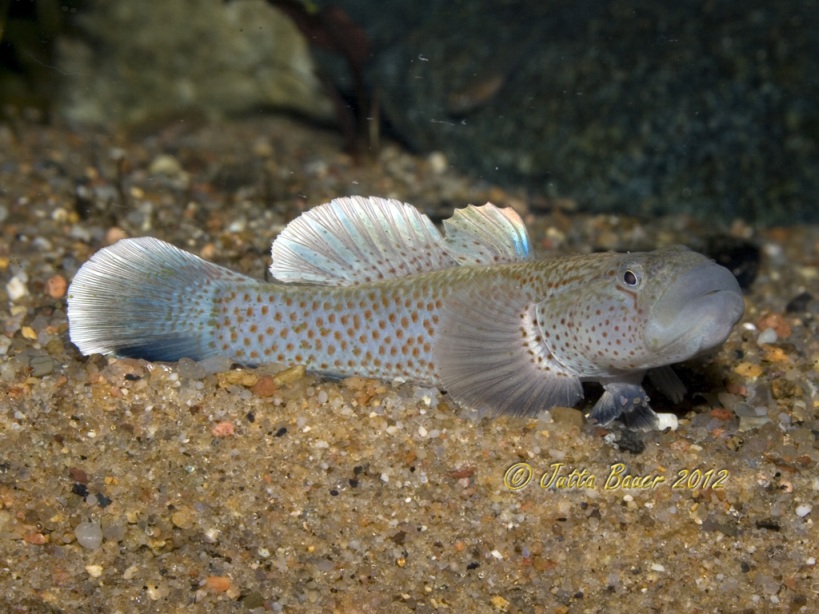
短吻红斑吻鰕虎鱼(Rhinogobius rubromaculatus)是台湾特有的小型虾虎鱼,身体和多数鳍上散布红点。不同地区的个体在斑纹、体形和雌雄差异上并不完全相同。它在吻鰕虎鱼中属于较容易人工繁殖的一类,缸内可以全年产卵。
分布与栖息地
分布主要在台湾中西部,另有南部林边溪种群,东向水系未见分布。它生活于低至中海拔的支流与源头溪流,常见环境是岩石、卵石底的缓流小溪或水潭。强降雨后流速、水深和浑浊度会明显增加。
饲养环境
以沙、细砾和圆石布置溪流缸,用沉木、陶管及花盆建立多个阴影、缝隙和视线屏障。耐流水的附生水草可以固定在造景上。充足溶氧和水体循环比持续猛烈冲刷更重要。每周换水约三成至一半,避免有机污染积累;短时偏暖环境也更需要保证溶氧。
食性与喂食
可参考吻鰕虎鱼属捕食小型无脊椎动物的习性,轮换红虫、蚊幼虫、丰年虾、水蚤及糠虾等活饵或冷冻饵料。部分个体适应后会吃干饲料,但不宜长期单用干饲料。
习性与混养
温和、环境需求相近的中上层小鱼较适合做伴;底层伙伴应避开抢食凶猛、领地性强的鱼。多数慈鲷与大型鱼不适宜,小虾也有被捕食的风险。不要混养其他吻鰕虎鱼,以免在杂交可能性尚未厘清时混杂繁殖。
雄鱼之间会争夺领地,但遮蔽充足时严重受伤并不常见。同种伙伴有助于保持活跃,可安排至少两雄,雌鱼数量相同或更多。
雌雄区分
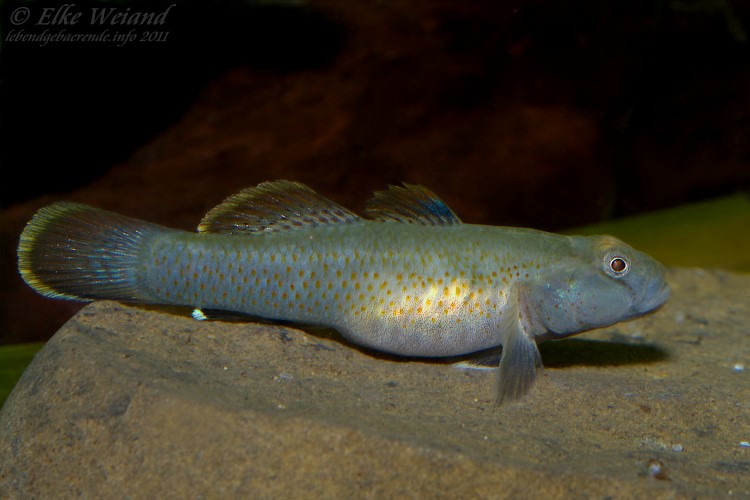
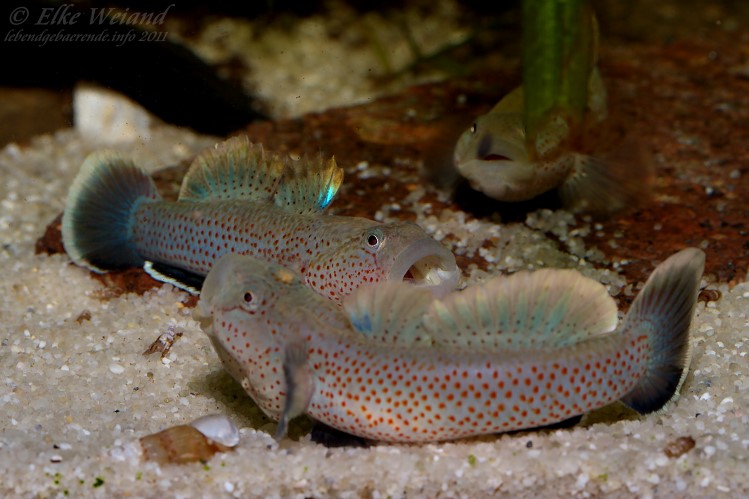
雄鱼通常略大、颜色较鲜明,头更宽,背鳍和臀鳍延长。抱卵雌鱼体内可见蓝色卵块。林边溪型的雌雄差异没有其他种群那么明显。
繁殖
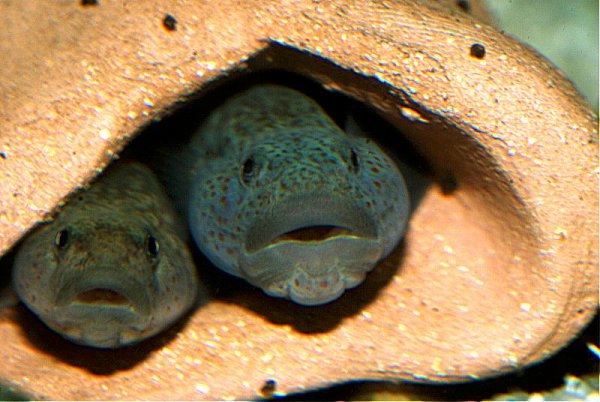
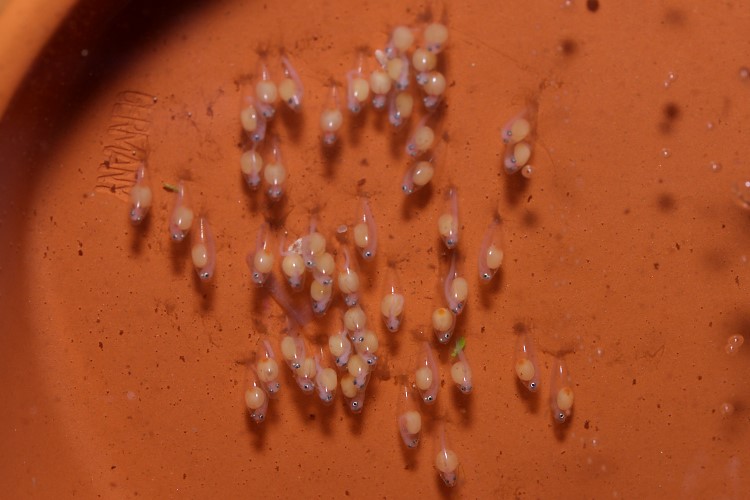
在洞顶产卵,由雄鱼护卵至孵化。可用平石、陶管或花盆提供多个地点。亲鱼会躲在洞内两至三天,完成后雄鱼驱离雌鱼,期间不宜打扰。初次繁殖可能吃卵或受精不佳,之后有机会改善。产后移走其他鱼,或把雄鱼和卵连水一起转移。
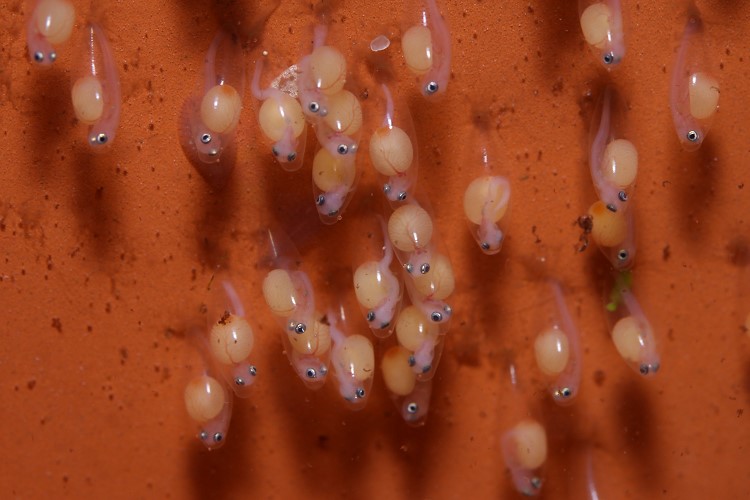
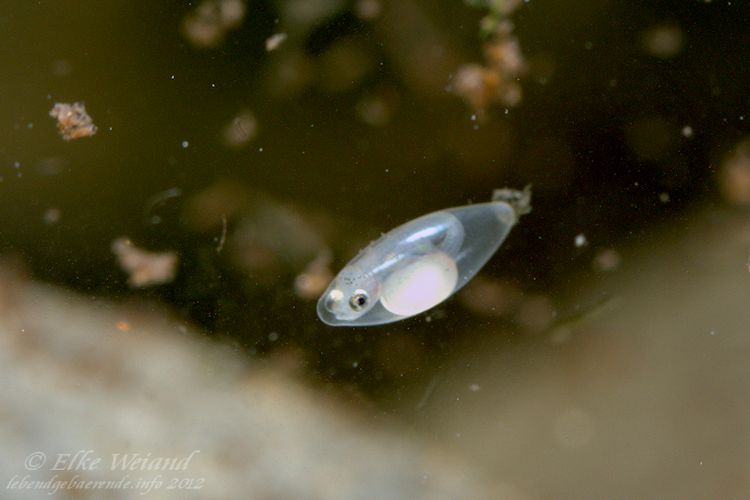
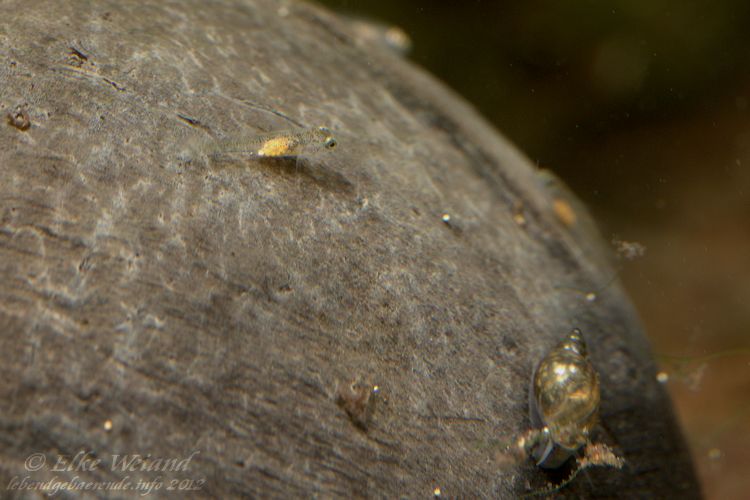
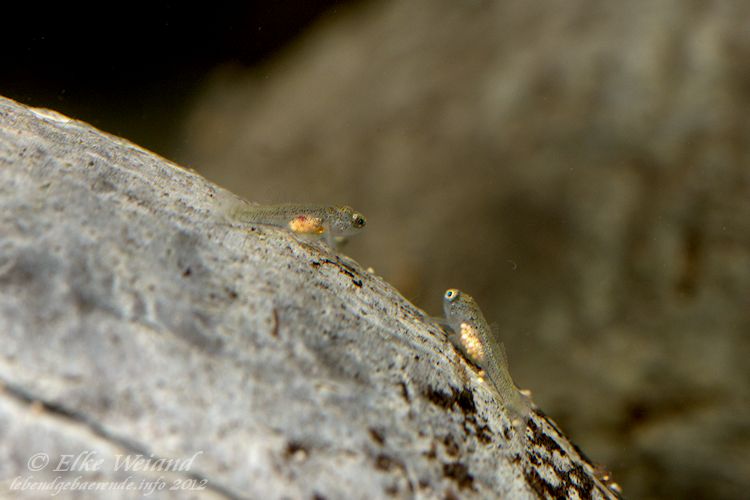
一窝通常二十至一百枚卵,孵化约需九至十一天。鱼苗没有浮游阶段,带着少量卵黄囊落到底部即开始觅食,可马上提供丰年虾幼体或微虫。这一点不能与同属其他种的浮游鱼苗混为一谈。
补充说明
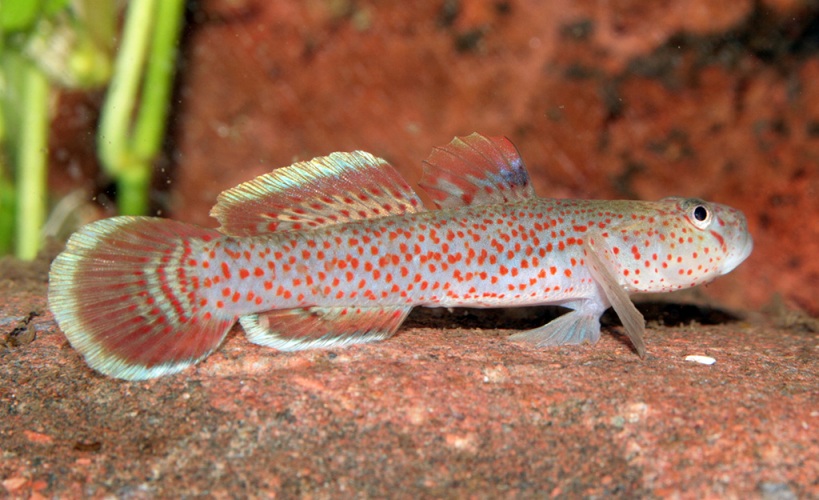
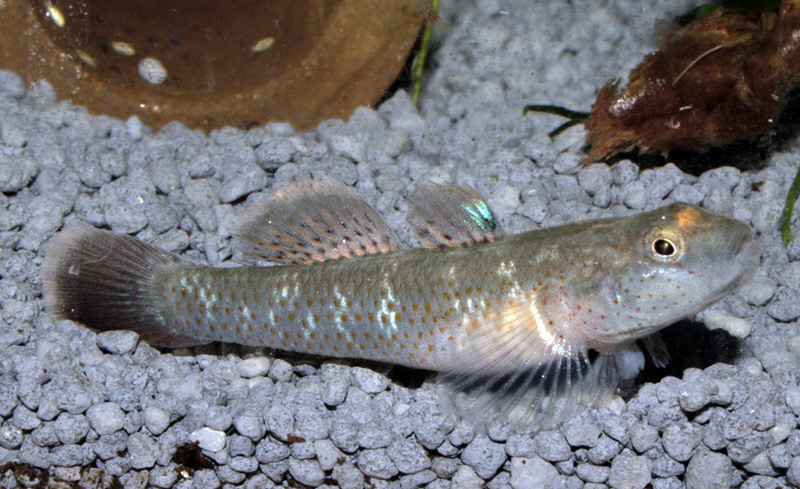
林边溪型体形较小、红点更大更鲜明,第一背鳍前部有深色斑,也曾以红色型销售。它与中北部种群的遗传差异较小,仍作为同种处理;其他相似商品名则不一定代表本种。
图片
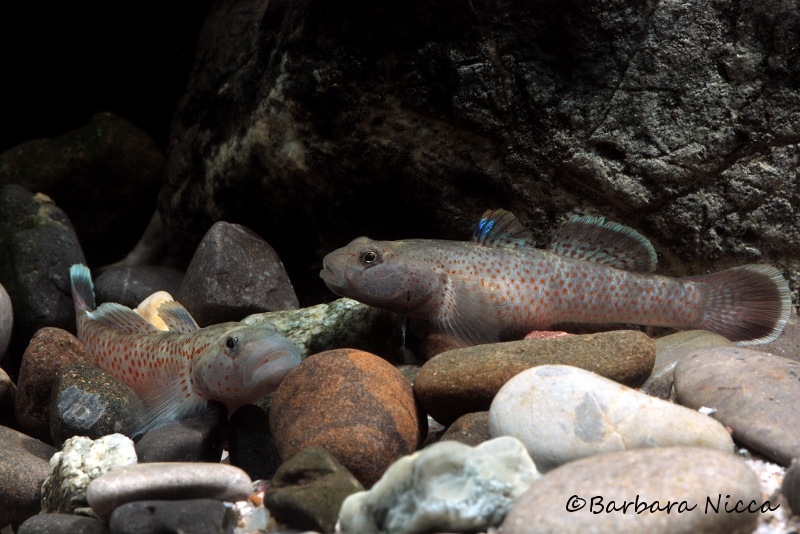
图片来自 SeriouslyFish,版权归各摄影者所有。
English
Overview
The red spots of Rhinogobius rubromaculatus vary with locality, as do body size and the strength of sexual differences. This Taiwanese endemic is among the more manageable members of its genus to breed, with spawning possible throughout the year in aquaria.
Distribution & habitat
Most records come from central and western Taiwan, with a further population in the southern Linbian drainage. East-flowing systems are outside its known range. It occupies low- and middle-elevation tributaries and headwaters, often in slow brooks or pools over stones and pebbles. Heavy rain can briefly replace these conditions with deeper, faster, sediment-laden water.
Aquarium setup
A rocky stream layout should include sand, gravel, shaded cavities, and broken sightlines. Wood and ceramic shelters are useful; hardy attached plants can be added. Maintain oxygenation and circulation without forcing the fish into uninterrupted heavy flow. Replace roughly 30–50% of the water weekly and prevent organic waste from accumulating. Oxygen remains especially important during temporary warm conditions.
Diet & feeding
General feeding guidance for Rhinogobius favors small invertebrate foods. Offer varied live or frozen bloodworms, mosquito larvae, brine shrimp, water fleas, and mysids. Acceptance of dry food after acclimation does not make it an appropriate sole regular diet.
Behaviour & compatibility
Peaceful open-water companions from compatible environments can work well. Avoid aggressive feeders, territorial bottom fishes, most cichlids, and large species. Small shrimp may be prey. Exclude other Rhinogobius while hybridization risks remain unresolved.
Males compete for space, but good cover usually prevents serious damage. Keeping conspecific company helps avoid inactivity. A suggested starting group has two or more males and at least as many females.
Sexual dimorphism
Males generally have broader heads, stronger colors, and longer dorsal and anal fins, and are slightly larger. Ripe females may show blue eggs through the abdomen. Sex differences are less pronounced in the Linbian form.
Breeding
The male tends eggs beneath a cave roof. Offer several potential sites using flat stones or ceramic shelters. A pair may disappear for two or three days before the female is expelled; leave it undisturbed. Inexperienced breeders sometimes eat or poorly fertilize their eggs. After spawning, remove other fishes or transfer the male with his clutch while keeping both submerged.
Typical clutches contain 20–100 eggs and hatch after about nine to eleven days. Unlike species with a pelagic larval phase, these young settle directly to the bottom with little yolk remaining and can immediately take brine shrimp nauplii or microworms.
Notes
The smaller Linbian fish has stronger red spotting and a dark mark toward the front of its first dorsal fin. It has been sold as a red form, but the modest genetic differences support retaining it within this species. Other superficially similar trade forms need separate identification.
来源
- https://www.seriouslyfish.com/species/rhinogobius-rubromaculatus(抓取于 2026-10-10)
rhinogobius-rubromaculatus · 文件: data/species/rhinogobius-rubromaculatus.md · 状态: 草稿