南台吻鰕虎鱼
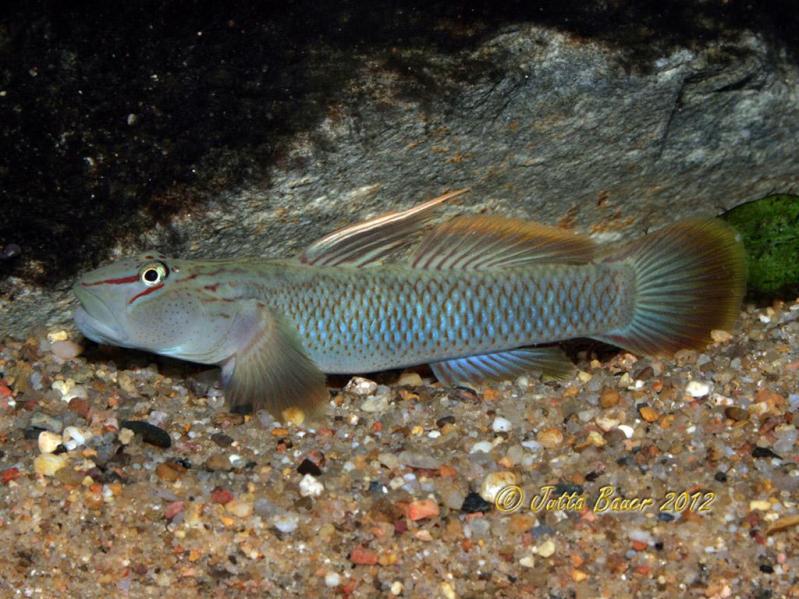
概要
| 字段 | 值 |
|---|---|
| 类别 | 鱼 |
| 学名 | Rhinogobius nantaiensis |
| 别名 | 南台吻鰕虎、南台吻鰕虎魚 |
| 分类 | 虾虎鱼目 Gobiiformes › 虾虎鱼科 Gobiidae › Rhinogobius |
| 水体 | 淡水 |
| 原产地 | 台湾 |
| 成体体长 | 5.5 cm |
| 饲养难度 | 中等 |
| 最小水体 | 54 L |
| 最小缸长 | 60 cm |
| 群居方式 | 群游 |
| 领地性 | 是 |
| 水流偏好 | 高 |
| 外部数据 | seriouslyfish rhinogobius-nantaiensis;fishbase 27072 |
| 繁殖方式 | 附着产卵 |
水质参数
| 参数 | 耐受范围 | 最适范围 | 单位 |
|---|---|---|---|
| 水温 | 18–28 | — | °C |
| pH | 6–8 | — | — |
| 总硬度 | 5–15 | — | dGH |
概述
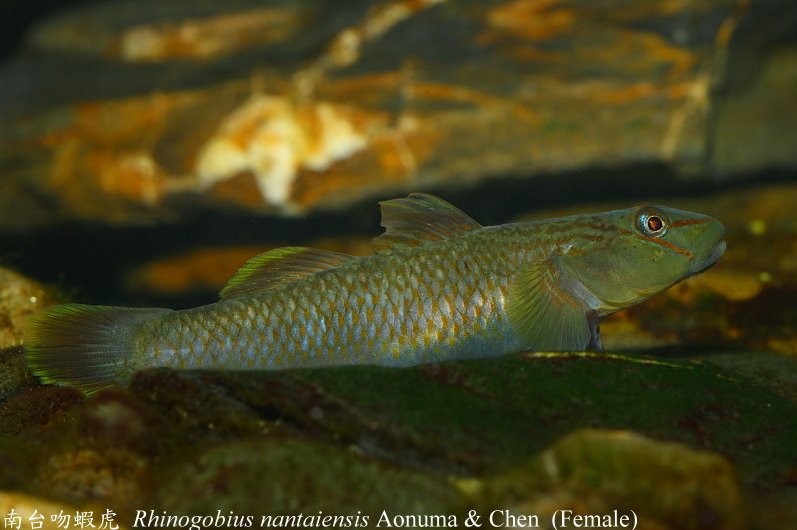
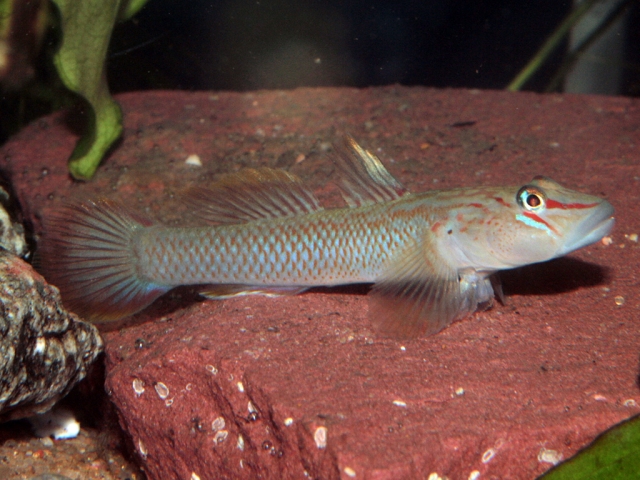
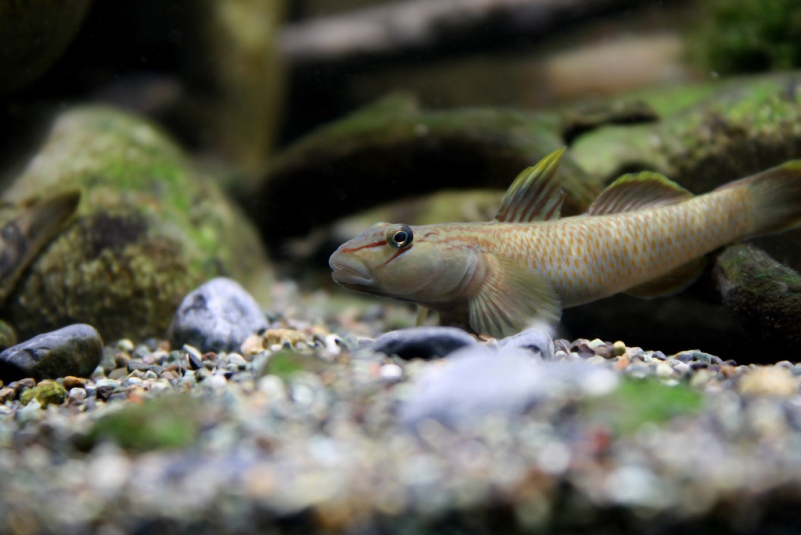
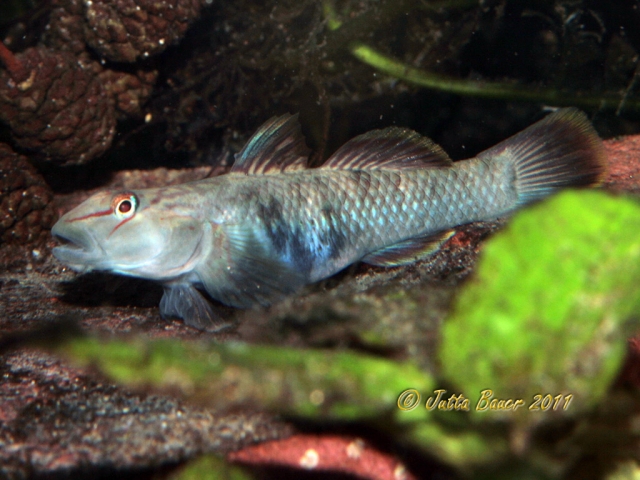
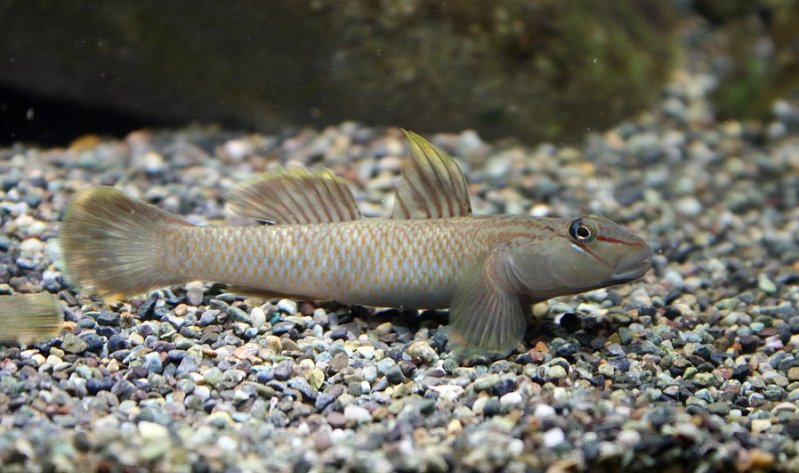
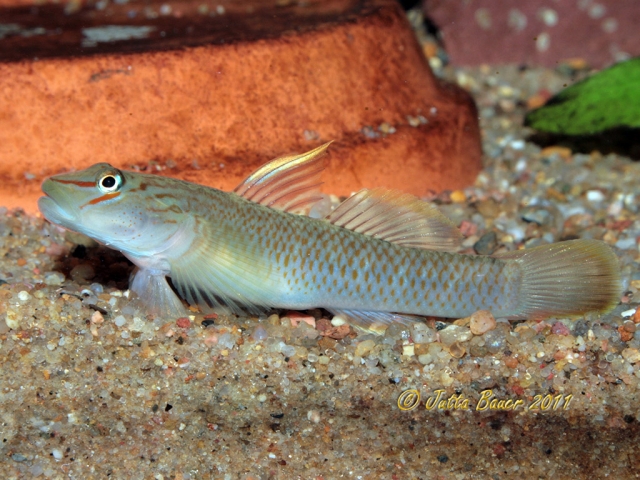
南台吻鰕虎鱼(Rhinogobius nantaiensis)常与明潭吻鰕虎鱼(Rhinogobius candidianus)混装出售,两者很相似。南台吻鰕虎鱼体形较小、吻端较圆,头侧通常有点状花纹。饲养重点是洁净含氧的水、充足遮蔽,以及为数量可观的后代预留空间。
分布与栖息地
严格意义上的本种已知来自台湾南部曾文溪和高屏溪中上游支流,贸易混装并不代表两种鱼在野外同域。推测它栖居于石砾、巨石和裸岩底的溪流,流速与水深受季节降雨影响;这部分生境描述仍有推测成分。
饲养环境
溪流式布景可用沙、细砾、圆石与较大石块,配上沉木和陶制躲避物,形成多个隐蔽角落并阻断视线。附生水草可固定在造景上。确保充足溶氧和适当循环,不必制造持续的猛烈水流。每周换水约三成至一半,防止有机污染累积。
食性与喂食
按吻鰕虎鱼属的小型无脊椎动物食性安排菜单,可交替投喂红虫、蚊幼虫、丰年虾、水蚤与糠虾等活饵或冷冻饵料。适应后可能吃干饲料,但不应长期单用。
习性与混养
可选择环境需求相近、性情温和的中上层小鱼;同缸底栖鱼应避免抢食凶猛或强占领地的种类。多数慈鲷及大型鱼不适合,米虾也有被捕食的风险。不要与其他吻鰕虎鱼混养,尤其是近缘种,因为能否杂交尚不清楚。
雄鱼之间有领地竞争,但遮蔽充足时通常不致严重受伤。它们需要同种伙伴,可从至少两雄、雌鱼数量不少于雄鱼的小群开始。
雌雄区分
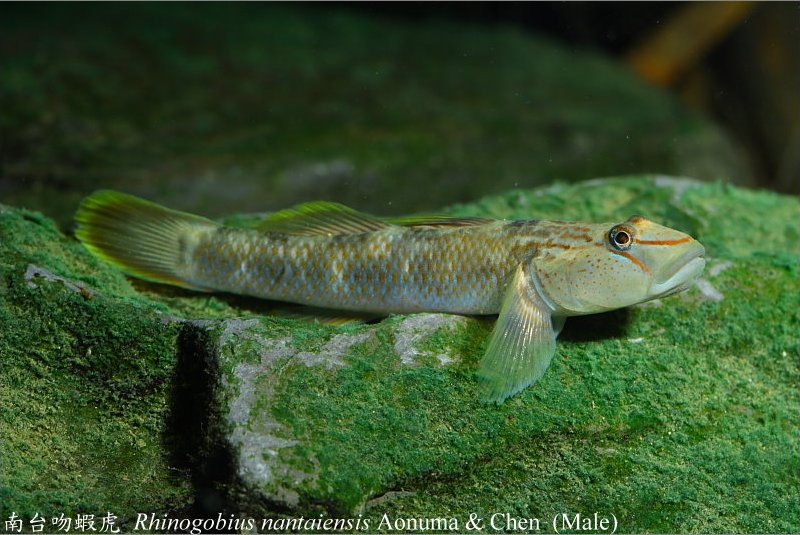
雄鱼第一背鳍的首根鳍条延长,呈白橙色,雌鱼没有这一特征。抱卵雌鱼体内有时可见蓝色卵块。
繁殖
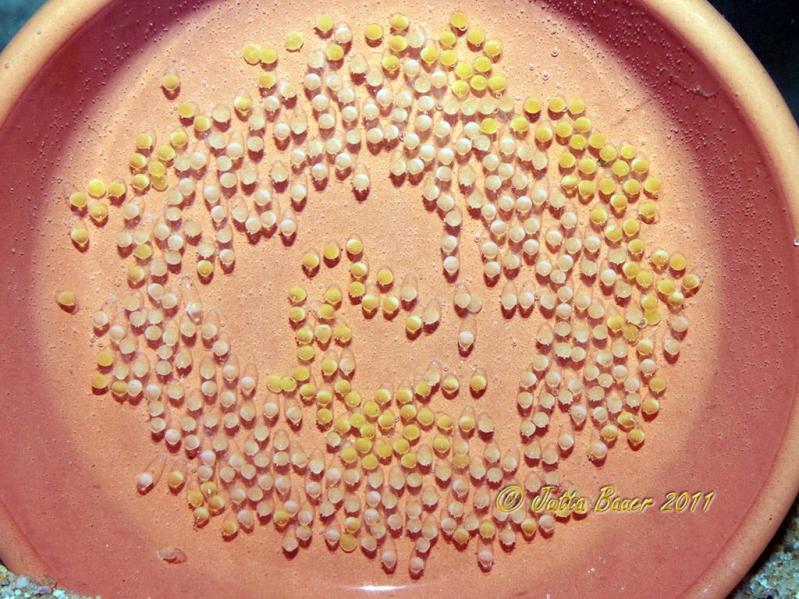
卵附着在洞穴或缝隙顶面,雄鱼护卵。提供多个平石、陶管或花盆组成的产卵处;缺少洞穴时,雄鱼可能在石下挖出空间。亲鱼可在洞内停留两至三天,期间不要打扰,产卵后雌鱼会被驱出。初次繁殖可能出现吃卵、受精不全或卵附着不牢,之后有望改善。
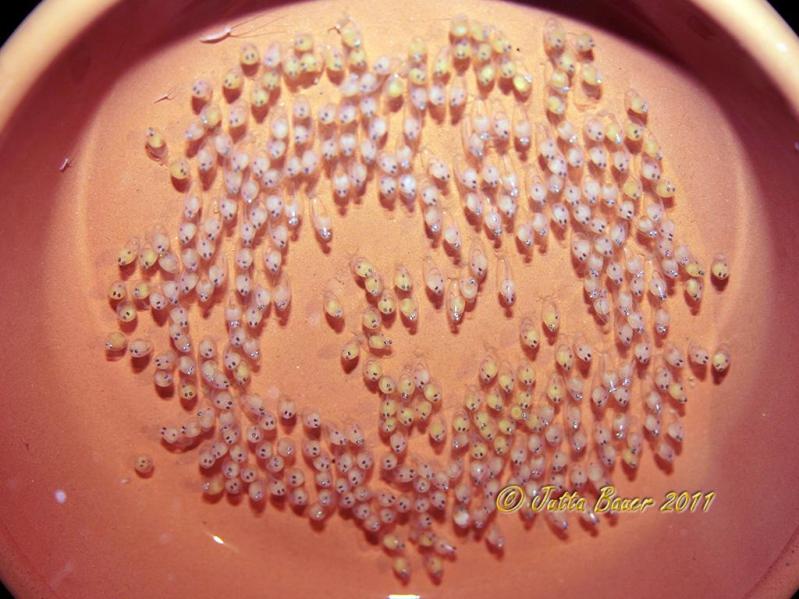
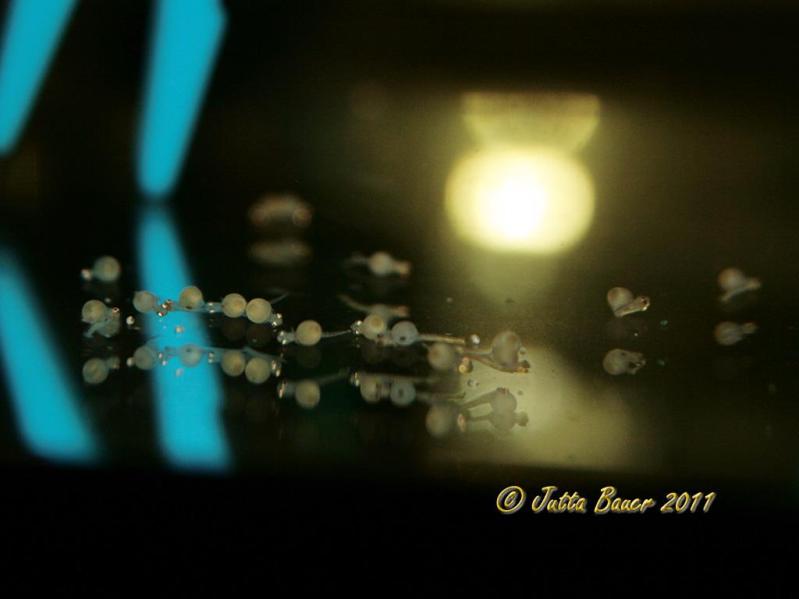
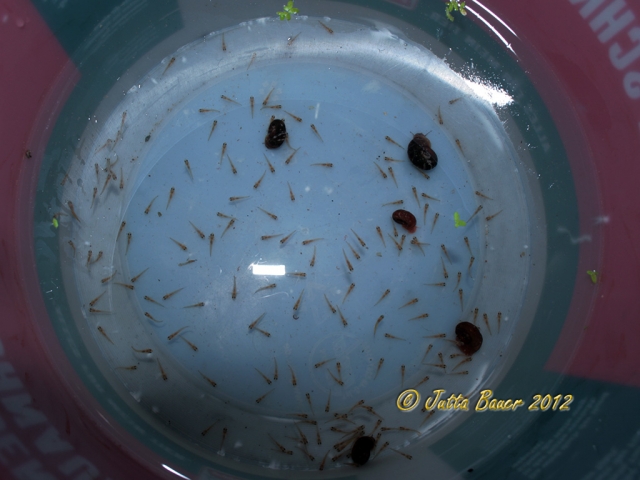
可移走其余鱼,只留下护卵雄鱼,也可将雄鱼与卵一起连水转移。单次曾记录多达四百五十枚卵,通常九至十二天孵化。鱼苗最初在水层中活动,随后转向底部,开口即可喂丰年虾幼体、微虫等小活饵。成活率可能很高,尝试前应有养育一两百尾鱼苗的条件。
补充说明
成鱼尾鳍内侧的蓝色、头侧斑点以及背臀鳍缺少斑点,可辅助辨识。市场混装、近缘种相似和产地信息缺失都会增加误认风险。
图片
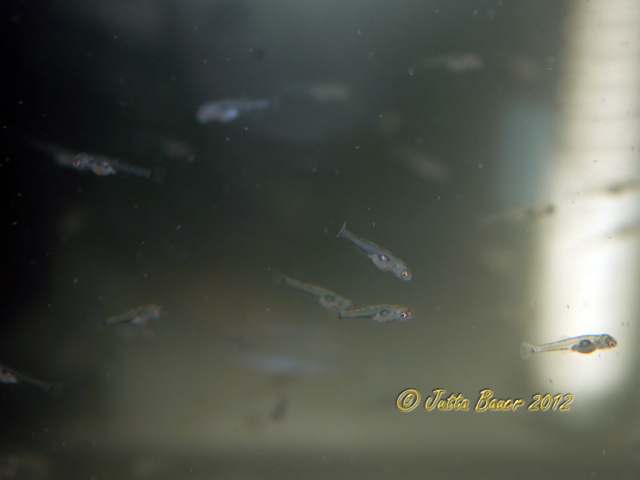
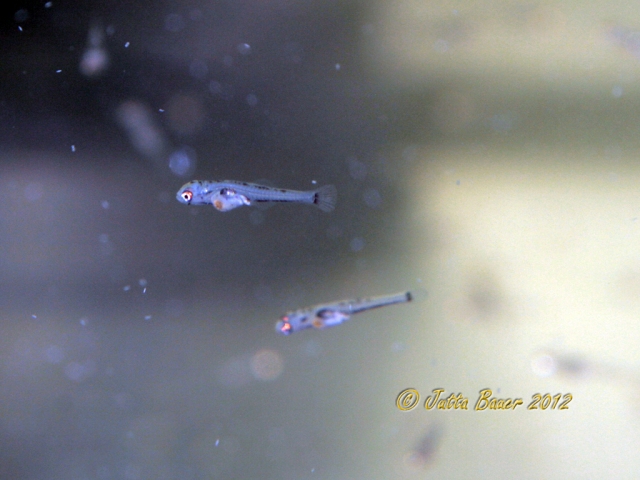
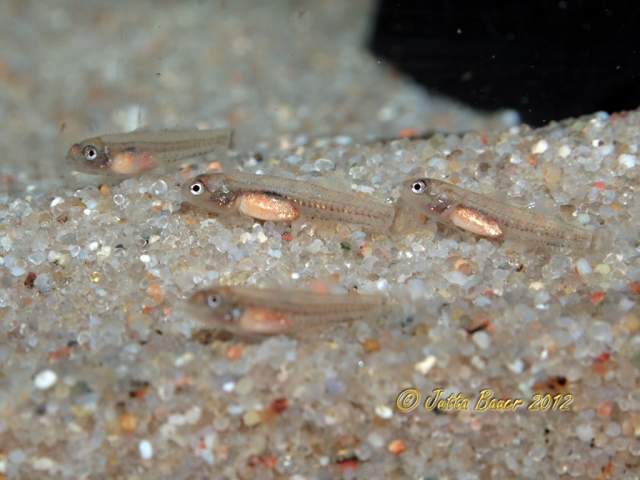
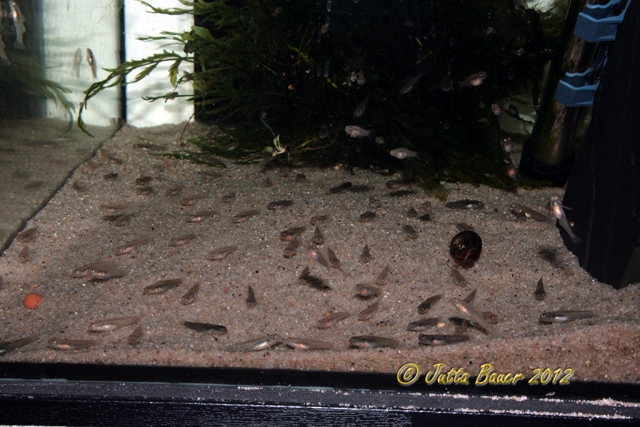
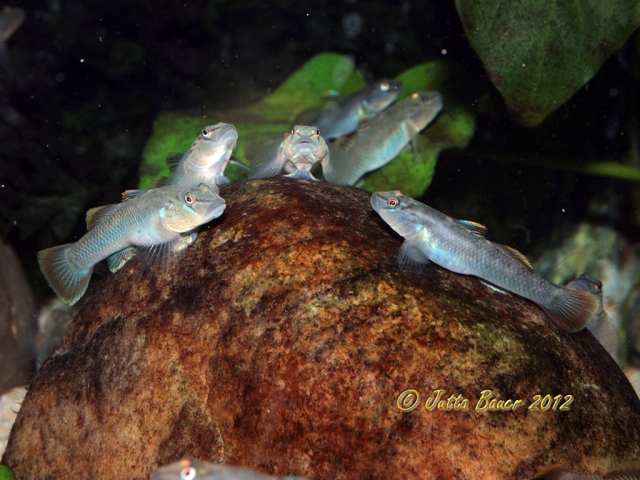
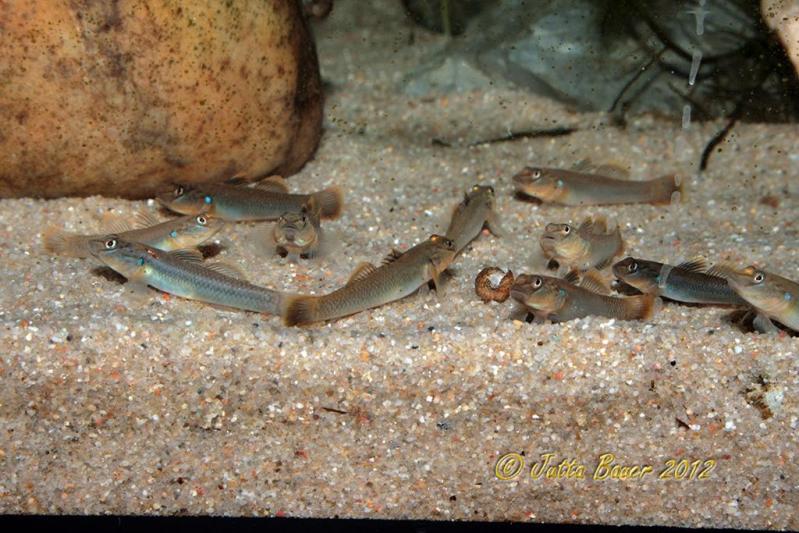
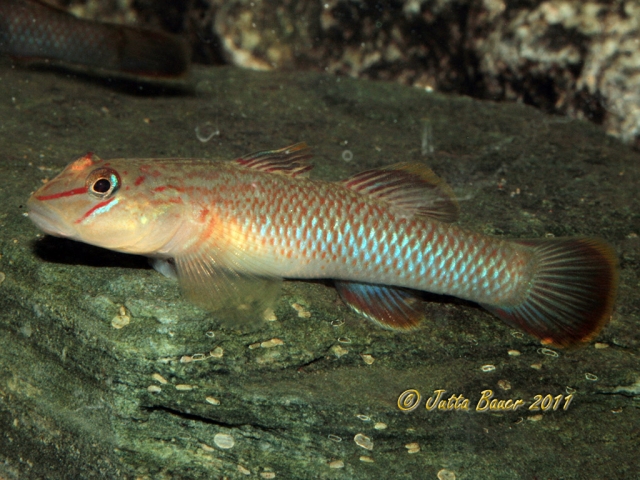
图片来自 SeriouslyFish,版权归各摄影者所有。
English
Overview
Rhinogobius nantaiensis often arrives mixed with the similar Rhinogobius candidianus. A smaller adult size, rounder snout, and usually spotted head sides help distinguish it. Clean oxygenated water and a well-sheltered layout are important, while breeding can produce far more juveniles than a small home setup can accommodate.
Distribution & habitat
Confirmed records of the species in its strict sense concern southern Taiwan, particularly tributaries in the middle and upper Tzengwen and Kaoping basins. Mixed commercial shipments do not establish natural overlap with its look-alike. A habitat of rocky streams with seasonally varying flow is presumed rather than fully documented.
Aquarium setup
Use sand, gravel, and rounded rocks, adding wood or ceramic shelters to create shaded recesses and interrupt sightlines. Hardy attached plants can be included. Strong oxygenation and moderate circulation are preferable to indiscriminate torrent conditions. Prevent organic waste from building up and replace approximately 30–50% of the water weekly.
Diet & feeding
Feeding advice for the genus centers on small invertebrates. Rotate live or frozen bloodworms, mosquito larvae, brine shrimp, water fleas, and mysids. Some fish may accept dry food after settling in, but it should not be the regular sole ration.
Behaviour & compatibility
Peaceful open-water fishes from similar conditions can be suitable companions. Avoid aggressive feeders, strongly territorial bottom dwellers, most cichlids, and large fishes. Small freshwater shrimp risk being eaten. Other Rhinogobius, particularly close relatives, should be excluded while the possibility of hybridization remains unresolved.
Males defend space, but ample cover usually limits serious injury. Conspecific company appears beneficial; a suggested group contains at least two males with an equal or greater number of females.
Sexual dimorphism
The leading ray of a male's first dorsal fin develops a pale orange-white extension. Females lack this feature, and ripe females may show a bluish mass of eggs through the body.
Breeding
Males guard eggs attached beneath a cave roof. Offer several sites using flat stones, tubes, or pots; a male may excavate below a rock if necessary. A pair can remain hidden for two or three days before the female is expelled. Avoid disturbance during spawning. Early attempts may fail through egg eating, poor attachment, or incomplete fertilization.
After spawning, remove the other fishes or transfer the guarding male and clutch together under water. A clutch has contained as many as 450 eggs. Hatching generally takes nine to twelve days. Young initially occupy the water column before settling toward the bottom, and can take brine shrimp nauplii or microworms immediately. Prepare enough rearing space for 100–200 juveniles before encouraging spawning.
Notes
Spotted cheeks, unspotted dorsal and anal fins, and blue in the inner tail of adult males assist identification. Missing locality information and mixed shipments make superficial identifications unreliable.
来源
- https://www.seriouslyfish.com/species/rhinogobius-nantaiensis(抓取于 2026-10-10)
rhinogobius-nantaiensis · 文件: data/species/rhinogobius-nantaiensis.md · 状态: 草稿