老挝吻鰕虎鱼
概要
| 字段 | 值 |
|---|---|
| 类别 | 鱼 |
| 学名 | Rhinogobius mekongianus |
| 别名 | 老撾吻鰕虎魚、Gobius mekongianus、Ctenogobius cephalopardus |
| 分类 | 虾虎鱼目 Gobiiformes › 虾虎鱼科 Gobiidae › Rhinogobius |
| 水体 | 淡水 |
| 原产地 | 老挝、泰国、越南 |
| 成体体长 | 5 cm |
| 饲养难度 | 中等 |
| 最小水体 | 54 L |
| 最小缸长 | 60 cm |
| 群居方式 | 群游 |
| 水流偏好 | 高 |
| 外部数据 | seriouslyfish rhinogobius-mekongianus;fishbase 26861 |
水质参数
| 参数 | 耐受范围 | 最适范围 | 单位 |
|---|---|---|---|
| 水温 | 18–26 | — | °C |
| pH | 6–7.5 | — | — |
| 总硬度 | 2–15 | — | dGH |
概述
老挝吻鰕虎鱼(Rhinogobius mekongianus)分布于湄公河中上游。水族贸易曾把另一种近似吻鰕虎鱼误标为本种,而真正的本种似乎尚未进入市场,购买时尤其需要核对身份。
分布与栖息地
记录来自老挝、越南和泰国的湄公河支流;泰国湄南河流域的所谓本种记录很可能属于其他种。它生活在石砾、巨石和裸露基岩组成的小河与溪流中,水位、浑浊度及流速随季节波动。水中通常少见水草,岸边和悬垂植被却可能十分茂密。
饲养环境
以沙、细砾、大小石块构建溪流底床,利用沉木、陶管和花盆制造遮蔽与视线阻隔。耐受流水的附生水草可固定在造景表面。维持充足溶氧和适量水流即可,不需要全缸急流。对有机污染积累敏感,每周换水约三成至一半,过滤与增氧不可忽视。
食性与喂食
吻鰕虎鱼属通常捕食小型无脊椎动物。可按属级饲养建议,使用红虫、蚊幼虫、丰年虾、水蚤、糠虾等小型活饵或冷冻饵料。干饲料可能在适应后被接受,但不宜作为长期唯一食物。
雌雄区分
成年雄鱼颜色更鲜明,背鳍和臀鳍也比雌鱼略为延长。
繁殖
野外观察提示,它可能在洞穴或缝隙顶部产卵,由雄鱼守护至孵化。尚无可靠的缸内繁殖过程可供照做,不能直接套用其他吻鰕虎鱼的育苗流程。
补充说明
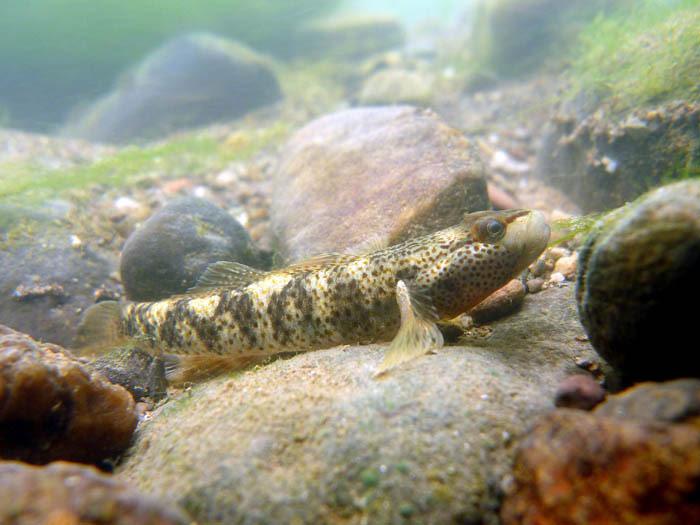
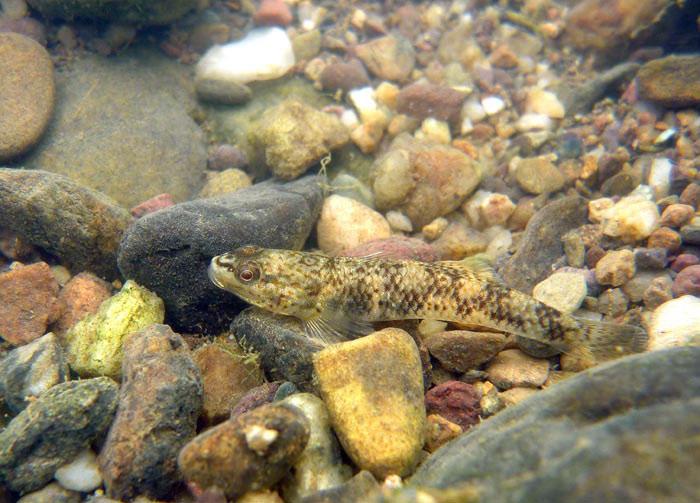
贸易上与本种混淆的近似种(Rhinogobius chiengmaiensis)通常只有五处不规则深色体斑,本种则有七至八处;头部斑点也不同。斑纹是鉴别线索,不能替代采集地和完整形态的核查。
图片
图片来自 SeriouslyFish,版权归各摄影者所有。
English
Overview
The name Rhinogobius mekongianus has been applied incorrectly to a different goby in the aquarium trade. The actual species, associated with the upper and middle Mekong, does not appear to have been marketed itself. Establishing identity is therefore a first concern when evaluating a fish offered under this name.
Distribution & habitat
Known localities occur in Mekong tributaries in Laos, Vietnam, and Thailand. Reports from the Chao Phraya probably concern another species. Its smaller rivers and streams have stony beds, including gravel, boulders, and exposed rock. Seasonal changes affect depth, flow, and clarity. Submerged plants are usually scarce even where bankside vegetation is dense.
Aquarium setup
Combine sand, gravel, and varied rocks in a stream layout. Wood and ceramic shelters can break up sightlines and provide shaded cavities; tough attached plants are optional. Aim for clean, well-oxygenated water with circulation rather than a relentless torrent. Weekly changes of about 30–50% help prevent the organic pollution to which this fish is sensitive.
Diet & feeding
Genus-level guidance for these small invertebrate predators recommends live or frozen bloodworms, mosquito larvae, brine shrimp, water fleas, and mysids. Dry food may be accepted after acclimation but is not a suitable regular substitute for this varied feeding approach.
Sexual dimorphism
Adult males show stronger coloration and somewhat longer dorsal and anal fins than females.
Breeding
Wild observations suggest spawning against the roof of a cavity, followed by male care until hatching. An established aquarium breeding procedure is lacking; developmental requirements should not be borrowed automatically from other members of the genus.
Notes
The fish commonly confused with it is Rhinogobius chiengmaiensis. That species generally has five irregular dark body markings, compared with seven or eight in R. mekongianus. Differences in head spotting provide further clues, but identification still requires more than a trade label.
来源
- https://www.seriouslyfish.com/species/rhinogobius-mekongianus(抓取于 2026-10-10)
rhinogobius-mekongianus · 文件: data/species/rhinogobius-mekongianus.md · 状态: 草稿