斑带吻鰕虎鱼
概要
| 字段 | 值 |
|---|---|
| 类别 | 鱼 |
| 学名 | Rhinogobius maculafasciatus |
| 别名 | 斑带吻鰕虎、斑帶吻鰕虎魚、斑帶吻鰕虎(台湾) |
| 分类 | 虾虎鱼目 Gobiiformes › 虾虎鱼科 Gobiidae › Rhinogobius |
| 水体 | 淡水 |
| 原产地 | 中国台湾 |
| 成体体长 | 5 cm |
| 饲养难度 | 中等 |
| 最小水体 | 54 L |
| 最小缸长 | 60 cm |
| 群居方式 | 群游 |
| 水流偏好 | 高 |
| 外部数据 | seriouslyfish rhinogobius-maculafasciatus;fishbase 27219 |
水质参数
| 参数 | 耐受范围 | 最适范围 | 单位 |
|---|---|---|---|
| 水温 | 18–24 | — | °C |
| pH | 6–8 | — | — |
| 总硬度 | 2–15 | — | dGH |
概述
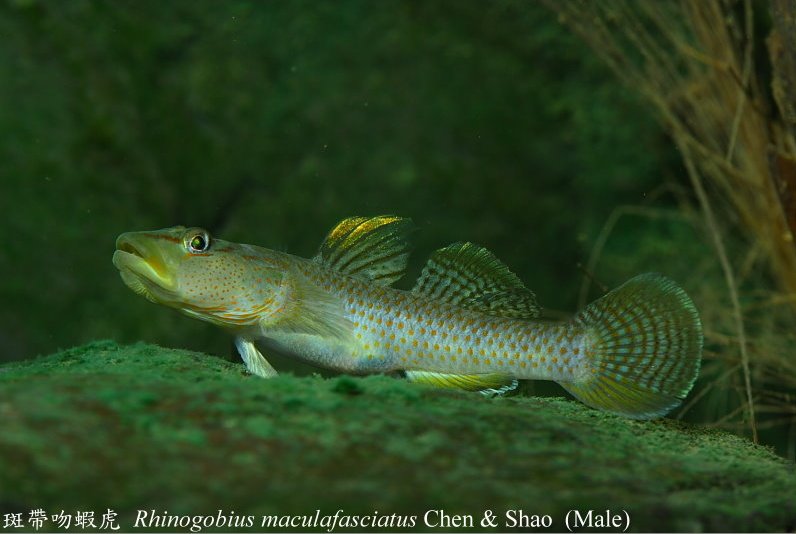
斑带吻鰕虎鱼(Rhinogobius maculafasciatus)来自台湾南部,体形较小而显得修长。只有少数个人采集记录,是否已进入常规观赏鱼贸易并不明确。它的典型生境是有石砾、流速较缓的小溪和溪潭,并非始终身处急流。
分布与栖息地
已知分布限于台湾南部部分河流的中下游,包括曾文溪与高屏溪流域。雨季水深和流速会迅速增加,有时形成洪流,冲起的泥沙也会让溪水短暂浑浊。
饲养环境
用沙、细砾与大小不一的石块构建溪流式底床,再以沉木、陶管或花盆提供阴影和藏身缝隙,减少不同位置之间的直视。耐受这类环境的附生水草可固定在造景上。
需要的是充足溶氧与适度水流,不必让整缸承受猛烈冲刷。过滤、造流和增氧应按实际需要搭配。对有机污染积累敏感,每周换水约三成至一半,并保持水质清洁。
食性与喂食
吻鰕虎鱼属一般以小型无脊椎动物为食。缸内喂养可参考这一特点,交替提供红虫、蚊幼虫、丰年虾、水蚤或糠虾等活饵与冷冻饵料。干饲料可能需要适应后才接受,也不宜作为日常唯一食物。
补充说明
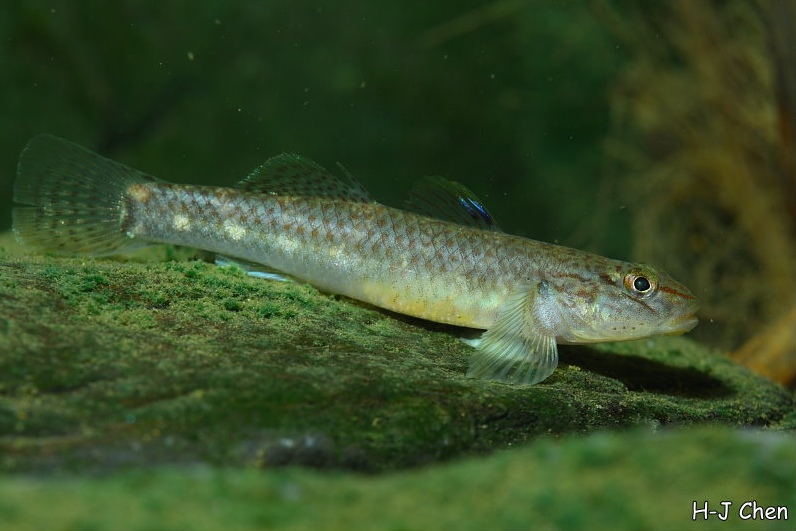
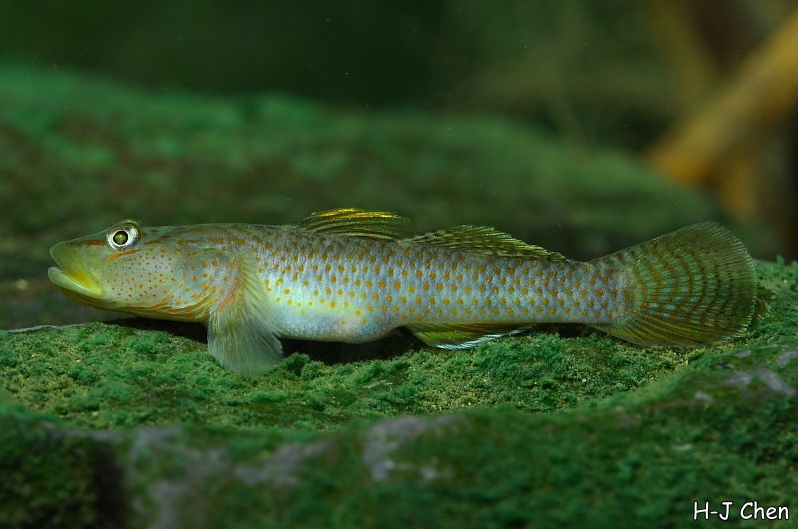
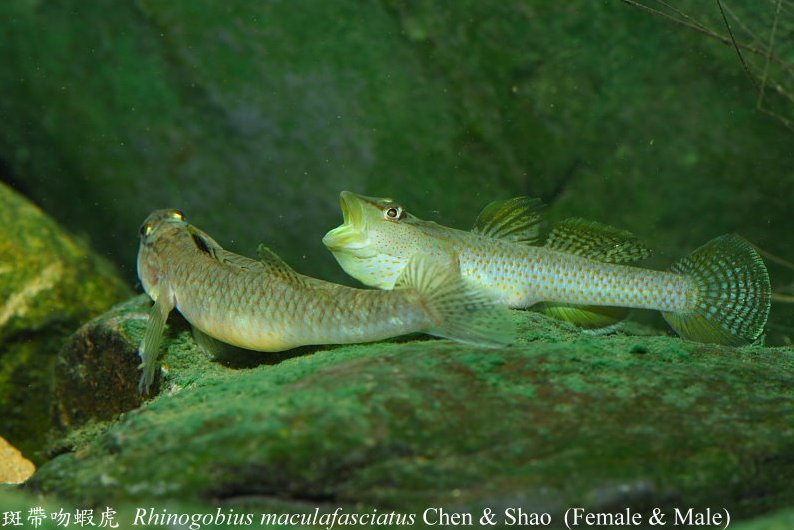
它比其他相关台湾吻鰕虎鱼拥有较少的纵列鳞,以及较少的第一背鳍至胸鳍基部间鳞列,这也让外观看起来较为修长。单靠贸易名称或体色辨种容易出错,采集地点和细部形态同样重要。
图片
图片来自 SeriouslyFish,版权归各摄影者所有。
English
Overview
Rhinogobius maculafasciatus is a small southern Taiwanese goby with a relatively slender appearance. A few private collectors have obtained it, although regular availability in the ornamental trade remains uncertain. Its usual habitats include gently moving brooks and pools rather than continuous torrents.
Distribution & habitat
Confirmed localities lie in the middle and lower reaches of several southern Taiwanese rivers, including the Tzengwen and Kaoping systems. Stones and pebbles dominate the bed. Heavy rainfall can transform these comparatively quiet habitats, increasing depth and current while temporarily suspending sediment.
Aquarium setup
Build a stream-style layout using sand, fine gravel, and rocks of several sizes. Wood, ceramic tubes, or pots can create shaded recesses and interrupt sightlines. Robust plants that attach to hard surfaces are an option where other plants struggle.
Maintain good oxygenation and some circulation without subjecting the entire aquarium to torrent conditions. Filtration, pumps, or aeration can be combined as needed. Organic waste must not accumulate; replacing roughly 30–50% of the water each week is part of the suggested routine.
Diet & feeding
Small invertebrates are the usual prey of gobies in this genus. Following that general feeding guidance, offer a varied selection of live or frozen bloodworms, mosquito larvae, brine shrimp, water fleas, and mysids. Dry food may eventually be accepted, but it is not recommended as the regular sole diet.
Notes
Reduced scale counts help separate this species from related Taiwanese gobies, particularly along the side and between the dorsal and pectoral-fin regions. These features contribute to its elongated appearance. Identification benefits from locality information and close examination, since trade labels alone are unreliable in this group.
来源
ID:rhinogobius-maculafasciatus · 文件: data/species/rhinogobius-maculafasciatus.md · 状态: 草稿