兰屿吻鰕虎鱼
概要
| 字段 | 值 |
|---|---|
| 类别 | 鱼 |
| 学名 | Rhinogobius lanyuensis |
| 别名 | 兰屿吻鰕虎、蘭嶼吻鰕虎魚、蘭嶼吻鰕虎(台湾) |
| 分类 | 虾虎鱼目 Gobiiformes › 虾虎鱼科 Gobiidae › Rhinogobius |
| 水体 | 淡水 |
| 原产地 | 台湾东南近海的兰屿 |
| 成体体长 | 6.7 cm |
| 饲养难度 | 中等 |
| 最小水体 | 72 L |
| 最小缸长 | 80 cm |
| 群居方式 | 群游 |
| 水流偏好 | 高 |
| 外部数据 | seriouslyfish rhinogobius-lanyuensis;fishbase 54599 |
水质参数
| 参数 | 耐受范围 | 最适范围 | 单位 |
|---|---|---|---|
| 水温 | 18–25 | — | °C |
| pH | 6–8 | — | — |
| 总硬度 | 2–15 | — | dGH |
概述
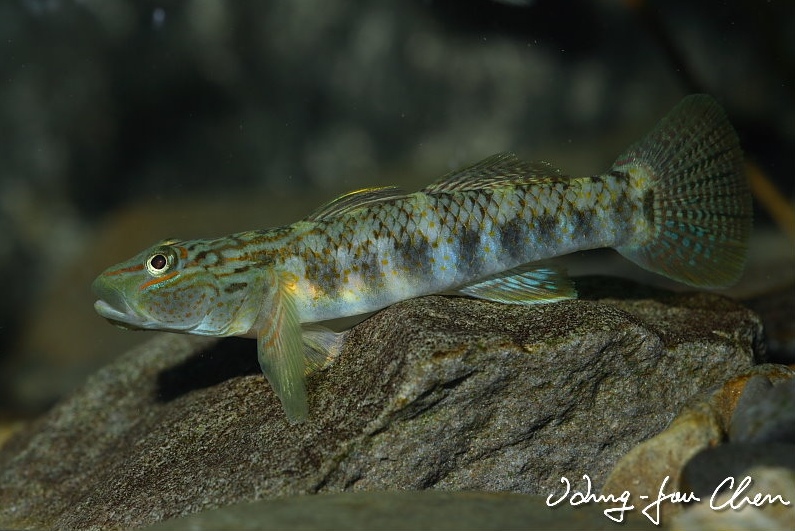
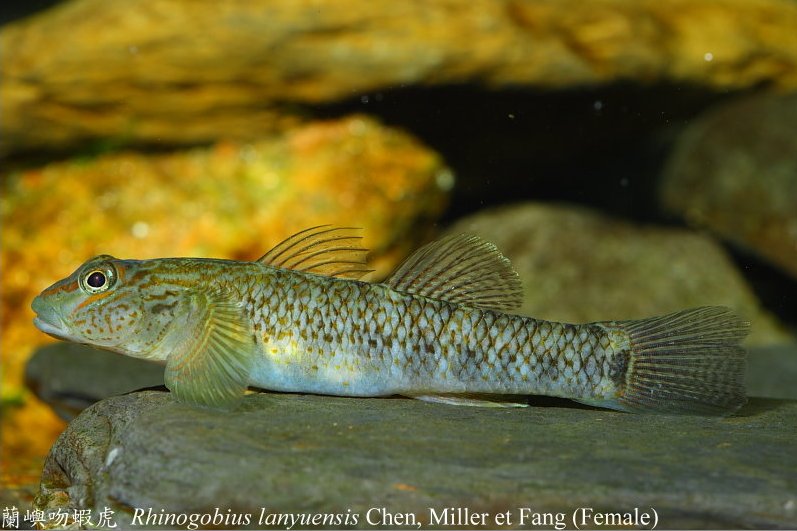
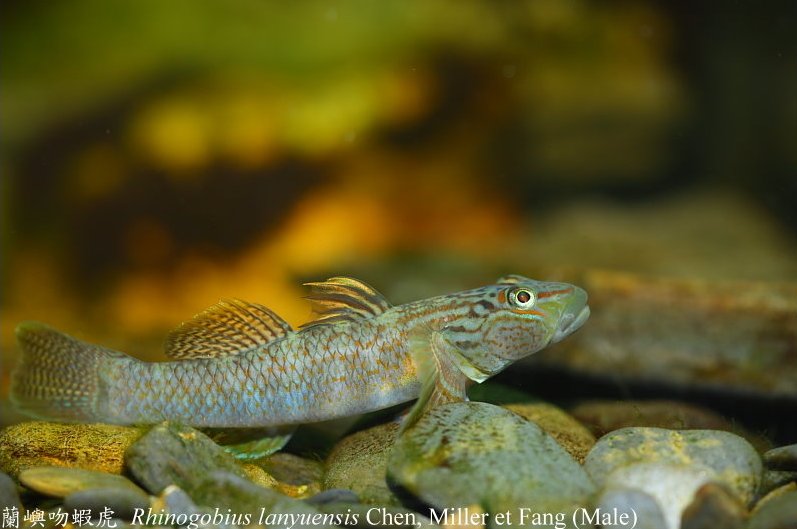
兰屿吻鰕虎鱼(Rhinogobius lanyuensis)是已知范围限于兰屿的小型虾虎鱼,体侧有八条黑褐色横带。雌鱼另有断续侧纹,雄鱼没有这条纹,辨识与性别判断应结合鳍色和花纹一起观察。
分布与栖息地
仅知分布于台湾东南近海的兰屿,记录涉及岛上两条溪流。兰屿是没有大河的火山岛,本种推测生活在砂砾、石块和基岩底的小溪中,环境随季节水流、水深及浑浊度变化;这些具体栖地特征仍带推测性质。
饲养环境
小群底面积可从约 80 × 30 cm 起步,参照溪流型吻鰕虎布置,用砂砾、圆石、枝木、陶管或小花盆形成洞缝、阴影和视线阻隔。耐受植物可附着在硬景上。
保持水质洁净,每周换水约三至五成。高溶氧和适当流动很重要,但不必营造猛烈激流。
食性与喂食
吻鰕虎鱼属通常偏机会性肉食,缸内可供应适口红虫、蚊幼虫、丰年虾、水蚤、糠虾等小型活饵或冷冻饵。适应后也许接受干粮,但不宜频繁当作主食。
雌雄区分
雄鱼颜色更浓,背鳍与臀鳍略长。雌鱼体侧有断续的深色纵纹,雄鱼缺少此纹。
补充说明
颊部橙色或褐色斑点、第二背鳍成排暗点、胸鳍基部三条竖向深褐纹及尾鳍小斑点,都是组合鉴别的线索。它曾偶尔出现在日本观赏贸易中,不能据此假设已普遍供应,产地记录有助于确认身份。
图片
图片来自 SeriouslyFish,版权归各摄影者所有。
English
Overview
Rhinogobius lanyuensis is a small goby known only from Orchid Island, with eight dark brown body bars. Females also have a broken lateral stripe absent in males. Assess this together with fin shape and coloration when identifying and sexing fish.
Distribution & habitat
The known range is limited to Lanyu, or Orchid Island, off southeastern Taiwan, with records from two streams. The volcanic island has no large rivers. Small streams over gravel, rocks, and bedrock, with seasonal changes in current and depth, are presumed habitats rather than fully documented conditions.
Aquarium setup
A small group can start with a footprint around 80 × 30 cm. Following stream-goby practice, arrange sand, gravel, rounded stones, wood, ceramic tubes, or pots into shaded crevices and interrupted sight lines. Hardy attached plants can be included.
Maintain clean water with weekly changes of approximately 30–50 percent. High oxygen levels and some circulation are important, but a constant torrent is unnecessary.
Diet & feeding
The genus generally takes small animal prey opportunistically. Offer appropriate live or frozen foods such as bloodworms, mosquito larvae, brine shrimp, water fleas, and mysids. Dry foods may be accepted after acclimation but should not become a regular staple.
Sexual dimorphism
Males are more intensely colored with slightly longer dorsal and anal fins. Females carry a discontinuous dark stripe along the side, which males lack.
Notes
Orange or brown cheek spots, rows of markings in the second dorsal fin, three vertical dark lines at the pectoral base, and small tail spots contribute to identification. Occasional availability in Japan does not establish widespread trade, and locality records remain useful.
来源
- https://www.seriouslyfish.com/species/rhinogobius-lanyuensis(抓取于 2026-10-10)
rhinogobius-lanyuensis · 文件: data/species/rhinogobius-lanyuensis.md · 状态: 草稿