子陵吻鰕虎鱼
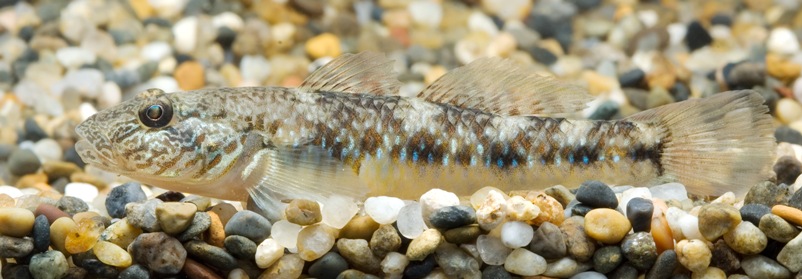
概要
| 字段 | 值 |
|---|---|
| 类别 | 鱼 |
| 学名 | Rhinogobius giurinus |
| 别名 | 极乐鰕虎、子陵吻鰕虎魚、極樂鰕虎(台湾)、Gobius giurinus、Ctenogobius giurinus、Ctenogobius hadropterus、Ctenogobius lini |
| 分类 | 虾虎鱼目 Gobiiformes › 虾虎鱼科 Gobiidae › Rhinogobius |
| 水体 | 淡水 |
| 原产地 | 中国多地、台湾、朝鲜半岛、日本及越南红河和 Pha 河流域;新加坡及中国部分内陆地区另有引入种群 |
| 成体体长 | 9 cm |
| 饲养难度 | 中等 |
| 最小水体 | 54 L |
| 最小缸长 | 60 cm |
| 群居方式 | 群游 |
| 水流偏好 | 高 |
| 外部数据 | seriouslyfish rhinogobius-giurinus-ctenogobius-giurinus-ctenogobius-hadropterus;fishbase 15825 |
| 领地性 | 是 |
| 特征 | 吃虾: 是 |
| 繁殖方式 | 附着产卵 |
水质参数
| 参数 | 耐受范围 | 最适范围 | 单位 |
|---|---|---|---|
| 水温 | 18–24 | — | °C |
| pH | 6.5–8.5 | — | — |
| 总硬度 | 2–20 | — | dGH |
概述
子陵吻鰕虎鱼(Rhinogobius giurinus)分布广,现有名称下可能包含外形和生活史不同的多个形式。新到野生个体常对同类有明显攻击性,饲养宜优先考虑确认性别的一对,不能照搬多数小型吻鰕虎的多雄群养方案。
分布与栖息地
原生范围涉及中国多地、台湾、朝鲜半岛、日本以及越南红河和 Pha 河流域。新加坡及中国云南、青藏高原部分地区存在引入种群,不能与原生范围混为一谈。
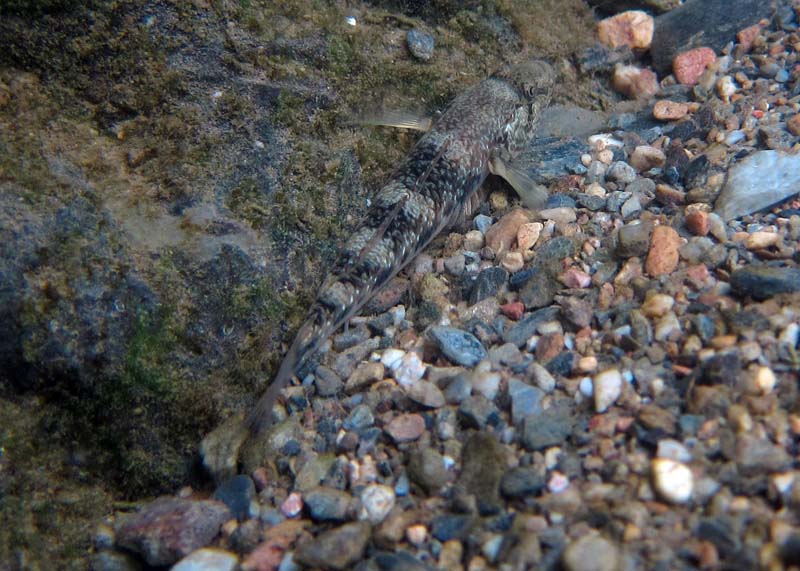
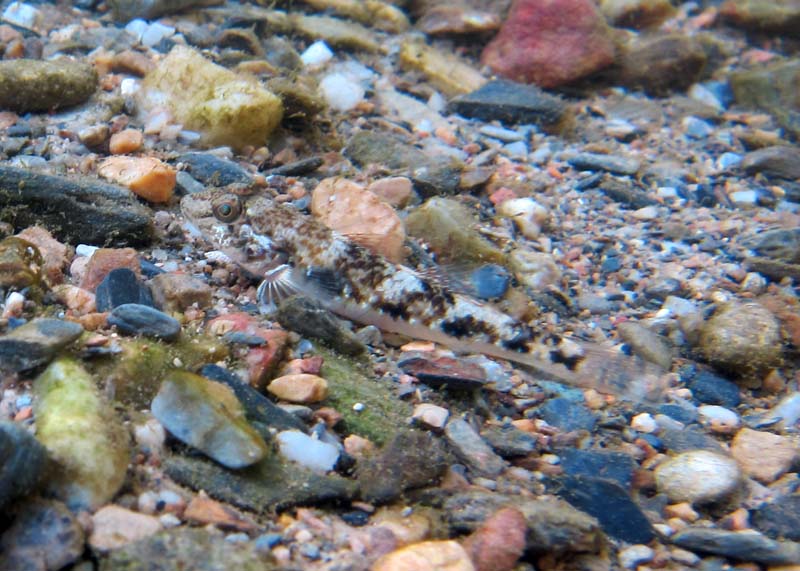
亚成鱼和成鱼常见于河口及浅水流动支流,底部从泥砂到砂砾、基岩和大石都有,岸边植物和落叶较常见,水草往往不多。部分种群幼体利用河口半咸水至海水,另一些整个生命周期在淡水完成。
饲养环境
一对的底面积至少约 60 × 30 cm。砂砾、圆石、枝木和陶管应形成多处躲避空间与视线屏障。需要高溶氧、适当流动及洁净水,每周换水约三至五成,不必持续激流。
日常可在淡水饲养,不需常规加海盐;繁殖幼体是否需要盐度环境则应结合具体来源与种群,不能只看成鱼适应淡水就下结论。
食性与喂食
同属鱼通常偏机会性肉食,缸内可提供红虫、蚊幼虫、丰年虾、水蚤和糠虾。本种也能吃较大的饵料,如小蚯蚓和经过营养强化的蟋蟀。干粮有时能驯食,但不宜经常作为主食。
习性与混养
雄鱼之间有斗死记录,雌鱼也可能受攻击,即使按一对饲养仍应观察相处。若混养,较强健、活动于开阔水域的中型鱼更合适,慢鱼可能被攻击,小鱼有被吃风险。其他底栖鱼宜避免,小型观赏虾通常会被捕食。
雌雄区分
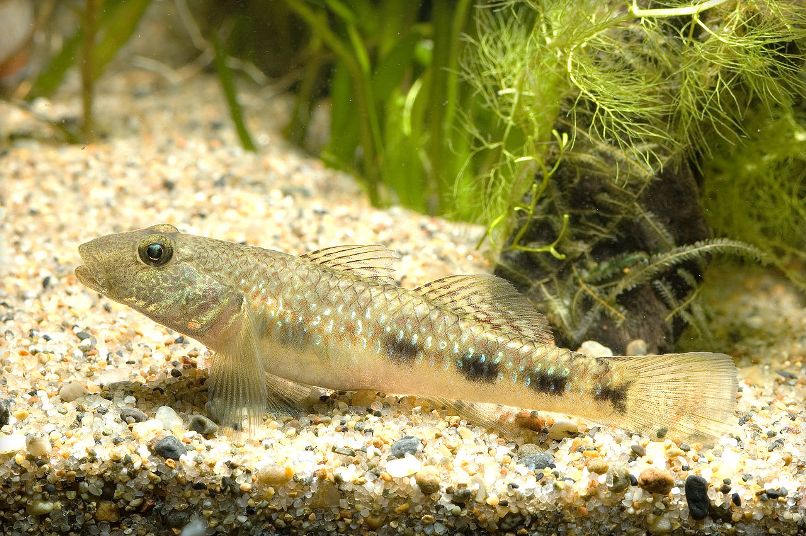
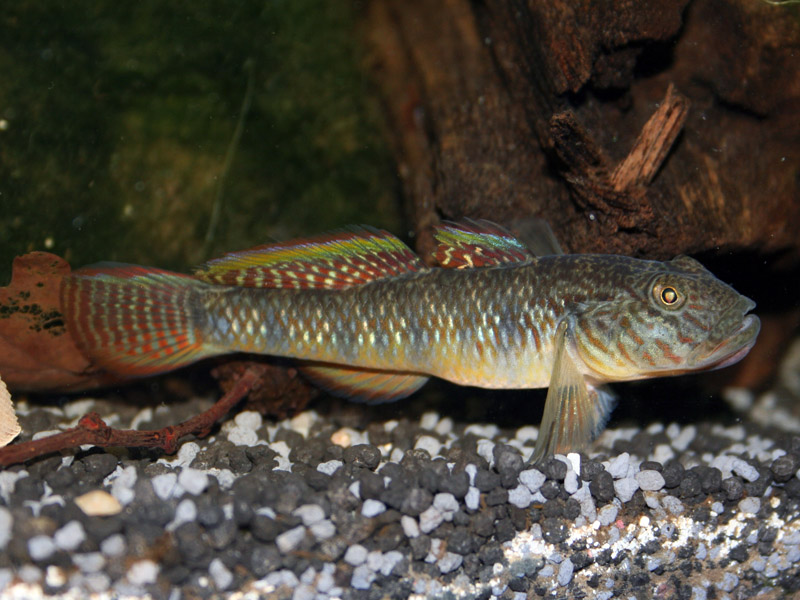
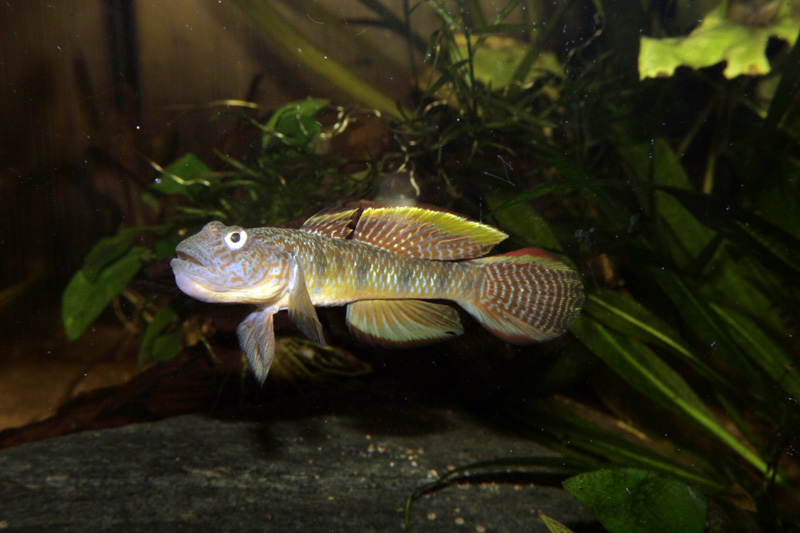
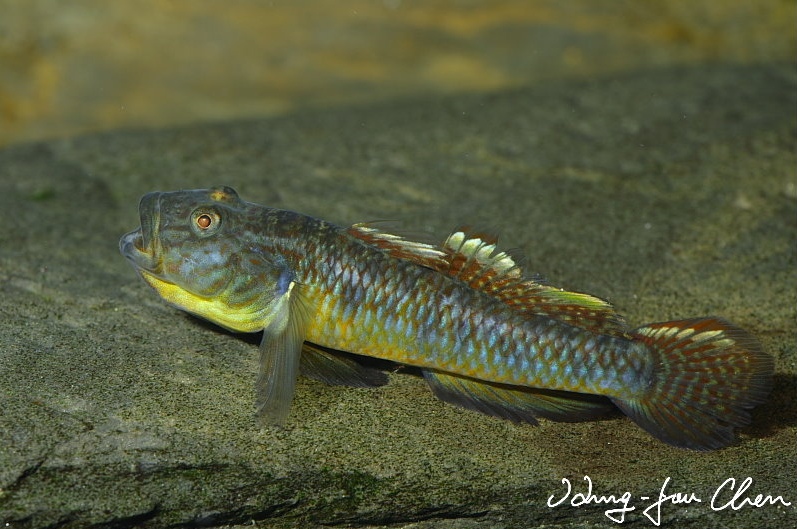
雄鱼通常颜色较鲜明,成熟后背鳍、臀鳍条更延长。
繁殖
多数被归在此名下的野外种群幼体会顺流进入河口育幼区,发育后上溯;也有陆封种群和水族全淡水育成记录,但这些形式是否全部同种尚未厘清。
雄鱼占守扁石下方,雌鱼可产数千粒卵,产后离开,由雄鱼护卵。卵大小因种群而异,通常三至四天孵化,幼体先漂游约一天,随后活动方向性增强。
开口饵须极微小,有育苗经验中连淡水轮虫都显得过大,不能直接按丰年虾无节幼体口径开口。种群差异与幼体食物需求是繁殖中需要特别留意的部分。
补充说明
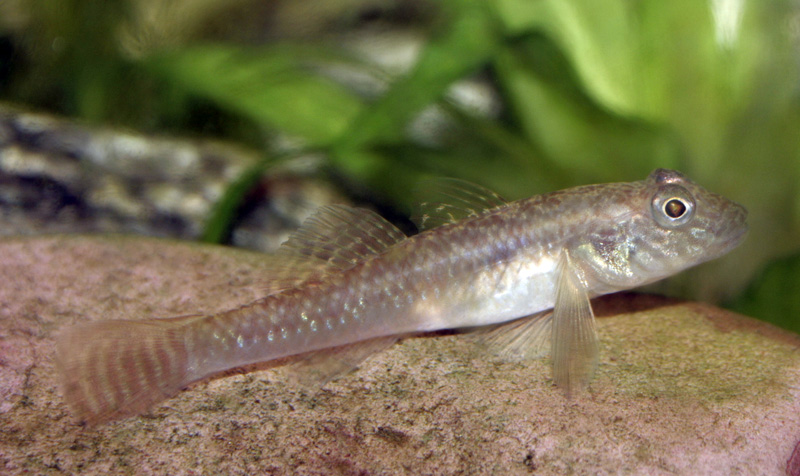
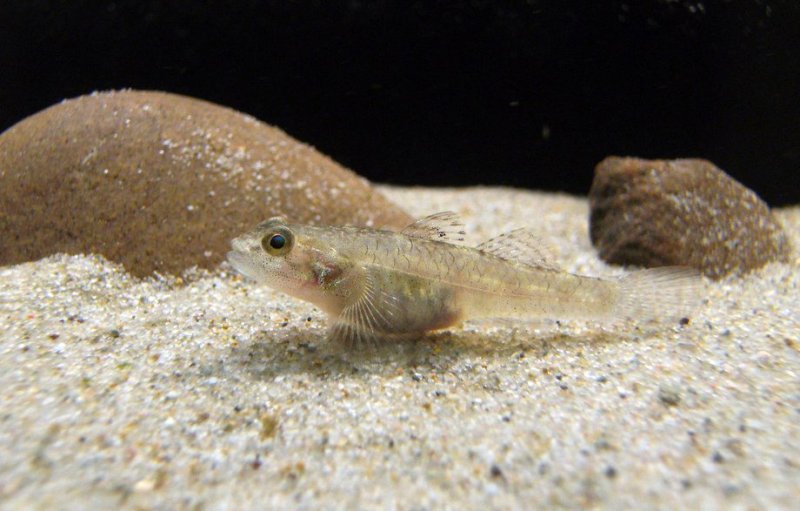
色纹和体形变化较多,不能把某一种黄色鳍缘等花纹当成所有个体的固定特征。保留采集或繁育来源,有助于解释盐度需求和外形差异。
图片
图片来自 SeriouslyFish,版权归各摄影者所有。
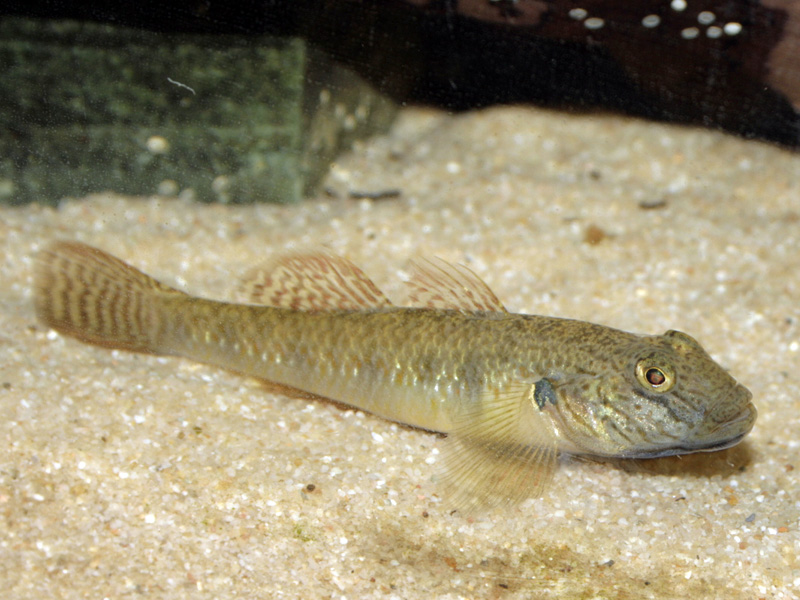
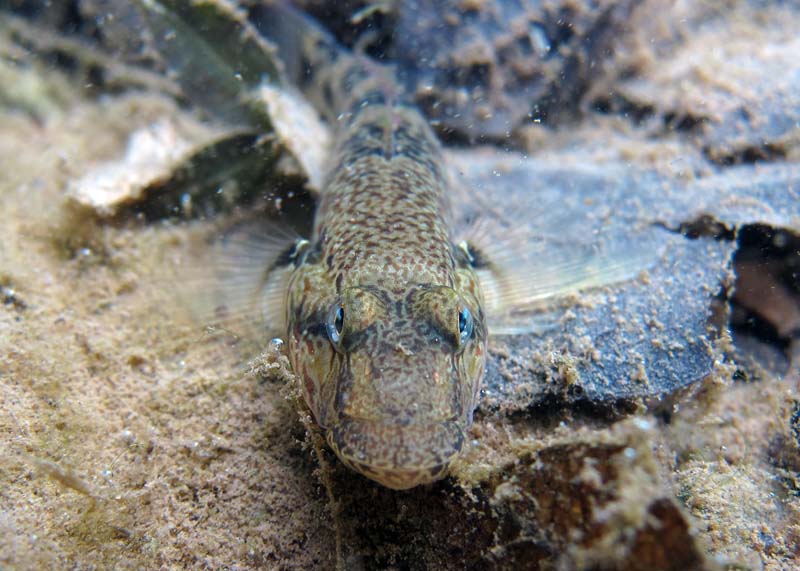
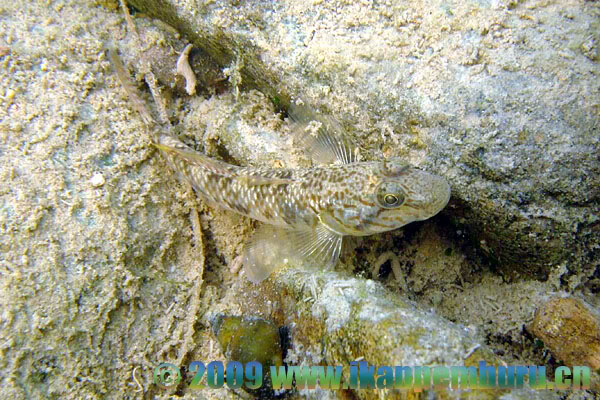
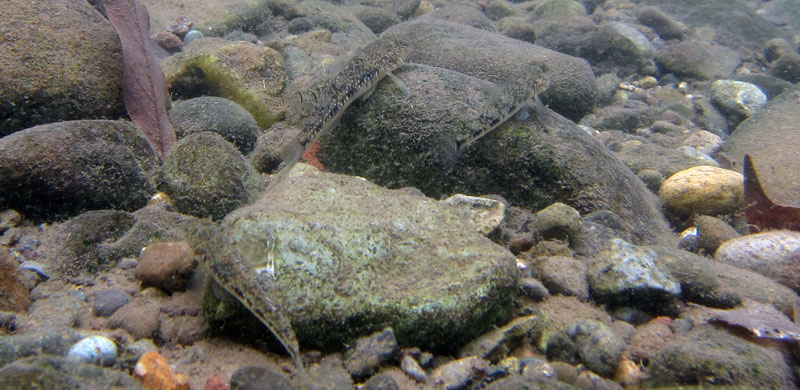
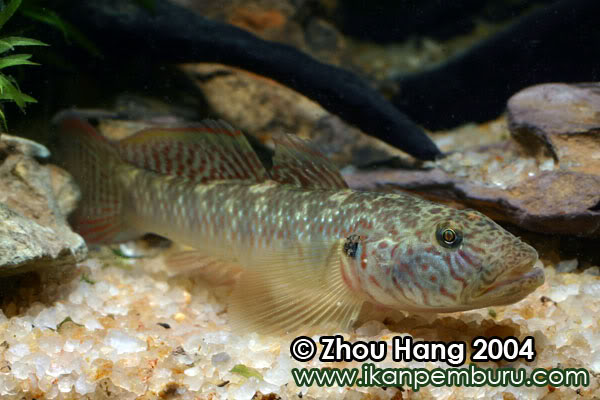
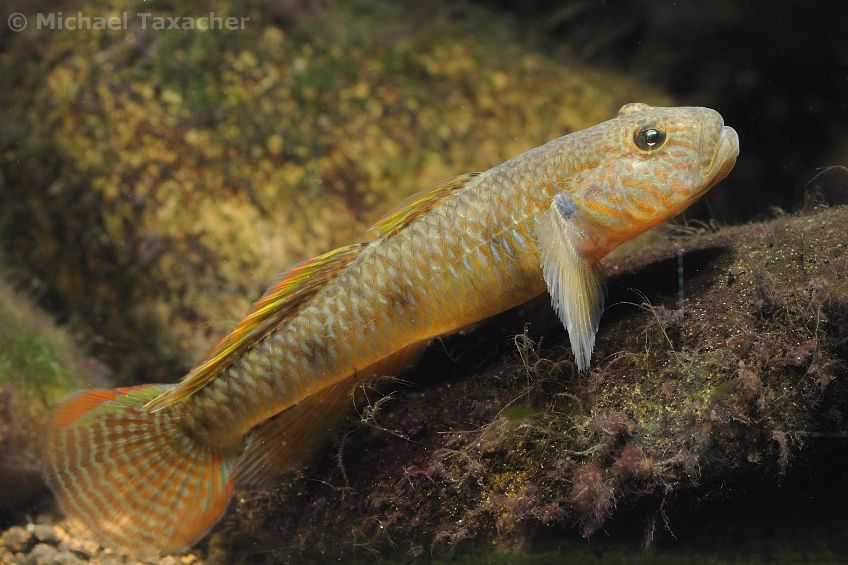
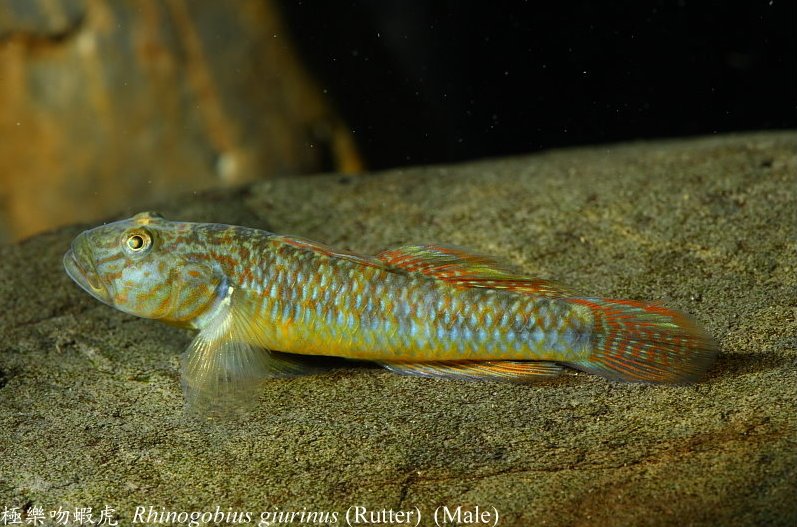
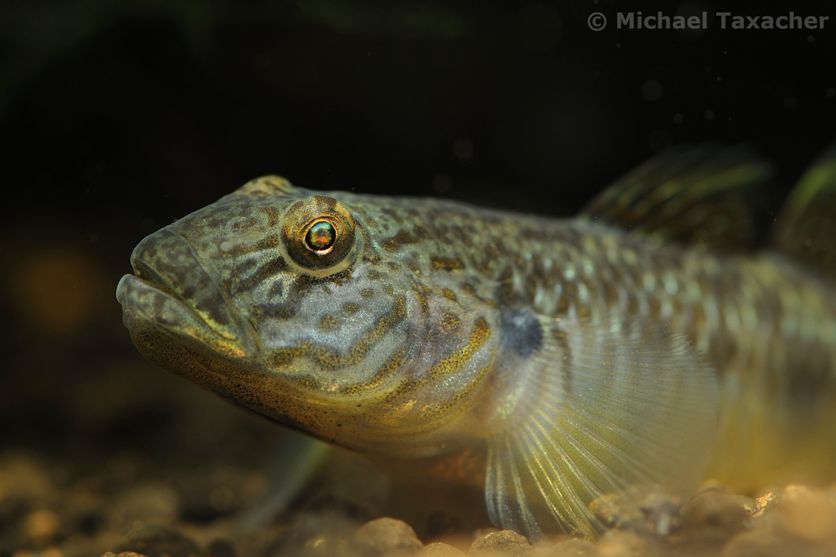
English
Overview
Rhinogobius giurinus is widespread and may encompass several forms differing in appearance and life history. Newly imported wild fish often show strong aggression toward their own kind. An identified male-female pair is generally preferable to the multiple-male groups used for many smaller gobies.
Distribution & habitat
The native range includes much of China, Taiwan, the Korean Peninsula, Japan, and Vietnam's Red and Pha systems. Introduced populations occur in Singapore and some inland Chinese regions, including Yunnan and the Tibetan Plateau.
Subadults and adults occupy estuaries and shallow flowing tributaries over mud, sand, gravel, bedrock, or boulders. Bankside vegetation and fallen leaves are common, while aquatic plants are often sparse. Some populations use brackish or marine larval nurseries, whereas others complete life in freshwater.
Aquarium setup
A pair needs a footprint of at least about 60 × 30 cm. Arrange sand, gravel, rocks, wood, and tubes into numerous refuges and visual barriers. Maintain clean, oxygenated water with some circulation, including weekly changes of roughly 30–50 percent. A constant torrent is unnecessary.
Routine adult care can use freshwater without marine salt. Larval salinity requirements need consideration of origin rather than being inferred solely from adult tolerance.
Diet & feeding
The genus generally takes small animal prey opportunistically. Offer bloodworms, mosquito larvae, brine shrimp, water fleas, and mysids. This species can also handle larger foods such as small earthworms and gut-loaded crickets. Dry food may be accepted but should not be a routine staple.
Behaviour & compatibility
Males have been observed fighting fatally, and females can also be attacked, so even pairs require monitoring. Robust, open-water medium-sized fishes are better community candidates. Slow fishes risk attack, smaller ones may be eaten, and other bottom dwellers are best omitted. Small ornamental shrimp are commonly preyed upon.
Sexual dimorphism
Males are generally more colorful and develop longer dorsal and anal rays with maturity.
Breeding
Many wild populations send larvae downstream into estuarine nurseries before juveniles return upstream. Landlocked populations and freshwater aquarium rearing are also reported, but it is unclear whether all forms represent one species.
Males defend sites beneath flat stones. Females may deposit several thousand eggs and then leave the male to guard them. Egg size varies between populations. Incubation usually lasts three to four days; larvae drift for about a day before swimming becomes more directed.
First foods must be extremely small: even freshwater rotifers have reportedly proved too large. Brine shrimp nauplii cannot be assumed suitable initially. Population differences and larval food size are key considerations.
Notes
Variable body and fin patterns make a single color feature unreliable. Accurate collection or breeding origins help interpret differences in appearance and salinity needs.
来源
- https://www.seriouslyfish.com/species/rhinogobius-giurinus-ctenogobius-giurinus-ctenogobius-hadropterus(抓取于 2026-10-10)
rhinogobius-giurinus · 文件: data/species/rhinogobius-giurinus.md · 状态: 草稿