台湾名古屋吻鰕虎鱼
概要
| 字段 | 值 |
|---|---|
| 类别 | 鱼 |
| 学名 | Rhinogobius formosanus |
| 别名 | 名古屋吻鰕虎、台灣名古屋吻鰕虎魚、Rhinogobius nagoyae formosanus |
| 分类 | 虾虎鱼目 Gobiiformes › 虾虎鱼科 Gobiidae › Rhinogobius |
| 水体 | 淡水 |
| 原产地 | 台湾北部及东北部河流水系 |
| 成体体长 | 10 cm |
| 饲养难度 | 中等 |
| 最小水体 | 72 L |
| 最小缸长 | 80 cm |
| 群居方式 | 群游 |
| 领地性 | 是 |
| 水流偏好 | 高 |
| 外部数据 | seriouslyfish rhinogobius-formosanus;fishbase 27332 |
| 游动层 | 底层 |
| 繁殖方式 | 附着产卵 |
水质参数
| 参数 | 耐受范围 | 最适范围 | 单位 |
|---|---|---|---|
| 水温 | 18–28 | — | °C |
| pH | 6–8 | — | — |
| 总硬度 | 2–15 | — | dGH |
概述
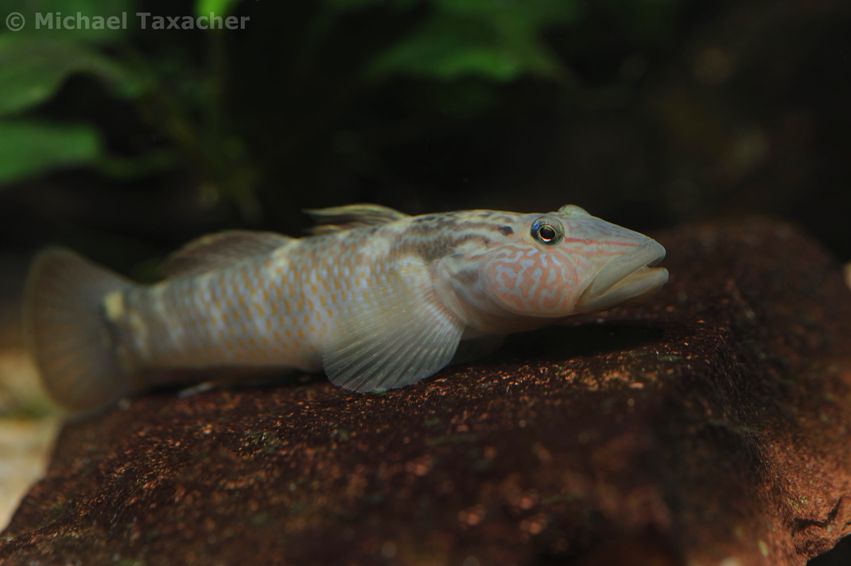
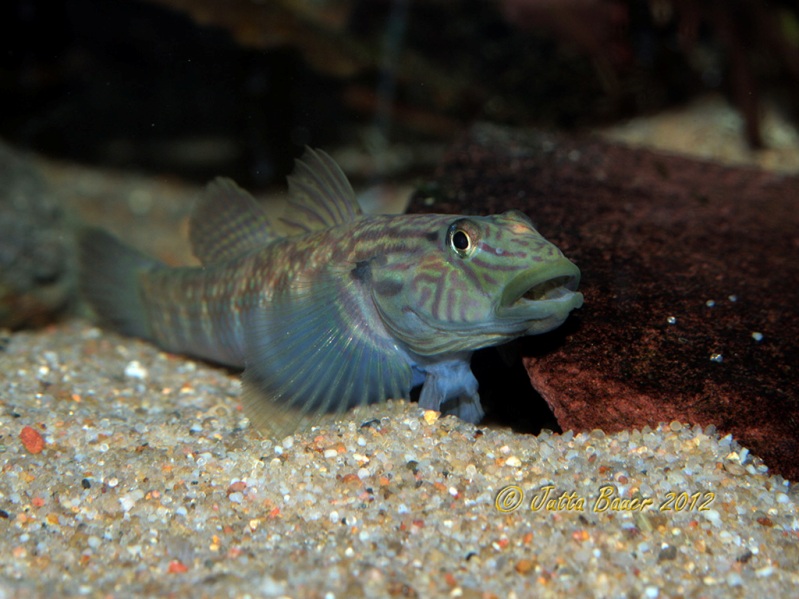
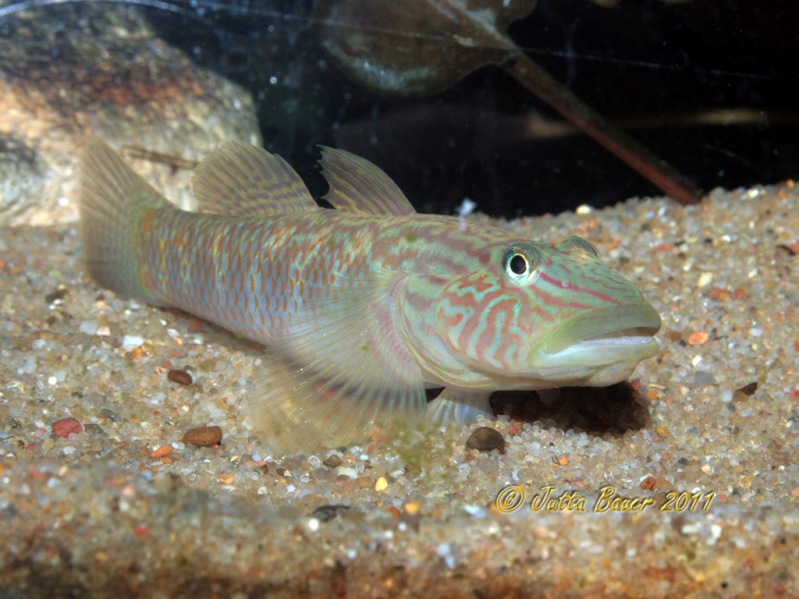
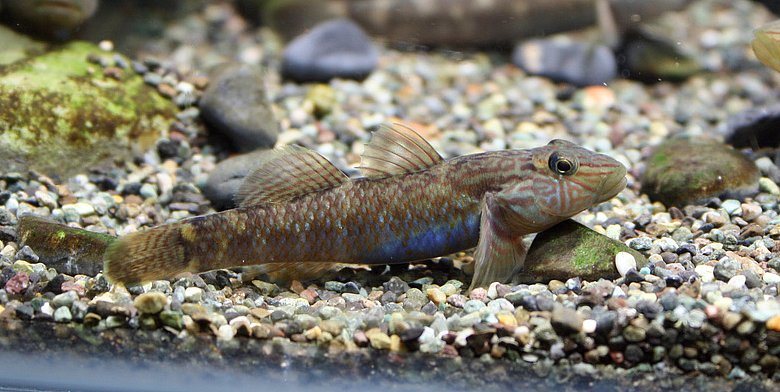
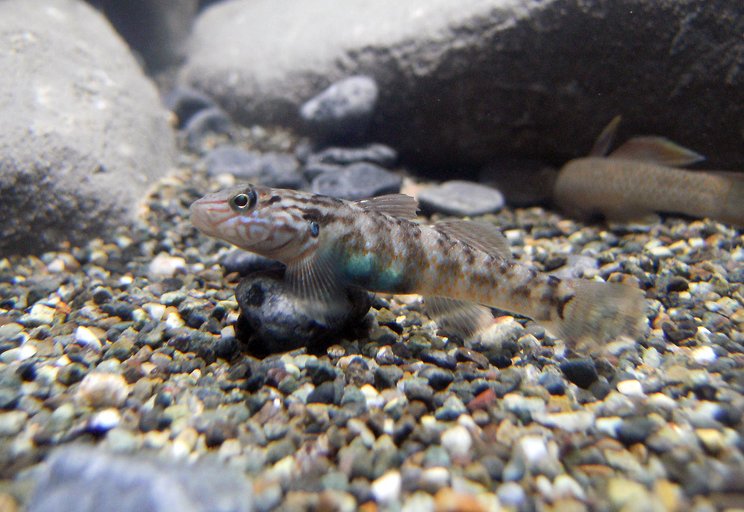
台湾名古屋吻鰕虎鱼(Rhinogobius formosanus)颊部和鳃盖有不规则的红褐色虫纹,是较强健的溪流虾虎鱼。雄鱼有领域性,需要洞穴和视线屏障;其幼鱼生活史可能因种群而异,不能一概认定都需要或都不需要海水阶段。
分布与栖息地
特有于台湾北部和东北部河流水系。旧模式地名对应台湾北部的一片历史行政区域,不能据旧地名把范围延伸到其他地区。
饲养环境
小群底面积至少约 80 × 30 cm,砂砾、圆石、枝木、陶管和小花盆可组成多处洞缝、阴影与视线屏障,耐受植物附着在硬景上。
它不耐有机污染积累,每周换水约三至五成。保持高溶氧和适当流动,不必持续猛烈冲流。
食性与喂食
吻鰕虎鱼属通常偏机会性肉食,缸内提供适口红虫、蚊幼虫、丰年虾、水蚤、糠虾等小型活饵或冷冻饵。适应后可能接受干粮,但不宜经常当作主食。
习性与混养
偶有攻击行为,温和、活动于中上层且适应相近水环境的鱼较合适。小缸最好让它成为唯一底栖鱼,大空间才考虑合适鳅类,避免底层强势鱼;淡水小虾可能被捕食。
建议至少两雄配同数或更多雌鱼,遮蔽充分时雄鱼冲突通常不造成严重伤害。不要混入其他吻鰕虎种,近缘种之间能否杂交仍不清楚。
雌雄区分
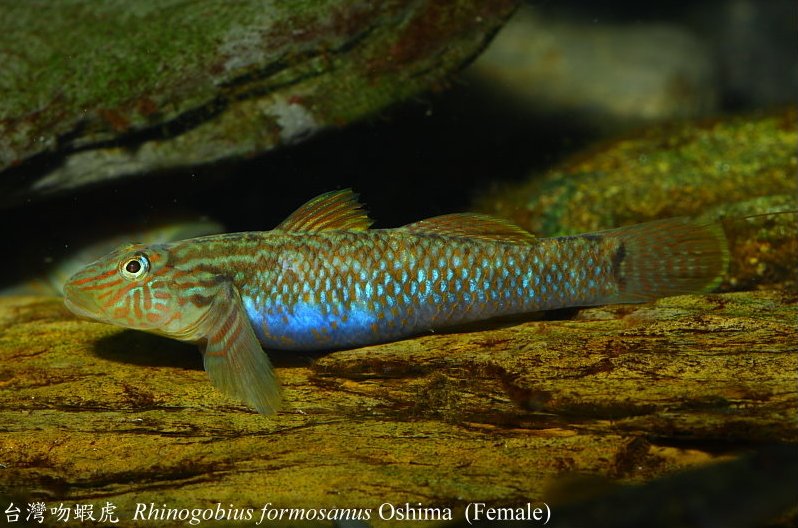
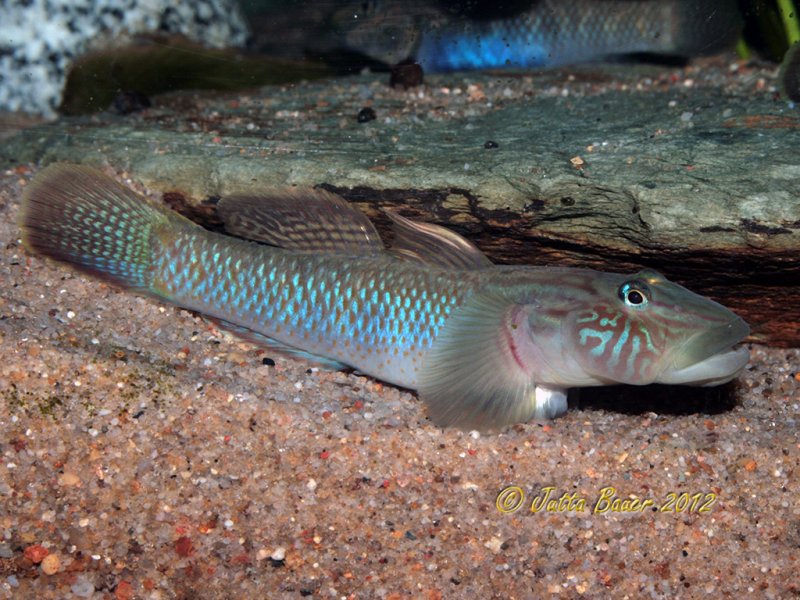
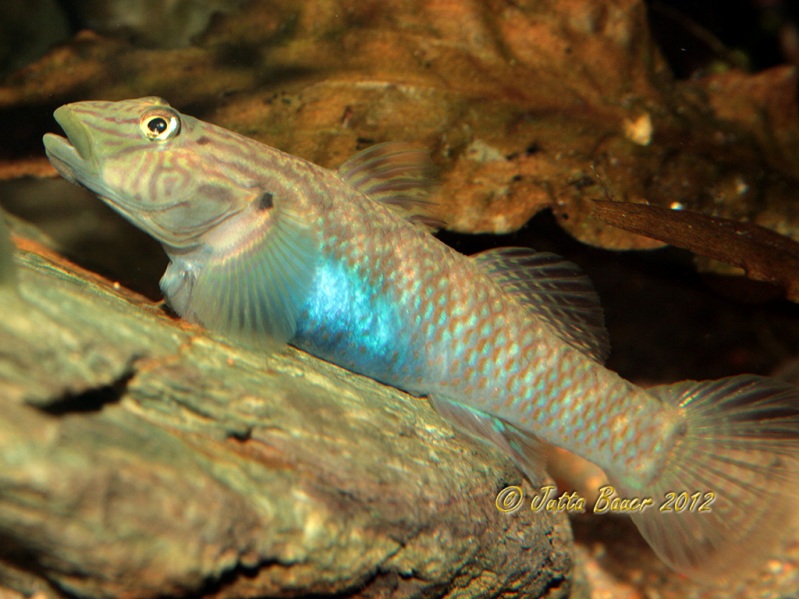
雄鱼通常更大、颜色更浓,背鳍和臀鳍更延长。抱卵雌鱼腹部可透见蓝色卵团。
繁殖
部分野外种群成鱼在淡水或半咸水产卵,幼体顺流进入河口至海水环境发育,再向上游迁移。贸易个体似乎也能在全淡水条件下繁殖,或具有适应这种环境的能力,但不能把这一点推广为所有种群的确定规则。
雄鱼会占守扁石下方的巢位,雌鱼产卵后被驱离,由雄鱼护卵。一窝可达约三千粒,卵比不少近缘种小。通常三至四天孵化,刚孵幼体漂游约一天后活动方向性增加。
开口饵必须很小,可用淡水轮虫等,直到幼鱼足够大才转喂丰年虾无节幼体;不能按大卵型虾虎的口径安排首餐。
补充说明
吻部三对红纹与颊部虫纹可辅助鉴别。旧名反映它曾被当作另一种的亚种,购买时仍应结合来源和完整花纹确认身份。
图片
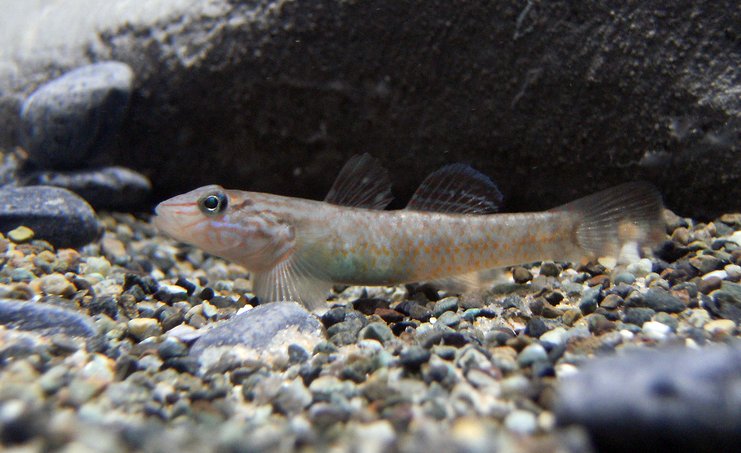
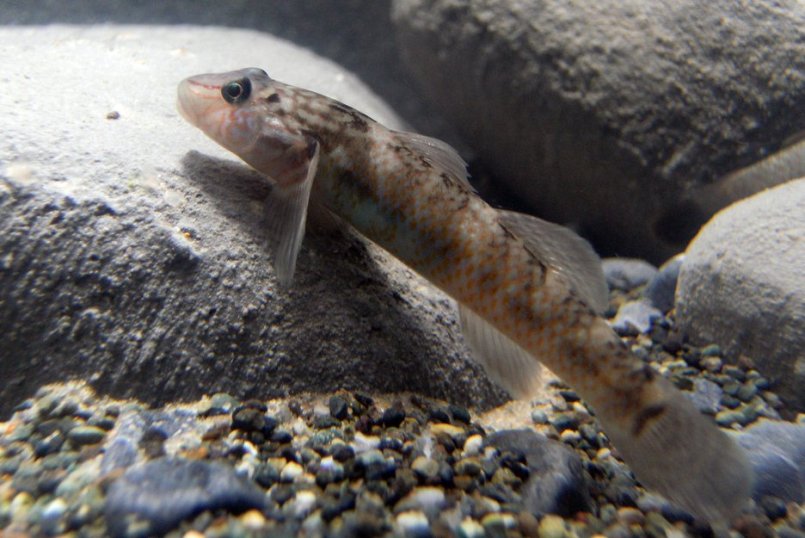
图片来自 SeriouslyFish,版权归各摄影者所有。
English
Overview
Rhinogobius formosanus is a robust stream goby with irregular reddish-brown, worm-like lines on the cheek and gill cover. Territorial males need caves and visual barriers. Larval requirements may differ between populations, so neither a compulsory marine phase nor universal freshwater development should be assumed.
Distribution & habitat
It is endemic to river systems of northern and northeastern Taiwan. The historical type-locality name refers to an administrative region in northern Taiwan and should not be used to extend the range elsewhere.
Aquarium setup
Allow a small group at least about 80 × 30 cm of floor space. Sand, gravel, rocks, wood, ceramic tubes, and pots can form a network of shaded crevices and interrupted sight lines. Hardy attached plants are suitable.
Prevent organic pollution with routine maintenance, including weekly changes of roughly 30–50 percent. Maintain high oxygen levels and useful circulation without a constant torrent.
Diet & feeding
The genus generally takes small animal prey opportunistically. Offer suitable live or frozen foods such as bloodworms, mosquito larvae, brine shrimp, water fleas, and mysids. Dry foods may be accepted after acclimation but should not be a regular staple.
Behaviour & compatibility
Some aggression is possible. Peaceful upper-water companions with matching requirements are better choices. Leave the bottom to these gobies in small aquariums; suitable loaches are more feasible in larger quarters. Avoid strongly territorial bottom fishes, and expect possible predation on small freshwater shrimp.
Keep at least two males with an equal or greater number of females. Adequate cover usually limits serious injury between males. Avoid other species of the genus because hybridization potential remains unresolved.
Sexual dimorphism
Males become larger and more colorful, with longer dorsal and anal fins. A bluish egg mass may be visible through a ripe female's abdomen.
Breeding
Some wild populations spawn in fresh or brackish streams, with larvae drifting into estuarine or marine nursery areas before migrating upstream. Aquarium-traded fish appear capable of freshwater reproduction, or may adapt to it, but this should not be generalized to every population.
Males defend sites beneath flat stones. Females leave after spawning, and males guard clutches that can approach three thousand small eggs. Hatching usually takes three to four days. Newly hatched larvae drift for about a day before movement becomes more directed.
Initial food must be tiny, such as freshwater rotifers. Brine shrimp nauplii become suitable only later; feeding methods for large-egged gobies should not be assumed appropriate.
Notes
Three pairs of red snout stripes and the cheek pattern aid identification. Older names reflect its former subspecies status, making provenance and the complete marking pattern useful when purchasing fish.
来源
- https://www.seriouslyfish.com/species/rhinogobius-formosanus(抓取于 2026-10-10)
rhinogobius-formosanus · 文件: data/species/rhinogobius-formosanus.md · 状态: 草稿