河川吻鰕虎鱼
概要
| 字段 | 值 |
|---|---|
| 类别 | 鱼 |
| 学名 | Rhinogobius flumineus |
| 别名 | 河川吻鰕虎魚、Tukugobius flumineus |
| 分类 | 虾虎鱼目 Gobiiformes › 虾虎鱼科 Gobiidae › Rhinogobius |
| 水体 | 淡水 |
| 原产地 | 日本本州中西部、九州及四国 |
| 成体体长 | 6 cm |
| 饲养难度 | 中等 |
| 最小水体 | 68 L |
| 最小缸长 | 75 cm |
| 群居方式 | 群游 |
| 水流偏好 | 高 |
| 外部数据 | seriouslyfish rhinogobius-flumineus;fishbase 15824 |
水质参数
| 参数 | 耐受范围 | 最适范围 | 单位 |
|---|---|---|---|
| 水温 | 18–25 | — | °C |
| pH | 6–8 | — | — |
| 总硬度 | 2–15 | — | dGH |
概述
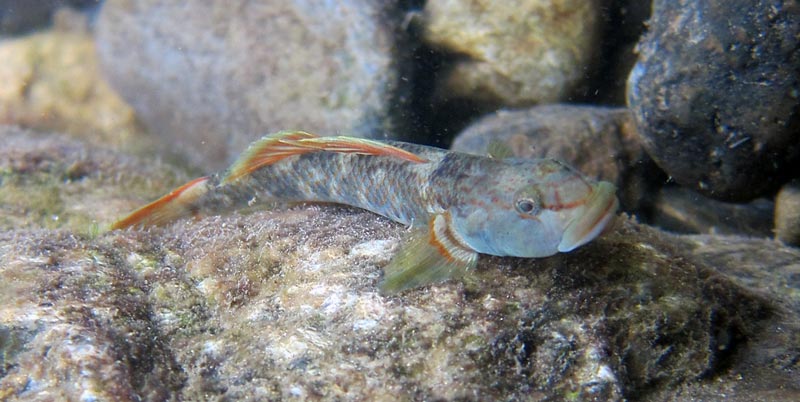
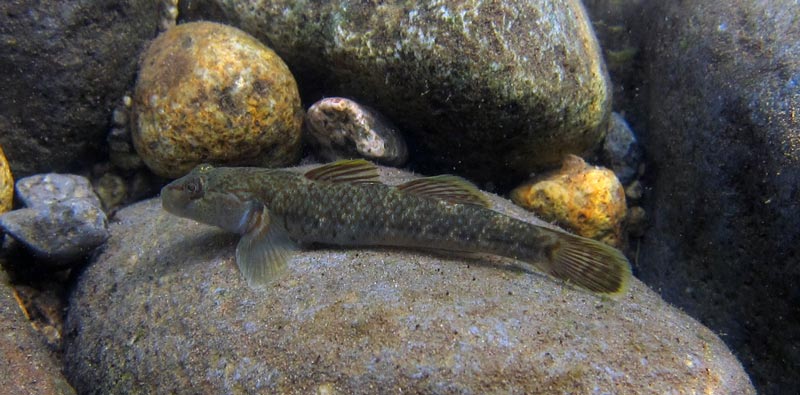
河川吻鰕虎鱼(Rhinogobius flumineus)是日本的河流型虾虎鱼,整个生命周期在淡水中完成。它的名字有时被用于其他近似种,雄鱼背鳍还可能存在不同色型,不能只按单一颜色认种。
分布与栖息地
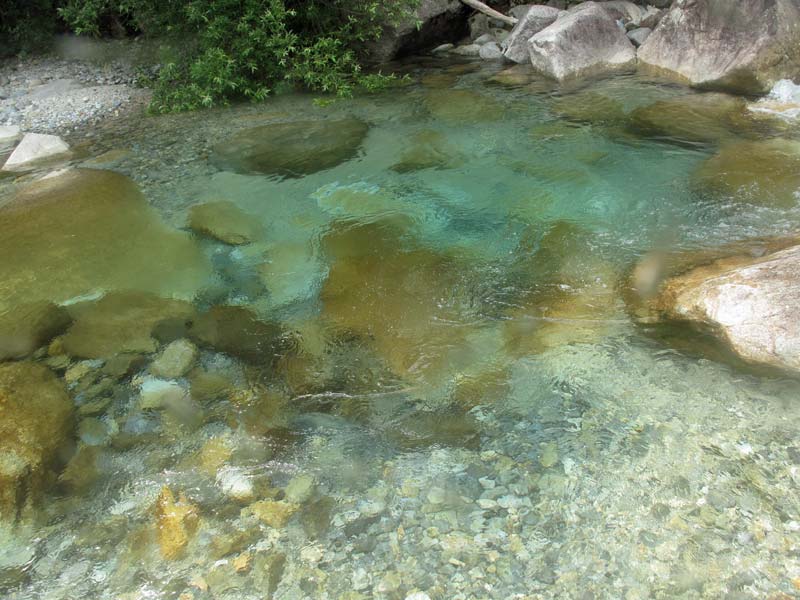
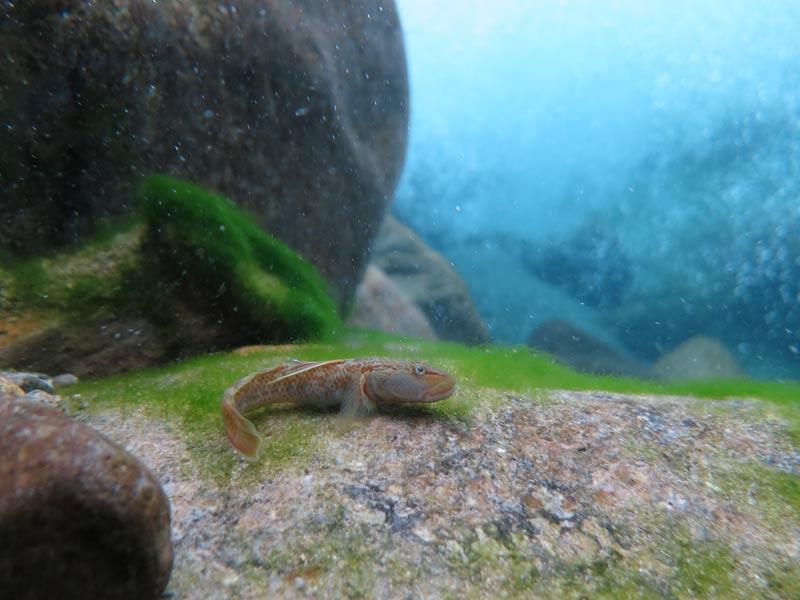
特有于日本,分布在本州中西部、九州和四国。生活在小河、支流及溪流,底部由砂砾、石块、大石和基岩构成,水流、水深及浑浊度随季节变化。部分地点与需要海洋幼体阶段的近缘种同域,但本种不因此具有相同生活史。
饲养环境
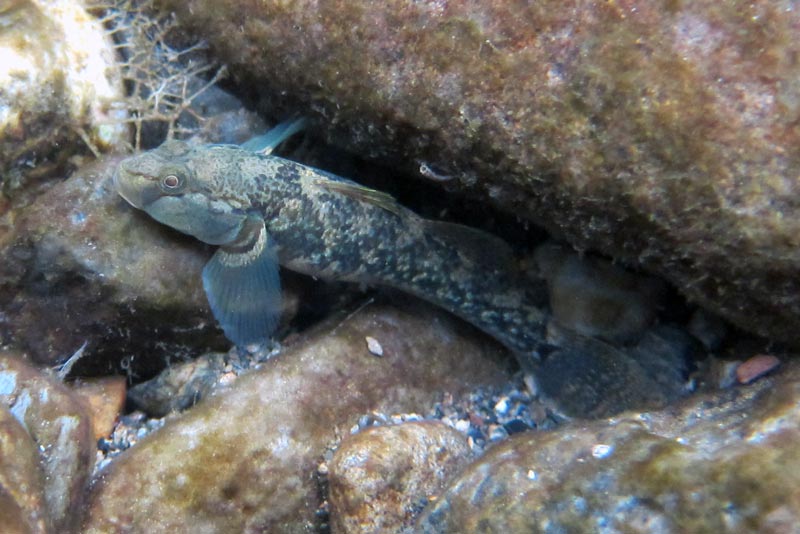
小群底面积至少约 75 × 30 cm。可参照溪流缸布置砂砾、圆石、枝木、陶管和小花盆,形成多个洞缝、阴影与视线屏障,耐受水草附着在硬景上。
保持洁净水质、充足溶氧和适当水流,不必营造持续激流。每周换水约三至五成,防止有机废物积累。
食性与喂食
吻鰕虎鱼属整体偏机会性肉食,人工饲养可提供适口红虫、蚊幼虫、丰年虾、水蚤、糠虾等小型活饵和冷冻饵。干粮可能在适应后被接受,但不宜频繁替代这些食物。
雌雄区分
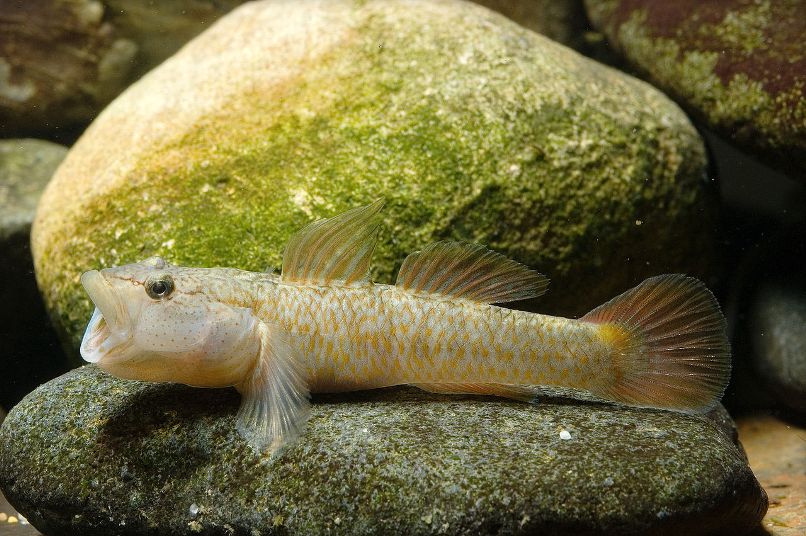
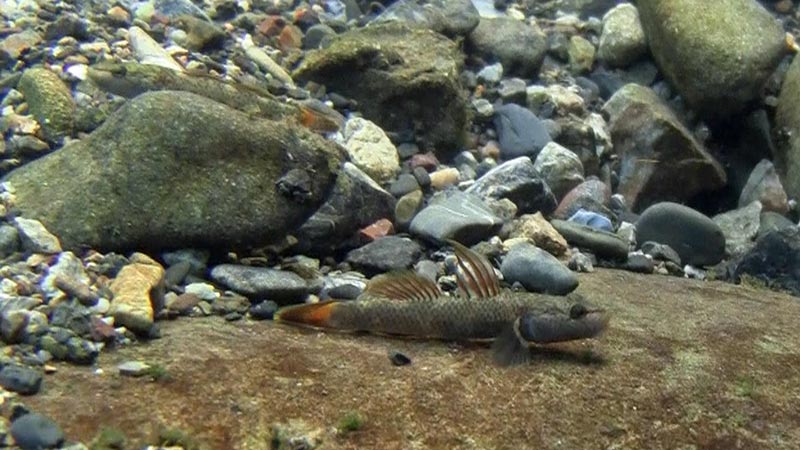
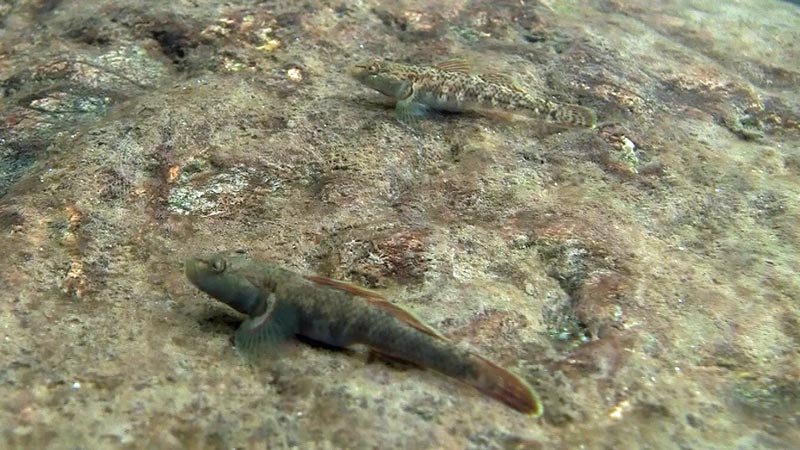
雌鱼尾鳍基部有较大的尖角状深色斑。雄鱼第一背鳍似乎有两种形式:一种第四鳍条最长,前部有蓝黑色方斑;另一种第二、第三鳍条较长,整体较淡且缺少暗斑。
繁殖
本种不需要海水洄游阶段,属于具较大卵的河流型组合。但这并不等于可以直接照搬其他吻鰕虎的具体窝卵数、孵化时间或育苗办法。
补充说明
确认身份应结合来源、头部感觉管和鳞片等特征。不同背鳍形式并不应在缺乏进一步鉴定时被直接判成不同种。
图片
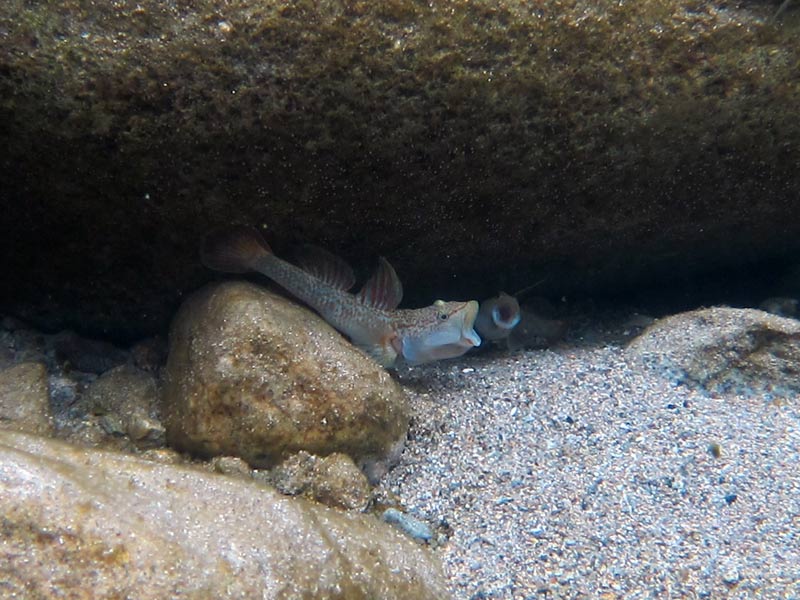
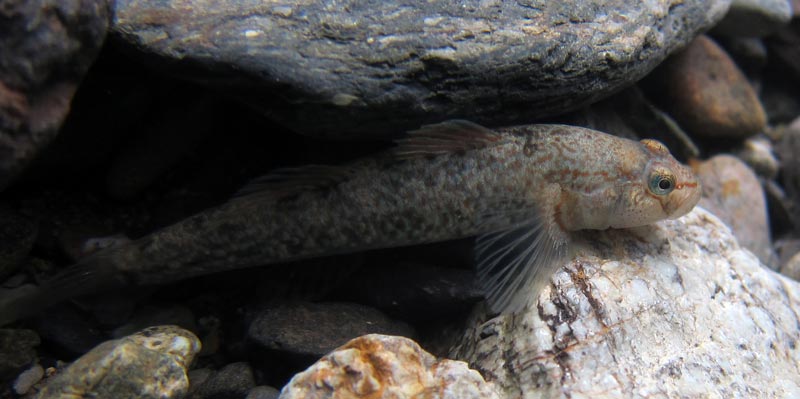
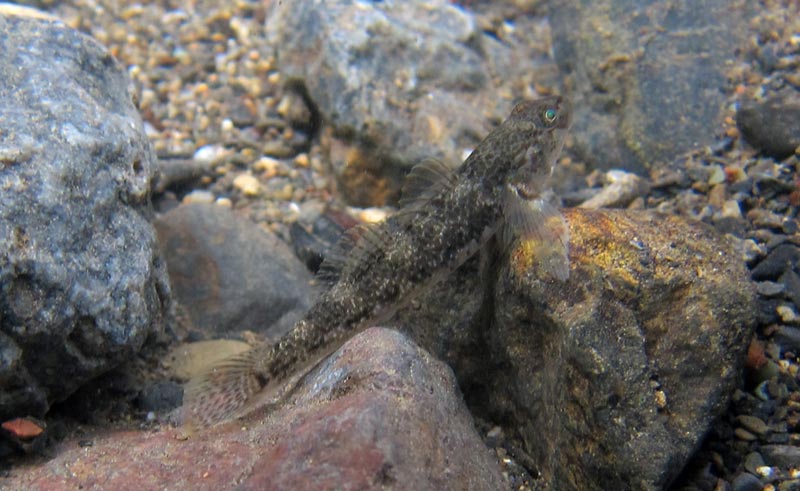
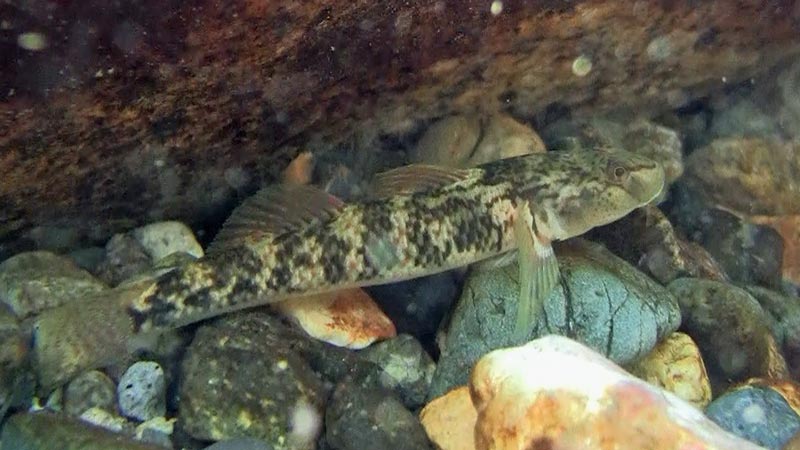
图片来自 SeriouslyFish,版权归各摄影者所有。
English
Overview
Rhinogobius flumineus is a Japanese river goby whose entire life cycle occurs in freshwater. Its name is sometimes applied to other species, and males appear to show more than one dorsal fin form, so color alone is insufficient for identification.
Distribution & habitat
It is endemic to central and western Honshu, Kyushu, and Shikoku. Small rivers, tributaries, and streams over gravel, rocks, and bedrock are typical, with seasonal changes in depth, current, and turbidity. At some sites it lives beside relatives with marine larval stages, but does not share that life history.
Aquarium setup
Provide a small group a footprint of at least about 75 × 30 cm. Following stream-aquarium practice, combine sand, gravel, rocks, branches, ceramic tubes, and pots into numerous shaded retreats and broken sight lines. Hardy attached plants can be used.
Maintain clean water, high oxygen levels, and some circulation without a continuous torrent. Weekly changes of roughly 30–50 percent help prevent organic waste accumulation.
Diet & feeding
The genus generally takes small animal prey opportunistically. Offer appropriate live or frozen foods such as bloodworms, mosquito larvae, brine shrimp, water fleas, and mysids. Dry foods may be accepted after acclimation, but should not routinely replace these offerings.
Sexual dimorphism
Females have a large angular dark marking at the tail base. Males appear to show two first-dorsal forms: one with the fourth ray longest and a blue-black block toward the front, the other with the second and third rays longest and a paler fin without dark markings.
Breeding
A marine migration stage is unnecessary. The species belongs to a river-resident assemblage with relatively large eggs, but this alone does not establish clutch sizes, incubation periods, or aquarium rearing procedures.
Notes
Assess origin, head sensory structures, and scales alongside the fins when confirming identity. Different dorsal forms should not automatically be treated as distinct species without further examination.
来源
- https://www.seriouslyfish.com/species/rhinogobius-flumineus(抓取于 2026-10-10)
rhinogobius-flumineus · 文件: data/species/rhinogobius-flumineus.md · 状态: 草稿