丝鳍吻鰕虎鱼
概要
| 字段 | 值 |
|---|---|
| 类别 | 鱼 |
| 学名 | Rhinogobius filamentosus |
| 别名 | 絲鰭吻鰕虎魚、Ctenogobius filamentosus |
| 分类 | 虾虎鱼目 Gobiiformes › 虾虎鱼科 Gobiidae › Rhinogobius |
| 水体 | 淡水 |
| 原产地 | 中国广西漓江水系及邻近广东地区 |
| 成体体长 | 5.5 cm |
| 饲养难度 | 中等 |
| 最小水体 | 54 L |
| 最小缸长 | 60 cm |
| 群居方式 | 群游 |
| 水流偏好 | 高 |
| 外部数据 | seriouslyfish rhinogobius-filamentosus;fishbase 60229 |
水质参数
| 参数 | 耐受范围 | 最适范围 | 单位 |
|---|---|---|---|
| 水温 | 18–25 | — | °C |
| pH | 6–8 | — | — |
| 总硬度 | 3–15 | — | dGH |
概述
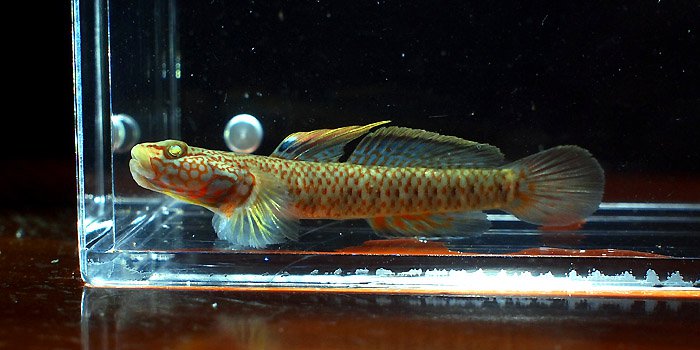
丝鳍吻鰕虎鱼(Rhinogobius filamentosus)来自中国南方,雄鱼背鳍前部鳍条延长是名称所指的特色。它与多种近似虾虎鱼外形相近,产地与鳍形应结合确认,不能只凭一根长鳍条认种。
分布与栖息地
模式产地对应广西漓江水系,邻近广东也有采集记录,完整范围尚未厘清。推测生活在小河、支流和溪流,底部有砂砾、石块、大石及基岩,水深和水流随季节变化;这些环境描述仍带推测性质。
饲养环境
小群底面积可从约 60 × 30 cm 起步,参照溪流型吻鰕虎环境,用砂砾、圆石、枝木、陶管或小花盆形成多处洞缝、阴影与视线屏障。耐受植物可固定于硬景。
保持高溶氧、适当流动及洁净水质,不必猛烈激流。每周换水约三至五成,避免有机污染累积。
食性与喂食
吻鰕虎鱼属总体偏机会性肉食,缸内可提供适口红虫、蚊幼虫、丰年虾、水蚤、糠虾等小型活饵或冷冻饵。干粮有时在适应后被接受,但不宜经常作为主食。
雌雄区分
雄鱼第一背鳍前部鳍条延长,压倒时可延至第二背鳍较后方。这是可观察特征,但不能单凭它排除外形相似的其他种。
繁殖
属于不需要海水洄游阶段的河流型种群,其近缘组合以较大的卵为特征;这不等于已经掌握本种在缸内的具体产卵和育苗流程。
补充说明
可辅助核对的特征包括尾基没有显著尖角状大暗斑、腹鳍前方无鳞,以及特定头部感觉管孔组合。它可能尚未形成常规观赏贸易,个体来源和身份应谨慎确认。
图片
图片来自 SeriouslyFish,版权归各摄影者所有。
English
Overview
Rhinogobius filamentosus is a southern Chinese goby named for the extended anterior dorsal rays of males. Similar-looking species make locality and the complete fin pattern important; a long ray alone cannot establish identity.
Distribution & habitat
The type locality corresponds to the Li River system in Guangxi, with additional collections from neighboring Guangdong. The full range remains poorly defined. Small rivers, tributaries, and streams over gravel, rocks, and bedrock are presumed habitats, with seasonal changes in depth and current; these habitat details remain tentative.
Aquarium setup
A small group can start with a footprint around 60 × 30 cm. Following stream-goby practice, use sand, gravel, rounded rocks, wood, ceramic tubes, or pots to create numerous shaded retreats and broken sight lines. Hardy plants can be attached to the structure.
Maintain high oxygen levels, some circulation, and clean water without a constant torrent. Weekly changes of roughly 30–50 percent help prevent organic waste buildup.
Diet & feeding
The genus generally takes small animal prey opportunistically. In captivity, offer suitable live or frozen foods such as bloodworms, mosquito larvae, brine shrimp, water fleas, and mysids. Dry foods may be accepted after acclimation, but should not be a regular staple.
Sexual dimorphism
Males develop extended rays at the front of the first dorsal fin, reaching well along the second dorsal when folded. This visible feature still needs to be assessed alongside other characters when identifying similar species.
Breeding
It belongs to a river-resident assemblage without a required marine migration stage, characterized by relatively large eggs. That does not establish a detailed aquarium spawning or rearing protocol for this species.
Notes
Useful additional characters include the absence of a large angular dark mark at the tail base, a scaleless area before the pelvic fins, and the arrangement of head sensory pores. Regular ornamental trade is uncertain, so provenance and identity merit care.
来源
- https://www.seriouslyfish.com/species/rhinogobius-filamentosus(抓取于 2026-10-10)
rhinogobius-filamentosus · 文件: data/species/rhinogobius-filamentosus.md · 状态: 草稿