针牙脂鲤 · Biara
概要
| 字段 | 值 |
|---|---|
| 类别 | 鱼 |
| 学名 | Rhaphiodon vulpinus |
| 别名 | 針牙脂鯉、Hydropardus rapax、Salmo tamuco |
| 分类 | 脂鲤目 Characiformes › 犬齿脂鲤科 Cynodontidae › Rhaphiodon |
| 水体 | 淡水 |
| 原产地 | 阿根廷、巴西、厄瓜多尔、圭亚那、巴拉圭、秘鲁、乌拉圭、委内瑞拉 |
| 成体体长 | 80 cm |
| 饲养难度 | 中等 |
| 群居方式 | 独居 |
| 特征 | 会跳缸: 是;吃小鱼: 是 |
| 外部数据 | seriouslyfish rhaphiodon-vulpinus;fishbase 8697 |
| 食性 | 肉食 |
| 性情 | 温和 |
水质参数
| 参数 | 耐受范围 | 最适范围 | 单位 |
|---|---|---|---|
| 水温 | 24–28 | — | °C |
| pH | 6–8 | — | — |
| 总硬度 | 2–15 | — | dGH |
概述
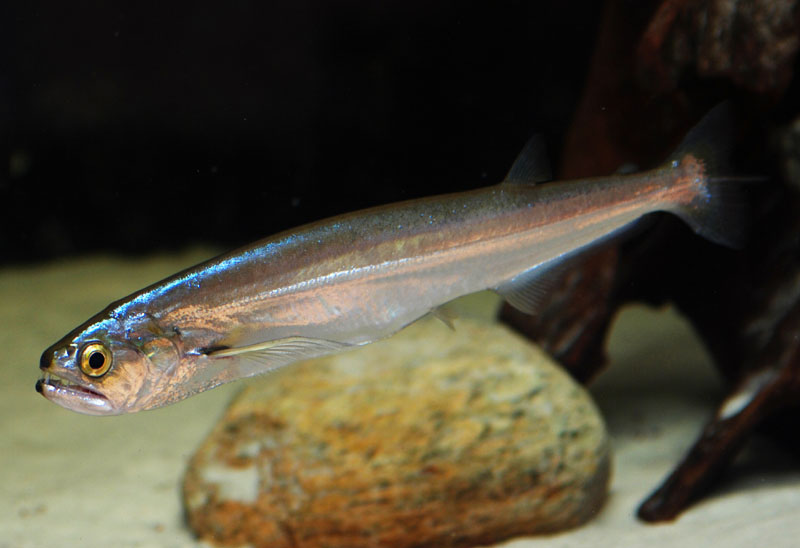
针牙脂鲤(Rhaphiodon vulpinus)身体细长,是大型专性食鱼者,长期安置通常只适合公共设施或极少数超大型私人鱼缸。幼鱼常见于贸易,不代表中型缸能承担成年需求。
分布与栖息地
范围从秘鲁乌卡亚利河向东至巴西欣古河,也包括托坎廷斯河和卡平河;另见于委内瑞拉奥里诺科河、圭亚那鲁普努尼河,以及巴拉圭—巴拉那河、乌拉圭河与阿根廷拉普拉塔河水系。
利用河流干道和部分水库,河流种群有年度繁殖迁移。不同地区的体色和鳞片、鳍条数量存在变化。
饲养环境
需要极其庞大的成熟设施,不能凭幼鱼体长倒推终身缸尺寸。沙、细砾、圆石和沉木可构成河流式布局,但必须保留大量开放泳道。
对有机废物积累不耐受,要求高溶氧、适度水流及稳定水质,每周换水约 30%–50%。缸盖须严密,遮挡背面和侧面玻璃可能降低受惊撞缸风险。
食性与喂食
专性食鱼,可吞食相对较大的猎物。新进口个体可能先只接受活鱼,多数可逐步适应非活体替代食物。不要长期依赖携带病原风险且营养状态不明的饵料鱼,也不宜喂牛心或鸡肉等。
习性与混养
对无法吞下、体形相近的温和鱼通常较平和,而且容易被强势鱼压制。可专门安置,或在足够大设施中考虑相容伙伴。同种群体至少三尾较合适,但不能因此忽略所需空间。
繁殖
繁殖与涨水季相关,约从九月或十月开始,延续到翌年一月或四月,随地区水文变化而不同。鱼会迁入被淹没区域产卵;尚无普通水族箱中的可靠繁殖方法。
补充说明
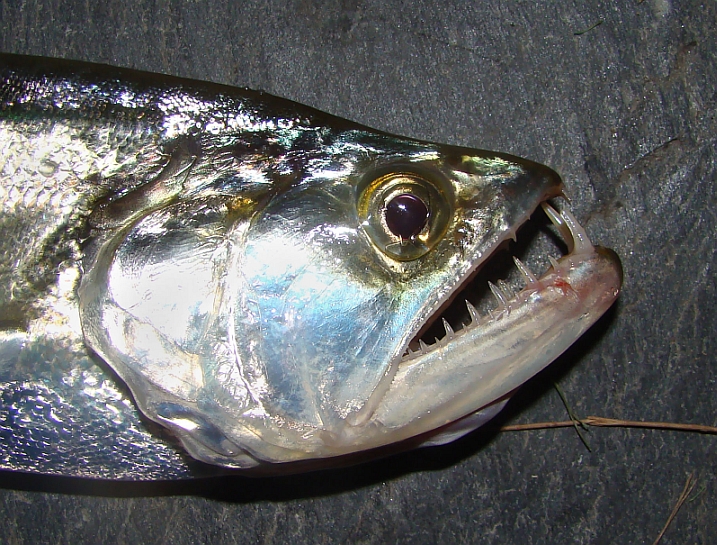
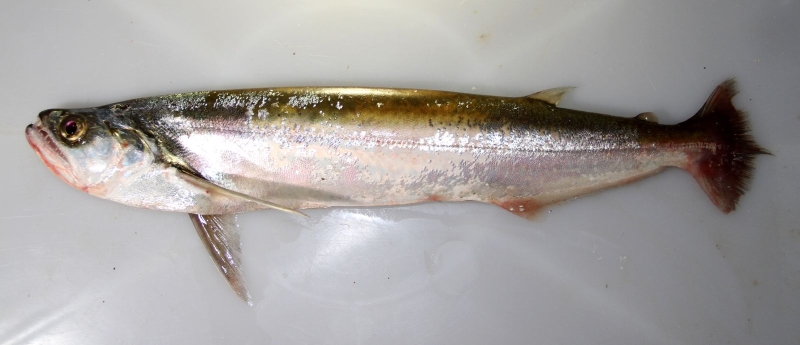
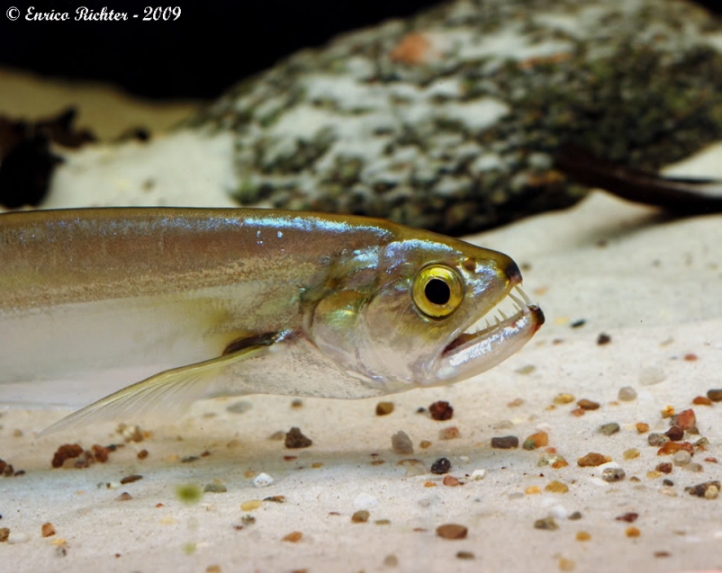
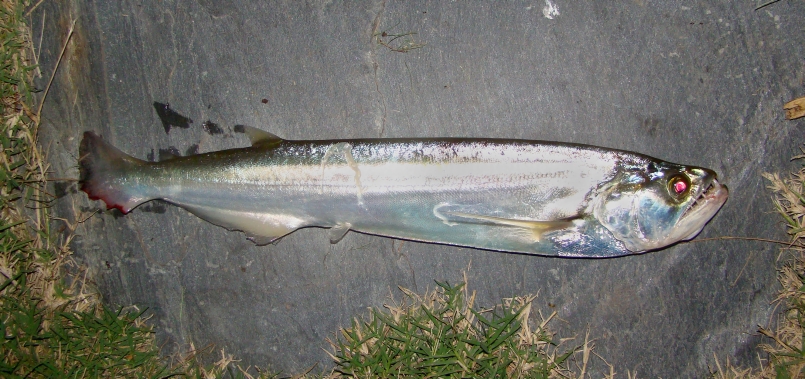
细长体形和位置靠后的背鳍有助辨认,地方商品名则常与其他犬齿脂鲤重叠。成年需求应在购买前确定,不能依靠持续压缩空间来维持幼鱼阶段。
图片
图片来自 SeriouslyFish,版权归各摄影者所有。
English
Overview
The slender Rhaphiodon vulpinus is a large obligate fish predator suited mainly to public facilities or exceptional private aquariums. Frequent juvenile availability does not make medium-sized housing a viable adult arrangement.
Distribution & habitat
Its range extends from Peru's Ucayali eastward to Brazil's Xingu, with the Tocantins and Capim also included. Other records concern Venezuela's Orinoco, Guyana's Rupununi, and the Paraguay–Paraná, Uruguay, and La Plata systems.
Main channels and some reservoirs are used. River populations undertake annual reproductive migrations, and geographic forms differ in color and meristic features.
Aquarium setup
Long-term care requires immense mature accommodation. Sand, gravel, rounded rocks, and wood can create a river layout while leaving extensive open water.
Organic pollution is poorly tolerated. Maintain high oxygen levels, moderate current, stable chemistry, and weekly water changes of about 30–50%. A secure cover prevents jumping; screened rear and side panes may reduce startled collisions.
Diet & feeding
An obligate piscivore, it consumes relatively large prey. New arrivals may recognize only live fish initially, but most can learn nonliving alternatives. Routine feeder-fish use brings pathogen and nutritional concerns, while terrestrial meats such as beef heart or chicken are unsuitable.
Behaviour & compatibility
It is generally placid with similarly sized peaceful fishes beyond swallowing size, and can itself be dominated by assertive neighbors. Dedicated housing is an option. Conspecific groups of at least three require facilities planned for their combined adult needs.
Breeding
Reproduction follows rising water, beginning around September or October and extending into January or April according to local flood regimes. Fish move into inundated areas to spawn. A reliable ordinary-aquarium method is unrecorded.
Notes
The elongated body and rearward dorsal fin help distinguish it, while local sales names overlap with other dogtooth characins. Permanent adult accommodation should be resolved before purchase rather than treating restricted space as a way to prolong juvenile housing.
来源
- https://www.seriouslyfish.com/species/rhaphiodon-vulpinus(抓取于 2026-10-10)
rhaphiodon-vulpinus · 文件: data/species/rhaphiodon-vulpinus.md · 状态: 草稿