后臀丽鱼
概要
| 字段 | 值 |
|---|---|
| 类别 | 鱼 |
| 学名 | Retroculus lapidifer |
| 别名 | 南美后臀丽鱼、後臀麗魚、南美後臀麗魚、Chromys lapidifera、Retroculus boulengeri |
| 分类 | 慈鲷目 Cichliformes › 慈鲷科 Cichlidae › Retroculus |
| 水体 | 淡水 |
| 原产地 | 巴西 |
| 成体体长 | 20 cm |
| 饲养难度 | 中等 |
| 最小水体 | 756 L |
| 最小缸长 | 210 cm |
| 群居方式 | 群游 |
| 性情 | 温和 |
| 外部数据 | seriouslyfish retroculus-lapidifer;fishbase 47077 |
| 食性 | 肉食 |
| 特征 | 翻底砂: 是 |
| 繁殖方式 | 附着产卵 |
水质参数
| 参数 | 耐受范围 | 最适范围 | 单位 |
|---|---|---|---|
| 水温 | 26–32 | — | °C |
| pH | 6–8 | — | — |
| 总硬度 | 1–12 | — | dGH |
概述
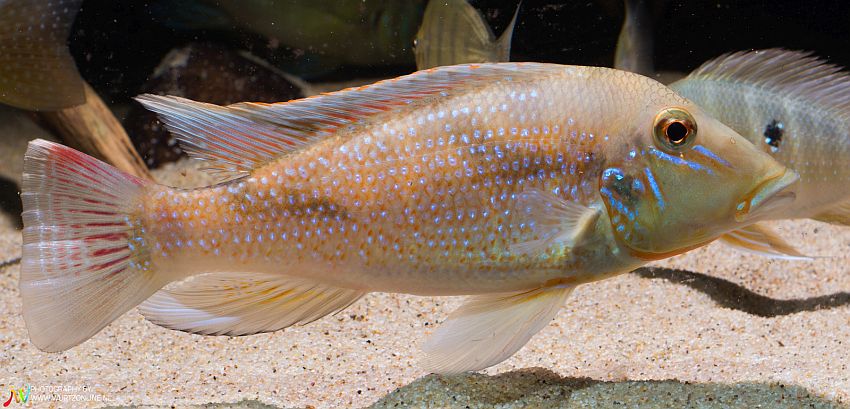
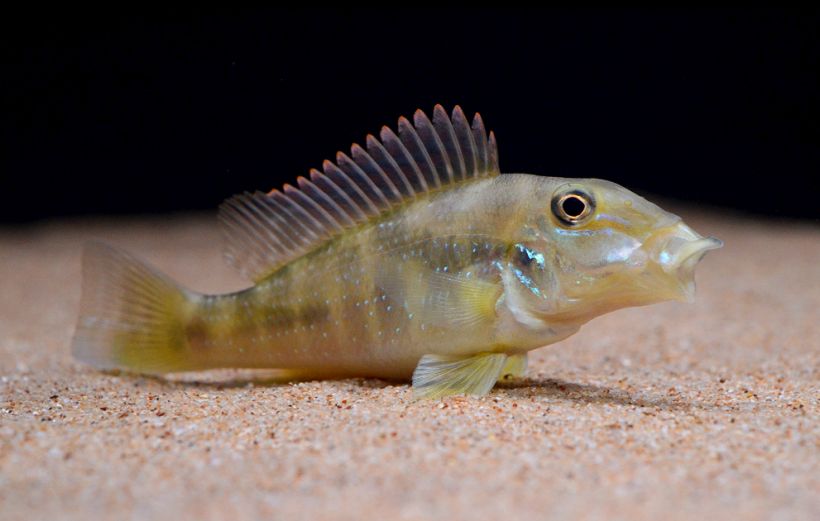
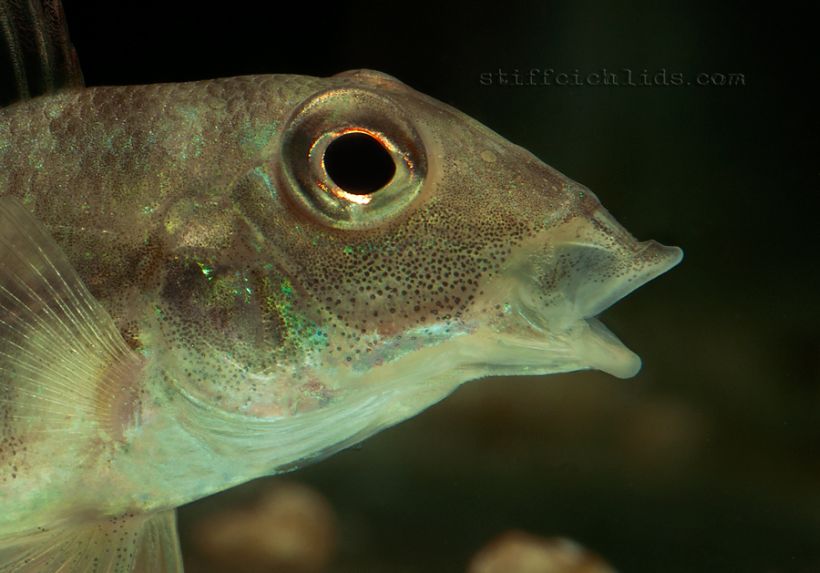
后臀丽鱼(Retroculus lapidifer)适应温暖清澈急流,需要大底面积、强充氧和低污染的河流式水族箱。它会筛底砂取食,并在繁殖时搬运小石与碎屑保护卵,普通静水群养布置并不适合。
分布与栖息地
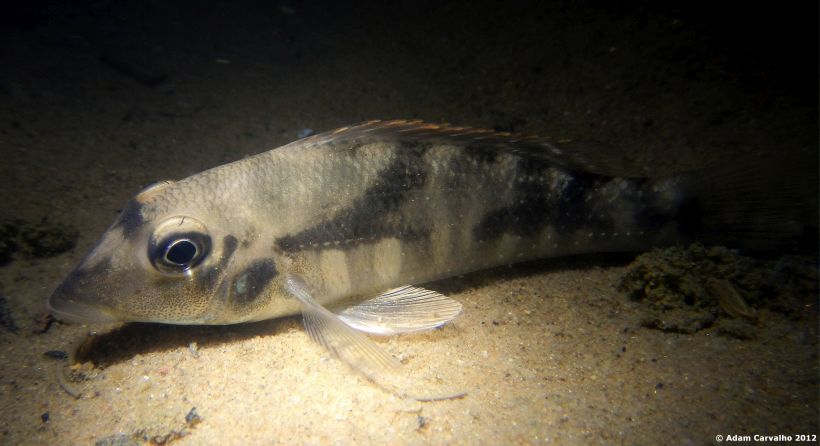
原生巴西东北部、亚马逊以南注入大西洋的水系,主要记录在托坎廷斯及阿拉瓜亚流域,也见卡平河和古鲁皮河。生活在清水河急滩与快流段,周围有大小巨石,岸边缓池底部为沙或砾。
饲养环境
底面积至少约 210 × 60 厘米,水温维持 26~32 °C,不适合较凉水。软沙混少量小卵石,配岩块、树根与枝条;水草宜选择可附着的强健种类。用足够过滤与造流维持高溶氧,每周约换水 30%~70%。野生鱼运输后可能脆弱并易出现白点问题,入缸前需充分检疫观察。
食性与喂食
野外主要摄食底栖水生无脊椎动物,尤其摇蚊、石蛾和蜉蝣幼虫,也能接取水流中的食物或捕食小鱼。缸内可给细粒优质粮、活冷冻水生饵及合适凝胶粮,部分干粮含植物成分。每天三至五次少量投喂比一次大餐更合适。
习性与混养
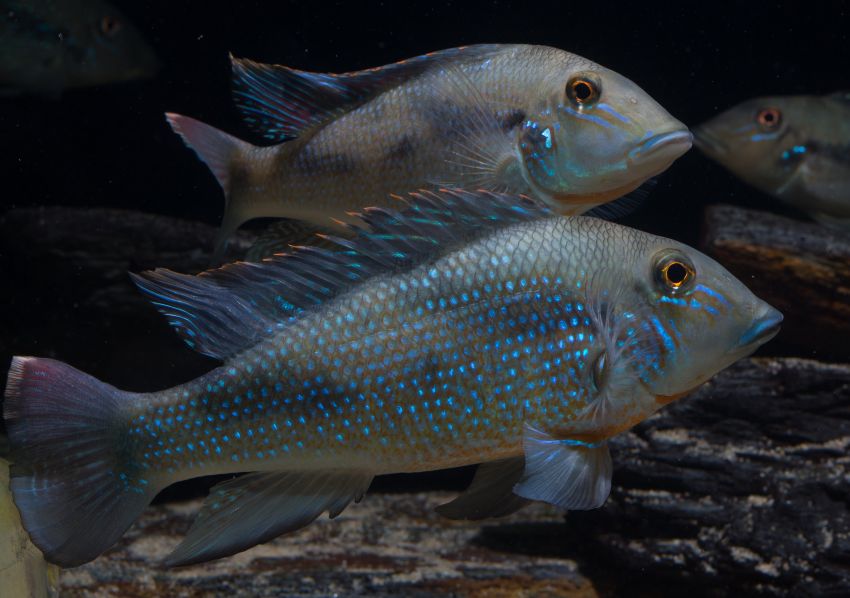
繁殖以外相对温和,但小伙伴可能被吃。除极大水族箱外,宜配温和中上层鱼而非其他底栖竞争者。最好五至八尾群养,成熟后形成等级;数量少时弱鱼可能被集中欺压或群体持续紧张。
雌雄区分
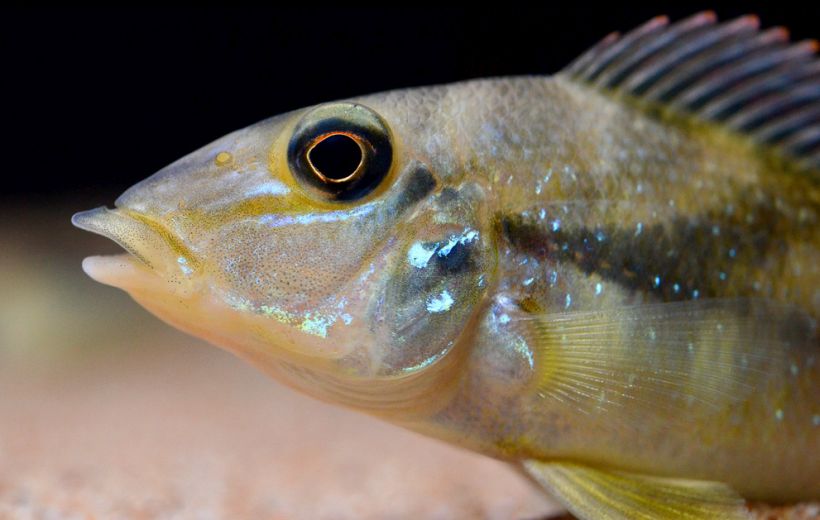
成年雄鱼较纤细,腹鳍与臀鳍间腹线较直,雌鱼更圆;雄鱼腹鳍较大,还会在展示时支撑身体。幼鱼与未成熟鱼没有明显外部差异,繁殖鱼会加深唇部、头腹面与腹鳍的黑色。
繁殖
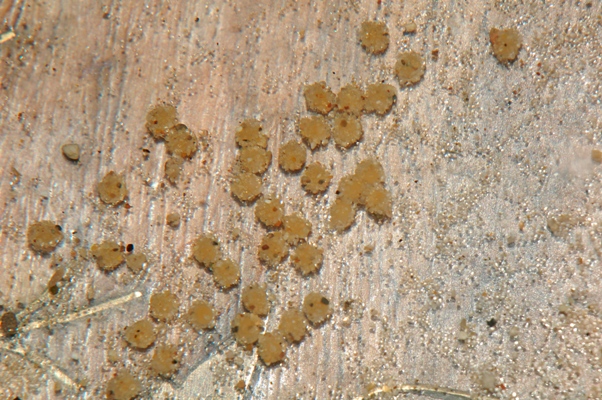
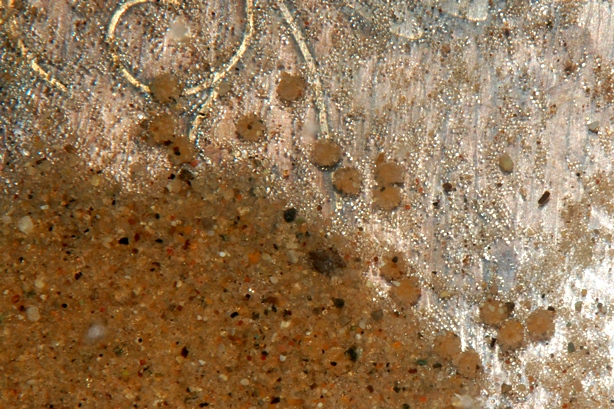
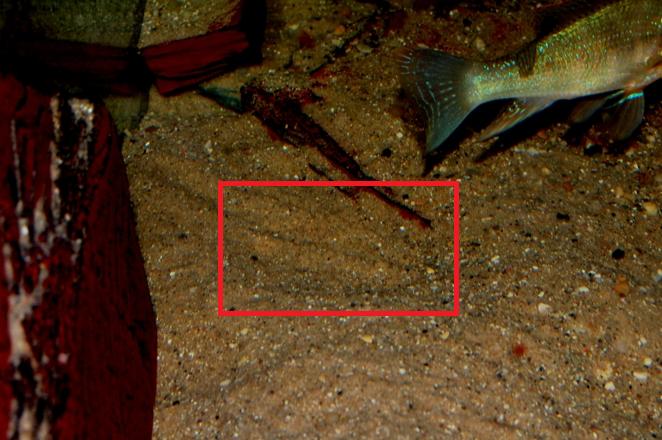
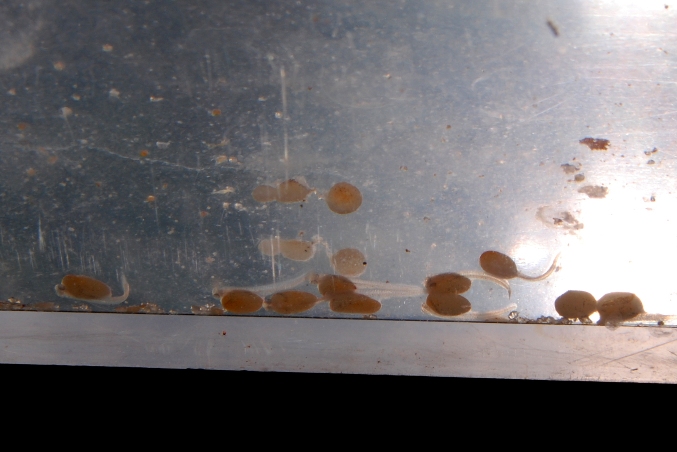
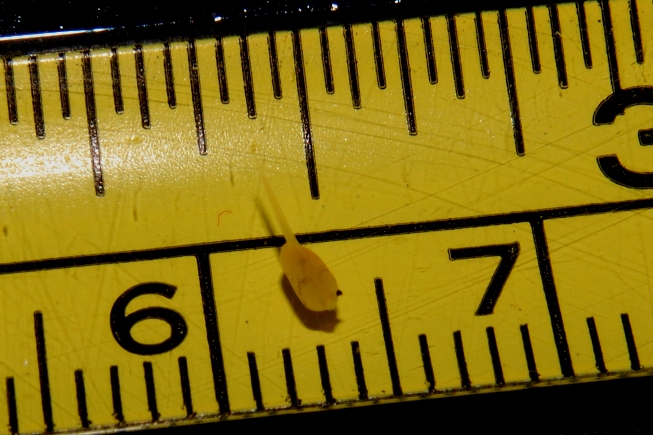
已能人工繁殖,双亲照护基质卵。幼鱼自然配对需耐心,性成熟可能一年,常两年或更久;良好食谱及大量规律换水是关键。双亲挖大坑,分批产下约两百粒或更多黏卵,卵很快沾沙,再覆小石、木屑等,孵育中常搬巢。约三至四天孵化,幼体留在巢旁但不继续掩埋;卵黄吸收后可喂丰年虾无节幼体。部分亲鱼夜前把幼鱼引回巢中,并可能翻动底床帮助幼鱼寻找食物。
补充说明
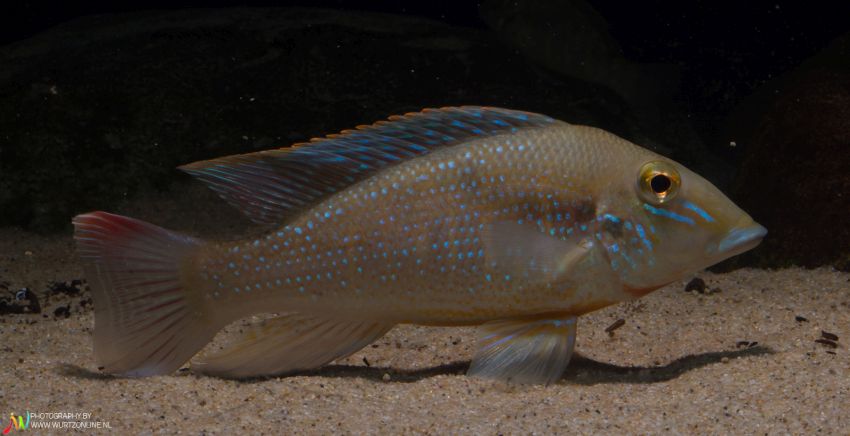
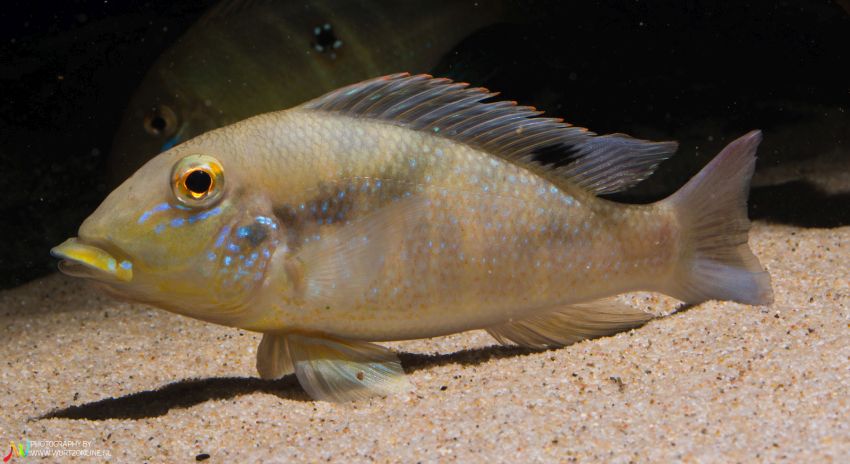
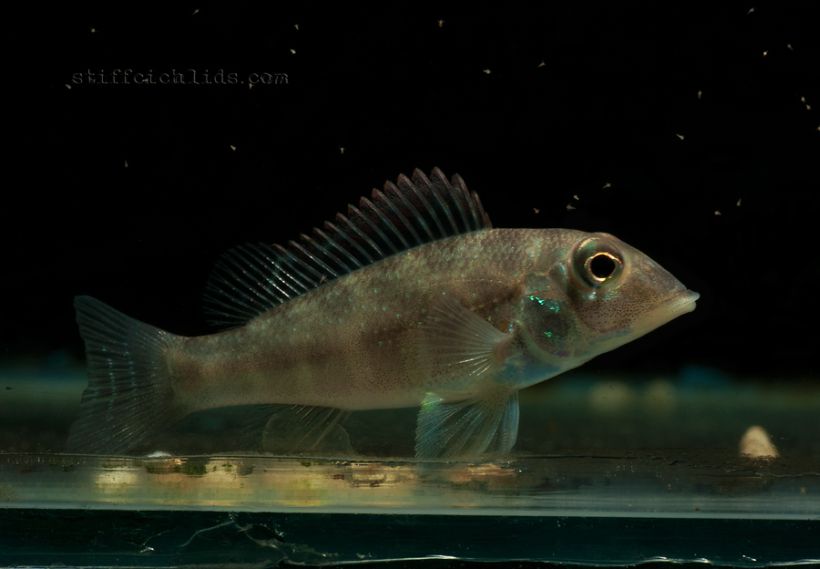
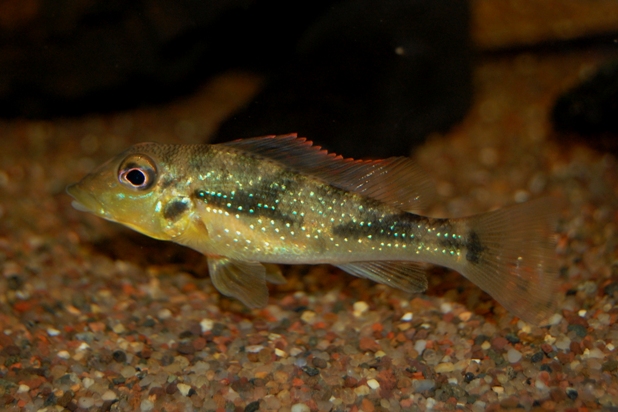
本种尾鳍缺少明显深色横带,可作为与部分近缘种比较的线索。外观像食土类并不代表分类上属于同一类群。
图片
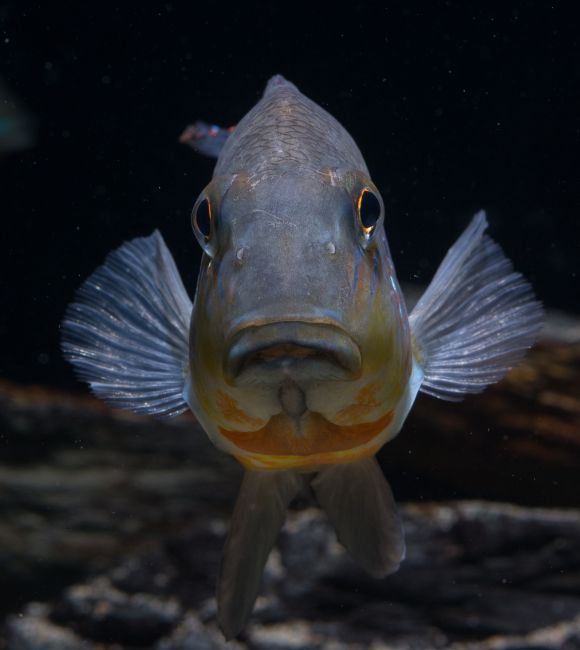
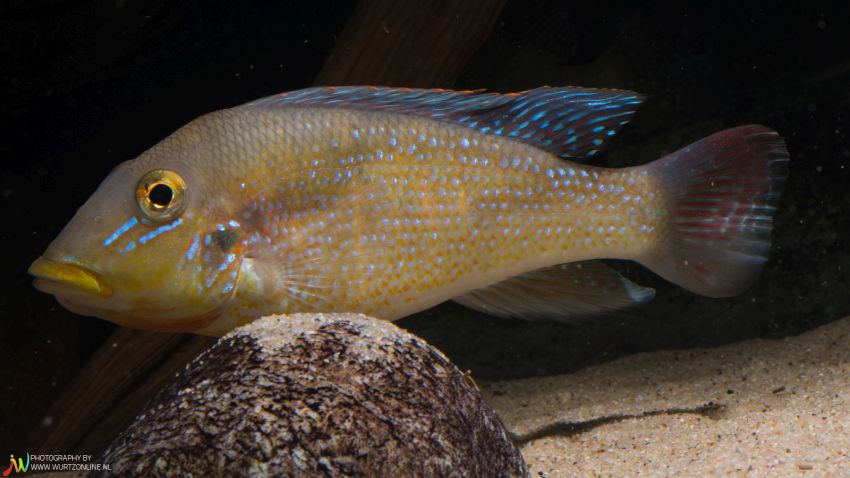
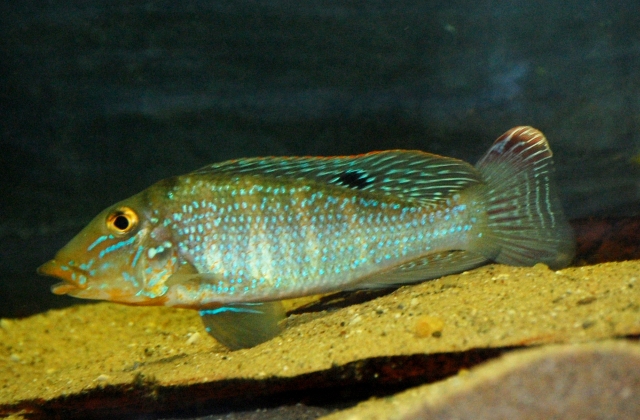
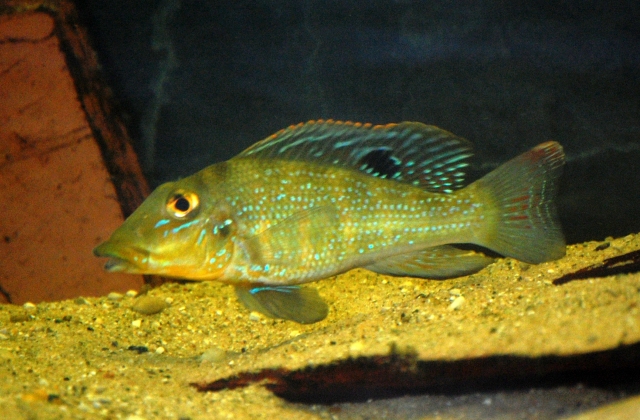
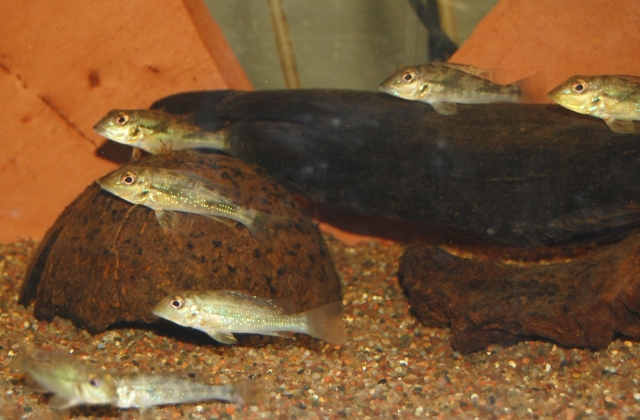
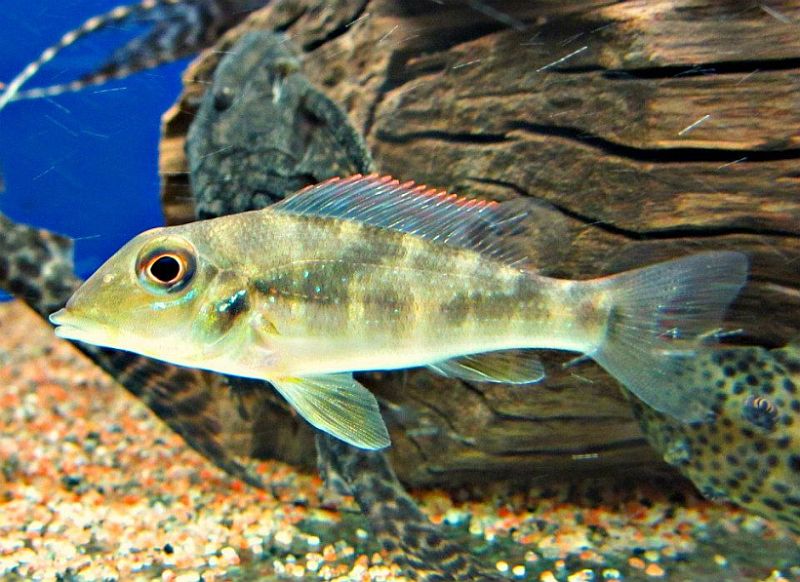
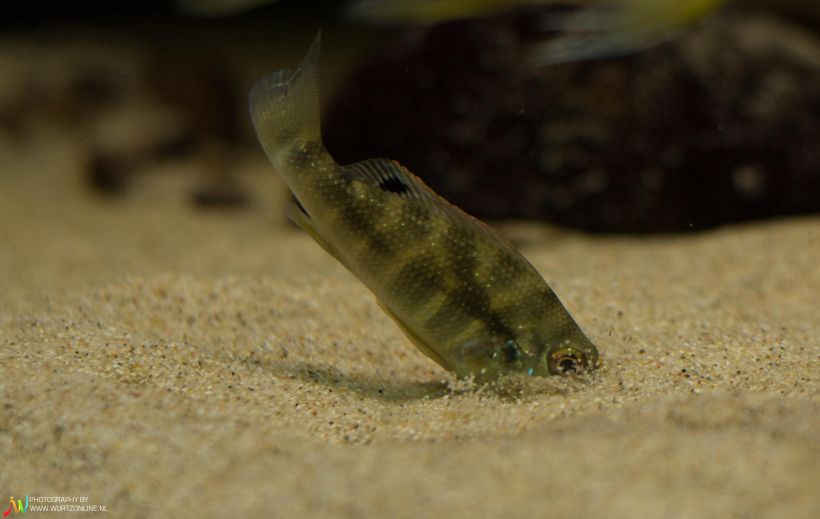
图片来自 SeriouslyFish,版权归各摄影者所有。
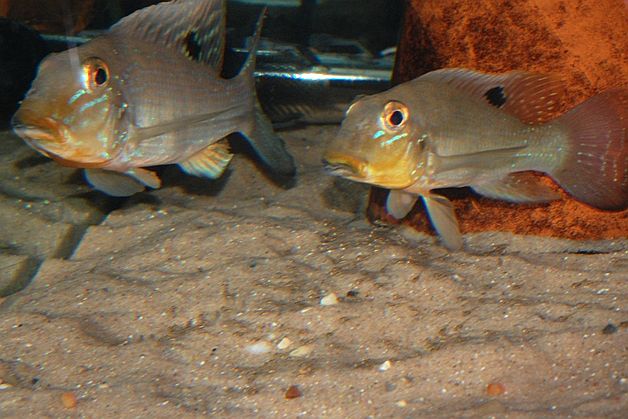
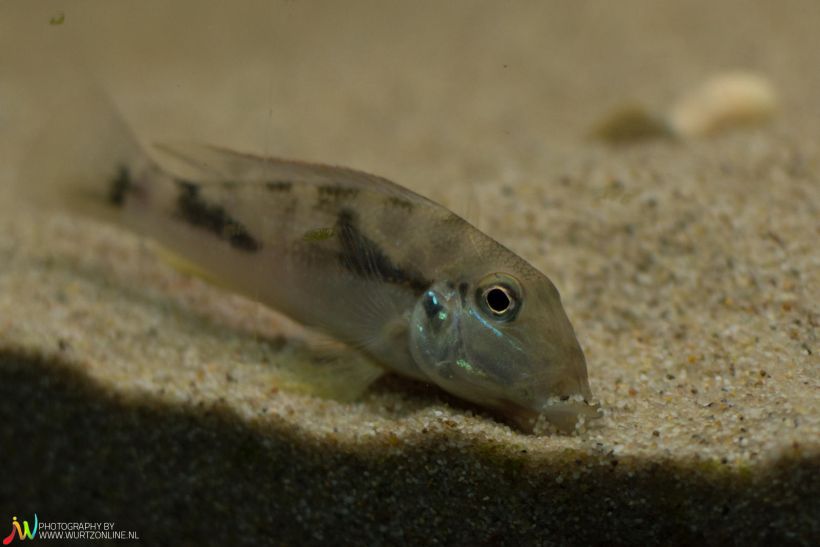
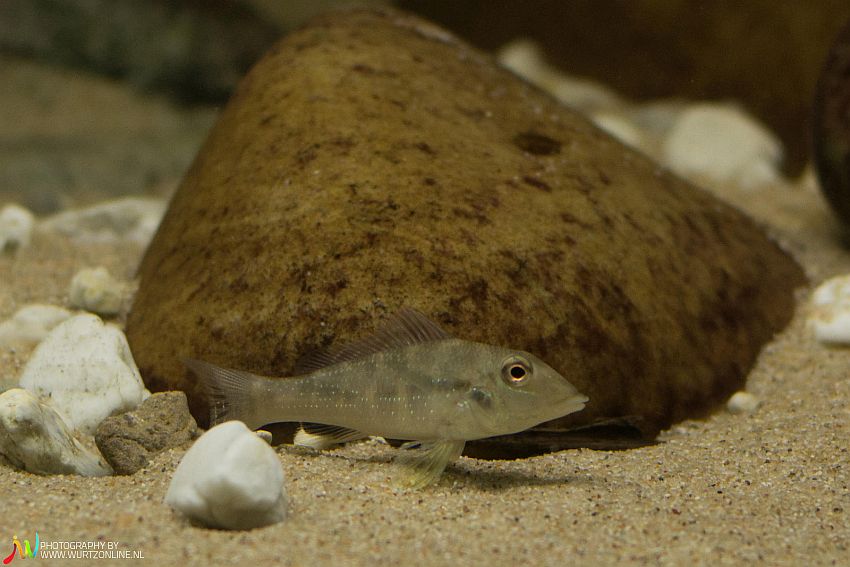
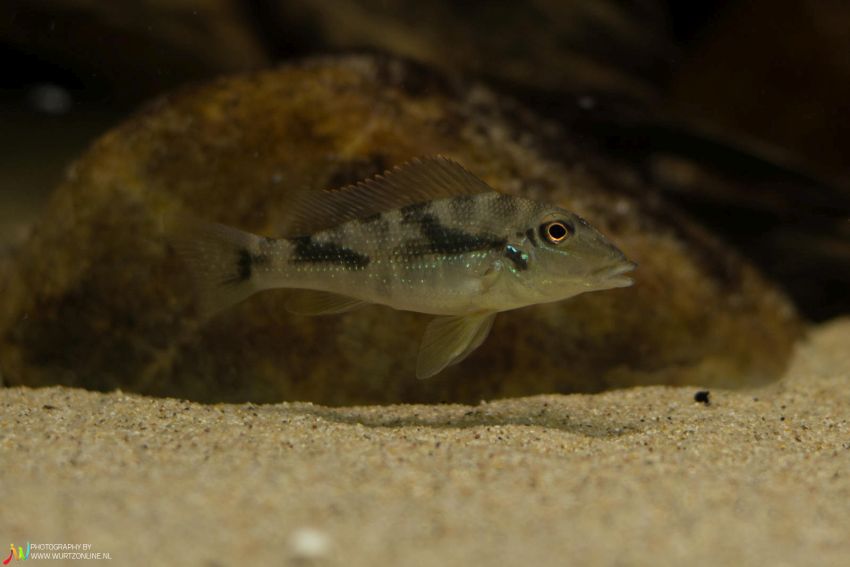
English
Overview
A warm-water current specialist, Retroculus lapidifer needs a large river-style aquarium with ample oxygen and very clean water. Substrate sifting and the construction of pebble-covered nests are characteristic behaviors.
Distribution & habitat
Most records come from the Tocantins and Araguaia systems of Brazil, with additional occurrences in the Capim and Gurupi drainages. Clear-water rapids and fast river stretches contain boulders of varied sizes, with quieter sandy or gravelly pools at the margins.
Aquarium setup
Provide at least a 210 by 60 cm footprint and maintain 26–32 °C. Use soft sand with small pebbles, plus boulders, roots, and branches. Hardy attached plants are possible. Strong water movement and high dissolved oxygen are important, with effective filtration and weekly changes of about 30–70%. Recently imported wild fish can be delicate and susceptible to white spot, warranting careful quarantine.
Diet & feeding
Benthic aquatic invertebrates dominate the wild diet, especially insect larvae. Food suspended in the current and small fishes may also be taken. Offer fine prepared foods, varied live or frozen aquatic items, and suitable gel foods; include some plant-containing dry food. Three to five small daily meals support condition better than one large feeding.
Behaviour & compatibility
Outside breeding, it is relatively peaceful but may consume smaller companions. Calm fishes using open water are preferable to other bottom-oriented species except in very large tanks. Keep five to eight individuals so the natural loose grouping can develop. Smaller groups may leave weaker fish exposed to disproportionate aggression.
Sexual dimorphism
Adult males are slimmer, especially along the nearly straight belly between the pelvic and anal fins; females are rounder there. Enlarged male pelvic fins can support display postures. Juveniles lack useful external differences. Breeding fish intensify dark pigmentation beneath the head and body and on the pelvic fins.
Breeding
This biparental substrate spawner has reproduced in aquaria. Natural pairing requires patience: maturity can take one year and often two or more. Good feeding and rigorous maintenance support spawning. The pair excavates pits and deposits roughly 200 or more adhesive eggs, which collect sand and are then covered with pebbles or debris. The nest is moved during incubation. Hatching begins after three to four days, with larvae remaining near the nest rather than buried. Offer small live foods after yolk absorption. Some parents guide fry back to the nest before nightfall and disturb substrate, possibly exposing food for them.
Notes
The absence of conspicuous dark tail bars helps separate it from some relatives. Its resemblance to earth-eating cichlids does not indicate membership in the same group.
来源
- https://www.seriouslyfish.com/species/retroculus-lapidifer(抓取于 2026-10-10)
retroculus-lapidifer · 文件: data/species/retroculus-lapidifer.md · 状态: 草稿