臀点脂鲤 · Piraya
概要
| 字段 | 值 |
|---|---|
| 类别 | 鱼 |
| 学名 | Pygocentrus piraya |
| 别名 | 皮兰锯脂鲤、臀點脂鯉、皮蘭鋸脂鯉、Serrasalmus piraya、Serrasalmo piranha、Serrasalmo ferox |
| 分类 | 脂鲤目 Characiformes › 锯鲑脂鲤科 Serrasalmidae › Pygocentrus |
| 水体 | 淡水 |
| 原产地 | 巴西东部圣弗朗西斯科河流域 |
| 成体体长 | 35 cm |
| 饲养难度 | 中等 |
| 群居方式 | 群游 |
| 外部数据 | seriouslyfish pygocentrus-piraya;fishbase 8696 |
水质参数
| 参数 | 耐受范围 | 最适范围 | 单位 |
|---|---|---|---|
| 水温 | 20–28 | — | °C |
| pH | 6–8 | — | — |
| 总硬度 | 2–20 | — | dGH |
概述
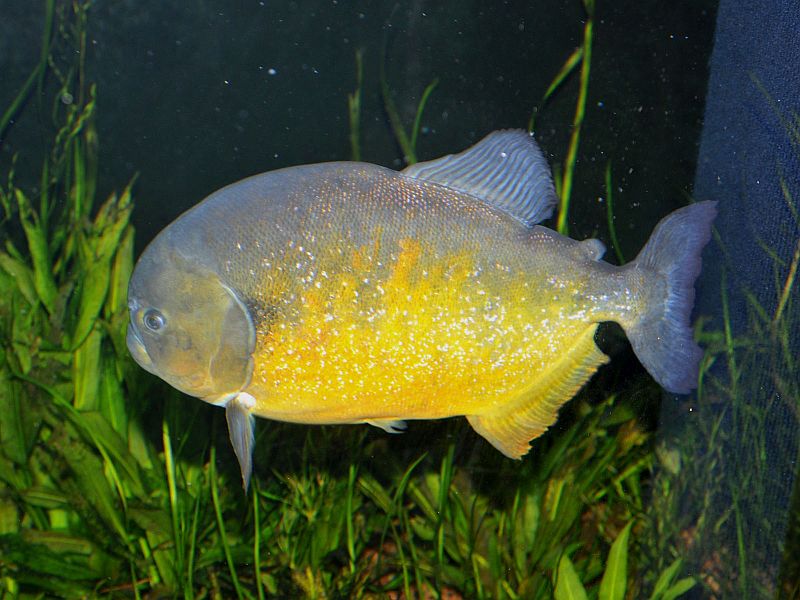
臀点脂鲤(Pygocentrus piraya)是巴西圣弗朗西斯科河流域的食人鱼,下颌、鳃盖和体侧有鲜明黄橙色。成年个体在空间受限时据报道会激烈互斗,通常以单养为宜。
分布与栖息地
原生范围限于巴西东部圣弗朗西斯科河及其支流。巴伊亚州巴拉瓜苏河上的一处水库种群属于引入,不能算进原生分布。
能利用主河道、小支流、洪泛湖泊及大型人工水库。
饲养环境
需要公共展示设施或极大的私人缸。砂、砾石或便于维护的裸底都可以,造景不应妨碍管理;水草可能被啃食。
同属鱼排泄量大,应有大容量外滤或底滤,并将加热棒保护好或移出主缸。每周换水约三至五成,维护和捞鱼时格外注意牙齿造成的伤害。
食性与喂食
同属鱼属于机会性取食者,并不只吃鱼肉,也会摄食无脊椎动物、昆虫及植物性材料。幼鱼可喂红虫、小蚯蚓和碎虾肉,成鱼可接受鱼肉条、虾、贻贝及较大蚯蚓等。
不宜使用牛心、鸡肉等陆生动物肉类,也不需要活饵鱼;后者可能带来寄生虫或疾病。
习性与混养
单养更稳妥。饱食成鱼有时会放过远小于自己的鱼,但不能据此设计可靠混养。想维持同种群体需要特别巨大的空间,尤其成年后拥挤时攻击性可明显加剧。
雌雄区分
雌鱼通常更大,成熟后身体较圆,繁殖期尤其明显。
补充说明
大个体脂鳍中有鳍条,配合下颌、鳃盖及体侧黄橙色,是区别近似种的线索。本种的繁殖方式常被推测类似其他近缘食人鱼,但不能直接把近缘种的季节或孵化数字当作本种已知事实。
图片
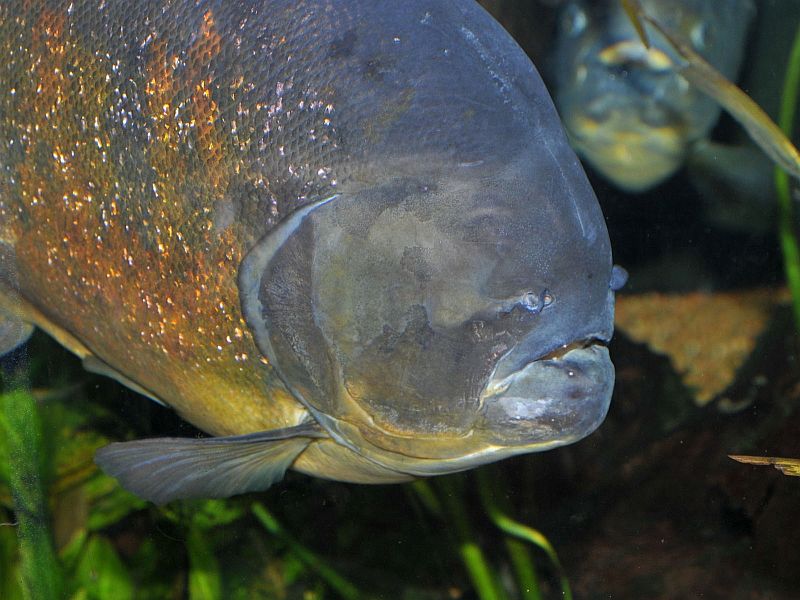
图片来自 SeriouslyFish,版权归各摄影者所有。

English
Overview
Pygocentrus piraya is a piranha from Brazil's São Francisco basin, with striking yellow-orange color on the lower jaw, gill cover, and flanks. Mature fish reportedly fight intensely when space is restricted, making individual housing the more dependable approach.
Distribution & habitat
Its native range is restricted to the São Francisco and its tributaries in eastern Brazil. A reservoir population in Bahia's Paraguaçu system is introduced rather than part of the original range.
Occupied habitats include main channels, smaller tributaries, floodplain lakes, and large artificial reservoirs.
Aquarium setup
Housing requires a public installation or an exceptionally large private aquarium. Sand, gravel, and easily cleaned bare-bottom arrangements are all possible. Decoration should allow maintenance, and plants may be eaten.
Related fish produce substantial waste, calling for large external filtration or a sump. Protect heaters or locate them outside the main tank. Replace approximately 30–50% of the water each week and take particular care with the teeth during cleaning or capture.
Diet & feeding
Members of the genus are opportunistic consumers rather than exclusive fish eaters, also taking invertebrates, insects, and plant items. Juveniles can receive worms and chopped shrimp. Adults accept fish strips, shrimp, mussels, and larger earthworms.
Avoid terrestrial meats such as beef heart or chicken. Feeder fish are unnecessary and may introduce parasites or other disease.
Behaviour & compatibility
Keeping a single specimen is more reliable. Well-fed adults may ignore much smaller fish, but this is not a basis for dependable mixed housing. A conspecific group requires enormous space, particularly because crowding can intensify aggression as individuals mature.
Sexual dimorphism
Females generally become larger and rounder, especially during reproductive periods.
Notes
Rays in the adipose fin of larger individuals, together with yellow-orange markings on the jaw, gill cover, and flanks, help distinguish this species. Reproduction is often presumed similar to that of related piranhas, but their seasonal patterns or incubation figures should not be presented as established facts for this fish.
来源
- https://www.seriouslyfish.com/species/pygocentrus-piraya(抓取于 2026-10-10)
pygocentrus-piraya · 文件: data/species/pygocentrus-piraya.md · 状态: 草稿