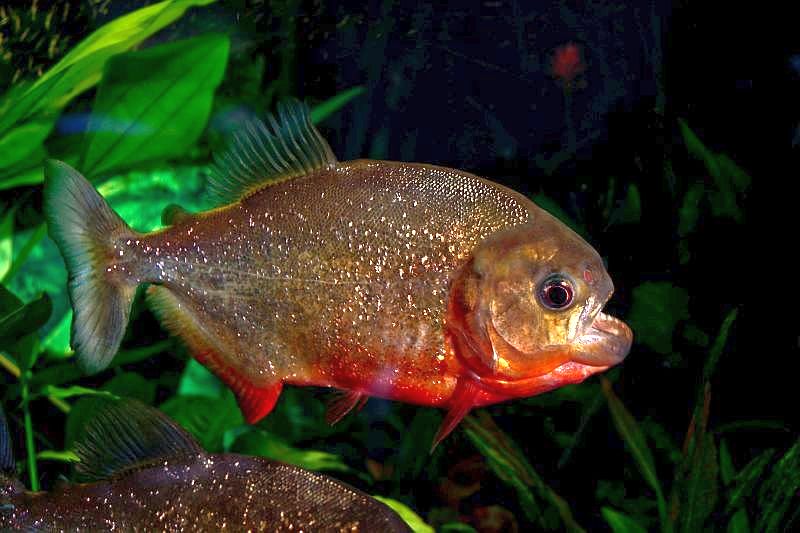
红腹食人鱼 · Red Bellied Piranha
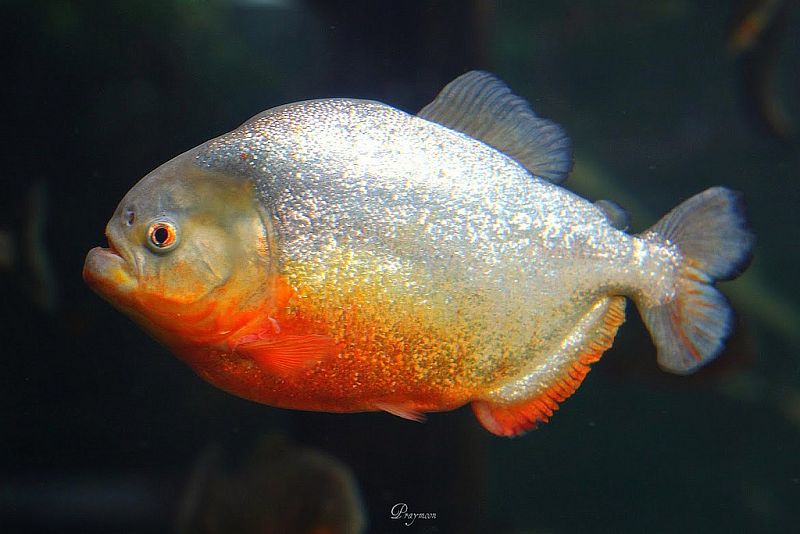
概要
| 字段 | 值 |
|---|---|
| 类别 | 鱼 |
| 学名 | Pygocentrus nattereri |
| 别名 | 特氏臀點脂鯉、Pygocentrus altus、Serrasalmo ternetzi、特氏臀点脂鲤 |
| 分类 | 脂鲤目 Characiformes › 锯鲑脂鲤科 Serrasalmidae › Pygocentrus |
| 水体 | 淡水 |
| 原产地 | 亚马孙河流域及南美洲多条水系,向南至巴拉那河、乌拉圭河;哥伦比亚记录存疑 |
| 成体体长 | 35 cm |
| 饲养难度 | 中等 |
| 最小水体 | 1296 L |
| 最小缸长 | 240 cm |
| 群居方式 | 群游 |
| 外部数据 | seriouslyfish pygocentrus-nattereri;fishbase 4501 |
| 特征 | 翻底砂: 是 |
| 领地性 | 是 |
| 繁殖方式 | 附着产卵 |
水质参数
| 参数 | 耐受范围 | 最适范围 | 单位 |
|---|---|---|---|
| 水温 | 24–28 | — | °C |
| pH | 5.5–7.5 | — | — |
| 总硬度 | 2–12 | — | dGH |
概述
红腹食人鱼(Pygocentrus nattereri)是最常见的食人鱼之一,但“总以凶猛鱼群集体猎食”的印象并不准确。幼鱼较常聚集,成鱼多为有等级关系的松散群体,长期饲养仍需要极大的设施及谨慎管理。
分布与栖息地
广布亚马孙河大部,也见于埃塞奎博河、东北部一些沿海水系,向南延伸到巴拉那河与乌拉圭河。哥伦比亚的部分分布记录仍有疑问。
能利用主河道、小支流、牛轭湖、洪泛湖泊及人工水库等多种环境,体色也会随产地和环境变化。
饲养环境
需要特别大的私人缸或公共展示设施。砂、砾石或便于清洁的裸底都可,造景依空间安排;植物可能被吃或在筑巢时修剪。
过滤要能承受很高的排泄负担,宜用大容量外滤或底滤。加热棒应有坚固保护,或移到主缸外,避免成鱼破坏设备。每周换水约三至五成,维护和捞鱼都要注意咬伤风险。
食性与喂食
同属食人鱼并非只吃肉,也机会性摄食水生无脊椎动物、昆虫以及果实、种子等。缸内幼鱼可吃红虫、小蚯蚓和切碎虾肉;成鱼可喂鱼肉条、虾、贻贝及较大蚯蚓。
不宜喂牛心、鸡肉等陆生动物肉类,也无需依赖活饵鱼,以免引入寄生虫或其他疾病。
习性与混养
以专门饲养本种的环境较合适,不把它视作普通混养对象。成年个体不一定主动捕食远小于自己的鱼,但这不能成为可靠混养保证。
可单养,或从至少五条的同种群体考虑,后者更能体现群内互动。成年群体是有等级的松散组合,不能按“协同狩猎鱼群”的故事理解。
雌雄区分
雌鱼通常长得较大,体形比雄鱼更圆。
繁殖
野外繁殖常与水位变化有关,利用被淹岸边植被和洪泛湖边草丛。缸内相对容易繁殖,约一岁、全长约 10–15 cm 时可成熟。可从六条以上培养自然配对;有记录在大幅凉水换水后产卵,也有无需特别刺激的情况。
雄鱼在选定地点挖底床浅坑,可能修剪水草,并驱赶其他雄鱼。雌鱼在巢边啄弄底床,两者体色加深,分批产卵后主要由雄鱼守护,有时雌鱼参与。
卵约两至三天孵化,第五天左右鱼苗自由游动,此时可转入海绵过滤育苗缸。每天少量多餐喂丰年虾无节幼体、微虫等,并换水约一成。长大后同类相食会加重,应按相近体形分组、逐步扩大空间,繁殖前也要安排好可能超过千条鱼苗的后续安置。
补充说明
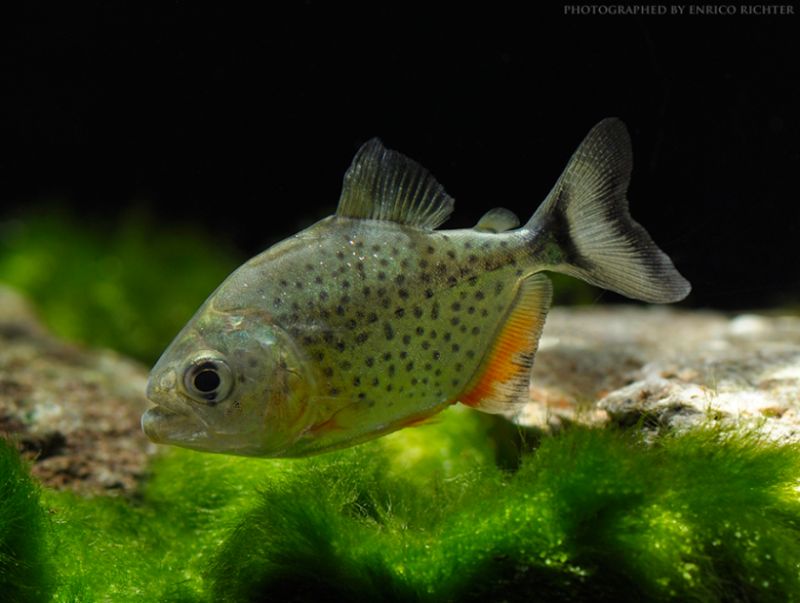
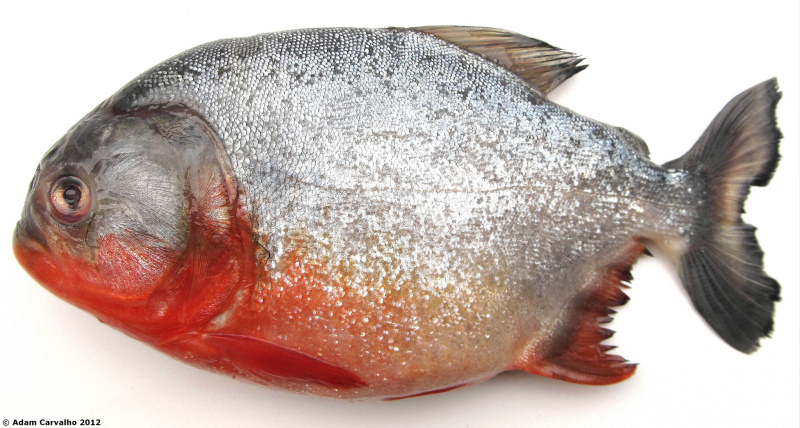
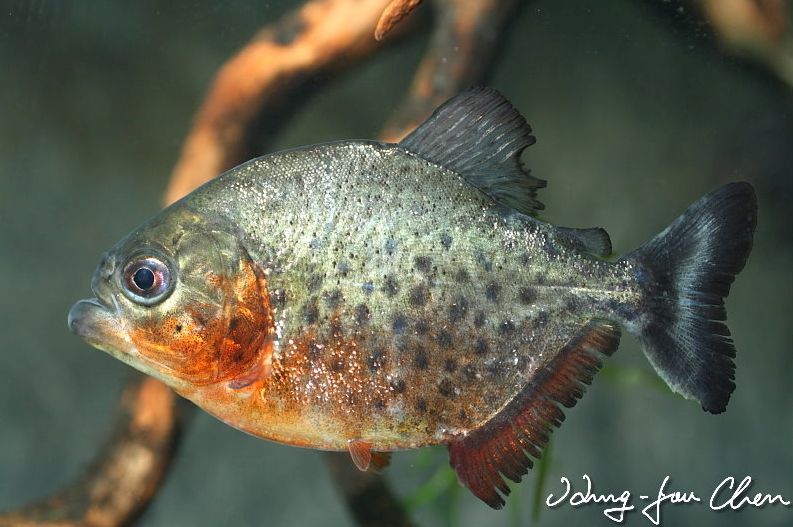
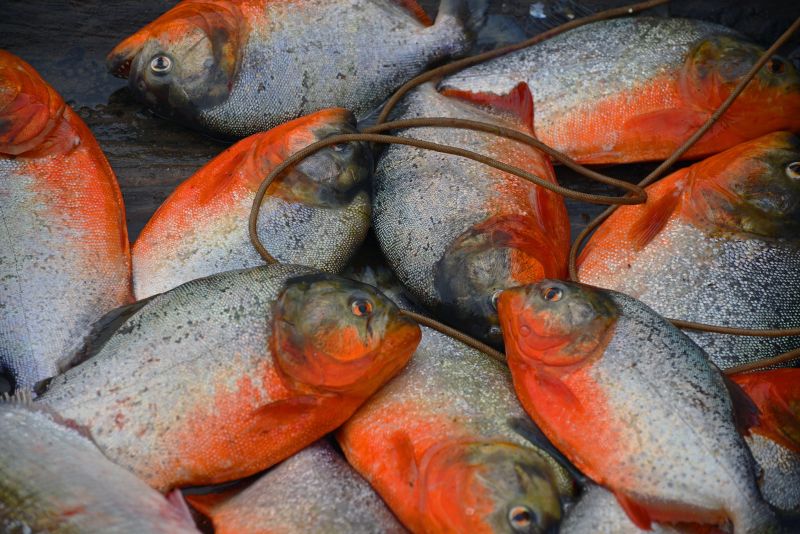
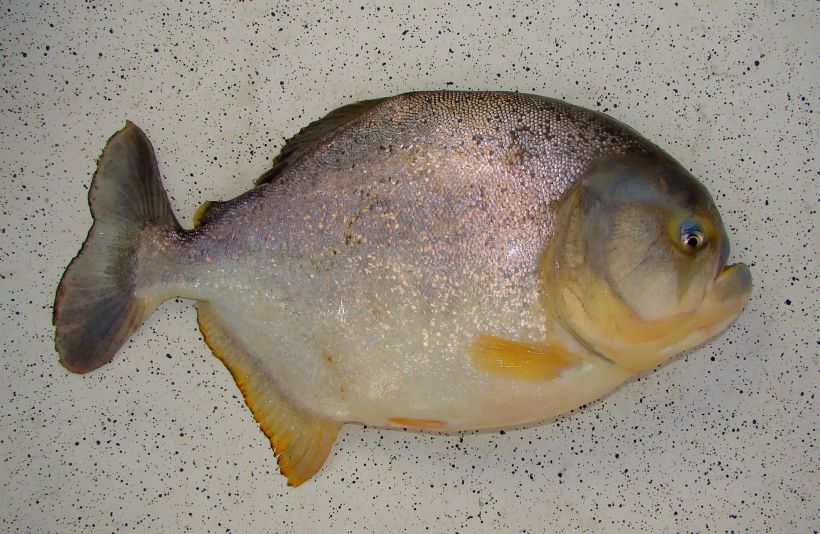
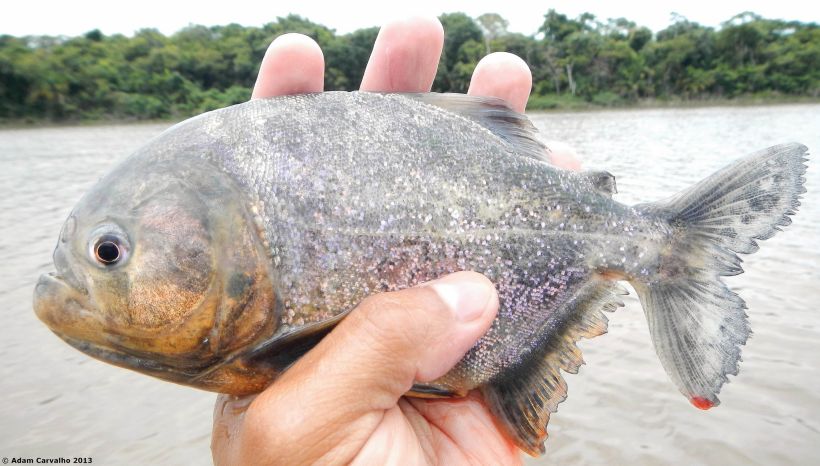
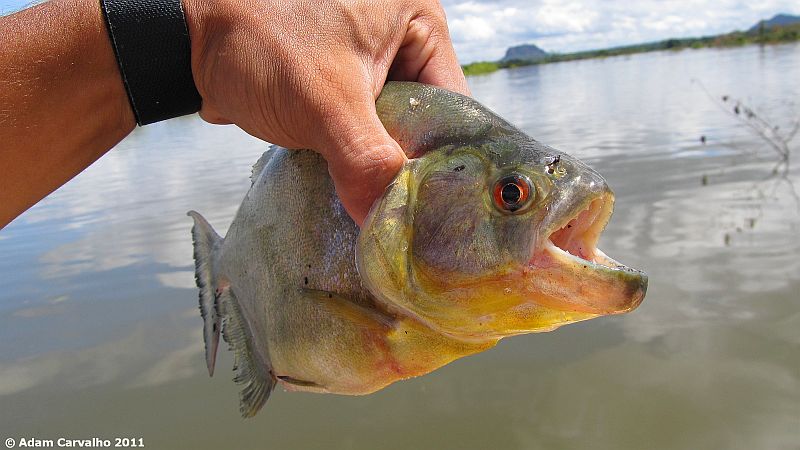
同一种内颜色和体形差异很大,黑水个体往往较暗、红橙色较少。一些贸易旧名仍被使用,不能仅凭颜色或商品标签认定为独立种。
图片
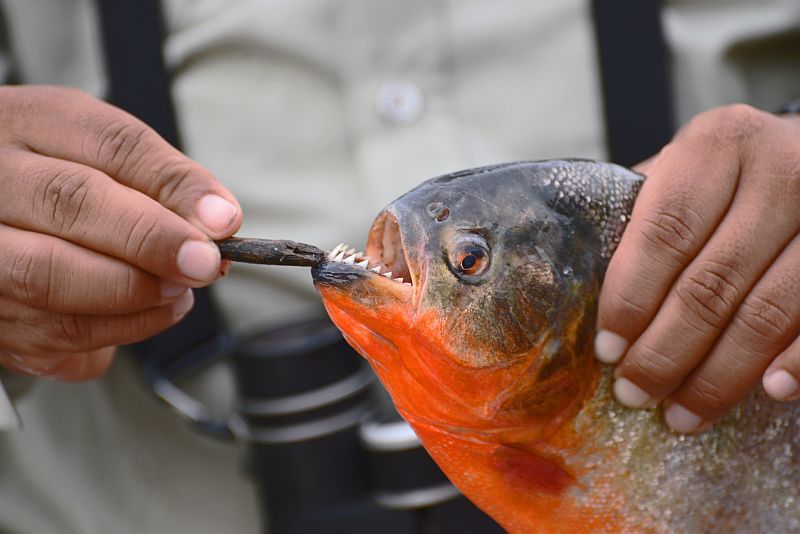
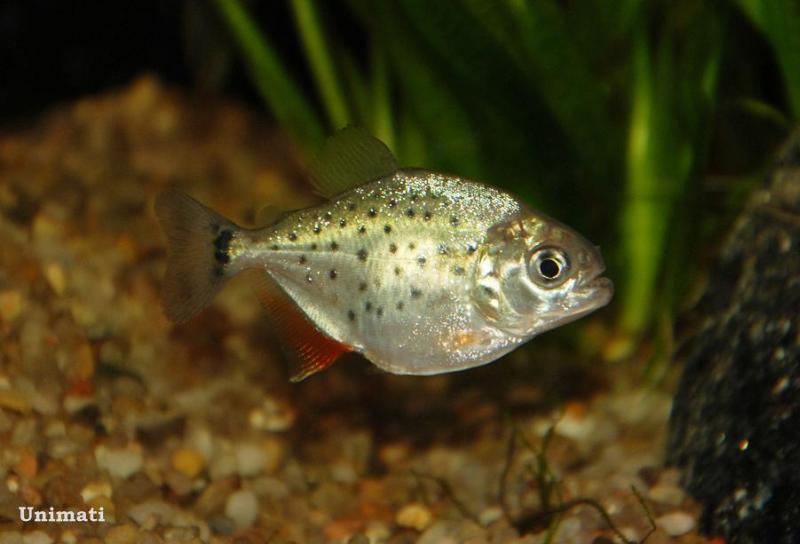
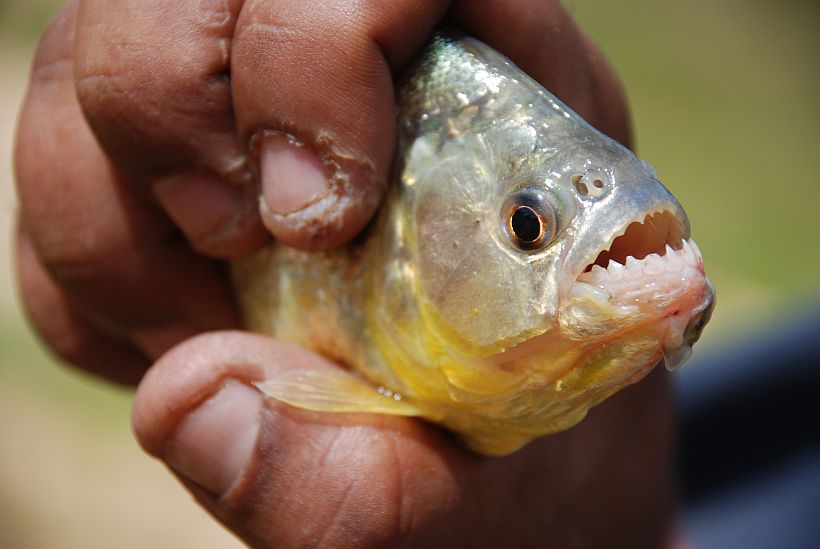
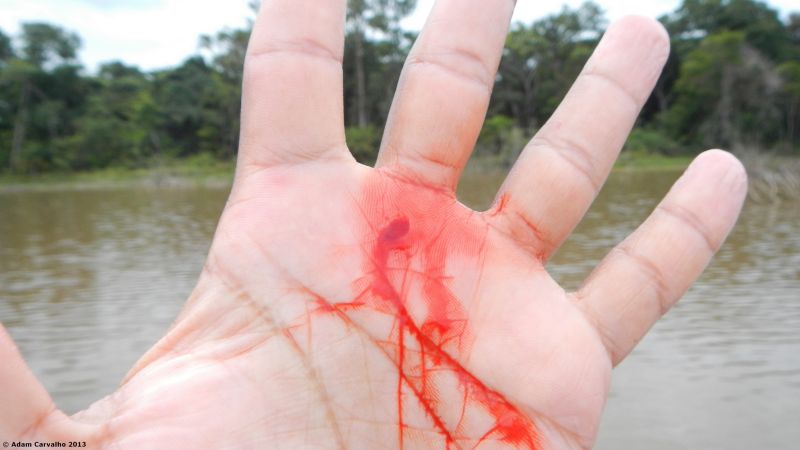
图片来自 SeriouslyFish,版权归各摄影者所有。
English
Overview
Pygocentrus nattereri is a familiar piranha, but the image of constant cooperative pack hunting is misleading. Juveniles aggregate more often, while adults tend to form loose groups with social rankings. Long-term care still requires exceptionally spacious facilities and cautious management.
Distribution & habitat
It occurs through much of the Amazon, the Essequibo, some northeastern coastal systems, and southward into the Paraná and Uruguay drainages. Some Colombian records remain questionable.
Habitats include major channels, small tributaries, oxbows, floodplain lakes, and reservoirs. Local conditions and origin can also influence coloration.
Aquarium setup
Accommodation belongs among the largest private aquariums or public displays. Sand, gravel, or a bare bottom maintained for convenience can all work. Arrange decoration around available space; plants may be consumed or clipped during nest preparation.
Large external filters or a sump must handle substantial waste production. Protect heaters with sturdy guards or place them outside the main aquarium to reduce equipment damage. Replace approximately 30–50% of the water weekly, taking care during cleaning and capture.
Diet & feeding
Members of the genus are opportunistic feeders rather than exclusively flesh eaters, also taking invertebrates, insects, fruits, and seeds. Juveniles can receive worms and chopped shrimp; adults accept fish strips, shrimp, mussels, and larger earthworms.
Avoid terrestrial meats such as beef heart or chicken. Live feeder fish are unnecessary and may introduce parasites or other disease.
Behaviour & compatibility
A dedicated setup is preferable to treating it as a general community fish. Adults do not necessarily target much smaller fishes, but that observation does not establish dependable compatibility.
A single specimen or a group of at least five can be considered, with a group better expressing social interactions. Adult groups are loosely organized by rank rather than the coordinated hunting packs of popular stories.
Sexual dimorphism
Females usually attain a larger size and have a rounder outline.
Breeding
Wild reproduction is associated with water-level changes and inundated marginal plants. Aquarium breeding is comparatively achievable. Maturity occurs around one year and roughly 10–15 cm total length. Starting with six or more allows pairs to form naturally. Some spawnings followed large, cool water changes; others needed no special trigger.
Males excavate a shallow pit, sometimes clip plants, and exclude rival males. Receptive females work at the substrate nearby, and both sexes darken. Eggs are deposited in batches and guarded principally by the male, occasionally with female assistance.
Hatching takes about two or three days, with free swimming around day five. Young can then be transferred to sponge-filtered nursery tanks. Supply several small meals of brine-shrimp nauplii, microworms, or equivalent foods daily, together with water changes around 10%. Increasing cannibalism requires sorting by size and progressively larger accommodation. Plan ahead for a brood that may exceed a thousand young.
Notes
Color and body form vary substantially within the species. Blackwater fish are often darker with less orange or red. Several historical trade names remain in use, but color or a label alone does not demonstrate a separate species.
来源
- https://www.seriouslyfish.com/species/pygocentrus-nattereri(抓取于 2026-10-10)
pygocentrus-nattereri · 文件: data/species/pygocentrus-nattereri.md · 状态: 草稿