Pygocentrus cariba · Black Spot Piranha
概要
| 字段 | 值 |
|---|---|
| 类别 | 鱼 |
| 学名 | Pygocentrus cariba |
| 别名 | Serrasalmo cariba、Serrasalmus caribe、Pygocentrus stigmaterythraeus、Serrasalmo notatus |
| 分类 | 脂鲤目 Characiformes › 锯鲑脂鲤科 Serrasalmidae › Pygocentrus |
| 水体 | 淡水 |
| 原产地 | 哥伦比亚、委内瑞拉 |
| 成体体长 | 35 cm |
| 饲养难度 | 中等 |
| 最小水体 | 1296 L |
| 最小缸长 | 240 cm |
| 群居方式 | 群游 |
| 外部数据 | seriouslyfish pygocentrus-cariba;fishbase 8700 |
| 特征 | 吃虾: 是 |
水质参数
| 参数 | 耐受范围 | 最适范围 | 单位 |
|---|---|---|---|
| 水温 | 20–28 | — | °C |
| pH | 4–7 | — | — |
| 总硬度 | 1–10 | — | dGH |
概述
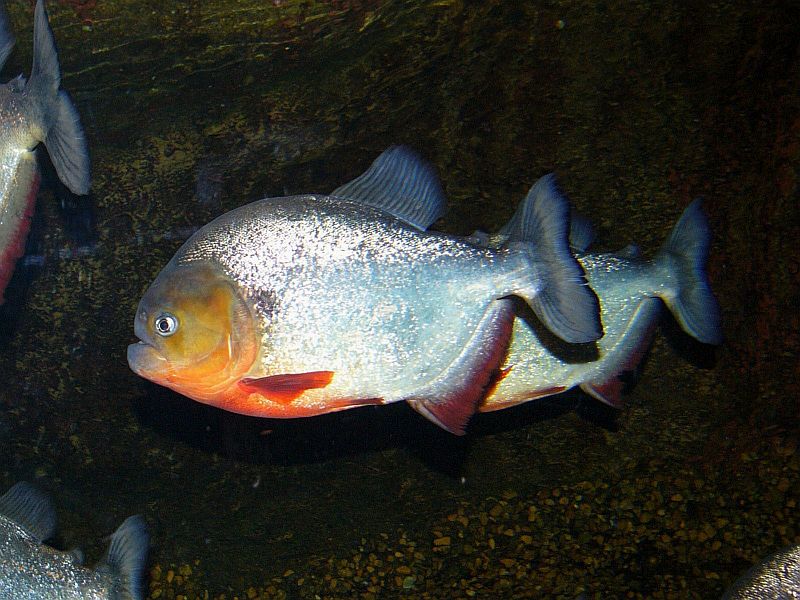
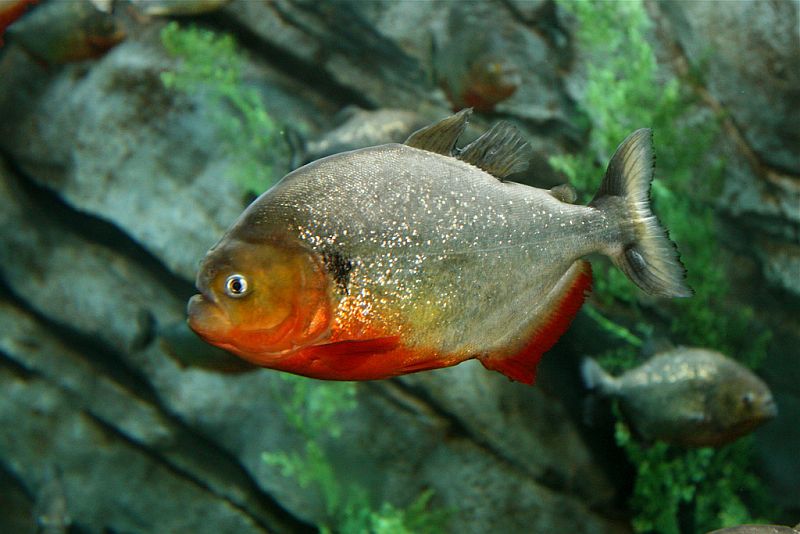
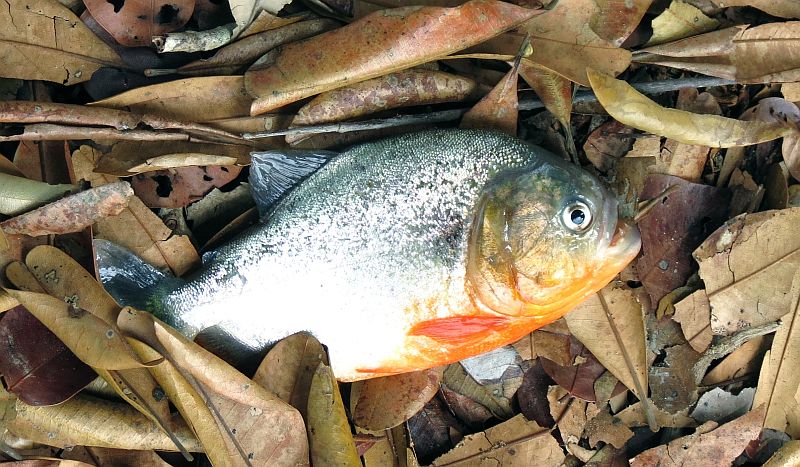
Pygocentrus cariba 是奥里诺科河流域的大型水虎鱼,较大个体的肩部黑斑尤其明显。成群长期饲养需要公共展示级或极大的私人水族箱,不适合普通社区缸混养。
分布与栖息地
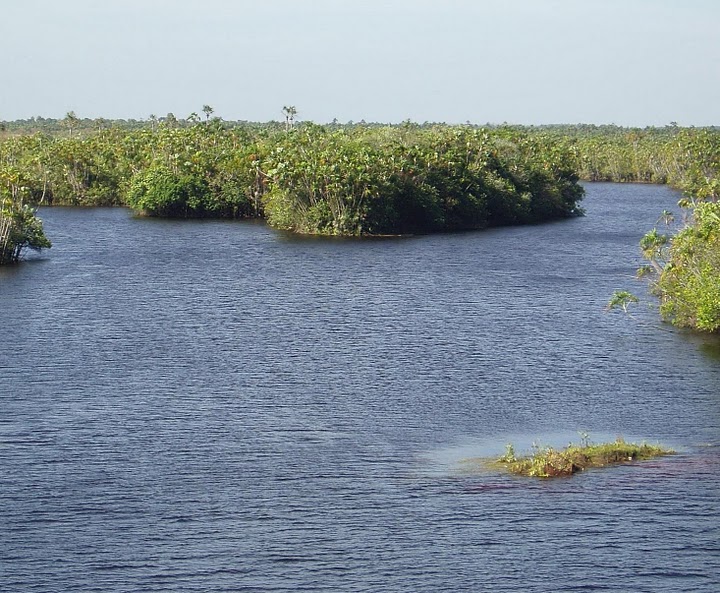
仅分布于哥伦比亚和委内瑞拉的奥里诺科河水系,包括梅塔河、阿普雷河等主要支流。可见于大河主道、小支流和洪泛平原湖泊,多有贫矿物、酸性的茶色黑水环境,也有清水记录。
许多地点位于季节性淹水的稀树草原与林地,干湿季变化明显。
饲养环境
群养参考至少约 240 × 90 × 60 cm 的巨大缸体。裸底便于清洁,砂或砾石也可用;灯光可按布景选择,植物可能被啃,尤其繁殖活动时。
这类鱼排泄量大,需要足够容量的外置过滤或底滤。加热器可放在外部或底滤区,否则至少安装结实保护罩,避免设备被咬坏。每周换水约 30%~50%,清理与转移鱼时要谨慎避开咬伤风险。
食性与喂食
同属鱼并非只吃肉,天然也利用无脊椎动物、昆虫、果实、种子等多种资源。幼鱼可喂红虫、小蚯蚓和切碎虾肉,成鱼改用鱼肉条、整虾、贻贝或较大蚯蚓等适口食物。
不建议用牛心、鸡肉等哺乳类或鸟类肉作食物,也没有必要依赖饲料鱼;后者可能带入疾病和寄生虫。成鱼会接受活河虾,这应纳入与小型虾类共处的风险判断。
习性与混养
宜独立饲养这一种鱼。即使较大的伙伴未立即被杀,鱼鳍仍可能成为食物;吃饱时放过很小的鱼也不代表稳定兼容。
同属经验建议单条或至少五至六条组成较大群体,群养需要充分空间。关于紧密成群捕猎的形象不能套用于所有年龄,较大个体更接近松散聚集并有等级关系。
雌雄区分
雌鱼通常最终较大,成熟后体形更圆,繁殖期尤为明显。
繁殖
尚无本种明确人工繁殖记录。繁殖可能类似近缘红腹水虎(Pygocentrus nattereri),与水位变化和边缘淹水植被有关,但不能当作本种已确认的全年周期。
补充说明
标准长超过约 10 cm 的个体通常有较大的肩斑,身体斑点较少,可帮助与红腹水虎区别。危险被夸大的影视形象不能替代实际的饲养与操作防护。
图片
图片来自 SeriouslyFish,版权归各摄影者所有。
English
Overview
Pygocentrus cariba is a large Orinoco piranha whose prominent shoulder blotch becomes useful for identifying larger fish. A group requires public-display scale accommodation or an exceptionally large private aquarium, with compatibility treated cautiously.
Distribution & habitat
It is restricted to the Orinoco drainage of Colombia and Venezuela, including tributaries such as the Meta and Apure. Records span main channels, smaller tributaries, and floodplain lakes. Many sites are acidic, mineral-poor blackwater, although clear-water habitats also occur.
Much of the range lies within seasonally flooded savanna and forest, where wet and dry periods strongly alter the environment.
Aquarium setup
A group needs at least approximately 240 × 90 × 60 cm of accommodation. A bare floor simplifies maintenance, while sand or gravel is also suitable. Lighting can suit the layout. Plants may be damaged, particularly around spawning activity.
Large waste production within the genus calls for substantial external filtration or a sump. Protect heaters and submerged equipment from bites, preferably locating heating externally or in the sump. Weekly changes of roughly 30–50% support cleanliness. Handle maintenance and transfers with care around the teeth.
Diet & feeding
The genus uses a broad range of foods, including fish, invertebrates, insects, and plant products such as fruit and seeds. Juveniles take bloodworms, small earthworms, and chopped shrimp; adults accept suitably sized fish strips, whole shrimp, mussels, and larger worms.
Avoid mammalian and bird meat. Feeder fish are unnecessary and can introduce parasites or disease. Live river shrimp are among accepted adult foods, making small-shrimp compatibility an obvious concern.
Behaviour & compatibility
Dedicated maintenance is preferable. Even similarly sized companions that survive may lose fin tissue, while small fish being ignored by well-fed adults does not establish reliable compatibility.
Genus-level guidance favors either one individual or a group of at least five or six in very large quarters. Older fish form loose aggregations and hierarchies rather than universally hunting in tightly coordinated packs.
Sexual dimorphism
Females generally become larger and rounder-bodied, particularly in reproductive condition.
Breeding
A confirmed captive spawning record is lacking. Reproduction is presumed to resemble Pygocentrus nattereri, involving changing water levels and flooded marginal plants. That comparison does not establish a confirmed seasonal schedule for this species.
Notes
Above approximately 10 cm standard length, a large shoulder blotch and relatively few body spots help distinguish it from P. nattereri. Sensational portrayals are not a substitute for practical care around a large toothed fish.
来源
- https://www.seriouslyfish.com/species/pygocentrus-cariba(抓取于 2026-10-10)
pygocentrus-cariba · 文件: data/species/pygocentrus-cariba.md · 状态: 草稿