利氏神仙鱼 · Roman Nose Angelfish
概要
| 字段 | 值 |
|---|---|
| 类别 | 鱼 |
| 学名 | Pterophyllum leopoldi |
| 别名 | 利氏神仙魚、Plataxoides leopoldi |
| 分类 | 慈鲷目 Cichliformes › 慈鲷科 Cichlidae › Pterophyllum |
| 水体 | 淡水 |
| 原产地 | 巴西、圭亚那 |
| 成体体长 | 10 cm |
| 饲养难度 | 入门 |
| 最小水体 | 122 L |
| 最小缸长 | 90 cm |
| 领地性 | 是 |
| 外部数据 | seriouslyfish pterophyllum-leopoldi;fishbase 47076 |
| 食性 | 杂食 |
| 游动层 | 中层、上层 |
| 繁殖方式 | 附着产卵 |
水质参数
| 参数 | 耐受范围 | 最适范围 | 单位 |
|---|---|---|---|
| 水温 | 22–29 | — | °C |
| pH | 5–7 | — | — |
| 总硬度 | 0–6 | — | dGH |
概述
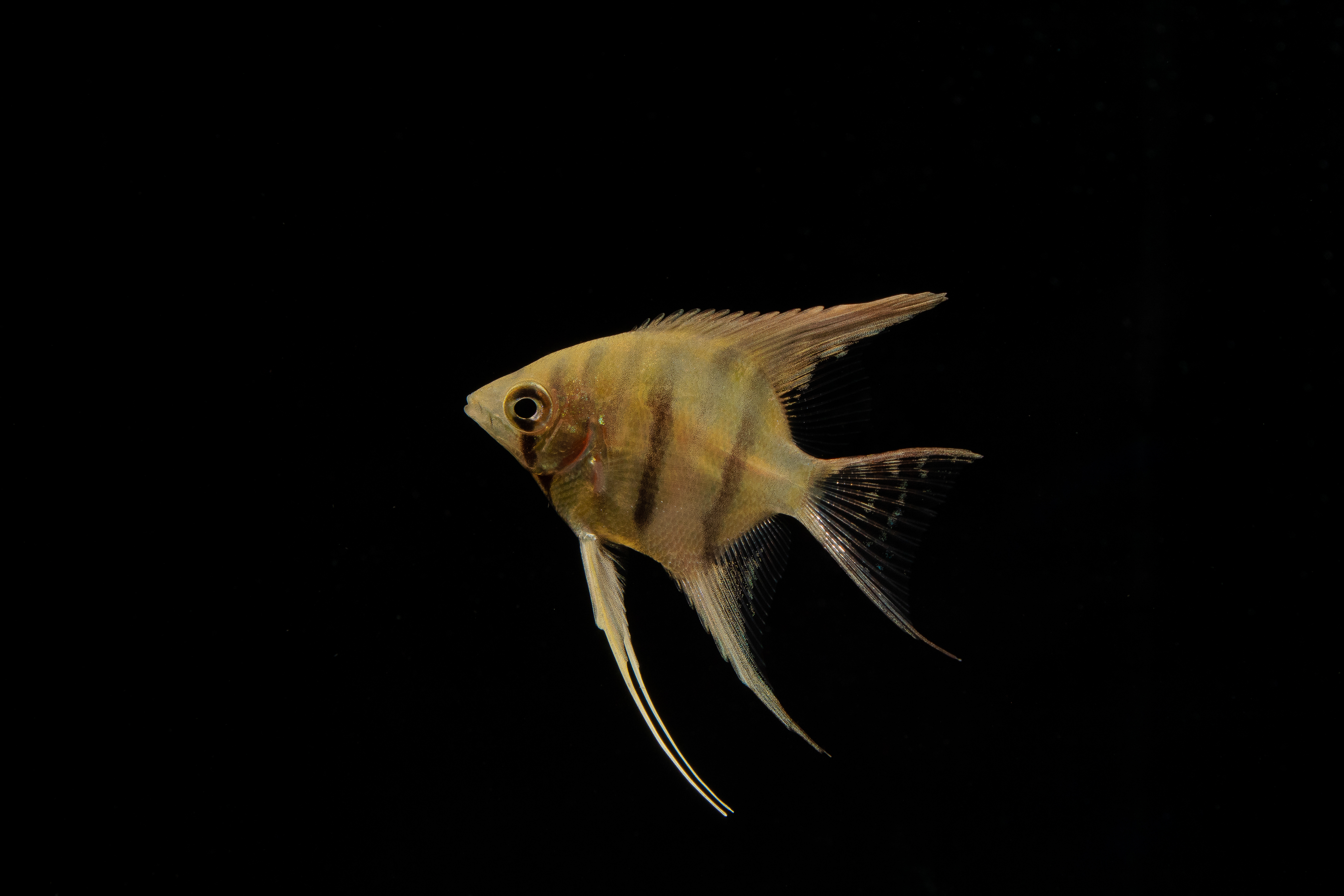
利氏神仙鱼(Pterophyllum leopoldi)有较突出的鼻部轮廓和鳃盖暗斑,喜欢有遮蔽的缓水环境。它自然群居,但据报道同种间较强势,需要群体规模与遮蔽共同分散欺压。
分布与栖息地
分布于巴西内格罗河下游与索利蒙伊斯河汇合区域,以及圭亚那的鲁普努尼和埃塞奎博水系。常在树根下方、浮水植物下或其他遮蔽丰富处松散聚集,清水与带单宁色的水中均有记录。
饲养环境
约 90 × 30 × 45 厘米是最低参考,长期群养宜约 120 厘米长,同时给高背鳍和长腹鳍足够高度。至少四尾群养,配高大水草、沉木或根部遮蔽;繁殖配对可另置。长期宜软酸水,维持很低污染和良好水质。
食性与喂食
杂食,野外主要吃小型甲壳动物及其他水生无脊椎动物。可用颗粒或薄片搭配活饵和冷冻食物,也会啄食丝藻而通常不破坏水草景观。
习性与混养
主要活动于中上层,适合性情温和、同需软水的伙伴。较大的群体可分散同种追逐,但仍须留躲避空间;体型较小使某些小鱼不一定被当猎物,却不宜理解为对所有小鱼安全。
雌雄区分
雄鱼可能鳍更长、额部略隆,雌鱼体躯可能更丰满,但外观差异需相互比较。产卵时雌鱼排卵可确认,雄鱼生殖乳突较小而尖。
繁殖
从群体自然形成稳定配对后可移入繁殖缸。卵产于竖直石板、宽叶水草或玻璃等面,双亲护卵护幼,但也可能吞苗,应维持良好饲喂。幼鱼卵黄吸收后通常约两天可开始喂初孵丰年虾,再转专用幼鱼粮。
补充说明
体侧可有多达十一条竖纹,往往只有三条最粗的清楚可见;成年鱼背部和鳍可带红褐色。辨认宜综合鼻形、鳃盖暗斑与条纹,而非只看颜色。
图片
图片来自 SeriouslyFish,版权归各摄影者所有。
English
Overview
A distinctive nose profile and dark opercular patch help identify Pterophyllum leopoldi. It favors sheltered, slow water and is naturally social, though reported conspecific aggression makes both group size and cover important.
Distribution & habitat
The range includes the lower Negro near its meeting with the Solimões in Brazil and the Rupununi and Essequibo systems in Guyana. Loose groups occupy slow water beneath roots, floating vegetation, and other cover, in both clear and tannin-stained habitats.
Aquarium setup
Allow sufficient height for the tall dorsal and trailing pelvic fins. About 90 by 30 by 45 cm is a bare minimum, with roughly 120 cm of length preferable for a permanent group. Keep at least four and use tall plants, wood, or roots to shelter subordinate fish. Soft acidic water and consistently high water quality are important, especially for wild-caught stock.
Diet & feeding
Although omnivorous, wild fish feed largely on small aquatic invertebrates. Offer flakes or pellets with live and frozen supplements. It also picks at filamentous algae without normally damaging planted layouts.
Behaviour & compatibility
It mainly uses the middle and upper water. Peaceful soft-water companions can work, while a reasonable group size helps spread conspecific aggression. Its smaller stature means some small fishes may be ignored, but that is not a blanket guarantee against predation.
Sexual dimorphism
Longer fins and a small forehead hump may suggest a male, while females can appear fuller-bodied. These clues are tentative. Spawning provides clearer identification through egg laying and the smaller, pointed male genital papilla.
Breeding
Let partners form naturally within a group before moving a confirmed pair. Vertical slate, broad plant leaves, or glass may receive the eggs. Both parents guard eggs and young, although fry can still be eaten. Once yolk reserves are absorbed, usually after about two days, offer newly hatched brine shrimp and later suitable fry foods.
Notes
Up to eleven body bars may be present, although only three major bars are often obvious. Adults can show a reddish or maroon tint over the back and fins. Combine these features with the nose shape and opercular patch when identifying fish.
来源
- https://www.seriouslyfish.com/species/pterophyllum-leopoldi(抓取于 2026-10-10)
pterophyllum-leopoldi · 文件: data/species/pterophyllum-leopoldi.md · 状态: 草稿