埃及神仙 · Altum Angel
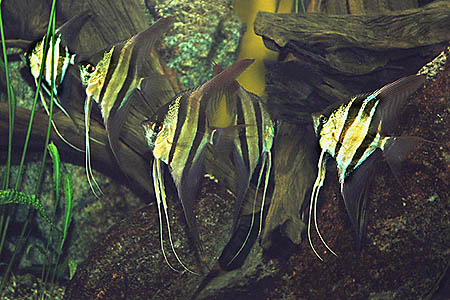
概要
| 字段 | 值 |
|---|---|
| 类别 | 鱼 |
| 学名 | Pterophyllum altum |
| 分类 | 慈鲷目 Cichliformes › 慈鲷科 Cichlidae › Pterophyllum |
| 水体 | 淡水 |
| 成体体长 | 17.8 cm |
| 饲养难度 | 困难 |
| 外部数据 | seriouslyfish pterophyllum-altum;fishbase 47075 |
| 原产地 | 哥伦比亚、委内瑞拉的内格罗河上游及奥里诺科河上游支流 |
| 特征 | 吃小鱼: 是 |
| 别名 | Pterophyllum altum |
水质参数
| 参数 | 耐受范围 | 最适范围 | 单位 |
|---|---|---|---|
| 水温 | 28–32 | — | °C |
| pH | 4.8–6.2 | — | — |
| 总硬度 | 0–5 | — | dGH |
概述
埃及神仙(Pterophyllum altum)饲养难度较高,需要温暖、很软而偏酸的水。野生个体开口和适应可能费力,人工繁殖也不易,适合能长期稳定管理水质和观察摄食的养鱼者。
分布与栖息地
原产哥伦比亚和委内瑞拉,见于内格罗河上游,以及奥里诺科河上游的伊尼里达、阿塔巴波等支流。
饲养环境
植物和沉木根枝提供充分遮蔽,宽叶植物及浮水植物能减弱光照。用砂或细砾形成柔软底床,水流保持很缓。水必须很软、酸性明显,不能当作适应普通中性水的常规神仙鱼。
对硝酸盐积累和紧迫相关健康问题敏感,稳定水质、减少持续惊扰尤其重要。
食性与喂食
野生个体可能连活饵也不立刻接受,应事先准备合适活饵并仔细观察。能稳定吃活饵后,可把冷冻饵混入逐步过渡;人工繁殖鱼可能更容易接受包括薄片在内的配合饲料。不能把投下饲料等同于鱼已经开口。
习性与混养
能吞下的小鱼都有被吃风险,不适合与微型灯鱼等混养。体型较大且温和、同样适应高温软酸水的鱼可考虑为伙伴,但也要防止它吃其他鱼的卵和幼鱼。
雌雄区分
性别不易判断,雄鱼在繁殖前后可能出现较小的额部隆起,不能单凭平时外观轻易定性。
繁殖
人工繁殖困难,但亲鱼自行带大的成功经历确实存在。可从约六尾幼鱼共同养起,让相容个体自然配对,极软酸性水仍是必要条件。若亲鱼吃掉繁殖成果,可能需要转为单独育苗;不应把所有失败都归为无法人工繁殖。
图片
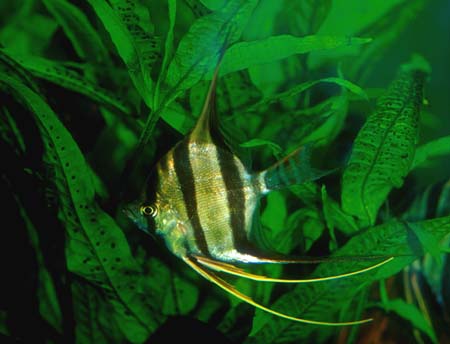
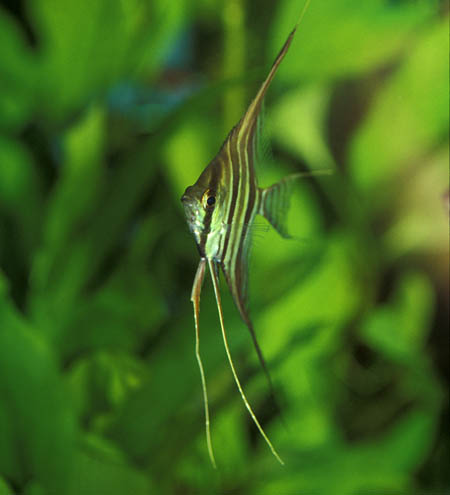
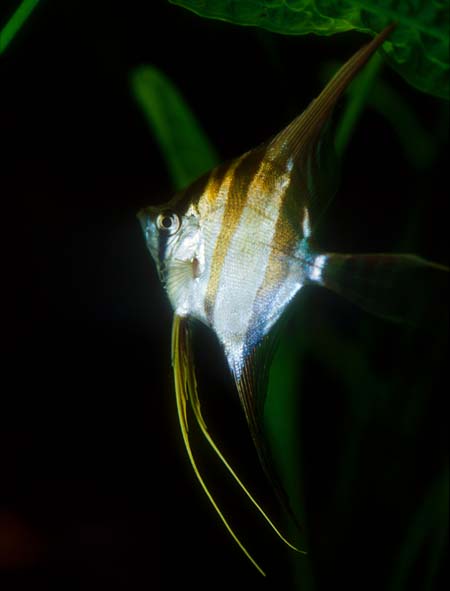
图片来自 SeriouslyFish,版权归各摄影者所有。
English
Overview
The demanding Pterophyllum altum needs warm, very soft, acidic water. Wild fish may be difficult to settle and feed, and captive spawning is challenging. Long-term stability and close observation of feeding are central to successful care.
Distribution & habitat
It is native to Colombia and Venezuela in the upper Negro and tributaries of the upper Orinoco, including the Inírida and Atabapo.
Aquarium setup
Provide abundant plant and root cover, with broad leaves and floating vegetation reducing light. Sand or fine gravel forms a soft substrate, and current should be slow. Very soft acidic conditions are essential rather than an optional variation on ordinary angelfish care.
Sensitivity to nitrate accumulation and stress-related illness makes stable maintenance and a calm environment important.
Diet & feeding
Some wild fish initially refuse even live food. Have suitable live offerings ready and verify that individuals actually eat. Once feeding reliably, mix frozen items with live food to make a gradual transition. Captive-bred fish may accept prepared diets, including flakes, more readily.
Behaviour & compatibility
Small fishes that fit its mouth are potential prey. Larger peaceful companions sharing its warm, soft acidic conditions are possible, though their eggs and young may still be eaten.
Sexual dimorphism
Sexing is difficult. Males may develop a modest nuchal hump near breeding time, leaving routine visual identification uncertain.
Breeding
Captive breeding is difficult but has succeeded with parental rearing. Growing around six juveniles together offers a chance of natural pairing, with very soft acidic water still required. If parents repeatedly consume the brood, separate rearing may become necessary; such losses do not mean captive reproduction is impossible.
来源
- https://www.seriouslyfish.com/species/pterophyllum-altum(抓取于 2026-10-10)
pterophyllum-altum · 文件: data/species/pterophyllum-altum.md · 状态: 草稿