尖尾斗鱼 · Spiketail Paradisefish
概要
| 字段 | 值 |
|---|---|
| 类别 | 鱼 |
| 学名 | Pseudosphromenus cupanus |
| 别名 | 拟丝足鲈、尖尾鬥魚、擬絲足鱸、Polyacanthus cupanus、Macropodus cupanus、Psedosphronemus cupanus |
| 分类 | 攀鲈目 Anabantiformes › 丝足鲈科 Osphronemidae › Pseudosphromenus |
| 水体 | 淡水 |
| 原产地 | 印度、斯里兰卡 |
| 成体体长 | 6.5 cm |
| 饲养难度 | 入门 |
| 最小水体 | 54 L |
| 最小缸长 | 60 cm |
| 群居方式 | 成对 |
| 性情 | 温和 |
| 水流偏好 | 低 |
| 外部数据 | seriouslyfish pseudosphromenus-cupanus;fishbase 11228 |
| 繁殖方式 | 吐泡筑巢 |
水质参数
| 参数 | 耐受范围 | 最适范围 | 单位 |
|---|---|---|---|
| 水温 | 20–28 | — | °C |
| pH | 6–7.5 | — | — |
| 总硬度 | 2–25 | — | dGH |
概述
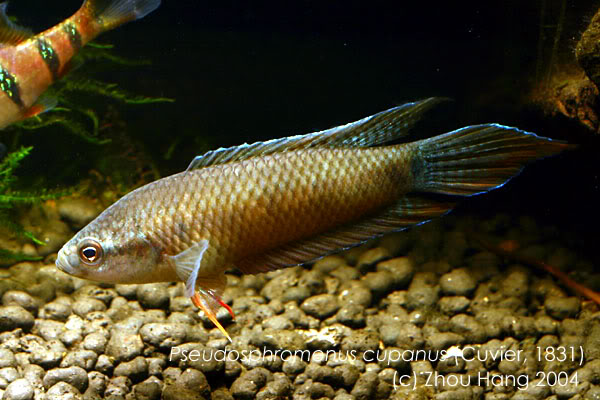
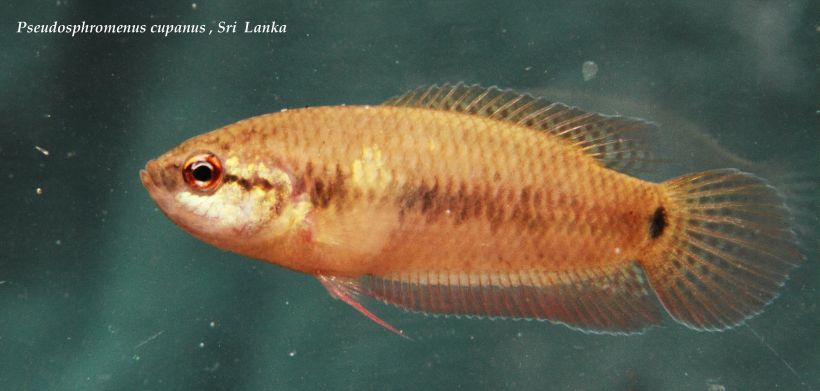
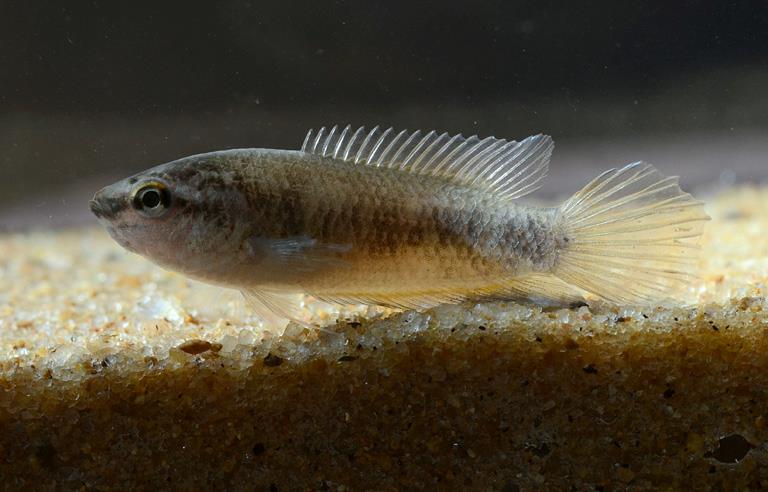
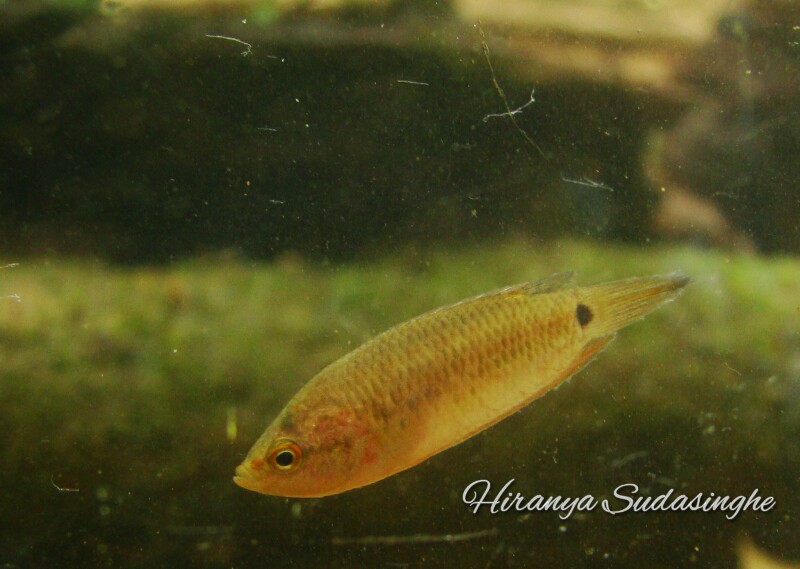
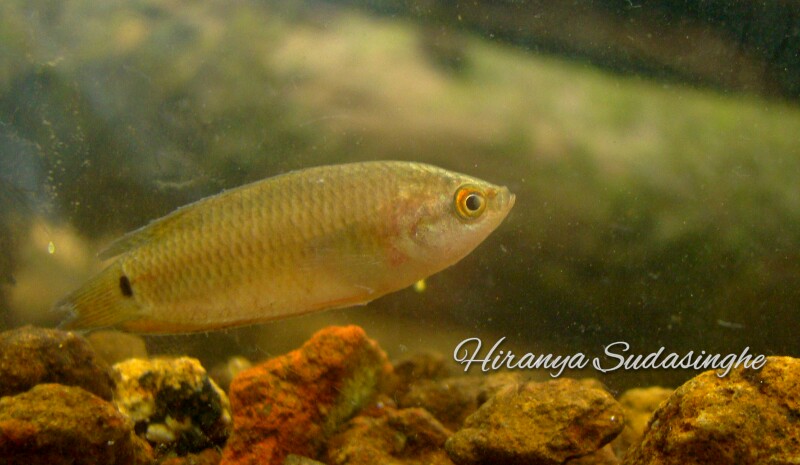
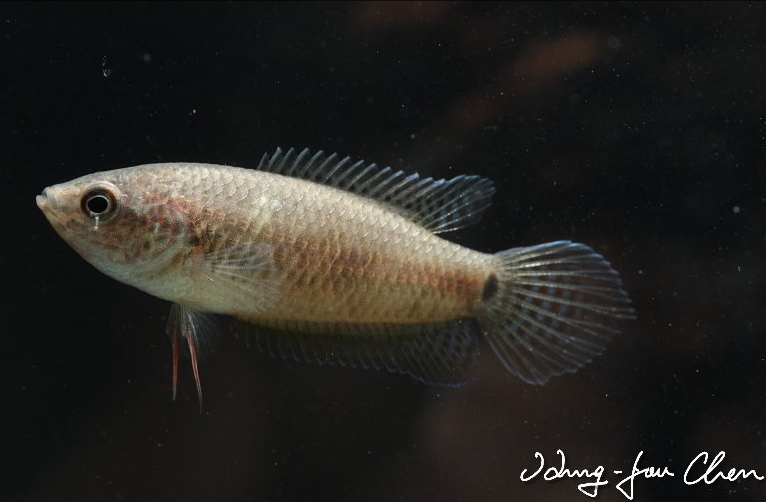
尖尾斗鱼(Pseudosphromenus cupanus)温和而胆怯,较适合安静、遮蔽充分的水草缸。它没有褐斗鱼头体上的两条不规则暗纵带,雄鱼尾鳍也相对较短。
分布与栖息地
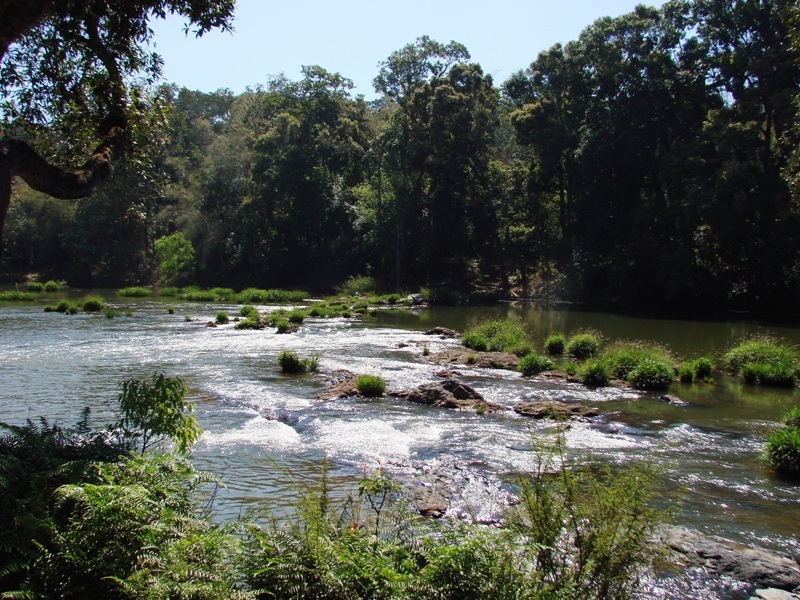
可靠分布局限于印度南部和斯里兰卡,旧有遍及南亚多国的说法过宽。多见低地稻田、沼泽、长草池塘及植被浓密的河岸和沟渠,偏爱缓流或静水。
饲养环境
至少参考 60 × 30 厘米底面积。沉木和枝条形成阴影,半椰壳、倒置花盆等提供隐蔽产卵处,叶堆与浮水植物增加遮挡。使用轻柔海绵过滤,不让强水流冲刷全缸。
食性与喂食
投喂小型活冷冻水蚤、丰年虾和蠕虫,也可用适口小昆虫。干粮即使被啄,也通常吃得不足,不能单靠它维持良好状态。
习性与混养
可成对或群养,后者能观察丰富的同种互动。混养伙伴应小而温和,尽量避开体形相似的鱼;它不适合多数拥挤热闹的群养组合。
雌雄区分
雄鱼背、臀和尾鳍延长,繁殖时鳍色加强而身体变浅;雌鱼反而变深。
繁殖
雄鱼在洞穴、悬垂物下或植物根叶间筑紧凑泡巢。多次环抱排卵后,双方尝试把卵附在产卵处顶面;之后雌鱼被逐离,雄鱼护卵。孵化约 24~48 小时,再二至三天自由游动,可喂初孵丰年虾和微虫。此后其他鱼甚至雌亲可能吃幼鱼,分开育苗较稳妥。
补充说明
迷鳃器官可辅助利用空气;本属上浮吞气可比一些其他迷鳃鱼少。
图片
图片来自 SeriouslyFish,版权归各摄影者所有。
English
Overview
Quiet, heavily sheltered aquaria suit the peaceful but timid Pseudosphromenus cupanus. Unlike the brown spike-tailed paradise fish, it lacks two irregular dark stripes along the head and body, and males have a less extended tail.
Distribution & habitat
Its reliable range is restricted to southern India and Sri Lanka rather than the broad South Asian distribution sometimes claimed. Lowland paddies, swamps, weedy ponds, and densely vegetated river or ditch margins provide slow or still water.
Aquarium setup
A footprint of at least 60 by 30 cm is recommended. Wood and branches create shade; coconut shells or upturned pots provide secluded breeding cavities. Leaves and floating plants add cover, while decomposing litter supports microorganisms useful to fry. Gentle sponge filtration suits its preference for low water movement.
Diet & feeding
Offer small live or frozen water fleas, brine shrimp, and worms, with appropriately sized insects for variety. Pecking at dried foods does not indicate an adequate intake, so they should not be the sole feeding plan.
Behaviour & compatibility
Pairs or groups can be maintained, with groups showing interesting social exchanges. Choose small, quiet companions and avoid similarly shaped fishes. Its modest size and shyness make many busy community combinations unsuitable.
Sexual dimorphism
Males develop longer dorsal, anal, and caudal fins. During breeding their fins intensify while the body pales; females darken.
Breeding
A compact bubble nest is concealed in a cavity, under an overhang, or among plant roots and leaves. Eggs are released through repeated embraces, and both adults help position them overhead. The male then excludes the female and tends the eggs. Hatching takes about 24–48 hours, followed by free swimming two to three days later. Nauplii or microworms can be offered at that stage. Separate rearing reduces predation by other fish, including the female.
Notes
The labyrinth organ permits supplementary air breathing, although members of this genus may gulp less frequently than some other labyrinth fishes.
来源
- https://www.seriouslyfish.com/species/pseudosphromenus-cupanus(抓取于 2026-10-10)
pseudosphromenus-cupanus · 文件: data/species/pseudosphromenus-cupanus.md · 状态: 草稿