泰国鮠 · Asian Bumblebee Catfish
概要
| 字段 | 值 |
|---|---|
| 类别 | 鱼 |
| 学名 | Pseudomystus siamensis |
| 别名 | 双色鮠、泰國鮠、雙色鮠 |
| 分类 | 鲶形目 Siluriformes › 鲿科 Bagridae › Pseudomystus |
| 水体 | 淡水 |
| 成体体长 | 15 cm |
| 饲养难度 | 中等 |
| 特征 | 吃小鱼: 是;夜行性: 是;无鳞/细鳞: 是 |
| 外部数据 | seriouslyfish pseudomystus-siamensis;fishbase 11987 |
| 原产地 | 泰国、老挝、柬埔寨及越南的湄公河下游,以及泰国湄南河 |
| 食性 | 肉食 |
| 领地性 | 是 |
水质参数
| 参数 | 耐受范围 | 最适范围 | 单位 |
|---|---|---|---|
| 水温 | 20–26 | — | °C |
| pH | 5.8–7.8 | — | — |
| 总硬度 | 4–25 | — | dGH |
概述
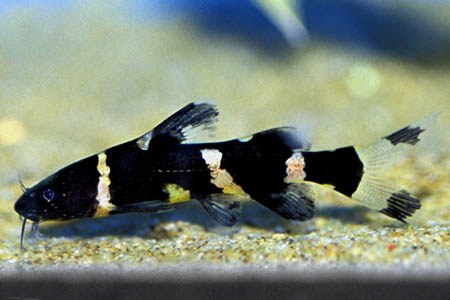
泰国鮠(Pseudomystus siamensis)是带斑带花纹、胆小而夜行的鲶鱼。它会吃能入口的小鱼,对其他底栖鱼尤其同种也会守域,不能只因花纹漂亮便放入小型鱼混养缸。
分布与栖息地
原生于泰国、老挝、柬埔寨和越南的湄公河下游,也见于泰国湄南河。生活在缓流溪流及支流,白天躲在树根等水下遮蔽物间,夜间出来取食。
饲养环境
单条可从约 120 × 30 cm 底面积安排,群养则需要大得多的底面积。照明宜弱,利用陶盆、管道和沉木形成多处藏身空间;水草可帮助遮光,但并非必需。
若与体形相近的鲶鱼或同种一起饲养,应利用造景分开领域、打断视线。它无鳞,加热棒应放在不能供鱼贴靠休息的位置,避免烫伤。
食性与喂食
天然为掠食性,通常能适应非活饵。可提供虾肉、贻贝、其他贝肉、鱼肉或蚯蚓,多数也接受沉底干饲料。刚入缸可能只在熄灯后吃东西,要按它的活动时段投喂。
不必使用活饵鱼,后者还可能带入疾病;也不适合以牛心、鸡肉等陆生动物肉类作为常规菜单。
习性与混养
任何可入口的缸友都有被捕食的风险。体形较大的中上层鲤科鱼、脂鲤或温和慈鲷较适合考虑。对底栖鱼尤其同种有领域性,只有空间充足、躲藏处多且视线有阻隔时才适合尝试同养。
雌雄区分
雌鱼轮廓通常更厚实,雄鱼有明显延长的生殖突,体上浅色花纹一般也更鲜明。
繁殖
野外在雨季开始时产卵,观赏鱼饲养中尚无可靠繁殖记录,不能仅按雨季线索编出人工催产流程。
补充说明
旧资料可能把它列入旧属名,近似花纹的其他种也可能以本种名出售。与南美洲同样被称作“蜜蜂鲶”的鱼比较,眼前方一对鼻须是有用线索,商品名相同不代表同种。
图片
图片来自 SeriouslyFish,版权归各摄影者所有。
用药风险
按有效成分禁忌与本物种特征自动判断;物种特征未知时不会命中,不代表安全。
English
Overview
Pseudomystus siamensis is a shy, nocturnal catfish with contrasting bands. It consumes small companions and defends space against other bottom fishes, particularly its own kind. Attractive patterning does not make it suitable for a small-fish community.
Distribution & habitat
It is native to the lower Mekong through Thailand, Laos, Cambodia, and Vietnam, and to Thailand's Chao Phraya. Sluggish streams and tributaries provide habitat. Fish shelter among submerged roots and similar cover by day, emerging to feed at night.
Aquarium setup
A single specimen can start with a footprint around 120 × 30 cm; a group needs substantially more floor space. Use dim light and numerous retreats formed from pots, pipes, and wood. Plants are optional but help shade the bottom.
When housing it with comparable catfishes or conspecifics, divide territories and interrupt sight lines with decorations. This scaleless fish can be burned by contact with a heater, so prevent it from resting directly against one.
Diet & feeding
It is naturally predatory but generally adapts to nonliving food. Offer shrimp flesh, mussels, other shellfish, fish flesh, or earthworms. Most also accept sinking dry products. Newly introduced fish may eat only after darkness, requiring feeding at that time.
Live feeder fish are unnecessary and can introduce disease. Terrestrial meats such as beef heart or chicken are also unsuitable routine foods.
Behaviour & compatibility
Any companion small enough to swallow is at risk. Larger cyprinids, characins, and placid cichlids using other parts of the aquarium are more promising. Territorial behavior toward bottom fishes, especially conspecifics, requires generous room, many retreats, and interrupted lines of sight before shared housing is attempted.
Sexual dimorphism
Females are usually more heavily built. Males have a conspicuous elongated genital papilla and generally brighter pale markings.
Breeding
Wild spawning occurs around the start of the rainy season. Reliable breeding in ornamental aquariums has not been documented, and seasonality alone does not supply a captive spawning protocol.
Notes
Older literature may use a former genus, and similarly patterned relatives can be sold under this species name. A pair of nasal barbels in front of the eyes helps distinguish it from South American fishes sharing the bumblebee catfish label. A shared trade name does not establish shared identity.
来源
- https://www.seriouslyfish.com/species/pseudomystus-siamensis(抓取于 2026-10-10)
pseudomystus-siamensis · 文件: data/species/pseudomystus-siamensis.md · 状态: 草稿