Pseudomugil sp. 'red neon'
概要
| 字段 | 值 |
|---|---|
| 类别 | 鱼 |
| 学名 | Pseudomugil sp. 'red neon' |
| 分类 | 银汉鱼目 Atheriniformes › 鲻银汉鱼科 Pseudomugilidae › Pseudomugil |
| 水体 | 淡水 |
| 原产地 | 印度尼西亚 |
| 成体体长 | 3.5 cm |
| 饲养难度 | 中等 |
| 最小水体 | 41 L |
| 最小缸长 | 45 cm |
| 群居方式 | 群游 |
| 性情 | 温和 |
| 外部数据 | seriouslyfish pseudomugil-sp-red-neon |
| 繁殖方式 | 散卵 |
水质参数
| 参数 | 耐受范围 | 最适范围 | 单位 |
|---|---|---|---|
| 水温 | 18–26 | — | °C |
| pH | 6.5–7.5 | — | — |
| 总硬度 | 2–12 | — | dGH |
概述
Pseudomugil sp. 'red neon' 是以 Red Neon 等贸易名流通的蓝眼鱼,适合水草浓密、光线有遮挡的成熟缸。性情温和但容易抢不到食物,不能仅按体形小就加入普通热闹混养缸。
分布与栖息地
可能来自印度尼西亚巴布亚 Timika 附近,具体来源仍未确认。采集描述强调淹入水中的陆生岸边植物,一处称为 Samba 河的环境水呈浑褐色;这一采点描述与确切产地范围之间仍缺少清晰对应。
饲养环境
密植水草,加入浮水植物、根木或枝条遮散光线。若希望成鱼缸中有鱼苗存活,可在较高位置布置细叶莫丝,并保留浮水植物下垂的根系。
水应有充足溶氧和一定流动,不能放进生物系统未成熟的新缸,它对水化学突然波动较敏感。
食性与喂食
天然可能利用漂浮或悬浮的浮游动物、浮游植物及小型无脊椎动物。人工饵料必须足够小,宜以水蚤、小水蚤、丰年虾无节幼体和微虫等活饵为主要组成,也能接受小颗粒或捏碎的浮性干粮。
习性与混养
专养或与体形、性情及环境需求相近的微型鱼同养较合适,也可谨慎考虑需求一致的淡水观赏虾。避免强抢食伙伴。
至少八至十条,条件允许可更多,群体能减轻紧张,也让雄鱼争取雌鱼注意时的显色与展示更自然。
雌雄区分
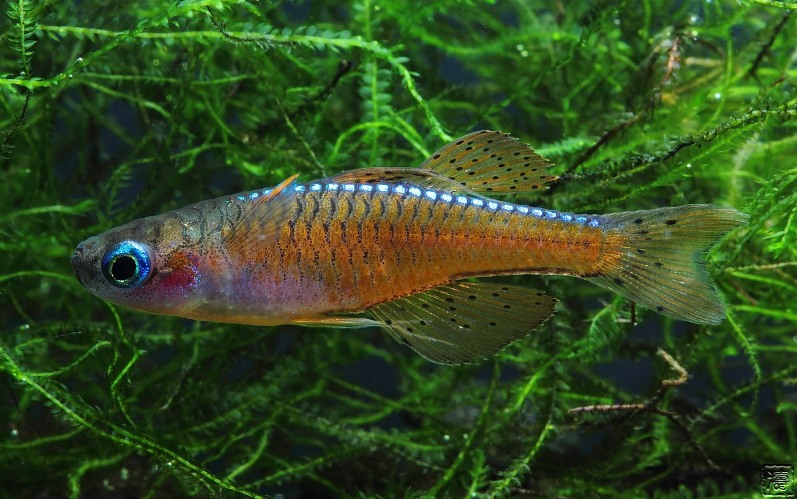
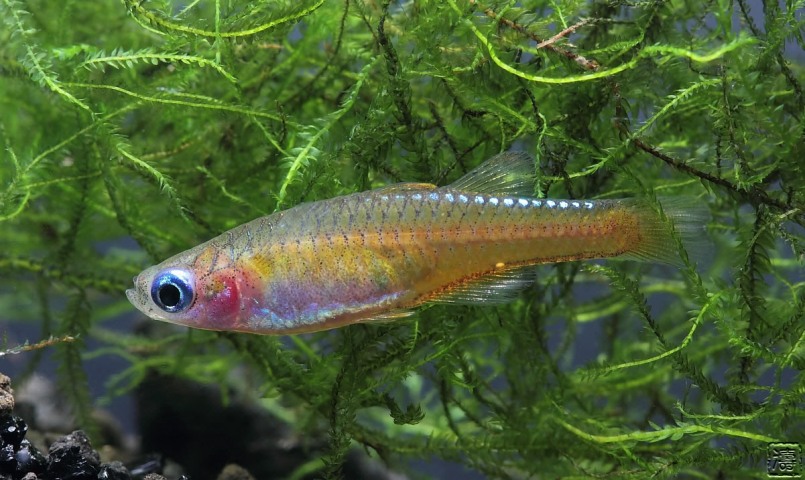
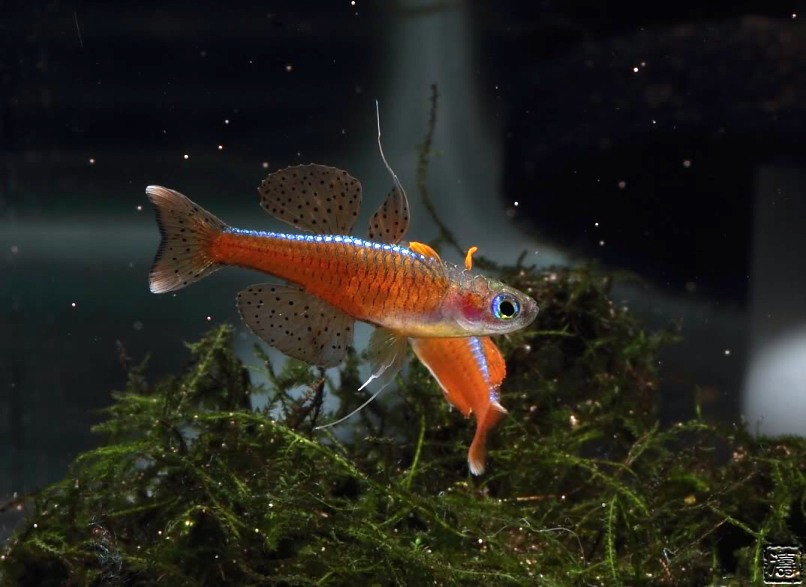
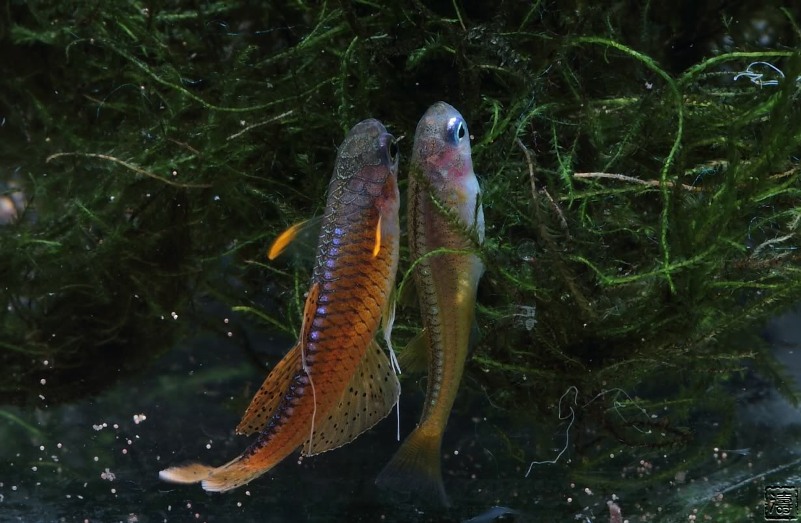
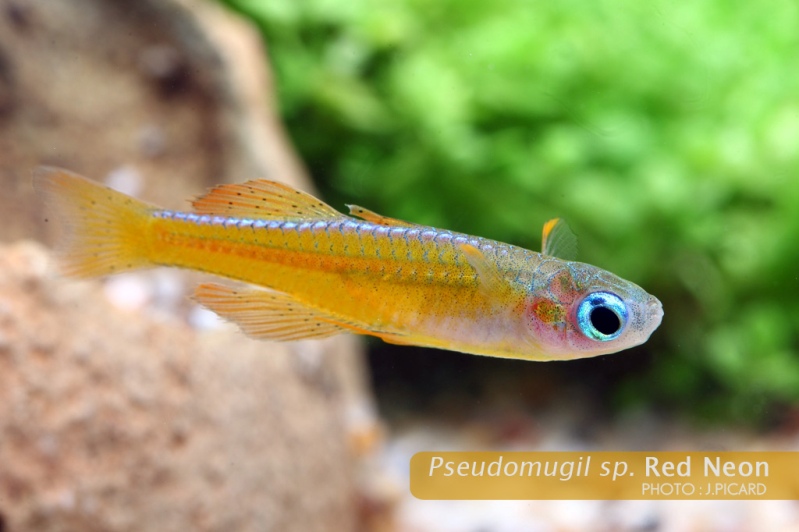
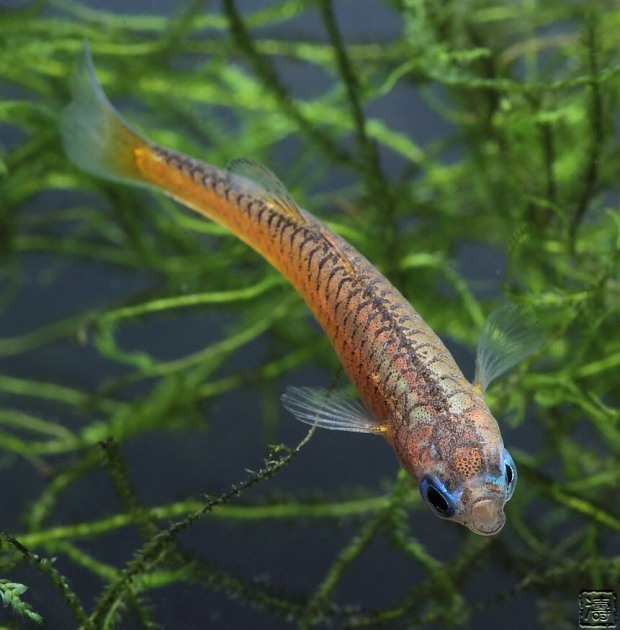
雄鱼花纹更多、颜色更鲜艳,成熟后背鳍、臀鳍和尾鳍等奇鳍明显延长。
繁殖
为散卵型,不护卵,也会吃自身卵和鱼苗。适温上部更容易产卵,雌鱼可连续数日每天产少量卵,卵附在植物或其他表面;一条雄鱼一天可与数雌交配,较暖阶段白天可持续产卵。
一种方式是单独安排一雄配二至三雌,用气动海绵过滤,放尼龙产卵拖把或莫丝。每天数次检查介质,把发现的卵移到独立容器孵化。
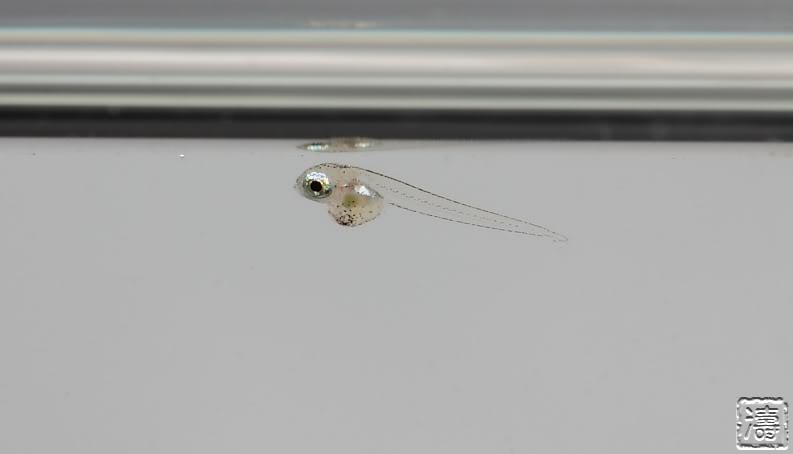
另一种是让成鱼留在成熟密植缸中自然繁殖。鱼苗早期贴近水面活动,高处的莫丝及浮水植物根系能增加躲藏;这种方式通常数量较少,但稳定水质和现成微生物食物使管理更简单。
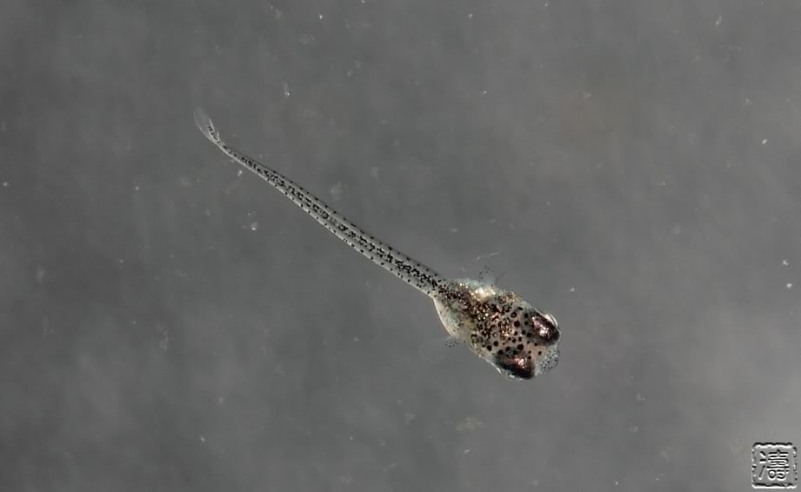
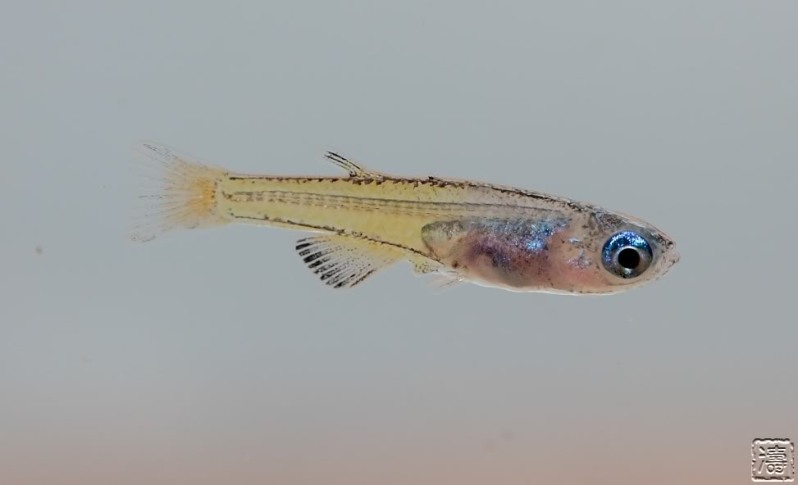
卵约十天孵化,随温度而变。鱼苗起初需草履虫等显微食物,约数天后、最初阶段可长达五天,才逐渐能吞下丰年虾无节幼体和微虫;也可用颗粒级别合适的优质粉状育苗饵。与一些近缘相比生长较快。
已有胚胎却迟迟不孵化的卵,据观察有时可由水中机械扰动诱发孵化,推测与压力变化有关;这不是每窝必需步骤。育苗期间每天至少少量喂两次,规律少量换水并清除残饵,长期不换的老水可能造成较高死亡率。
补充说明
2011 年进入爱好者视野时,它曾被当作 Pseudomugil paskai 的杂交或选育型,后来的 DNA 比较支持其为与该种及 Pseudomugil gertrudae 接近的独立类群。Red Neon、Irian 等旧商品名不能单独证明产地或正式身份。
此属通常寿命不长,野外雌鱼可能只经历一个繁殖季;人工照顾可延长生存,但约十二至十八月龄后繁殖力往往下降。繁殖力减退的年龄不能直接等同于寿命上限。
图片
图片来自 SeriouslyFish,版权归各摄影者所有。
English
Overview
The blue-eye traded as Pseudomugil sp. 'red neon' suits a mature, densely planted aquarium with filtered light. Its peaceful nature is accompanied by poor competition at feeding time, so small size alone does not make it suitable for a busy community.
Distribution & habitat
Collection near Timika in Indonesian Papua has been proposed, but the precise origin remains uncertain. Habitat accounts emphasize submerged terrestrial bankside plants, with murky brown water at a site named the Samba River. The connection between that site account and the exact geographical range is not firmly established.
Aquarium setup
Use dense planting with floating cover, roots, or branches to soften illumination. If fry are to survive with adults, place fine moss high in the aquarium and retain trailing roots beneath floating plants.
Maintain good oxygenation and some water movement. A biologically immature tank is unsuitable because sudden shifts in water chemistry can affect the fish.
Diet & feeding
Natural food probably includes suspended or floating zooplankton, phytoplankton, and small invertebrates. Captive food must be small enough to swallow. Live Daphnia, Moina, newly hatched Artemia, and microworms should form much of the diet, although tiny or crushed floating dry foods are accepted.
Behaviour & compatibility
A species aquarium or companions of comparable size, temperament, and environmental needs are preferable. Suitable freshwater ornamental shrimp can also be considered individually. Avoid fishes that monopolize food.
Keep at least eight to ten, preferably more where space allows. A larger group reduces nervousness and encourages natural male displays and color as they compete for female attention.
Sexual dimorphism
Males are more patterned and colorful. Their unpaired fins become distinctly extended with maturity.
Breeding
It scatters eggs without parental care and will eat its own eggs and fry. Spawning is more likely toward the warmer part of its suitable range. Females can deposit a few attached eggs daily over several days, and one male may mate with several females during a day. Spawning can continue through daylight during warmer periods.
One method separates a male with two or three females, an air-driven sponge filter, and nylon spawning yarn or moss. Inspect the material several times daily and remove eggs to a separate hatching container.
Alternatively, keep adults in a mature, densely planted aquarium and allow a proportion of fry to survive. Young initially stay close to the surface, where elevated moss and floating-plant roots provide cover. Yield is usually lower, but stable water and resident microorganisms make this approach simpler.
Incubation is roughly ten days, depending on temperature. Fry need microscopic food such as Paramecium initially, sometimes for up to five days, before progressing to Artemia nauplii, microworms, and comparable foods. Appropriately graded high-quality powdered foods can also be used. Growth is relatively quick compared with some related species.
Eggs with developed embryos that fail to hatch have reportedly responded to mechanical agitation in water, possibly through pressure changes. This is not a required step for every batch. Offer small meals at least twice daily, make regular small water changes, and remove uneaten food. Prolonged use of unchanged water can lead to high losses.
Notes
When it appeared in the hobby in 2011, it was suspected to be a hybrid or selected form of Pseudomugil paskai. DNA comparisons instead supported a distinct lineage close to that species and Pseudomugil gertrudae. Red Neon, Irian, and related commercial labels do not by themselves verify origin or formal identity.
The genus tends to be short-lived, with wild females sometimes completing only one breeding season. Good aquarium care can extend survival, but fertility commonly declines after about 12–18 months. An age of reduced fertility is not a defined maximum lifespan.
来源
- https://www.seriouslyfish.com/species/pseudomugil-sp-red-neon(抓取于 2026-10-10)
pseudomugil-sp-red-neon · 文件: data/species/pseudomugil-sp-red-neon.md · 状态: 草稿