鲻银汉鱼 · Pacific Blue-eye
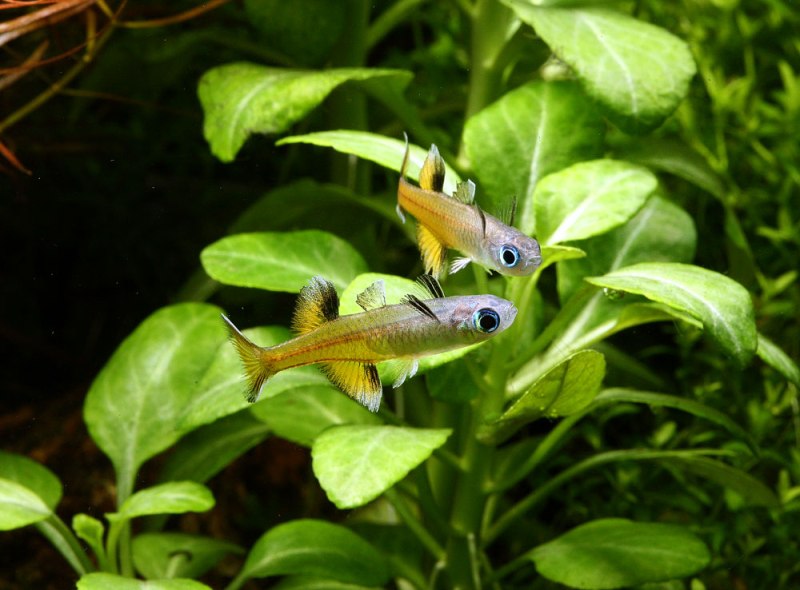
概要
| 字段 | 值 |
|---|---|
| 类别 | 鱼 |
| 学名 | Pseudomugil signifer |
| 别名 | 鯔銀漢魚、Atherina signata、Pseudomugil signata、Atherinosoma jamesonii |
| 分类 | 银汉鱼目 Atheriniformes › 鲻银汉鱼科 Pseudomugilidae › Pseudomugil |
| 水体 | 淡水 |
| 原产地 | 澳大利亚东部沿海及约克角部分西侧水系 |
| 成体体长 | 7 cm |
| 饲养难度 | 中等 |
| 最小水体 | 54 L |
| 最小缸长 | 60 cm |
| 群居方式 | 群游 |
| 外部数据 | seriouslyfish pseudomugil-signifer;fishbase 22750 |
| 食性 | 浮游生物食性 |
| 繁殖方式 | 散卵 |
水质参数
| 参数 | 耐受范围 | 最适范围 | 单位 |
|---|---|---|---|
| 水温 | 20–26 | — | °C |
| pH | 6.5–7.5 | — | — |
| 总硬度 | 5–15 | — | dGH |
概述
鲻银汉鱼(Pseudomugil signifer)在澳大利亚蓝眼鱼中分布很广,不同产地的体形、颜色和鳍形差异明显。多数型温和,但部分北方大型种群的繁殖雄鱼会猛烈争斗,不能把所有个体按同一混养标准处理。
分布与栖息地
范围沿澳大利亚东海岸,从昆士兰北部约克角向南延至新南威尔士南部,也见于部分近海岛屿及约克角西侧河流。南北种群和赫伯特河两侧型之间存在明显差异。
生境从纯淡水到海水均有,包括红树林溪流、盐沼、低地沼泽、清澈林溪及酸性黑水,人工渠道也能利用。较冷的野外条件主要涉及南方冬季种群,不能据此让所有来源鱼低温饲养。
饲养环境
底面积至少约 60 × 30 cm,大型北方型需明显更宽敞。密植水草,配浮草、沉木根和枝条柔化光线,保持成熟过滤、高溶氧和适度水流。
对水质突变敏感,不宜入新开缸。虽然能适应盐度变化,海水盐不是必需,半咸水来源也可在淡水中生活繁殖,安排时仍应保持稳定条件。
食性与喂食
主要吃漂浮或悬浮的浮游动植物及小型无脊椎动物。适口的水蚤、丰年虾无节幼体、微虫等活饵很有用,细碎浮性干饲料也能接受。
习性与混养
至少八至十条成群。多数型可与体形、性情和需求相似的鱼同养,但北方较大型雄鱼繁殖时对彼此很不容忍,小缸中弱势鱼甚至可能被杀死。
这类种群需宽敞环境,并可用合适的开阔水层伙伴分散追逐压力;不能单靠增加同种数量解决空间不足。
雌雄区分
雄鱼通常更大、更鲜艳,成熟后非成对鳍延长。有些野生种群雄鱼背鳍、臀鳍有细丝状延伸,但捕捞后常丢失,人工鱼不明显时不能仅据此判为雌鱼。
繁殖
散卵、不护幼,会吃自己的卵苗。自然繁殖与雨季有关,温暖时期白天较活跃,雌鱼可连续数日每天产少量卵,卵以细丝附着在植物或其他表面。
可将六至八条小群或一雄两三雌放入有海绵过滤、拖把或苔藓的繁殖容器,每天收卵另孵。另一方式在较大成熟密植缸留群,以高处苔藓和长根浮草保护近水面的鱼苗,产量较低但管理简便。
卵随温度不同约十至二十一天孵化,鱼苗即可接受丰年虾无节幼体、微虫或适口粉料。每天至少少量喂两次,清掉剩饵并规律少量换水。
补充说明
南北极端来源曾在人工杂交试验中未能杂交,另有分析提示可能包含多个分类单元,但尚不能当作确定拆种。保持产地标签和独立繁殖线,比一概视为同一种商品型更合适。
图片
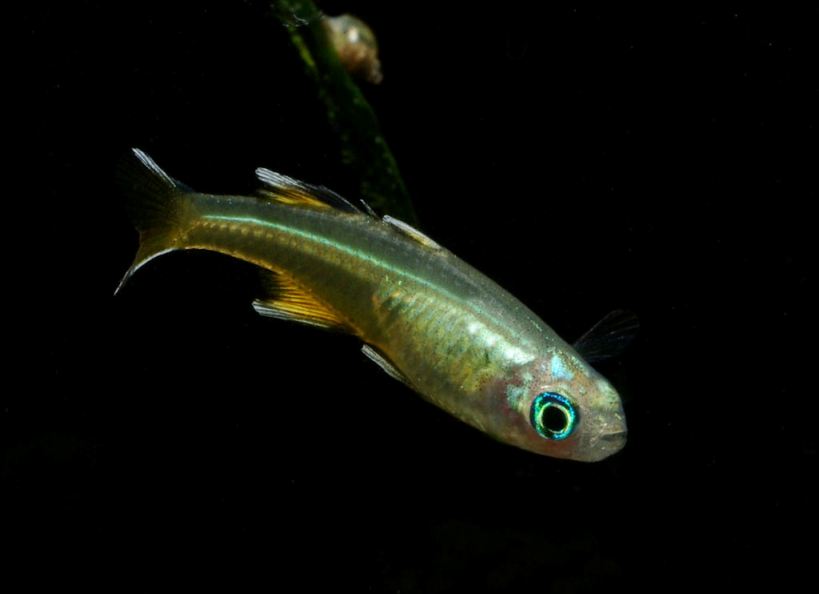
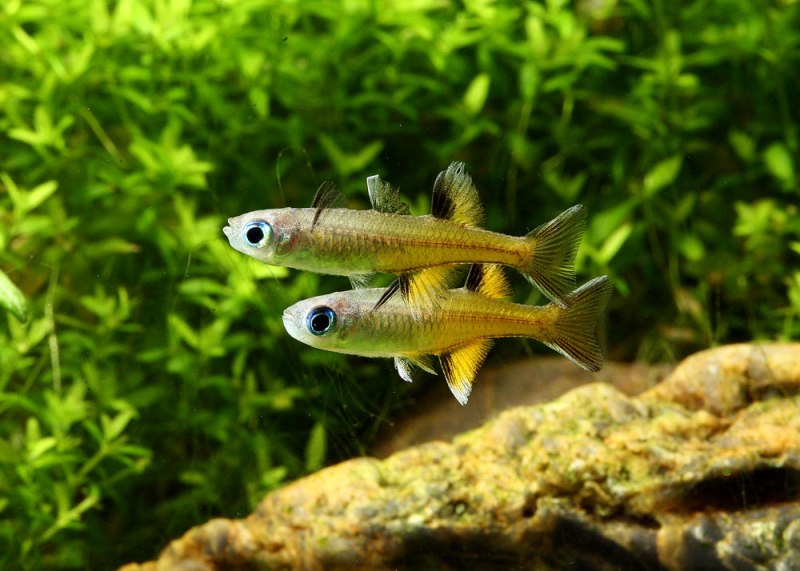
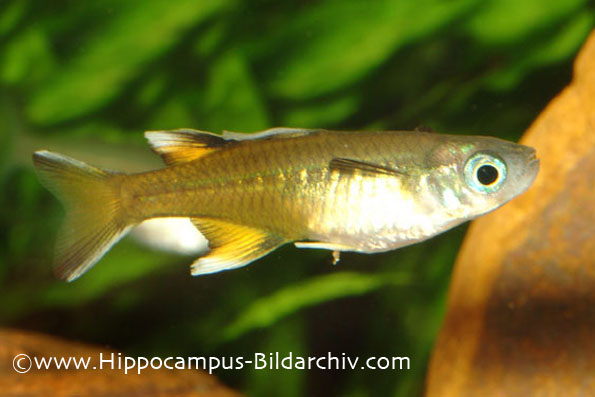
图片来自 SeriouslyFish,版权归各摄影者所有。
English
Overview
The widespread Australian Pseudomugil signifer varies substantially in size, color, and fins between localities. Most forms are peaceful, but breeding males from some larger northern populations can fight severely. A single compatibility rule is therefore inappropriate for every stock.
Distribution & habitat
Its range follows much of Australia's east coast, from northern Cape York to southern New South Wales, with some offshore-island and western Cape York populations. Northern and southern forms, including populations on opposite sides of the Herbert River, show pronounced differences.
Habitats include fresh water, marine conditions, mangrove creeks, salt marshes, lowland swamps, clear forest streams, blackwater, and artificial canals. Cooler wild conditions chiefly concern southern populations in winter and should not be generalized to all origins.
Aquarium setup
Start with a footprint around 60 × 30 cm; larger northern forms need substantially more space. Dense planting, floating cover, and wood soften the light. Maintain a mature system with plentiful oxygen and moderate flow.
Avoid immature aquariums and rapid chemical changes. Despite broad salinity tolerance, marine salt is unnecessary: fish from brackish habitats can live and breed in fresh water. Stability remains important.
Diet & feeding
Food chiefly consists of floating or suspended plankton and small invertebrates. Water fleas, brine-shrimp nauplii, and microworms are useful live options, with fine floating dry food also accepted.
Behaviour & compatibility
Maintain at least eight to ten. Most forms can join carefully selected communities of similarly sized fishes with matching needs. Larger northern males, however, become highly intolerant of one another in breeding condition and may kill subordinate fish in restricted quarters.
These stocks need spacious accommodation, potentially with suitable open-water companions to distribute attention. Increasing conspecific numbers cannot compensate for inadequate space.
Sexual dimorphism
Males are generally larger and brighter, developing elongated unpaired fins. Some wild populations have filamentous dorsal and anal extensions that are often lost after capture. Their absence in captive fish is therefore not sufficient evidence of female sex.
Breeding
This egg scatterer provides no parental care and can consume its own offspring. Natural breeding follows the wet season. Warm conditions encourage daytime activity, and females deposit small batches over several days, attaching eggs by fine threads.
One method uses six to eight adults, or a male with two or three females, in a sponge-filtered container with mops or moss. Collect eggs daily. Alternatively, a larger established colony aquarium with elevated moss and trailing roots may allow fewer young to survive with less intervention.
Incubation takes about ten to twenty-one days. Fry can immediately eat brine-shrimp nauplii, microworms, or appropriate powdered diets. Offer small meals at least twice daily, remove leftovers, and make regular small water changes.
Notes
Fish from the northern and southern extremes failed to hybridize in captive experiments, and some analyses suggest multiple taxa may be involved. This is not a settled taxonomic split. Retaining locality labels and distinct breeding lines is preferable to treating all forms as identical ornamental stock.
来源
- https://www.seriouslyfish.com/species/pseudomugil-signifer(抓取于 2026-10-10)
pseudomugil-signifer · 文件: data/species/pseudomugil-signifer.md · 状态: 草稿