麦氏拟腹吸鳅
概要
| 字段 | 值 |
|---|---|
| 类别 | 鱼 |
| 学名 | Pseudogastromyzon myersi |
| 别名 | 迈氏间吸鳅、吸盘鳅、麥氏擬腹吸鰍、邁氏間吸鰍、吸盤鰍(香港) |
| 分类 | 鲤形目 Cypriniformes › 爬鳅科 Balitoridae › Pseudogastromyzon |
| 水体 | 淡水 |
| 成体体长 | 6 cm |
| 饲养难度 | 中等 |
| 最小水体 | 68 L |
| 最小缸长 | 75 cm |
| 群居方式 | 群游 |
| 水流偏好 | 高 |
| 特征 | 会跳缸: 是;翻底砂: 是 |
| 外部数据 | seriouslyfish pseudogastromyzon-myersi;fishbase 7757 |
| 原产地 | 中国香港、广东 |
| 领地性 | 是 |
| 繁殖方式 | 附着产卵 |
水质参数
| 参数 | 耐受范围 | 最适范围 | 单位 |
|---|---|---|---|
| pH | 6–7.5 | — | — |
| 总硬度 | 1–12 | — | dGH |
概述
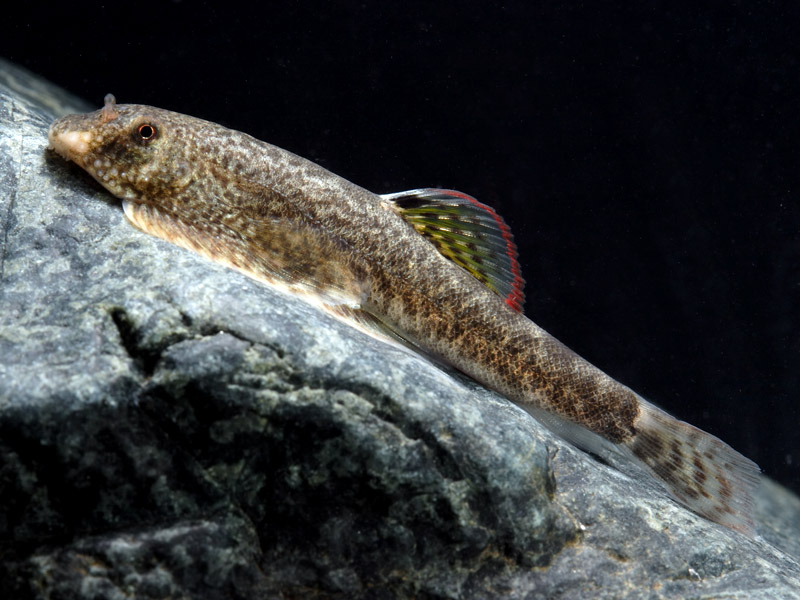
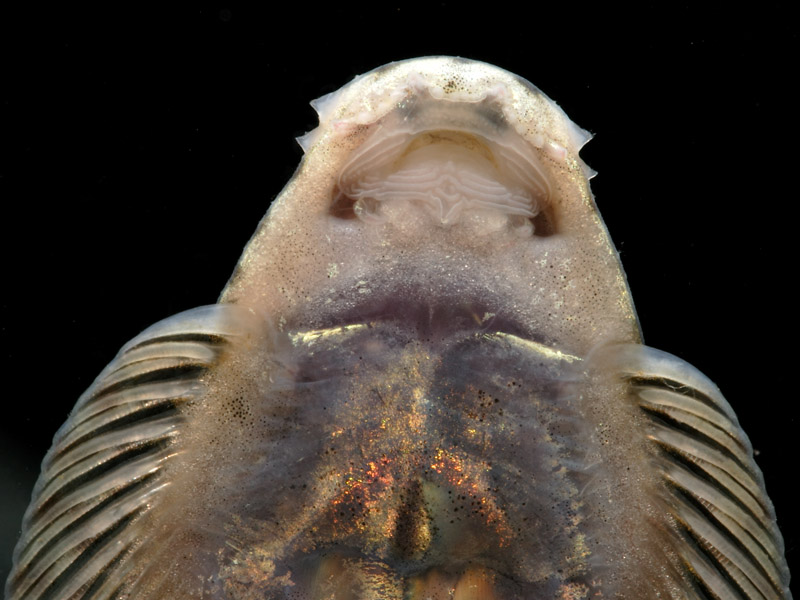
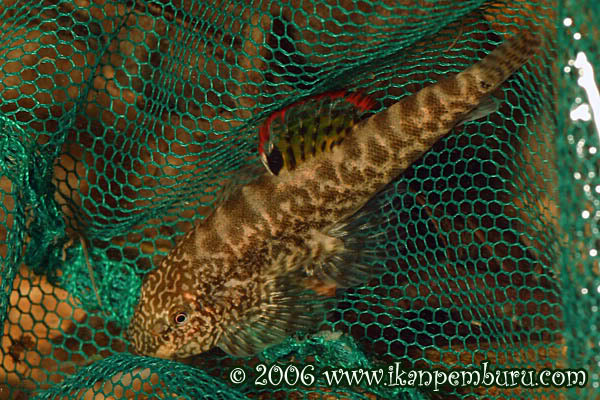
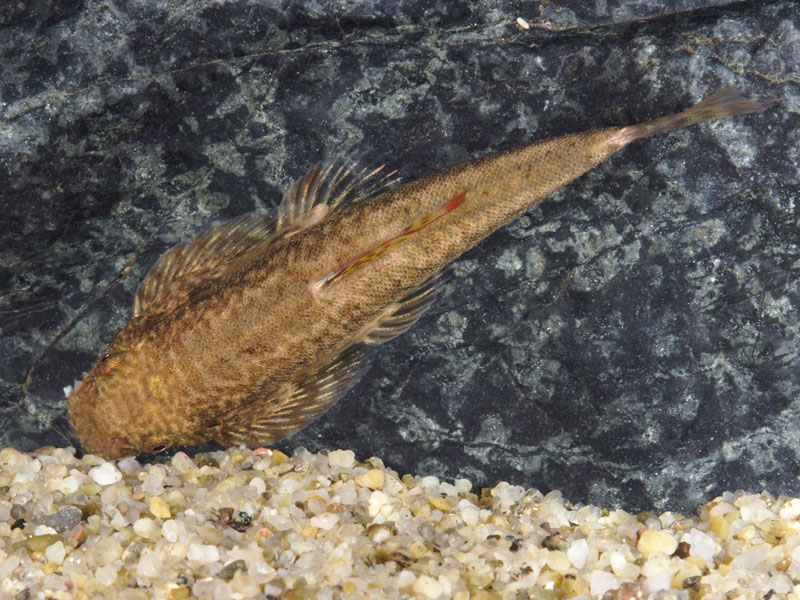
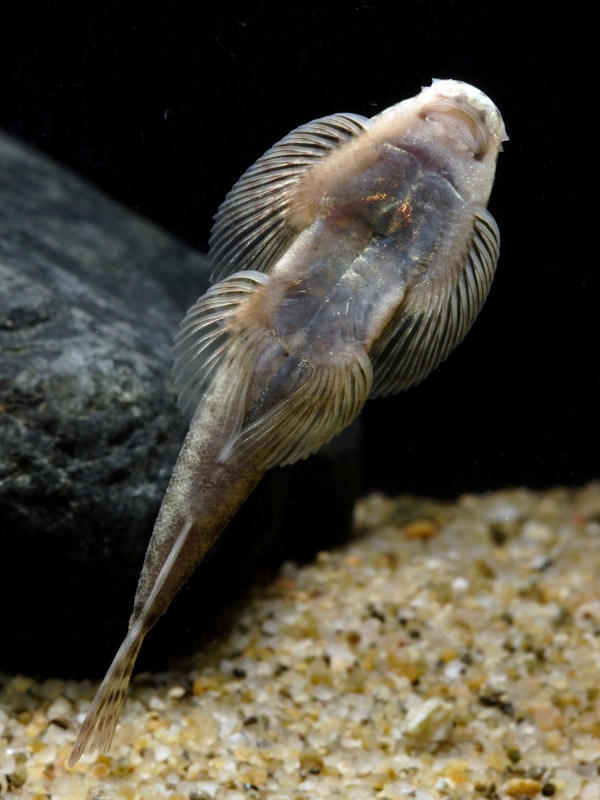
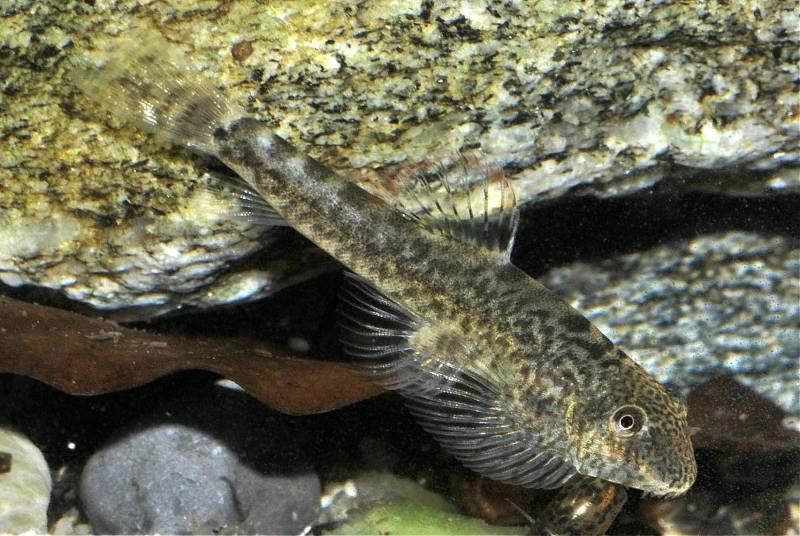
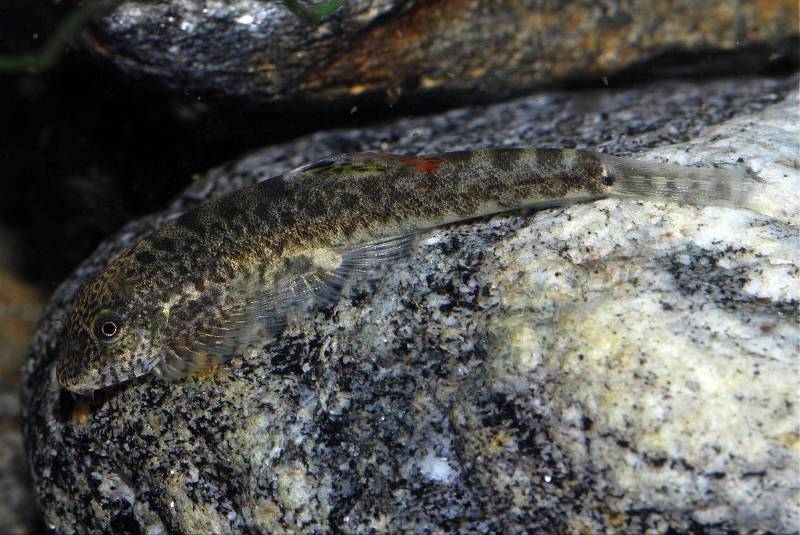
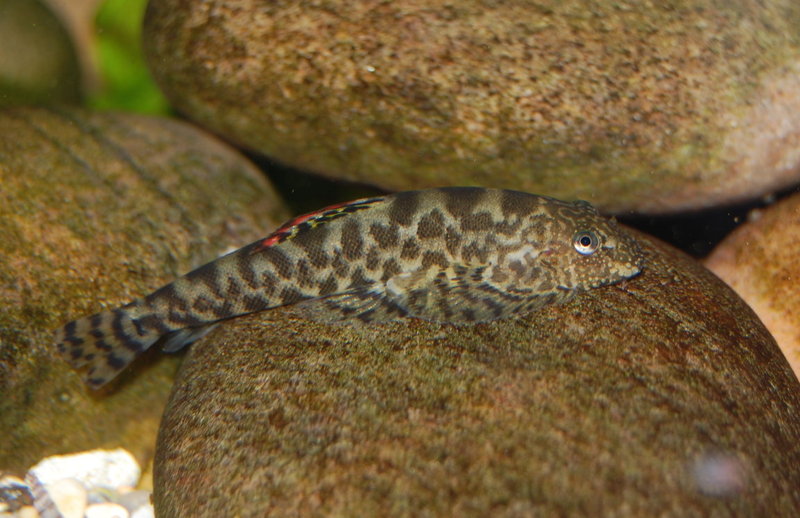
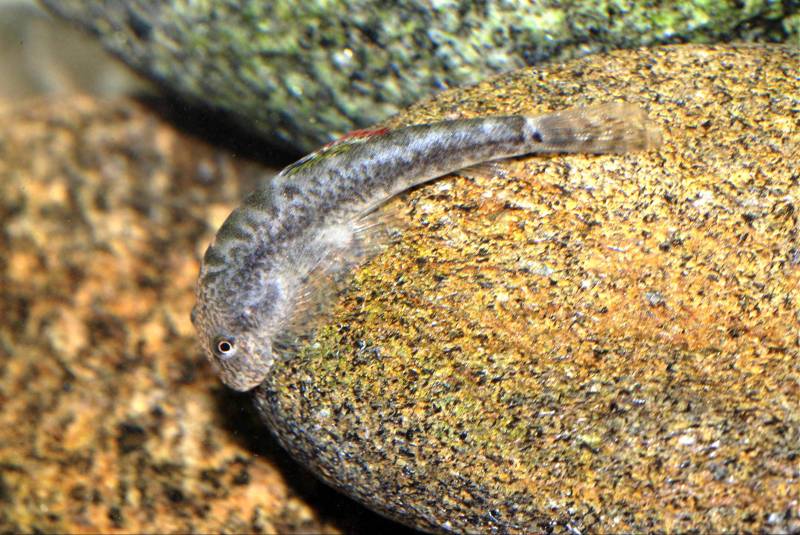
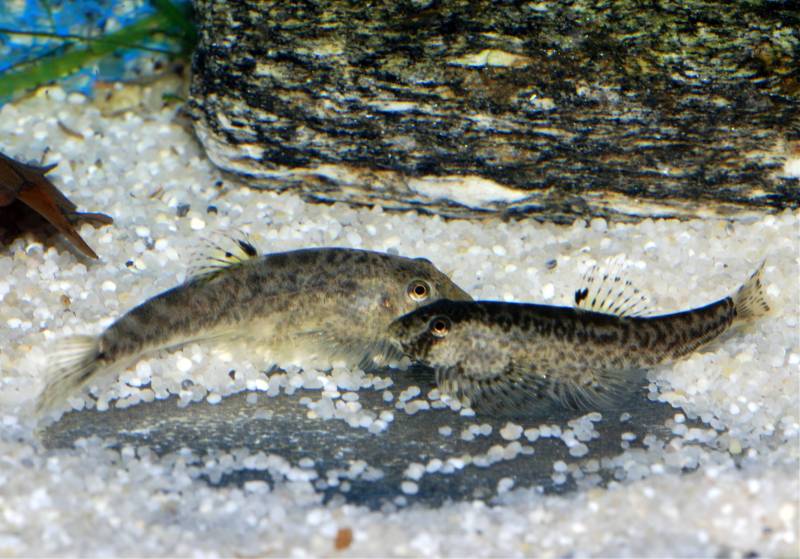
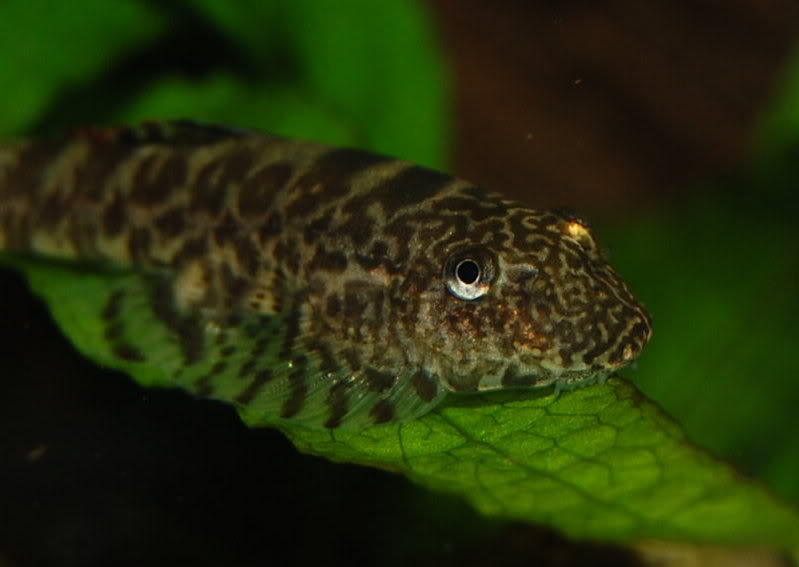
麦氏拟腹吸鳅(Pseudogastromyzon myersi)是水族贸易较常见的拟腹吸鳅,来自香港和广东。黄底、外缘带红带的背鳍是重要辨认线索,但同批鱼也会有色纹差异。它已有多次人工繁殖记录,前提是成熟底床、充足附着生物和稳定富氧水质。
分布与栖息地
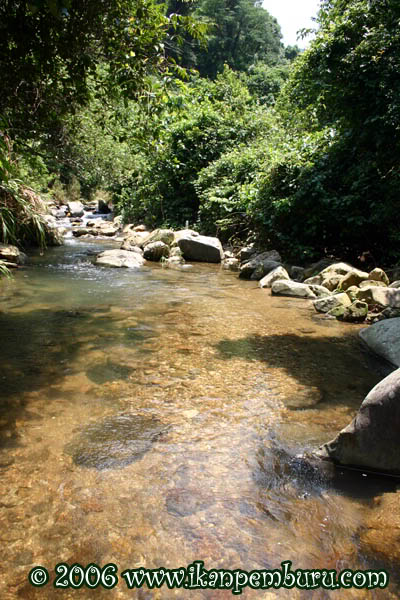
在香港开发较少的地区及邻近广东有分布,贸易采集集中于广州附近。常见于浅而急的上游和小支流,石砾、大卵石、急滩与水潭相间,水草少。清澈富氧的水和日照支持丰富附着生物,雨季强流可能短时造成浑浊;香港部分栖地略酸、低营养及低电导。
饲养环境
底面积至少参考 75 × 30 厘米。砂砾上布置多种大小圆石,成熟沉木、附生植物及海绵表面增加觅食面。过滤每小时循环宜超过十倍水体,按需补充增氧,不必形成激流。灯光要支持生物膜,避免新沉木大量染水;只入成熟稳定缸,规律部分换水并保留多数附着物。它能攀玻璃,缸盖必须贴合。
食性与喂食
同属以蓝细菌、硅藻和少量微小无脊椎动物为主要刮食对象,不能指望它大量清理长丝藻或硬藻。定期提供水蚤、丰年虾、红虫等活冷冻饵,干粮视接受情况补充。藻膜不足时,可另缸培养长藻石轮换;消瘦鱼先减少竞争,连续提供容易取得的食物。
习性与混养
建议六尾以上同养,能看到更多群体互动。雄鱼较大胆,会占据小型觅食领地,优势个体守住较好的食物区,并驱逐其他雄鱼或近似体形的鱼。总体并不特别凶,但小型、弱势吸鳅可能被反复骚扰;伙伴须适应相同环境,不适合与金鱼搭配。
雌雄区分
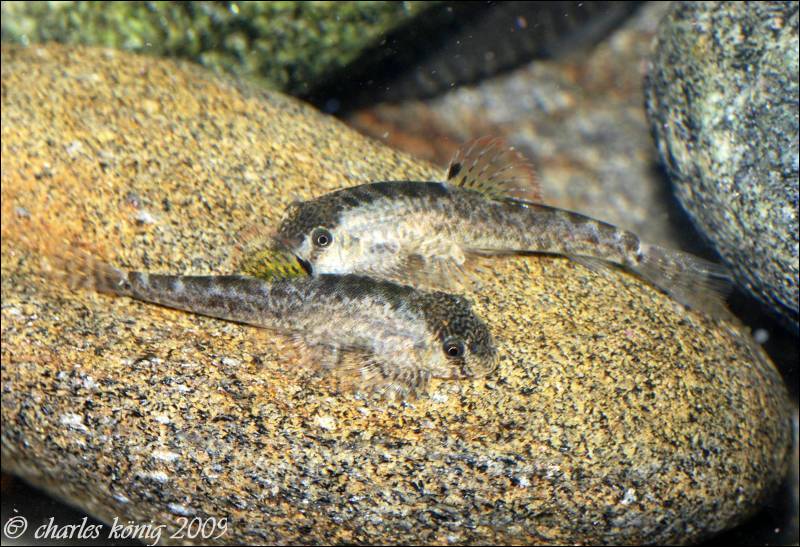
成熟雌鱼体形较大丰满,体纹反差通常较弱。雄鱼成熟后头部出现珠星,优势个体更明显。
繁殖
混养缸偶有少量鱼苗存活,专用繁殖缸有助提高育成率。成熟的中等粒径圆砾提供卵和鱼苗藏缝,砾间有机碎屑支持微生物食物;配长藻圆石和海绵过滤,避免吸走卵苗。雄鱼先通过追撞和压上对方争优势,再绕游引诱雌鱼。
雄鱼在石旁用身体后段和尾鳍挖坑,可能挖数处但一次产卵只用一处。雌鱼进入分批产卵,雄鱼随后受精,反复数次后覆砂,此后不继续护幼,可移走成鱼。孵化报告约 4–14 天,可能受温度影响;鱼苗留在砾中,约全长 10 毫米时出来并开始刮食,一个月左右可达全长 20–25 毫米。
补充说明
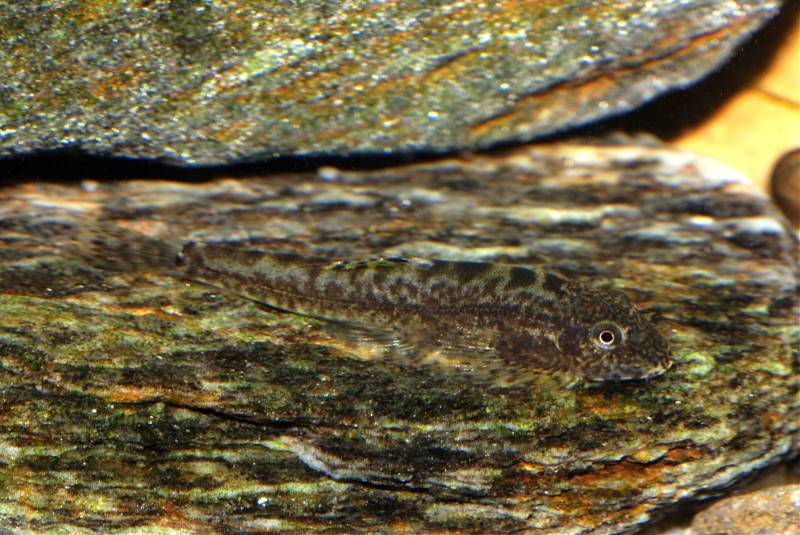
体色深浅及红色背鳍带会随个体、状态和环境而变化,缺少红带不能单独否定身份。过去贸易中常有近似种误名,仍须结合体形、产地和鳍纹判断。
图片
图片来自 SeriouslyFish,版权归各摄影者所有。
English
Overview
Common in the aquarium trade, Pseudogastromyzon myersi comes from Hong Kong and Guangdong. A yellow-based dorsal fin with a red outer band is useful for identification, although markings vary. Repeated aquarium breeding has been achieved in established, oxygen-rich settings with suitable gravel and grazing surfaces.
Distribution & habitat
It inhabits less-developed parts of Hong Kong and neighboring Guangdong, with commercial collections around Guangzhou. Rocky headwaters and minor tributaries contain riffles, pools, and occasional cascades. Sunlit, well-oxygenated surfaces support abundant biofilm. Heavy rain can temporarily cloud the water; some Hong Kong streams are mildly acidic and low in nutrients and conductivity.
Aquarium setup
A footprint of at least 75 by 30 cm should offer numerous rounded stones over sand or gravel. Mature wood, hardy plants, and sponge surfaces add food and shelter. Aim for the suggested turnover above ten tank volumes per hour, supplementing oxygenation without creating a torrent. Maintain strong enough light for biofilm, avoid heavily staining wood, and preserve grazing growth during regular partial changes. Secure the cover against climbing.
Diet & feeding
Genus-level feeding descriptions focus on cyanobacteria, diatoms, and some tiny invertebrates, not bulk removal of tough or long algae. Supply regular small live or frozen foods and any accepted sinking diet. Separately cultured rocks can replenish grazing. Give thin newcomers accessible food without competition.
Behaviour & compatibility
Keep six or more to observe social interactions. Bolder males establish small feeding territories, with dominant fish defending the best patches against other males and lookalikes. General aggression is limited, but smaller, weaker loaches can suffer persistent harassment. Companions must suit the current and oxygen requirements; goldfish are a poor match.
Sexual dimorphism
Adult females are larger and fuller with generally less contrasting markings. Males develop head tubercles, most prominently in dominant individuals.
Breeding
A dedicated breeding aquarium can improve survival over the few young sometimes raised in a community. Mature medium-sized rounded gravel provides protected spaces and supports microscopic food. Add algal stones and sponge filtration that will not draw in eggs or fry. Males establish dominance through charging and attempts to press over rivals before courting passing females.
The male excavates beside a rock with his rear body and tail. Several pits may be made, but one is used for successive batches of eggs and fertilization. He then covers the nest and provides no further care; adults can be removed. Reported incubation spans roughly 4–14 days and may vary with temperature. Young stay in the gravel before emerging around 10 mm total length, immediately grazing and potentially reaching 20–25 mm in about a month.
Notes
Body darkness and the red dorsal band vary among individuals and with condition or surroundings. Absence of that band alone does not settle identity. Historical trade misidentifications make the combination of form, origin, and fin pattern more useful.
来源
- https://www.seriouslyfish.com/species/pseudogastromyzon-myersi(抓取于 2026-10-10)
pseudogastromyzon-myersi · 文件: data/species/pseudogastromyzon-myersi.md · 状态: 草稿