南方褶唇丽鱼 · Southern Mouth-Brooder
概要
| 字段 | 值 |
|---|---|
| 类别 | 鱼 |
| 学名 | Pseudocrenilabrus philander |
| 别名 | 莫氏朴丽鱼、南方褶唇麗魚、莫氏樸麗魚 |
| 分类 | 慈鲷目 Cichliformes › 慈鲷科 Cichlidae › Pseudocrenilabrus |
| 水体 | 淡水 |
| 成体体长 | 7.5 cm |
| 饲养难度 | 中等 |
| 最小水体 | 108 L |
| 最小缸长 | 120 cm |
| 群居方式 | 成对 |
| 外部数据 | seriouslyfish pseudocrenilabrus-philander;fishbase 6891 |
| 原产地 | 刚果民主共和国、马拉维、津巴布韦、南非、安哥拉、纳米比亚、赞比亚、坦桑尼亚、博茨瓦纳、莫桑比克、斯威士兰 |
| 繁殖方式 | 口孵 |
| 特征 | 翻底砂: 是 |
| 领地性 | 是 |
水质参数
| 参数 | 耐受范围 | 最适范围 | 单位 |
|---|---|---|---|
| 水温 | 22–25 | — | °C |
| pH | 6.5–7.5 | — | — |
| 总硬度 | 5–12 | — | dGH |
概述
南方褶唇丽鱼(Pseudocrenilabrus philander)分布广、种群差异明显,是雌鱼口孵的小型慈鲷。运输后状态可能较差,初入缸就应有稳定环境与充足躲避空间。
分布与栖息地
原生范围跨非洲中南部多个国家,由刚果民主共和国至南非,包括马拉维、津巴布韦、安哥拉、纳米比亚、赞比亚、坦桑尼亚、博茨瓦纳、莫桑比克及斯威士兰。栖地有溪流、湖泊、池塘和陷坑水域,一些种群见于微咸水。
饲养环境
可参考约 120 × 30 × 30 厘米的缸,以陶罐洞、树根和沉木提供多处遮蔽,水草可辅助。底床用沙或细砾,预留雄鱼挖坑与守域空间。
食性与喂食
优质慈鲷颗粒可作主食,再规律提供活饵与冷冻食物。
习性与混养
雄鱼对彼此攻击性强,宜一雄多雌;普通缸多雄往往只有一尾占据优势。活动于缸下部的其他鱼也可能受压,更大空间才适合搭配其他小慈鲷或底栖鱼。
雌雄区分
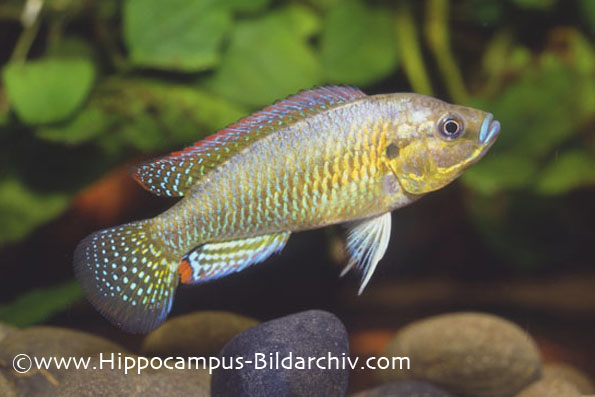
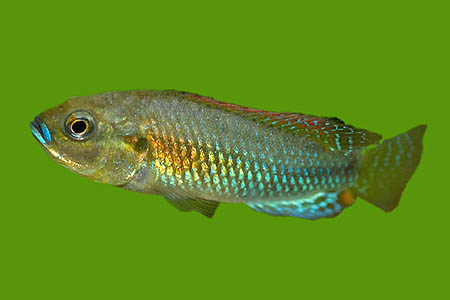
雄鱼较大,颜色明显比雌鱼丰富。
繁殖
可参考水温 24 °C、酸碱度约 7,一雄三四雌或从六至八尾幼鱼开始。雄鱼繁殖领地直径可约 90 厘米,并挖浅坑引雌。雌鱼收卵后在雄鱼泄殖孔附近取得精子,有时先受精后收卵;臀鳍卵点的诱导作用并不确定。每窝约 5~100 粒,其他同种鱼可能抢卵。含卵雌鱼颜色变低调,若继续被追逐可单独安置;约十天释放鱼苗,可喂丰年虾无节幼体、微虫与粉粮,母鱼还可能再护幼数天。
补充说明
种群间颜色、行为及卵大小可能不同,除传统三个亚种外,还有更多独立种群的研究提示。不要混合不同来源繁殖,以免杂交。部分微咸水记录不代表所有种群都应加盐。
图片
图片来自 SeriouslyFish,版权归各摄影者所有。
English
Overview
Geographically widespread and variable, Pseudocrenilabrus philander is a small maternal mouthbrooder. It appears to tolerate transport poorly, making stable conditions and adequate shelter especially important from arrival.
Distribution & habitat
The range spans eleven countries from the Democratic Republic of the Congo south to South Africa. Streams, lakes, ponds, and sinkholes are occupied, with certain populations also occurring in slightly brackish conditions.
Aquarium setup
A tank around 120 by 30 by 30 cm is suggested. Include many shelters from pots, roots, and wood, with plants providing optional extra cover. Sand or fine gravel accommodates excavation and breeding territories.
Diet & feeding
Quality cichlid pellets can form the staple, with regular varied live and frozen meals.
Behaviour & compatibility
Male rivalry is intense, and one male with several females is the more practical group. A dominant male may monopolize available females in smaller multi-male setups. Lower-water companions may also be attacked, so other dwarf cichlids and bottom-oriented fishes need extra room.
Sexual dimorphism
Males are larger and markedly more colorful than females.
Breeding
Breeding can occur around 24 °C and pH 7 with one male and three or four females. The male excavates a pit within a territory that can span roughly 90 cm. Eggs are collected and fertilized near the male’s vent, although fertilization may precede collection. The anal spot’s proposed egg-mimic function remains uncertain. Other conspecifics may steal eggs during spawning. Females carry about 5–100 eggs for roughly ten days, becoming less conspicuous in color. Separate a brooding female if harassment persists. Released fry accept small live and powdered foods, and maternal guarding may continue for several days.
Notes
Populations differ in color, behavior, and egg size, and studies suggest more distinct populations than the three traditionally recognized subspecies. Preserve locality lines to avoid hybridization. Brackish-water records apply to particular populations and do not establish a universal need for salt.
来源
ID:pseudocrenilabrus-philander · 文件: data/species/pseudocrenilabrus-philander.md · 状态: 草稿