花斑腹丽鱼 · Orange Chromide
概要
| 字段 | 值 |
|---|---|
| 类别 | 鱼 |
| 学名 | Pseudetroplus maculatus |
| 别名 | 花斑腹麗魚、Chaetodon maculatus、Glyphisodon kakaitsel、Etroplus coruchi、Etroplus maculatus |
| 分类 | 慈鲷目 Cichliformes › 慈鲷科 Cichlidae › Pseudetroplus |
| 水体 | 淡水 |
| 原产地 | 印度、斯里兰卡 |
| 成体体长 | 8 cm |
| 饲养难度 | 中等 |
| 最小水体 | 432 L |
| 最小缸长 | 120 cm |
| 群居方式 | 群游 |
| 性情 | 温和 |
| 外部数据 | seriouslyfish pseudetroplus-maculatus;fishbase 8703 |
| 繁殖方式 | 附着产卵 |
| 特征 | 翻底砂: 是;吃小鱼: 是 |
水质参数
| 参数 | 耐受范围 | 最适范围 | 单位 |
|---|---|---|---|
| 水温 | 20–28 | — | °C |
| pH | 7–8.5 | — | — |
| 总硬度 | 10–20 | — | dGH |
概述
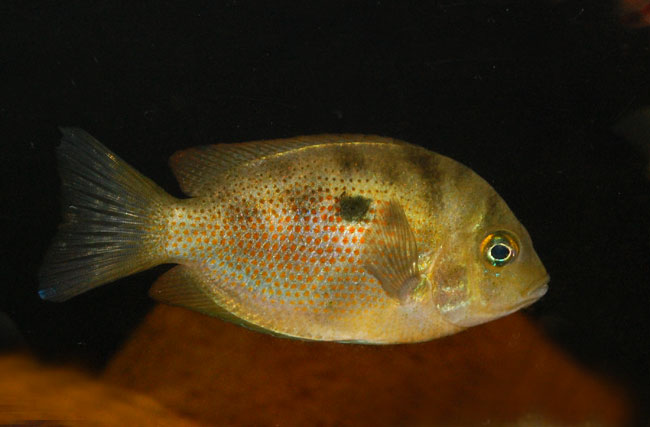
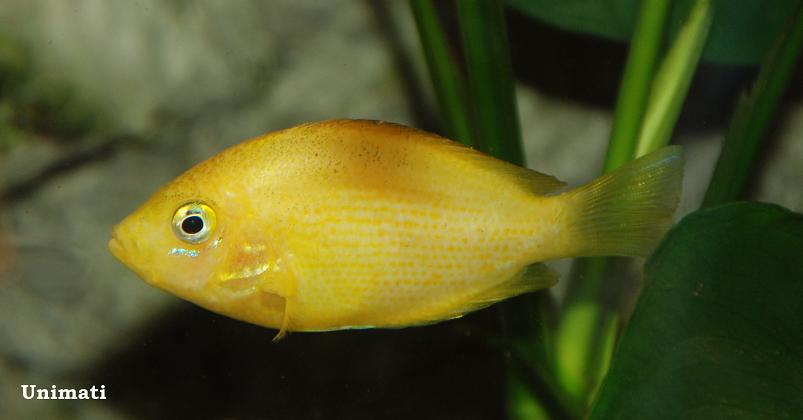
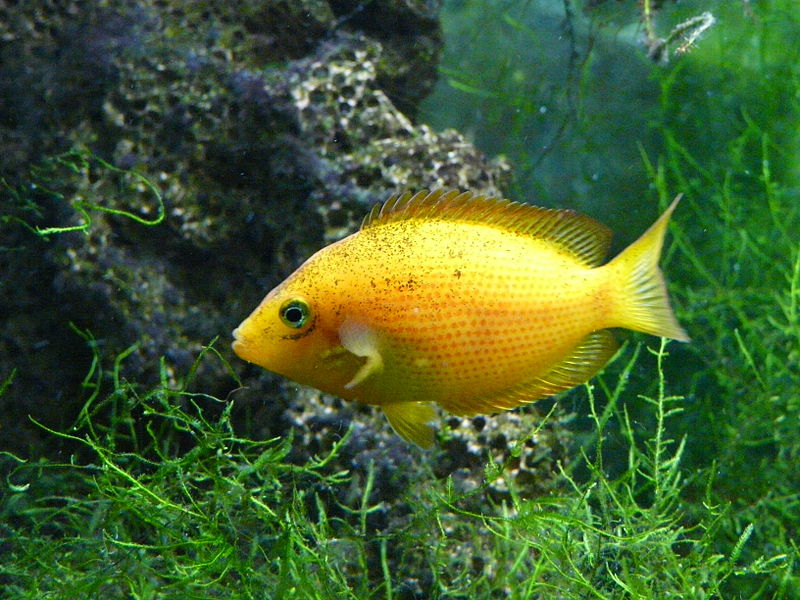
花斑腹丽鱼(Pseudetroplus maculatus)原生于印度与斯里兰卡,能适应淡水和半咸水,关键是避免酸性和有机污染积累。常见橙红或黄色商品鱼多为选育品系,不能套用野生体斑直接辨认性别。
分布与栖息地
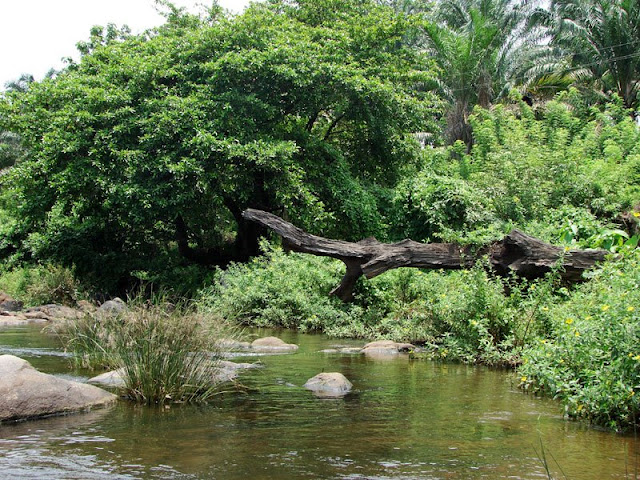
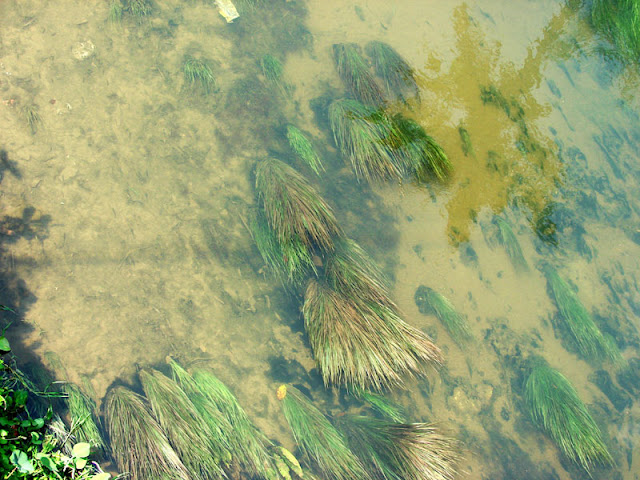
原生范围包括印度半岛西岸由马哈拉施特拉邦南下至泰米尔纳德邦,以及斯里兰卡以西岸为主的地区。常栖河口、沿海潟湖与河流下游,也见于淡水;斯里兰卡部分内陆湖种群可能是人为引入。
饲养环境
群养应至少考虑 120 × 60 厘米底面积。可用沙、形状多样的岩石和枝状沉木形成结构与遮蔽。淡水或半咸水均可,但不要使用软酸水条件;每周约换水 25%~50%,保持清洁。
食性与喂食
常刮食附着生物与丝藻,也观察到替近缘鱼清除寄生物和真菌。缸内喜小型活饵、冷冻红虫或丰年虾,可配优质人工粮;其中一些应含明显植物成分,亦可补碎豌豆。
习性与混养
繁殖以外相对温和,但极小鱼仍可能被捕食。至少八尾组成群体较合适,成熟后形成等级;数量过少容易让弱鱼承受过度追逐或整群紧张。可按水体盐度搭配合适的群游中上层鱼,避开强领地性、攻击性鱼及要求软酸水的种类。
雌雄区分
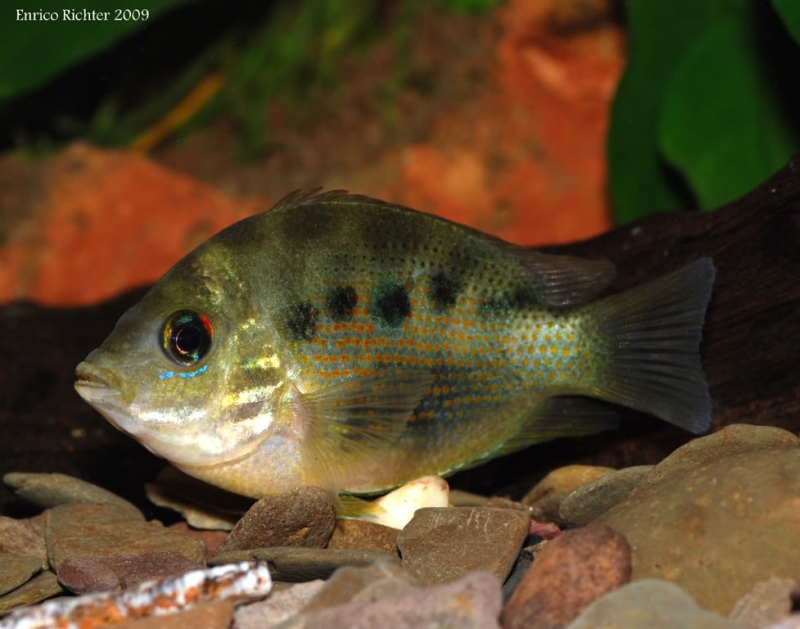
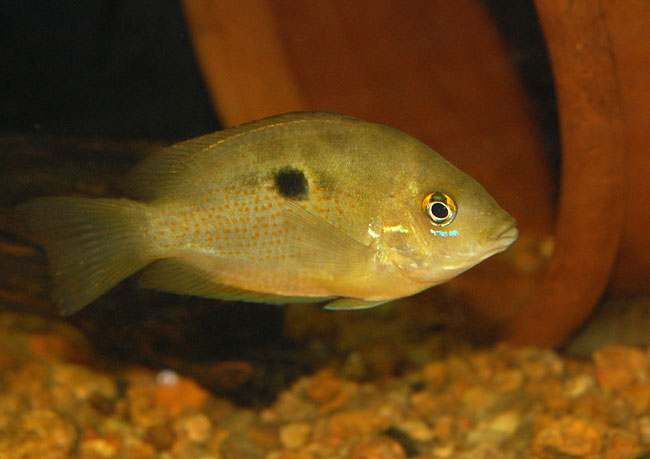
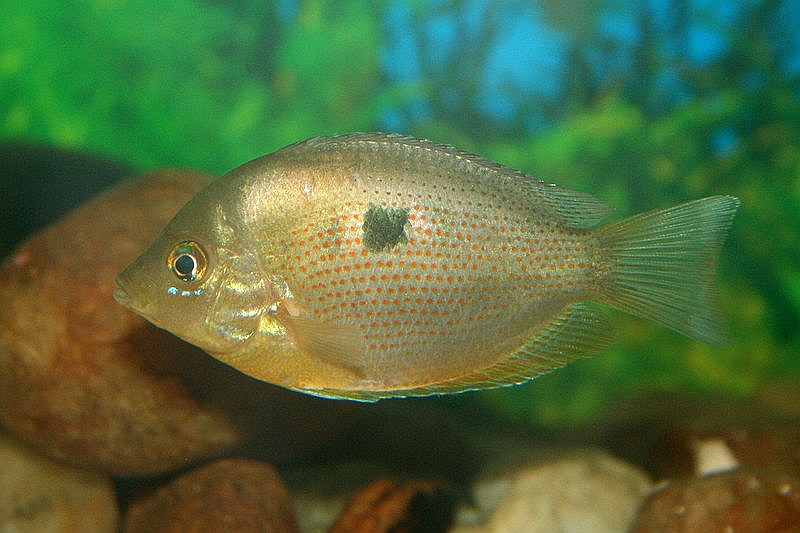
野生种群与人工品系的外观不同,鳍部红色、白纹及繁殖色等判断方式并不一致。橙红选育型雌雄都可能没有深色斑,因此不宜只凭单一颜色判性别。
繁殖
繁殖时形成临时配对,双亲照护基质上的卵。宜让群体自行择偶,亲鱼选择岩石甚至玻璃并守住周边;卵由短丝附着,双亲扇水并清除沉积物。约 27 °C 时两天左右孵化,再过两三天平游;孵化前亲鱼会挖多个育幼坑并搬移幼体。平游后一至三天,幼鱼可能啄食亲鱼体表黏液,也能吃丰年虾无节幼体。护幼可能持续很久。若选择移卵人工孵化,可连石转入同缸水,轻微水流经过卵面并移除霉卵。野外部分季节多对邻近繁殖可降低同种吞食鱼苗的风险,双亲轮流外出觅食。
补充说明
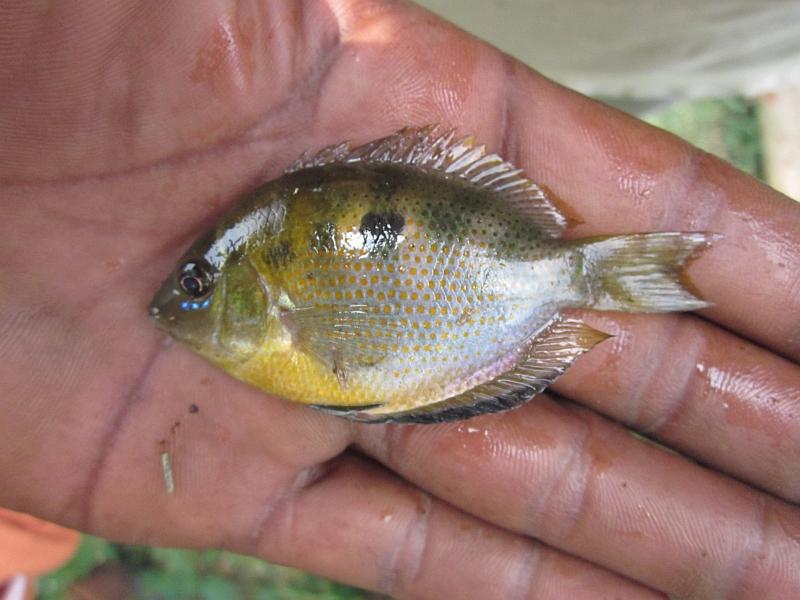
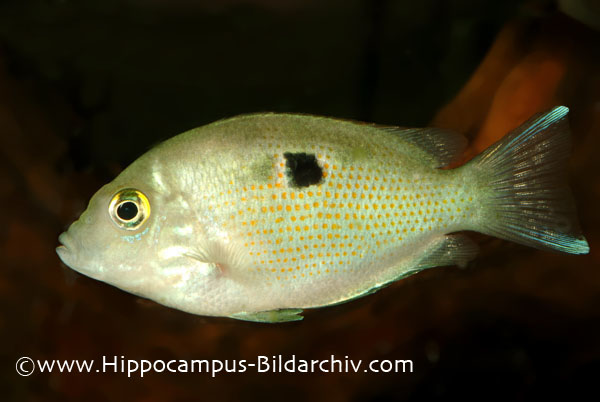
它替 Etroplus suratensis 清理体表的同时,也会吃对方的卵和鱼苗;清洁行为带来的整体收益仍有假说解释,不应只理解为互惠清洁鱼。野生型通常体侧有一至三个深斑,而常见人工型可能全身黄橙色。
图片
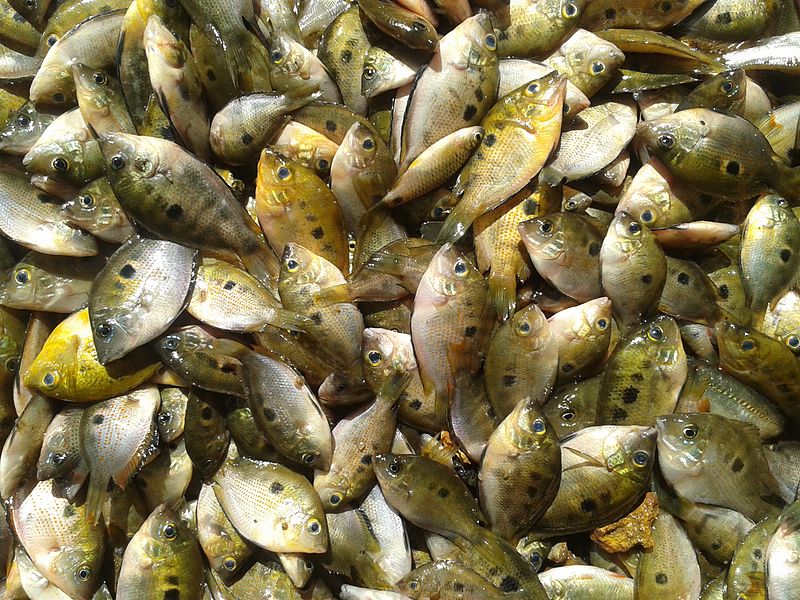
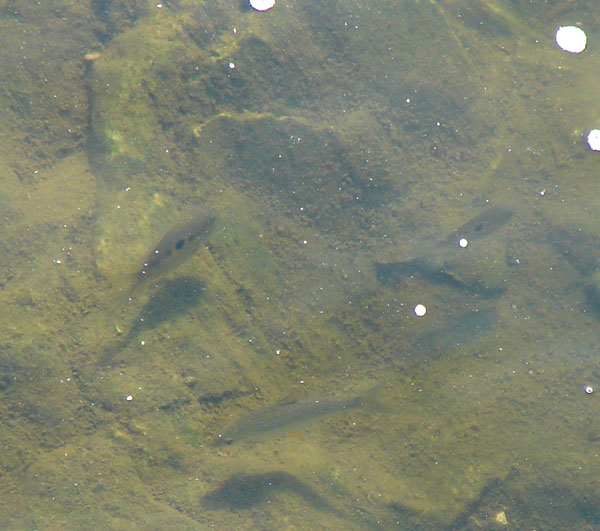
图片来自 SeriouslyFish,版权归各摄影者所有。
English
Overview
Both fresh and brackish aquaria can suit Pseudetroplus maculatus, provided the water is not acidic and organic pollution is controlled. Most bright red or yellow aquarium fish belong to selected ornamental strains rather than representing wild coloration.
Distribution & habitat
The native range covers western peninsular India from Maharashtra south toward Tamil Nadu and mainly western Sri Lanka. Estuaries, coastal lagoons, and lower river reaches are typical habitats. Freshwater populations also occur, though some inland Sri Lankan lake populations appear introduced.
Aquarium setup
For a group, consider no less than a 120 by 60 cm footprint. Sand, varied rocks, and branches provide suitable structure. Either fresh or brackish water can work, but acidic conditions are unsuitable. Weekly changes of roughly 25–50% help maintain the clean water this fish requires.
Diet & feeding
Wild feeding includes grazing algae and other attached organisms, and cleaning parasites from larger related fishes has been observed. Offer small live or frozen foods alongside quality prepared diets. Include substantial vegetable ingredients in some dry foods, with chopped peas as another supplement.
Behaviour & compatibility
Keep at least eight to support its loose social grouping. Mature fish form a hierarchy, and small groups may leave weaker individuals exposed to persistent aggression. Compatible schooling fishes can encourage confidence, provided their salinity requirements match. Avoid aggressive territorial companions and soft, acidic-water specialists. Very small fish may be eaten.
Sexual dimorphism
Color-based sexing is unreliable across populations and ornamental strains. Fin markings and breeding colors vary, while both sexes of selected orange-red strains may lack dark body marks.
Breeding
Temporary pairs lay on a solid surface and share brood care. Let fish choose partners within the group. Eggs attach by short filaments, and both adults fan and clean them. At about 27 °C, hatching takes roughly two days, with swimming another two or three days later. Parents excavate nursery pits and move larvae between them. Young may graze parental mucus during their first one to three days of swimming and can also take brine shrimp nauplii. Care can continue for an extended period. For artificial incubation, transfer the egg-bearing surface into water from the breeding tank, maintain gentle flow over it, and remove fungal eggs. In some wild breeding aggregations, neighboring pairs reduce losses to fry-eating conspecifics while parents alternate between guarding and foraging.
Notes
Its relationship with Etroplus suratensis includes both cleaning and predation on the larger species’ eggs and fry. Proposed benefits of this association remain hypotheses. Wild-looking fish usually carry one to three dark flank blotches, whereas ornamental strains may be almost uniformly yellow-orange.
来源
- https://www.seriouslyfish.com/species/pseudetroplus-maculatus(抓取于 2026-10-10)
pseudetroplus-maculatus · 文件: data/species/pseudetroplus-maculatus.md · 状态: 草稿