孔雀鱼 · Guppy
概要
| 字段 | 值 |
|---|---|
| 类别 | 鱼 |
| 学名 | Poecilia reticulata |
| 别名 | 孔雀花鮰、孔雀魚、Lebistes poecilioides、Girardinus guppii、虹鮰 |
| 分类 | 鳉形目 Cyprinodontiformes › 花鳉科 Poeciliidae › Poecilia |
| 水体 | 淡水 |
| 成体体长 | 6 cm |
| 饲养难度 | 入门 |
| 最小水体 | 41 L |
| 最小缸长 | 45 cm |
| 群居方式 | 群游 |
| 性情 | 温和 |
| 外部数据 | seriouslyfish poecilia-reticulata;fishbase 3228 |
| 原产地 | 南美洲东北部、加勒比海南部 |
| 食性 | 肉食 |
| 繁殖方式 | 卵胎生 |
水质参数
| 参数 | 耐受范围 | 最适范围 | 单位 |
|---|---|---|---|
| 水温 | 17–28 | — | °C |
| pH | 7–8.5 | — | — |
| 总硬度 | 8–30 | — | dGH |
概述
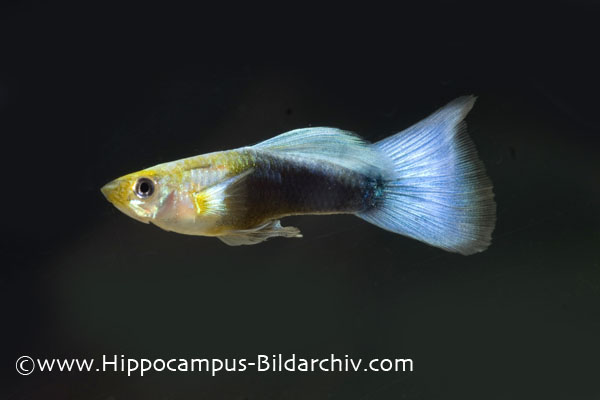
孔雀鱼(Poecilia reticulata)是常见的卵胎生观赏鱼,人工品系有丰富体色和延长的鳍。它性情温和、繁殖容易,但部分量产个体因近交与过度繁殖而体质较弱,不能把野生鱼的适应力直接套在每一条商品鱼上。
分布与栖息地
原生范围在南美洲东北部和加勒比海南部,包括委内瑞拉、圭亚那、苏里南、法属圭亚那及特立尼达和多巴哥、巴巴多斯、安提瓜和巴布达、荷属安的列斯等岛屿。其他约 50 个国家存在引入或逸生种群,贸易中以人工繁殖个体为主。
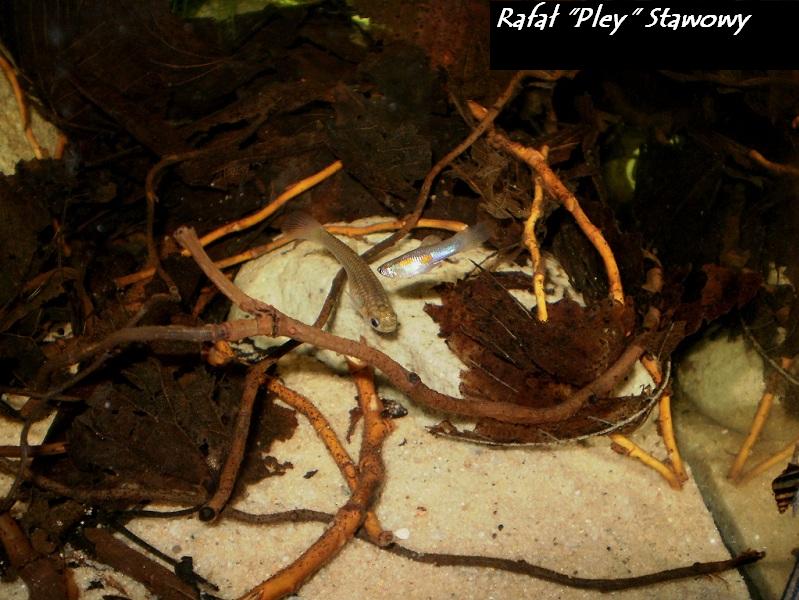
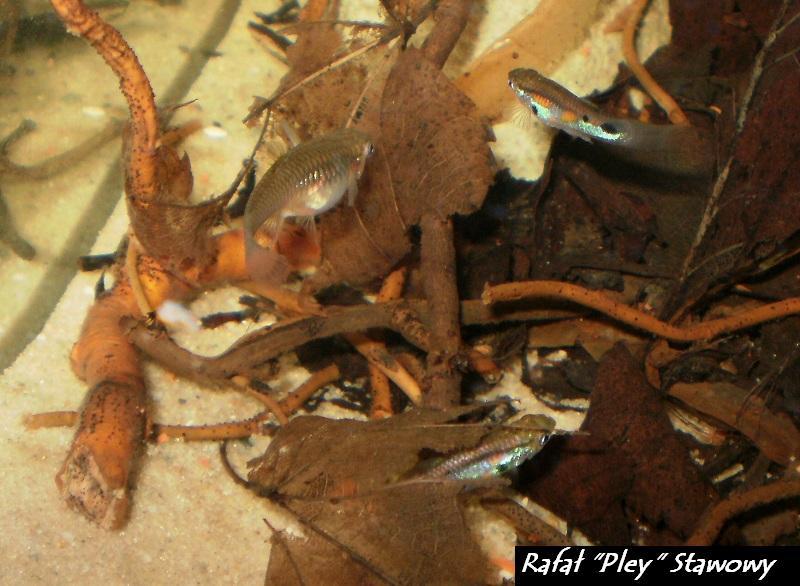
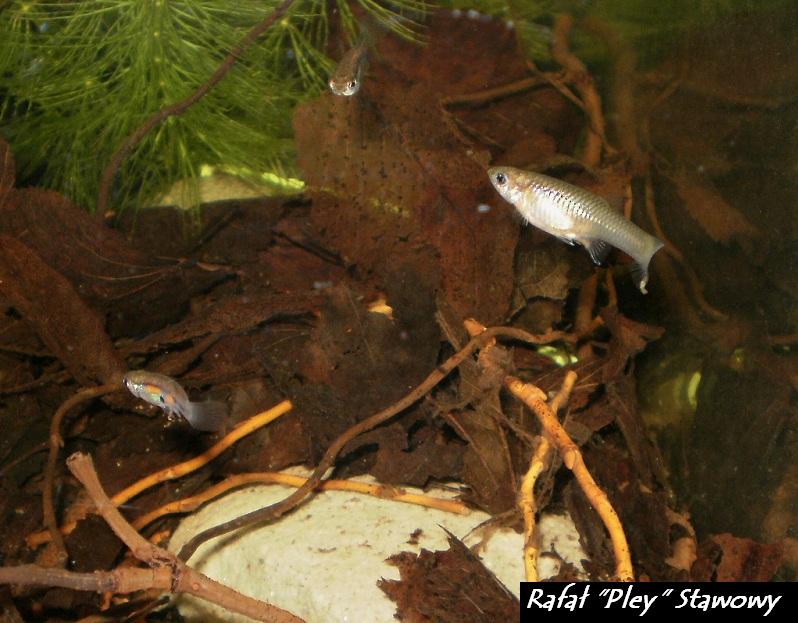
从高地溪流到浑浊沼泽、水沟均可出现,部分种群进入半咸水;藻类、岸边植物或水草繁茂的水域尤其适合。
饲养环境
缸长至少约 45 cm,水草与浮水遮蔽有帮助,避免强水流。长期饲养需中等以上硬度,不能把暂时在软酸水中存活当作长期适宜。
食性与喂食
野生鱼主要食昆虫。人工繁殖品系通常接受多数常见鱼食,食谱选择较灵活。
习性与混养
适合安静、性情温和且水质需求一致的混养缸。避免咬鳍鱼,尤其长鳍品系容易受损。可考虑其他适合的卵胎生鱼、小型鲤科鱼及温和小型鲶鱼等。
雌雄区分
雄鱼通常更鲜艳、鳍更延长,臀鳍形成棒状交接器。雌鱼更大、更丰满,野生型颜色较淡;部分人工品系的雌鱼尾鳍也可十分鲜艳。
繁殖
每雄配数条雌鱼,可分散雄鱼持续追逐的压力。密植同种缸加浮水植物有助保苗。孕鱼腹部后方可出现明显深色孕斑,妊娠约 4~6 周,每胎约 5~100 条。
雌鱼能储存精子,即使离开雄鱼,也可能继续产仔 6 个月或更久。因此,只挑选成年的单性鱼并不一定能立刻排除已有孕鱼生产。成鱼会吃幼鱼,需要高存活率时应把亲鱼与新生鱼分开;若不希望持续繁殖,应在组群时考虑性别及既往交配情况。
补充说明
商业品系的长鳍和艳色来自人工选育,野生外形的鱼较少见。选购时优先考虑体况与繁殖来源,近交及过度量产可带来易病和早死问题。它曾被用于控蚊引入多地,这并不意味着适合随意放流。
图片
图片来自 SeriouslyFish,版权归各摄影者所有。
English
Overview
Ornamental strains make Poecilia reticulata familiar through bright colors and extended fins. It is peaceful and prolific, but the resilience of wild guppies should not be assumed for every shop-bought strain: inbreeding and mass production have weakened some stocks.
Distribution & habitat
Native populations occupy northeastern South America and the southern Caribbean, including Venezuela, the Guianas, Trinidad and Tobago, Barbados, Antigua and Barbuda, and the Netherlands Antilles. Introduced or feral populations occur in roughly 50 additional countries. Most aquarium fish are commercially bred.
Habitats range from upland streams to muddy swamps and ditches, with some brackish populations. Rich algal growth and abundant marginal or aquatic vegetation are particularly favorable.
Aquarium setup
Provide a tank at least about 45 cm long, ideally planted with some floating cover. Avoid powerful currents. Long-term care calls for moderately hard or harder water; temporary survival in soft or acidic conditions does not make those conditions suitable for continued maintenance.
Diet & feeding
Wild guppies primarily consume insects. Domestic strains readily accept most aquarium foods and are generally straightforward to feed.
Behaviour & compatibility
Choose a quiet community of peaceful fishes with matching water requirements. Fin nippers are unsuitable, especially with long-finned strains. Appropriate small cyprinids, livebearers, and peaceful catfishes can be considered.
Sexual dimorphism
Males tend to be more colorful with extended fins and a rod-like anal-fin gonopodium. Females are larger and fuller. Wild females are comparatively subdued, although some domestic strains have strongly colored tails.
Breeding
Several females per male reduce concentrated courtship pressure. Thick planting and floating vegetation improve fry survival. A dark pregnancy mark may become evident near the rear of the abdomen. Gestation lasts about four to six weeks, and broods range from approximately 5 to 100 young.
Stored sperm allows a female to continue producing offspring for six months or longer after separation from males. Selecting one sex therefore does not immediately prevent births from previously mated females. Adults eat young; separating them after delivery improves survival. Plan stocking with both sex and previous mating history in mind when avoiding ongoing reproduction.
Notes
Elaborate fins and coloration are products of selection, and wild-form fish are less frequently available. Stock quality and breeder provenance matter because some commercial lines are disease-prone and short-lived. Historical use in mosquito control is not a reason to release aquarium fish.
来源
- https://www.seriouslyfish.com/species/poecilia-reticulata(抓取于 2026-10-10)
poecilia-reticulata · 文件: data/species/poecilia-reticulata.md · 状态: 草稿