帆鳍摩利鱼 · Sailfin Molly
概要
| 字段 | 值 |
|---|---|
| 类别 | 鱼 |
| 学名 | Poecilia latipinna |
| 别名 | 帆鳍花鮰、茉莉花鮰、帆鰭摩利魚、帆鰭花鮰、Mollienesia latipinna |
| 分类 | 鳉形目 Cyprinodontiformes › 花鳉科 Poeciliidae › Poecilia |
| 水体 | 淡水 |
| 成体体长 | 12.5 cm |
| 饲养难度 | 入门 |
| 最小水体 | 87 L |
| 最小缸长 | 76 cm |
| 外部数据 | seriouslyfish poecilia-latipinna;fishbase 3226 |
| 原产地 | 美国南部、墨西哥 |
| 食性 | 草食 |
| 繁殖方式 | 卵胎生 |
水质参数
| 参数 | 耐受范围 | 最适范围 | 单位 |
|---|---|---|---|
| 水温 | 21–26 | — | °C |
| pH | 7–8.5 | — | — |
| 总硬度 | 15–35 | — | dGH |
概述
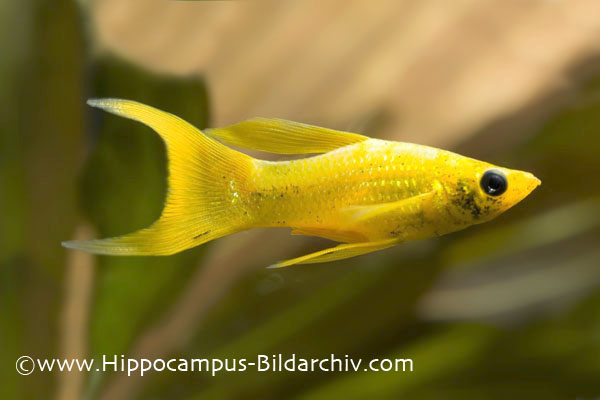
帆鳍摩利鱼(Poecilia latipinna)的雄鱼具有高大帆状背鳍,贸易中多为人工选育和繁殖个体。养好它的关键是足够的硬度、适宜酸碱度及植物性食物;加盐不能代替钙、镁等矿物质。
分布与栖息地
原生范围从美国卡罗来纳地区延至墨西哥韦拉克鲁斯。肯尼亚、新西兰等地存在引入种群。市场个体大多来自远东与东欧繁殖场,野生鱼较少见。
常栖息于水草繁密的沿海溪流、池塘、沼泽、运河与水沟,尤其与藻类及植物浮游生物丰富的半咸水环境有关。
饲养环境
缸长至少约 76 cm,密植同时保留开放游泳区。柔软叶片可能被啃坏,可允许适量绿藻生长,作为额外食物。
水应有中等以上硬度,避免偏酸。长期处于软酸水中容易衰弱,并出现摇摆、夹鳍或霉菌问题等表现。淡水条件合适时无需加盐,真正关键的是硬度所对应的矿物质供应。
食性与喂食
野生鱼几乎以藻类和其他植物性材料为食。人工繁殖品系通常接受多种饵料,但仍需焯软菠菜、植物性薄片等,植物成分不足可能影响雄鱼背鳍发育。
习性与混养
可进入合适的硬水混养缸,随着长大可能欺负较小鱼。雄鱼之间也可能争斗,繁殖期间尤为明显。其他适应同样水质的卵胎生鱼及部分鲶鱼可作为候选。
雌雄区分
雄鱼具有交接器及高大、延长的帆状背鳍。
繁殖
建议每雄配两条雌鱼,减轻持续追逐。妊娠约 2 个月,每胎可达约 50 条,新生鱼较大,可吃丰年虾无节幼体、微虫和粉碎薄片。
密植可减少捕食,但更便于保苗的方式是将孕鱼移至独立缸,产后移回。野生型比家养品系少吃后代,并不代表所有个体都会保护鱼苗。
补充说明
与近缘摩利鱼容易杂交,想保持品系应每缸只养一种。背鳍有深色矩形斑可帮助区别于帆鳍花鮰(Poecilia velifera)的浅色圆点。
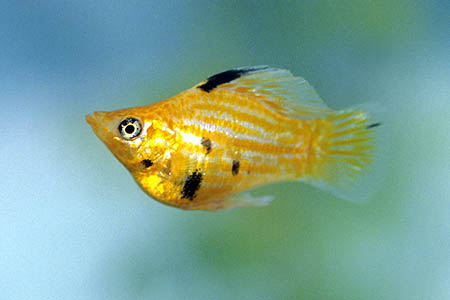
气球体型是选育形成的短圆身体,可能带来鳔及消化问题,并缩短寿命。多地引入种群会排挤原生鱼,不能将其释放到自然水域。
图片
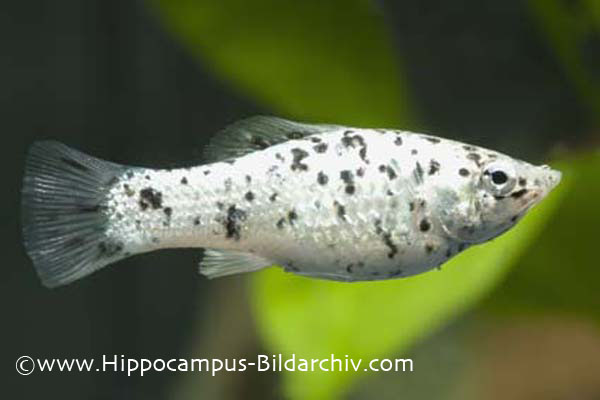
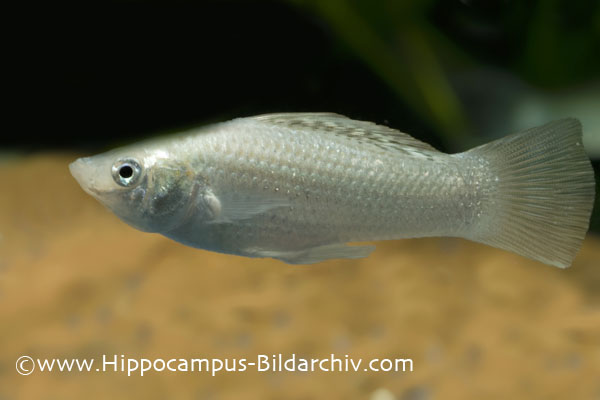
图片来自 SeriouslyFish,版权归各摄影者所有。
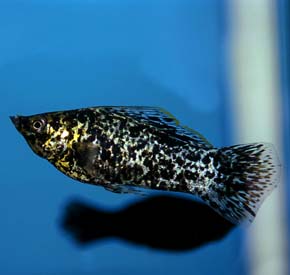
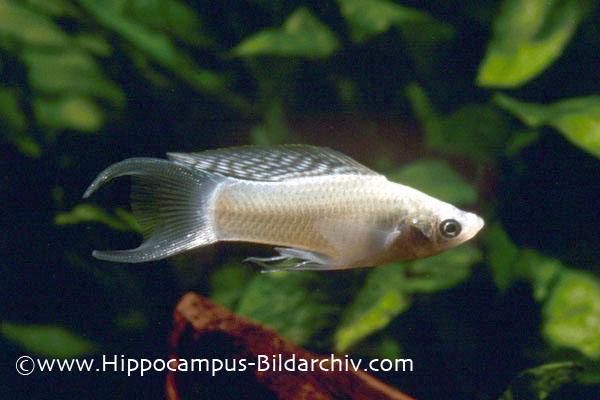
English
Overview
The male sail-like dorsal fin is the signature of Poecilia latipinna. Most aquarium fish are farmed ornamental forms. Adequate hardness, suitable pH, and plant-rich feeding underpin their care; salt cannot substitute for calcium and magnesium.
Distribution & habitat
The native range extends from the Carolinas in the southern United States to Veracruz, Mexico. Introduced populations occur widely, including Kenya and New Zealand. Far Eastern and Eastern European farms supply most aquarium stock, with wild fish uncommon in trade.
Vegetated coastal streams, ponds, swamps, canals, and ditches provide habitat. Brackish areas rich in algae and phytoplankton are particularly associated with it.
Aquarium setup
Use a tank at least about 76 cm long, combining plants with open swimming space. Soft foliage may be eaten; some green algal growth provides useful supplementary grazing.
Moderately hard or harder water is important. Soft, acidic conditions can lead to rapid deterioration, sometimes seen as shivering movements, clamped fins, or fungal problems. Salt is unnecessary when freshwater chemistry is appropriate, because the crucial minerals are those responsible for hardness.
Diet & feeding
Wild fish feed almost entirely on algae and other plant material. Domestic forms accept a broader menu, but still require foods such as softened spinach or vegetable flakes. Insufficient plant food may hinder development of the male dorsal fin.
Behaviour & compatibility
Suitable hard-water communities are possible, although growing fish may bully smaller companions. Male rivalry can become pronounced during breeding. Other compatible livebearers and some catfishes are potential companions.
Sexual dimorphism
Males carry a gonopodium and a large, extended dorsal fin.
Breeding
Two females per male help distribute persistent courtship. Pregnancy lasts about two months and can produce around 50 young. The relatively large fry immediately accept Artemia nauplii, microworms, and crushed flakes.
Dense planting reduces losses, but a separate maternity aquarium offers better control. Return the female after birth. Wild-type fish are less prone to eating young than domestic forms, which does not guarantee fry safety.
Notes
Hybridization with other mollies is easy, so keep only one species per aquarium when maintaining distinct stock. Dark rectangular dorsal-fin markings help separate it from Poecilia velifera, whose markings are paler and rounded.
Balloon forms have a shortened, rounded body that can bring swimming-bladder and digestive problems and may reduce longevity. Introduced populations can displace native fishes and should not be released.
来源
- https://www.seriouslyfish.com/species/poecilia-latipinna(抓取于 2026-10-10)
poecilia-latipinna · 文件: data/species/poecilia-latipinna.md · 状态: 草稿