平口油鲶 · Pictus Cat
概要
| 字段 | 值 |
|---|---|
| 类别 | 鱼 |
| 学名 | Pimelodus pictus |
| 别名 | 平口油鯰 |
| 分类 | 鲶形目 Siluriformes › 长须鲶科 Pimelodidae › Pimelodus |
| 水体 | 淡水 |
| 成体体长 | 12 cm |
| 饲养难度 | 中等 |
| 最小水体 | 243 L |
| 最小缸长 | 120 cm |
| 群居方式 | 群游 |
| 特征 | 吃小鱼: 是;无鳞/细鳞: 是 |
| 外部数据 | seriouslyfish pimelodus-pictus;fishbase 13115 |
| 原产地 | 哥伦比亚、委内瑞拉、秘鲁、巴西 |
| 食性 | 肉食 |
| 性情 | 温和 |
水质参数
| 参数 | 耐受范围 | 最适范围 | 单位 |
|---|---|---|---|
| 水温 | 22–25 | — | °C |
| pH | 5.8–6.8 | — | — |
| 总硬度 | 1–15 | — | dGH |
概述
平口油鲶(Pimelodus pictus)体形在同属中较小,但仍是会吞小鱼的捕食者,不能把它当作小型群游鱼缸里的普通清底鱼。它活跃、喜同伴,弱光和充足游动空间比狭小藏洞更重要。
分布与栖息地
原生于哥伦比亚、委内瑞拉、秘鲁及巴西的奥里诺科与亚马孙流域,主要生活在砂泥底的浅流水中,包括大河主道及支流。
饲养环境
至少参考 120 × 45 × 45 厘米,细砂底配根枝、圆石和少量躲藏处,保留大片活动空间。耐阴植物可固定于硬景上,照明柔和;采用强效过滤和一定水流,每周部分换水,避免水质恶化引起须损伤。
食性与喂食
天然以水生无脊椎动物为主,人工通常接受红虫、水蚯蚓、小蚯蚓和下沉干粮。新到鱼可先在夜间喂,群体闻食会迅速兴奋。成鱼每隔几天一餐即可,容易贪食到腹部过度鼓胀,要控制分量。
习性与混养
足够大的伙伴通常能和平共处,但红绿灯、孔雀鱼等小鱼可能被吃掉。慢游鱼也可能受长须和夜间、喂食时的活动干扰,强健活跃的伙伴更合适。建议六尾以上,单尾常白天躲藏而减少可见活动。
雌雄区分
成年雌鱼可能较粗壮,但分性线索尚未确认。
补充说明
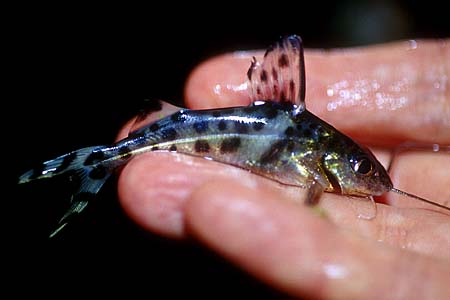
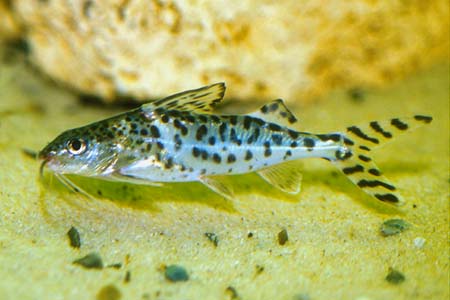
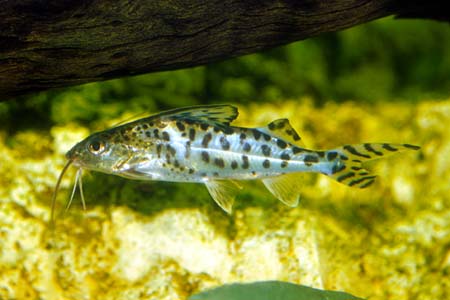
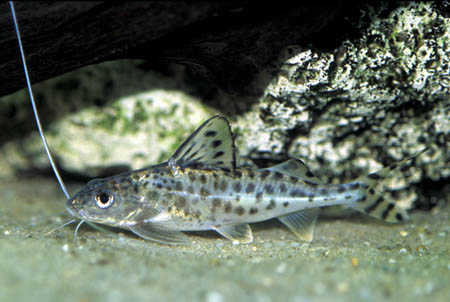
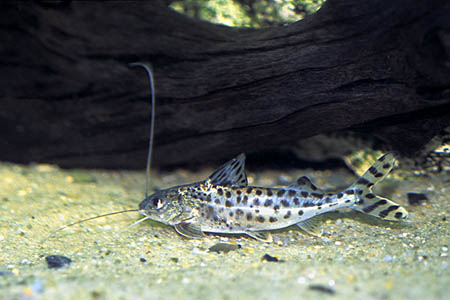
哥伦比亚型体表细暗点较密,秘鲁型身体斑点更大、头部仍为小点。新到鱼要留意消瘦和缺氧后的虚弱;无鳞皮肤对部分药物敏感,使用前核对适用性。硬鳍刺易缠网且能刺痛人,转移可用合适容器,避免徒手抓取。
图片
图片来自 SeriouslyFish,版权归各摄影者所有。
用药风险
按有效成分禁忌与本物种特征自动判断;物种特征未知时不会命中,不代表安全。
English
Overview
Relatively small within its genus, Pimelodus pictus is still a predator rather than a harmless cleanup fish for tiny communities. It is energetic and social. Subdued lighting, companions, and generous swimming space encourage more natural activity.
Distribution & habitat
Native to the Orinoco and Amazon systems in Colombia, Venezuela, Peru, and Brazil, it usually occupies shallow flowing water over sand or mud in main channels and tributaries.
Aquarium setup
At least the suggested 120 by 45 by 45 cm is needed for its activity. Fine sand, wood, rounded stones, and a few shelters should leave much of the tank open. Attach hardy shade-tolerant plants to decor if desired. Effective filtration, circulation, and weekly partial changes protect water quality and barbels.
Diet & feeding
Aquatic invertebrates dominate wild feeding. Small live or frozen prey and sinking prepared foods are readily accepted. Initially offer food after dark if needed. Groups can rush meals enthusiastically, but adults require feeding only every few days; unchecked gorging can produce extreme abdominal swelling.
Behaviour & compatibility
Companions too large to swallow can coexist peacefully, but small community fish remain prey. Slow fish may be disturbed by long barbels and energetic feeding or night activity. Robust active companions are preferable. Six or more are recommended; solitary fish tend to hide through daylight.
Sexual dimorphism
Greater female bulk is a possible but unconfirmed sexing clue.
Notes
Colombian fish have numerous tiny dark spots, while Peruvian fish show larger body spots with smaller head markings. Check imports for emaciation and oxygen stress. Scaleless skin warrants caution with medication selection. Rigid fin spines can snag nets and puncture skin, so a suitable container is preferable for transfer.
来源
- https://www.seriouslyfish.com/species/pimelodus-pictus(抓取于 2026-10-10)
pimelodus-pictus · 文件: data/species/pimelodus-pictus.md · 状态: 草稿