Physoschistura mango · Rosy Loach
概要
| 字段 | 值 |
|---|---|
| 类别 | 鱼 |
| 学名 | Physoschistura mango |
| 别名 | Petruichthys sp. 'rosy' |
| 分类 | 鲤形目 Cypriniformes › 条鳅科 Nemacheilidae › Physoschistura |
| 水体 | 淡水 |
| 原产地 | 缅甸东部掸邦霍蓬附近水域 |
| 成体体长 | 3 cm |
| 饲养难度 | 中等 |
| 最小水体 | 54 L |
| 最小缸长 | 60 cm |
| 群居方式 | 群游 |
| 性情 | 温和 |
| 外部数据 | seriouslyfish physoschistura-mango;fishbase 71132 |
| 游动层 | 中层 |
| 繁殖方式 | 散卵 |
水质参数
| 参数 | 耐受范围 | 最适范围 | 单位 |
|---|---|---|---|
| 水温 | 20–26 | — | °C |
| pH | 6.5–8 | — | — |
| 总硬度 | 5–15 | — | dGH |
概述
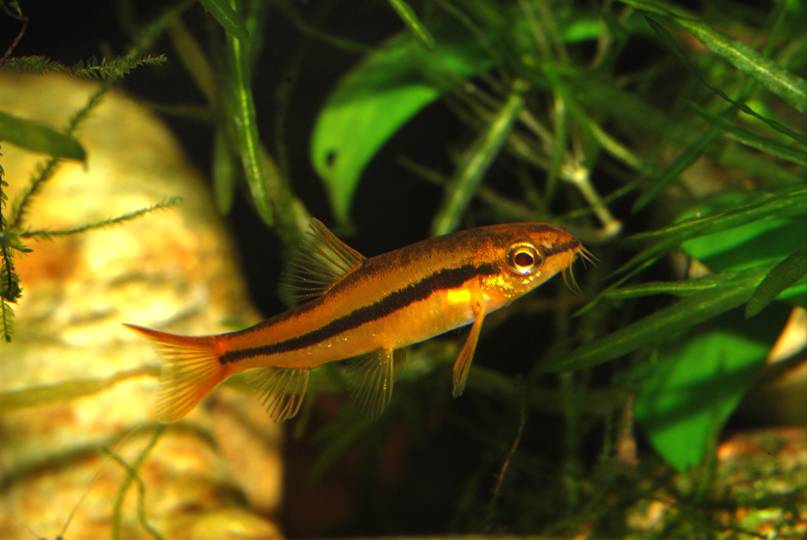
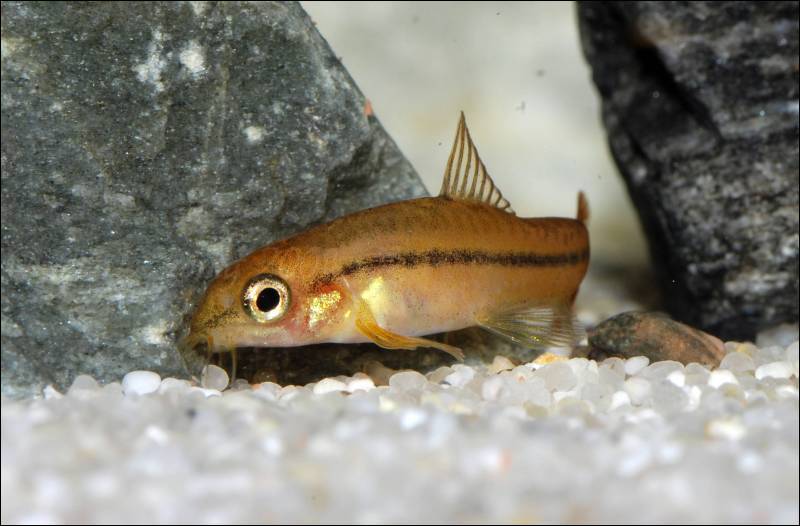
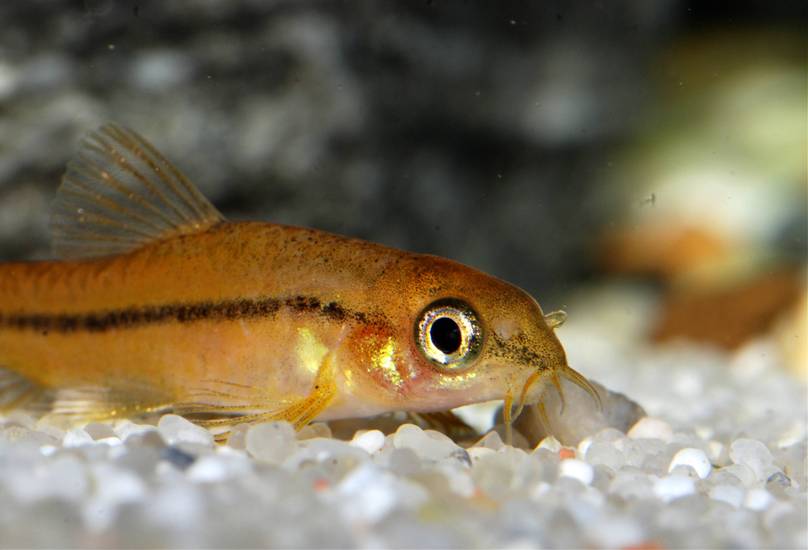
Physoschistura mango 是活跃、强烈群居的微型鳅,雄鱼橙色、雌鱼较大且多暗斑。它常在中层悬游并探索不同水层,不是只躲在底部的鱼;体型小也仍需足够群体和活动面积。
分布与栖息地
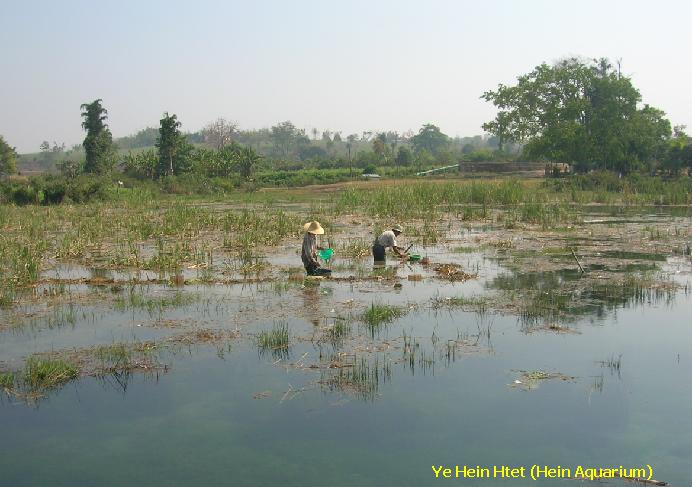
目前只记录于缅甸东部掸邦霍蓬一带,与银河斑马(Danio margaritatus)共域采集。当地有浅而清澈的草地湿地、水草密集,部分环境由泉水拦蓄形成。共域鱼在更远地区的分布,不能自动当成本种也已覆盖的范围。
饲养环境
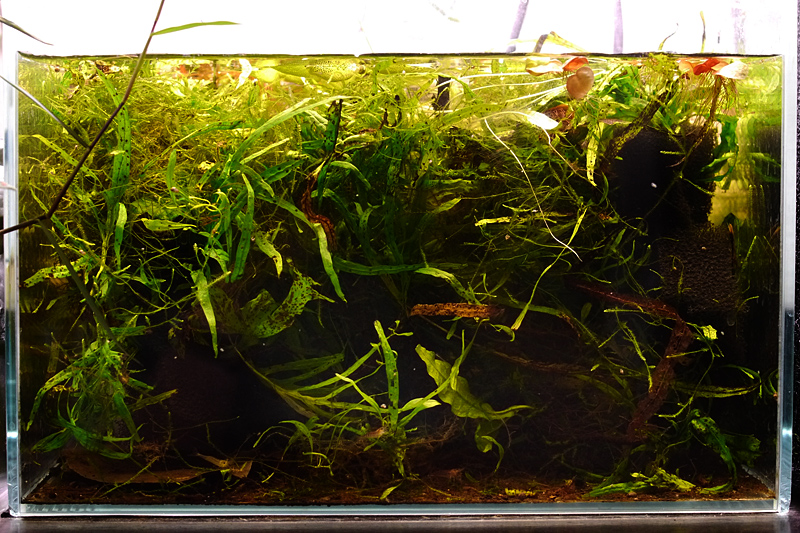
密植水草、浮水植物和沉木根枝适合它,落叶可增加遮蔽;若希望幼鱼在成鱼缸中存活,可增加细叶莫丝。水需充分增氧但不宜湍急,适度流动即可。
不能进入过滤尚未成熟的新缸,对水质波动较敏感,应规律少量换水维持稳定。
食性与喂食
天然可能摄食微小昆虫、蠕虫及甲壳动物。缸中饵料必须细小,优先搭配小水蚤、丰年虾无节幼体、微虫等,细碎浮性干粮也可接受,其中可含植物或藻类成分。
新到鱼常较瘦,适应期可在没有抢食伙伴的环境每天多次少量喂食,先确保体况恢复。
习性与混养
至少八至十尾,更多同种通常更利于安定。性情和平且不算胆小,但大鱼、过于活跃的鱼会使它受压或抢不到食物。伙伴应是微型温和鱼和适合相同条件的小型底栖鱼,不能因为它敢出来活动就忽略体型差距。
雌雄区分
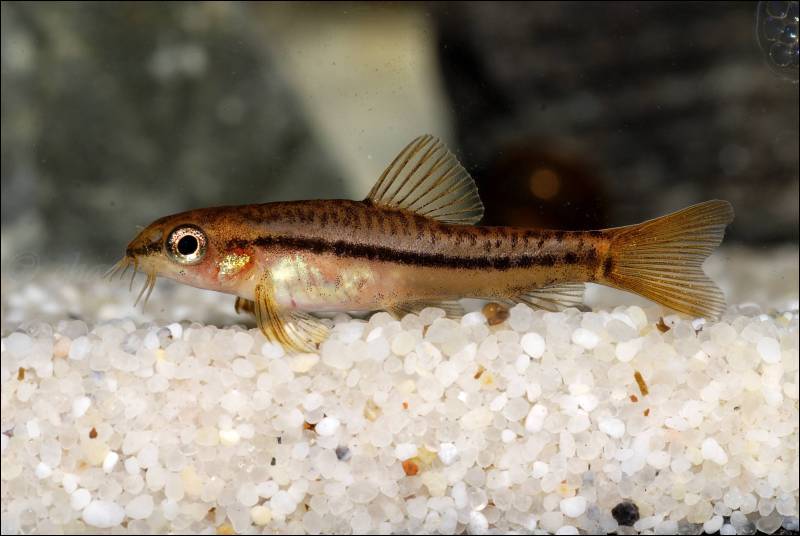
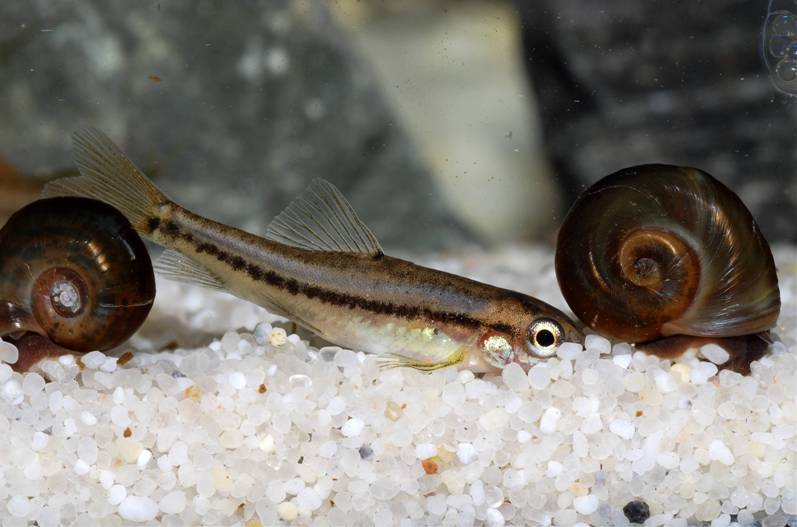
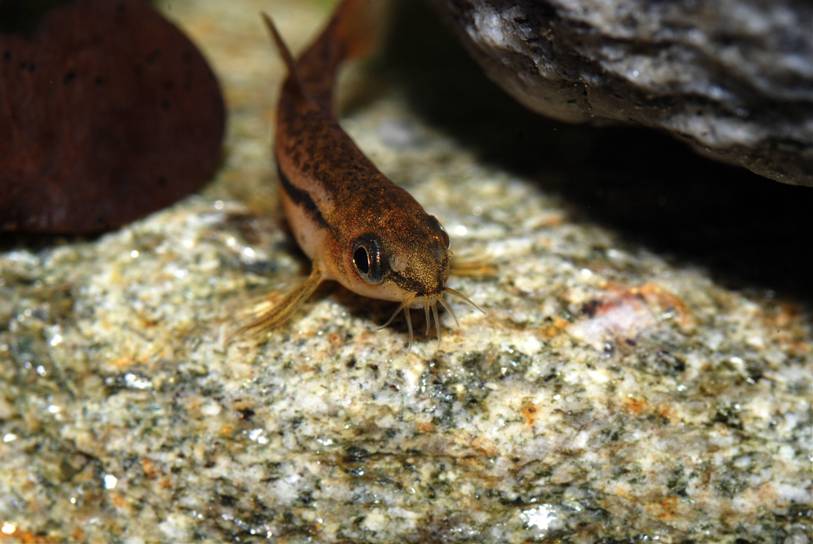
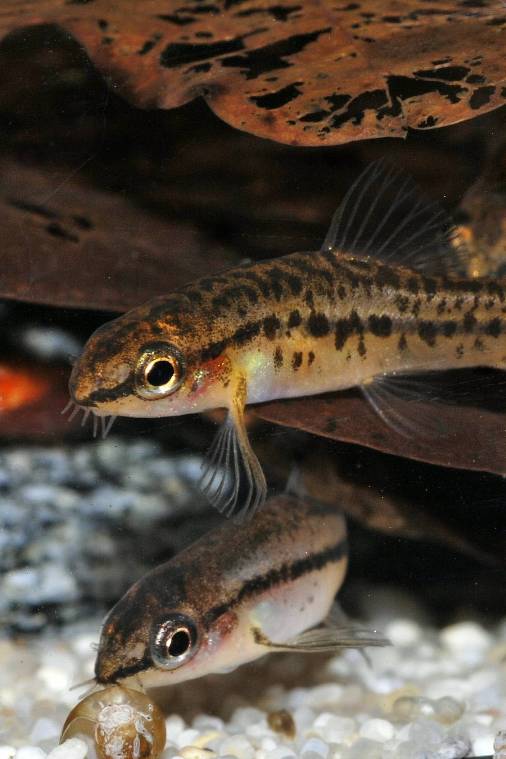
雌鱼更大、腹部更圆,底色偏褐,身体有不规则暗点和小斑,侧线状暗纹可能断开。雄鱼更小瘦、底色浅橙,繁殖时后半身尤其鲜明;暗点若有多在背部,侧面暗线通常连续。
繁殖
散卵且不照料后代,贸易中常只挑鲜艳雄鱼,配对前必须确认雌鱼存在。状态好时可频繁产卵,成熟密植缸中可能自然出现少量鱼苗。专缸可放成熟水、大量细叶植物和轻柔海绵过滤,调理后放一对或少量雌雄;亲鱼越多,卵被吃的机会也越多。
雄鱼先接触雌鱼泄殖孔附近,接受求偶的雌鱼随后被追逐,双方停下时每次放出少量卵。卵落到植物或底部,过一会儿黏附,发现卵后应移走成鱼。鱼苗起游后先吃草履虫或极细幼鱼饲料,再转丰年虾无节幼体和微虫。
图片
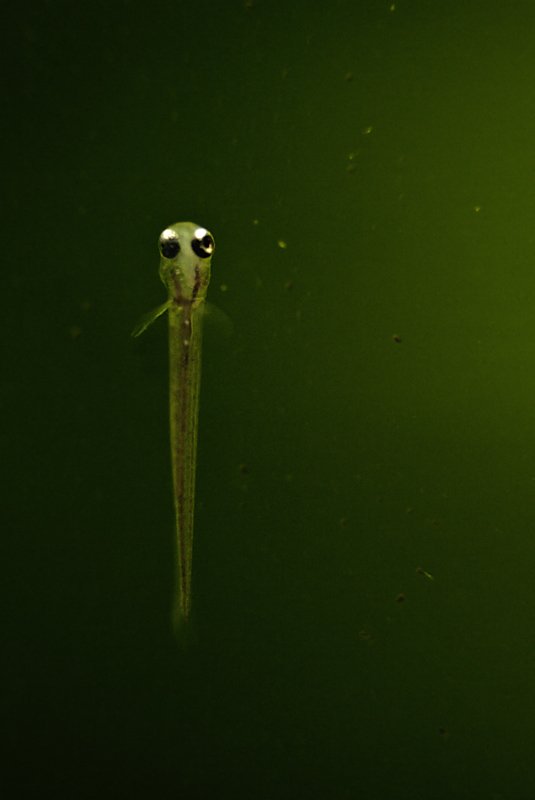
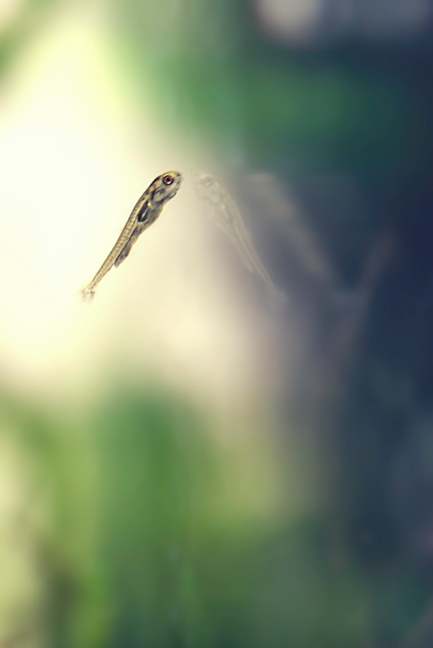
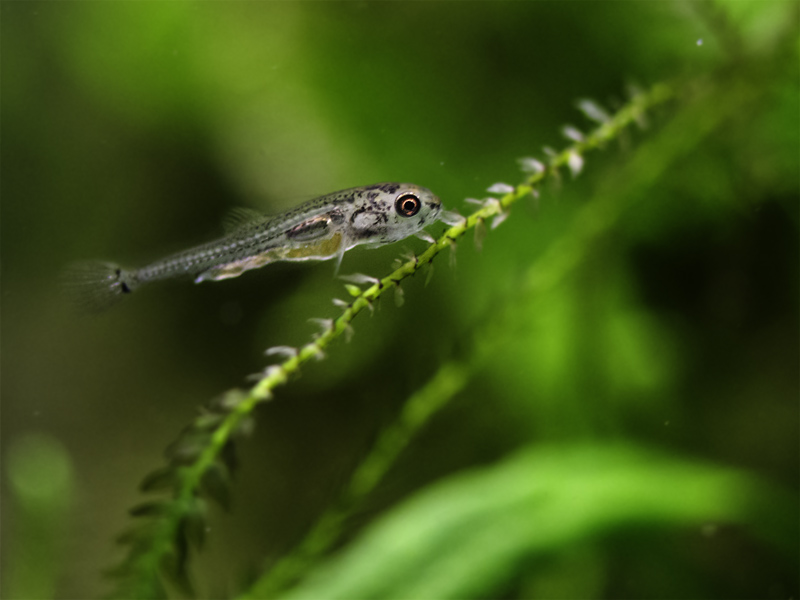
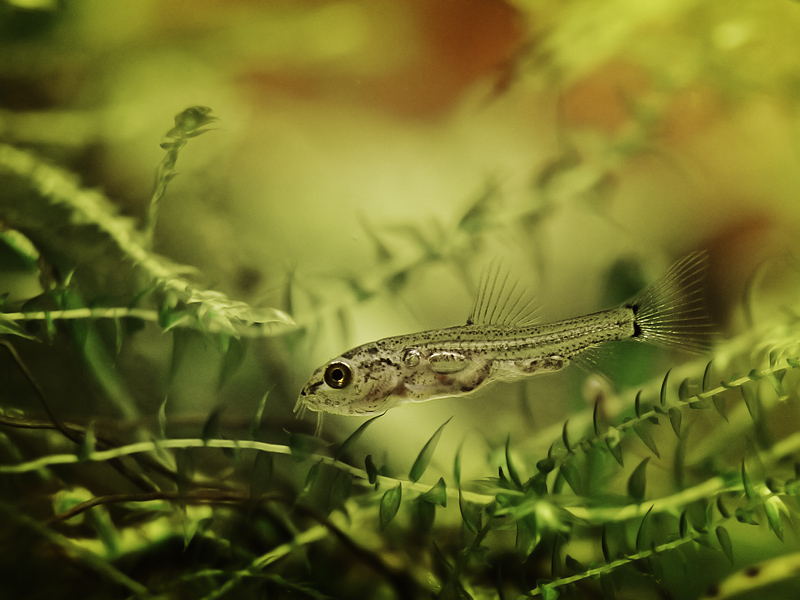
图片来自 SeriouslyFish,版权归各摄影者所有。
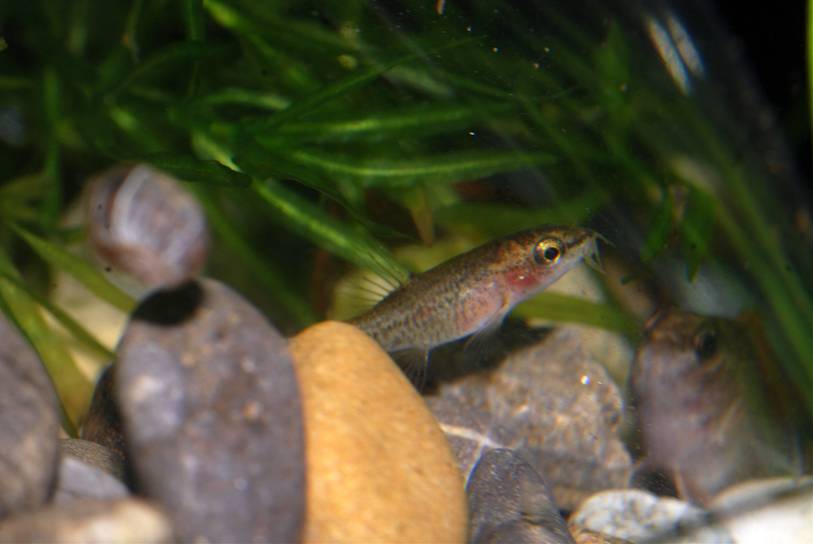
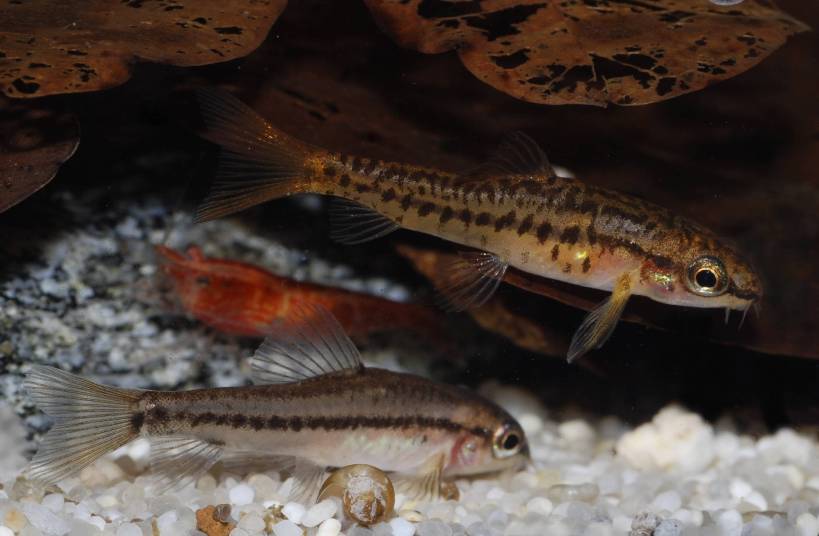
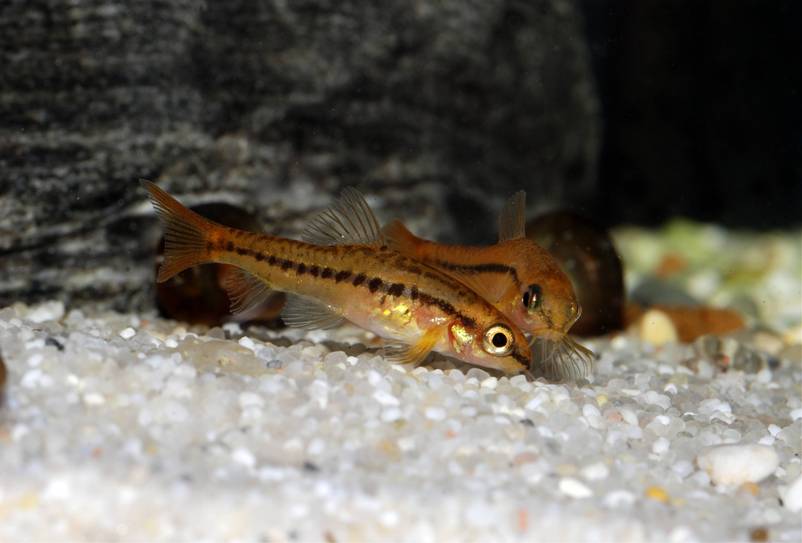
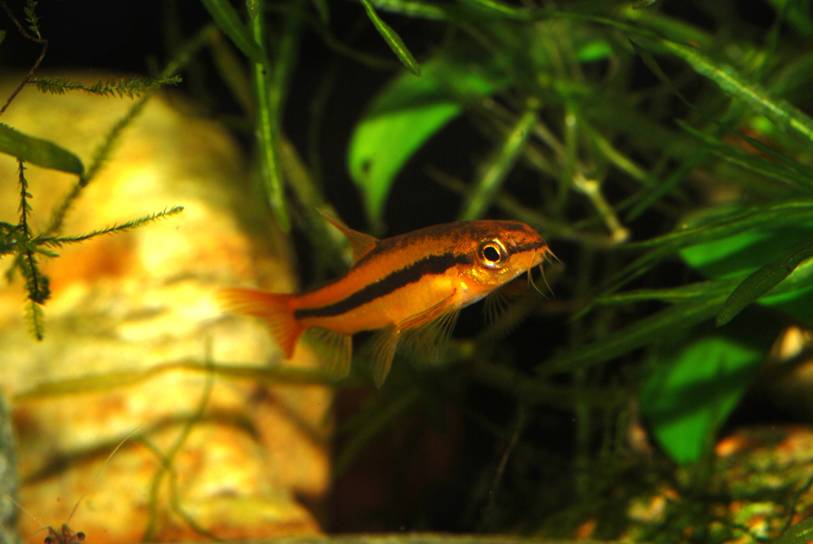
English
Overview
Active and strongly social, Physoschistura mango has orange males and larger, more heavily marked females. It often hovers in midwater and explores the aquarium, rather than remaining hidden on the bottom. Small size does not remove its need for a substantial group and swimming space.
Distribution & habitat
Records remain limited to waters around Hopong in eastern Myanmar’s Shan State. Shared collection habitat includes shallow clear wetlands amid grassland with dense aquatic plants, sometimes formed by impounded spring water. The broader range of a co-collected fish does not establish a matching distribution for this loach.
Aquarium setup
Dense planting, floating cover, wood, and roots suit the fish, with leaves as additional shelter. Fine aquatic moss helps protect fry if adults remain present. Maintain good oxygenation without turbulence; modest flow is acceptable.
Use a biologically mature aquarium and regular partial water changes because water-chemistry fluctuations can be poorly tolerated.
Diet & feeding
Tiny insects, worms, and crustaceans are probable natural prey. Food must be small: use tiny water fleas, Artemia nauplii, microworms, and suitably fine prepared products, including some plant or algal ingredients.
New imports are often underweight. Several small daily meals without competitors may be needed during acclimation to restore condition.
Behaviour & compatibility
Keep at least eight to ten, ideally more. It is peaceful and relatively bold, yet larger or boisterous companions can intimidate it and dominate food. Choose very small gentle fishes and compatible small bottom dwellers rather than treating confidence as protection against size differences.
Sexual dimorphism
Females are larger and rounder, with brownish ground color, irregular spots, and a lateral stripe that may break into blotches. Smaller, slimmer males are pale orange, becoming brighter in breeding condition, especially behind. Their dark spots are mainly dorsal and the flank stripe is usually continuous.
Breeding
It scatters eggs without parental care. Exporters often select colorful males, so confirm females are present before planning a breeding group. Well-conditioned fish spawn regularly, and some fry can survive in a mature planted aquarium. A separate setup with aged water, abundant fine plants, and gentle sponge filtration improves control; more adults also mean greater egg-predation risk.
The male first mouths around the female’s vent. A receptive female is pursued before the pair pause and release a few eggs at a time. Eggs settle among plants or on the bottom and become adhesive after a short interval. Remove adults when eggs appear. Free-swimming fry need Paramecium or very fine fry food before Artemia nauplii and microworms.
来源
- https://www.seriouslyfish.com/species/physoschistura-mango(抓取于 2026-10-10)
physoschistura-mango · 文件: data/species/physoschistura-mango.md · 状态: 草稿