招财猫鱼 · Red-tail Catfish
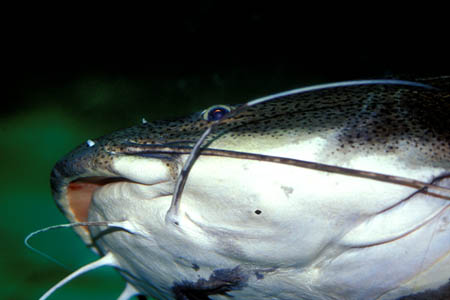
概要
| 字段 | 值 |
|---|---|
| 类别 | 鱼 |
| 学名 | Phractocephalus hemioliopterus |
| 别名 | 双色护头鲿、雙色護頭鱨、紅尾護頭鱨、红尾护头鲿 |
| 分类 | 鲶形目 Siluriformes › 长须鲶科 Pimelodidae › Phractocephalus |
| 水体 | 淡水 |
| 成体体长 | 134 cm |
| 饲养难度 | 中等 |
| 性情 | 温和 |
| 外部数据 | seriouslyfish phractocephalus-hemioliopterus;fishbase 6421 |
| 原产地 | 哥伦比亚、委内瑞拉、圭亚那、厄瓜多尔、秘鲁、玻利维亚、巴西 |
| 食性 | 杂食 |
| 特征 | 吃小鱼: 是 |
| 领地性 | 是 |
水质参数
| 参数 | 耐受范围 | 最适范围 | 单位 |
|---|---|---|---|
| 水温 | 21–26 | — | °C |
| pH | 6–7.5 | — | — |
| 总硬度 | 2–12 | — | dGH |
概述
招财猫鱼(Phractocephalus hemioliopterus)也常以红尾大型鲶形象出现,幼鱼容易买到,成年设施却远非普通家庭缸可比。若没有终身安置能力,不应把“以后换缸、送水族馆”视为可靠方案。
分布与栖息地
原生于南美洲亚马孙和奥里诺科流域,涉及哥伦比亚、委内瑞拉、圭亚那、厄瓜多尔、秘鲁、玻利维亚及巴西。栖息范围从急流到淹水森林,环境类型很广。
饲养环境
成体空间可参考 360 × 240 × 120 厘米,即使如此也只能作为最低起点。柔和灯光下成鱼可用简洁布置,沉木和光滑大石必须固定稳妥,留足游动区;幼鱼可利用根枝、洞穴或合口径管道。
普通砾石可能被吞或卡鳃,砂会被搬动,大型光滑卵石或裸底更便于清洁。需要巨大且高效的生物过滤,底滤可把玻璃加热棒、温度计等移到主缸外,避免成鱼撞坏。
食性与喂食
天然机会性取食鱼、无脊椎动物和落果。人工可提供虾、贝肉、蚯蚓和适口鱼肉等多样食物,避免长期只认一种。幼鱼隔日喂,随着长大降低频率,成鱼每周最多一餐;过量喂食容易肥胖。避免牛心、禽肉等陆生动物肉,也不宜用活饵鱼引入病原。
习性与混养
对大到无法吞下的相近体形伙伴可较温和,但很多通常被称作“大鱼”的种类仍会成为猎物。对同种及其他大型同科鲶有领地性,除非空间极大,否则只养一尾此类鱼。
补充说明
成鱼转养困难,公共水族馆未必还能接收。放入野外既可能无法存活,也可能在适宜地区建立外来种群,不能作为养不下后的处理方法。
图片
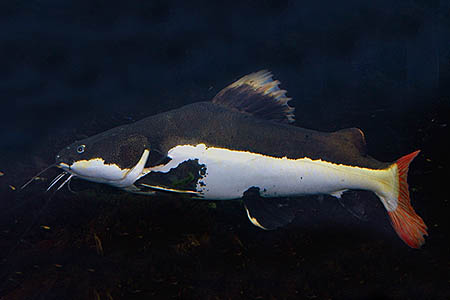
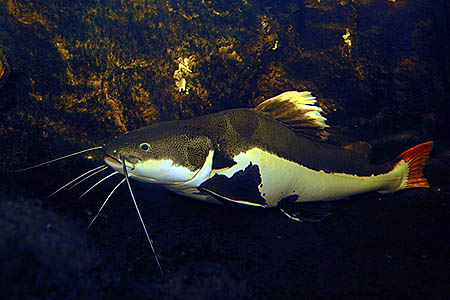
图片来自 SeriouslyFish,版权归各摄影者所有。
English
Overview
Readily sold as a small red-tailed juvenile, Phractocephalus hemioliopterus becomes an enormous catfish. Its lifelong accommodation is far beyond a routine home tank. Future upgrades or hoped-for public-aquarium donations are not dependable substitutes for existing facilities.
Distribution & habitat
Its native Amazon and Orinoco range includes Colombia, Venezuela, Guyana, Ecuador, Peru, Bolivia, and Brazil. Habitats are varied, extending from rapids to flooded forest.
Aquarium setup
An adult reference of 360 by 240 by 120 cm is still only a minimum starting point. With subdued lighting, decor can remain sparse; substantial wood and smooth stones must be secure, leaving ample room to swim. Juveniles benefit from shelter and appropriately sized pipes.
Typical gravel can be swallowed or caught in the gills. Sand moves easily, while large smooth pebbles or a bare floor are more practical. Enormous biological filtration is needed. A sump helps isolate fragile heaters and thermometers from a fish capable of breaking them.
Diet & feeding
Natural feeding is opportunistic and includes fish, invertebrates, and fallen fruit. Vary suitable shrimp, shellfish, earthworms, and fish pieces to prevent food fixation. Juveniles may be fed on alternate days, tapering toward no more than a weekly adult meal. Avoid obesity, mammalian or avian meats, and disease risks associated with feeder fish.
Behaviour & compatibility
It may be peaceful with similarly sized companions beyond swallowing size, yet many supposedly large aquarium fish remain vulnerable. Territoriality toward conspecifics and other large pimelodids generally calls for a single representative unless space is extraordinary.
Notes
Finding a new home for an adult is difficult, and public aquariums may be unable to accept it. Release can either kill the fish or establish an introduced population under favorable conditions, so it is not an acceptable housing plan.
来源
ID:phractocephalus-hemioliopterus · 文件: data/species/phractocephalus-hemioliopterus.md · 状态: 草稿