短身云南鳅 · Inle Loach
概要
| 字段 | 值 |
|---|---|
| 类别 | 鱼 |
| 学名 | Petruichthys brevis |
| 别名 | 短身雲南鰍、Nemachilus brevis、Eonemachilus brevis、Nemacheilus brevis、Noemacheilus brevis、Yunnanilus brevis |
| 分类 | 鲤形目 Cypriniformes › 条鳅科 Nemacheilidae › Petruichthys |
| 水体 | 淡水 |
| 原产地 | 缅甸 |
| 成体体长 | 6 cm |
| 饲养难度 | 入门 |
| 最小水体 | 81 L |
| 最小缸长 | 90 cm |
| 群居方式 | 群游 |
| 性情 | 温和 |
| 外部数据 | seriouslyfish petruichthys-brevis;fishbase 24542 |
| 游动层 | 中层 |
| 繁殖方式 | 产卵 |
水质参数
| 参数 | 耐受范围 | 最适范围 | 单位 |
|---|---|---|---|
| 水温 | 18–24 | — | °C |
| pH | 6–8 | — | — |
| 总硬度 | 3–15 | — | dGH |
概述
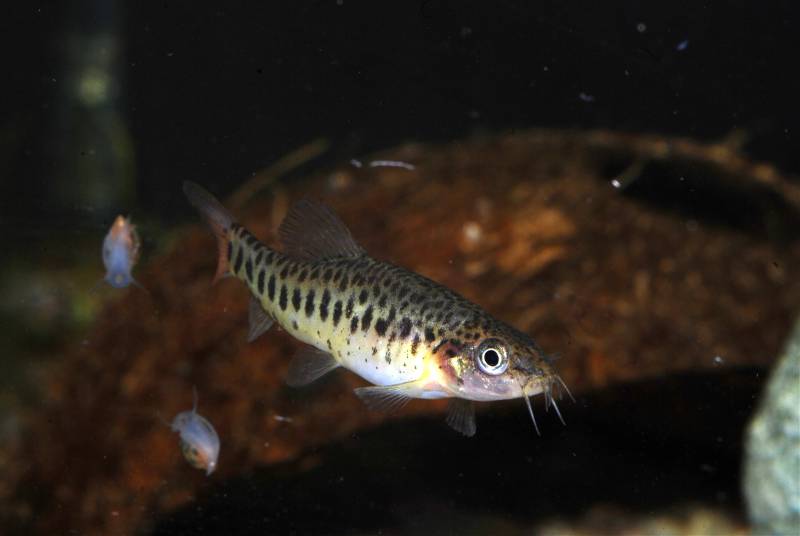
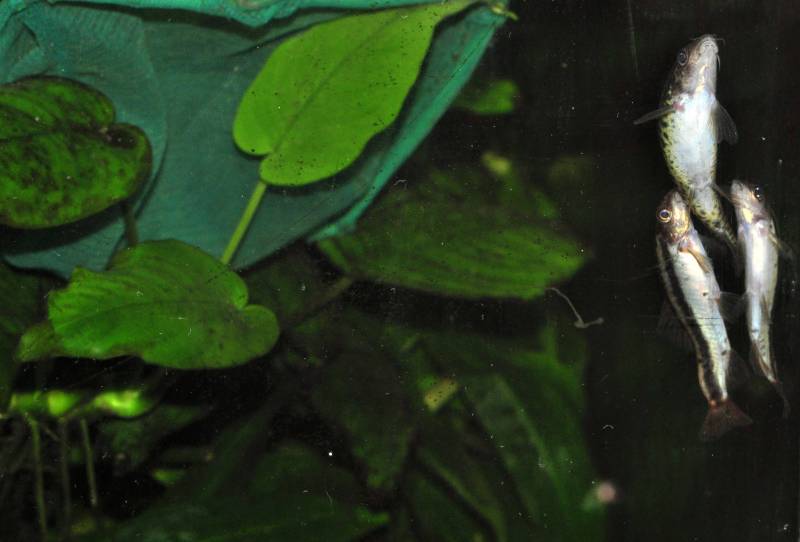
短身云南鳅(Petruichthys brevis)与许多贴底躲藏的鳅不同,常在开阔处悬停于中层,并探索鱼缸不同高度。它温和而高度群居,适合有水草和安静同伴的环境,至少八至十条更能展现自然状态。
分布与栖息地
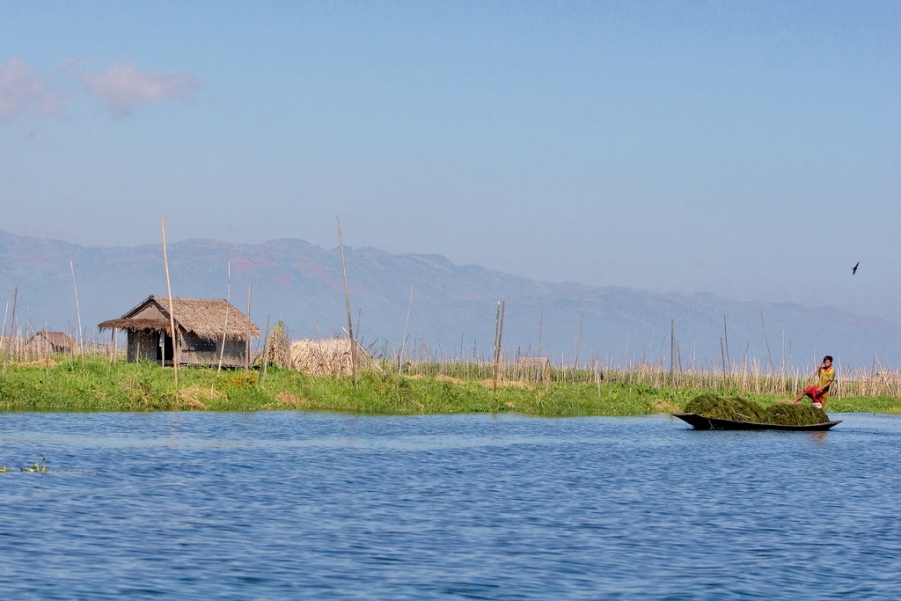
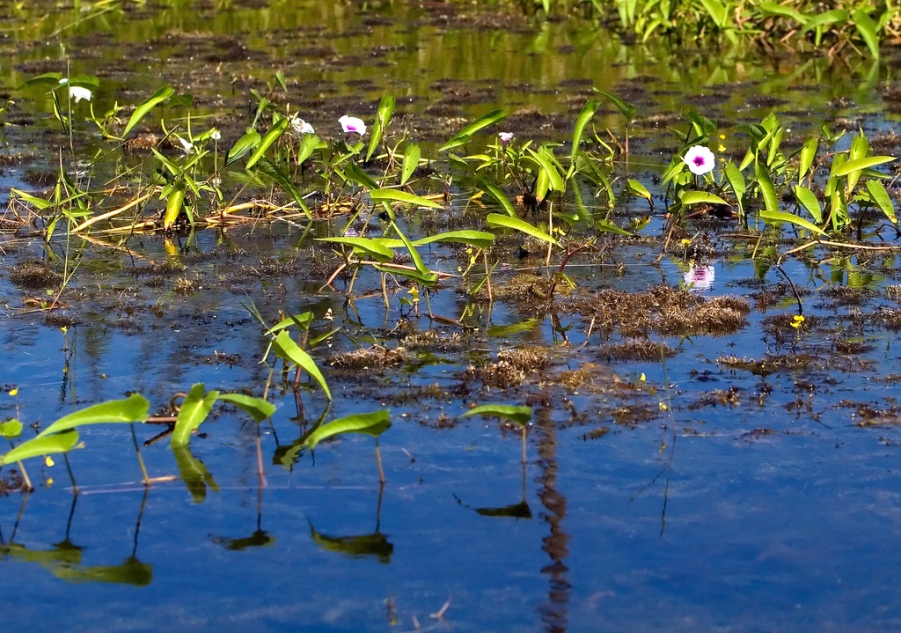
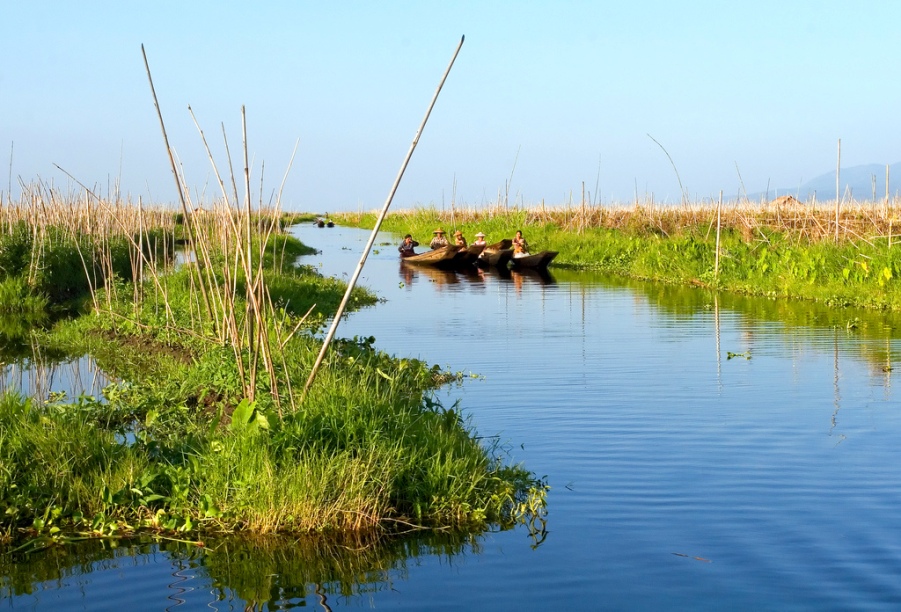
已知仅来自缅甸东部掸邦的茵莱湖及周边水系、附近黑河平原。湖泊位于高原岩溶谷地,水浅且多处清澈,沿岸局部则会浑浊。浮岛下方缠绕的根系和茎干、部分区域茂密的水草,为小鱼提供遮蔽。
饲养环境
优先采用水草缸,配浮水植物、沉木根枝和少量落叶。水中保持充足溶氧,但避免强烈翻涌,适度水流即可。若希望有幼鱼在成鱼缸里存活,可增加细叶莫丝和根系缝隙,同时仍为成鱼留出开阔活动区。
食性与喂食
野外可能摄食小昆虫、蠕虫、甲壳动物和其他浮游动物。缸中食物的大小和质量很重要,尤其应有足够小的活饵;细颗粒或压碎干饲料也能接受。
习性与混养
性情温和,容易被大鱼或强势争食者压制。大小相近的群游鱼可帮助它减轻胆怯,小型鲤科鱼、脂鲤及温和鳅、鲶类都是可考虑的对象。不要因为它会游到中层就省去同种群体,至少八至十条更适合。
雌雄区分
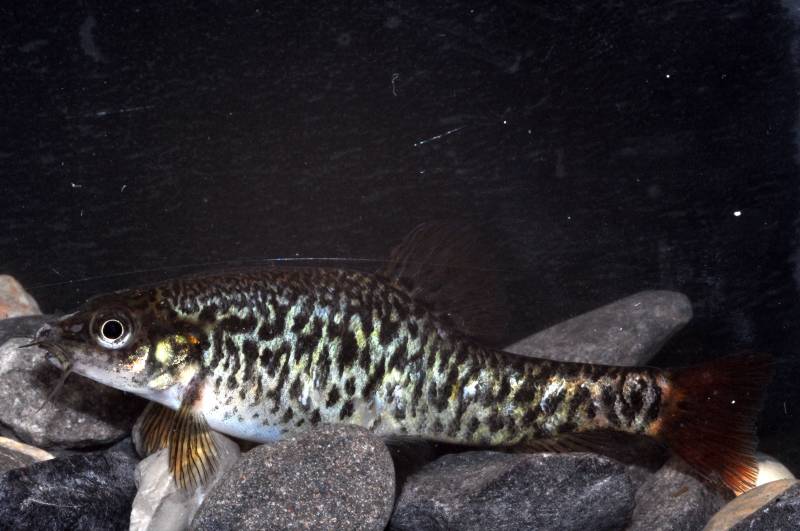
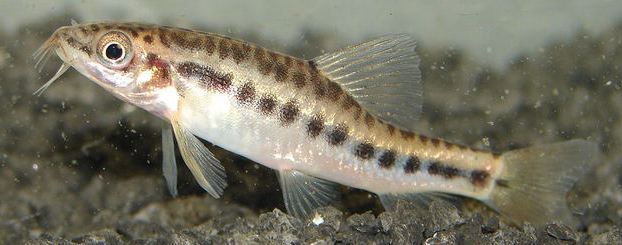
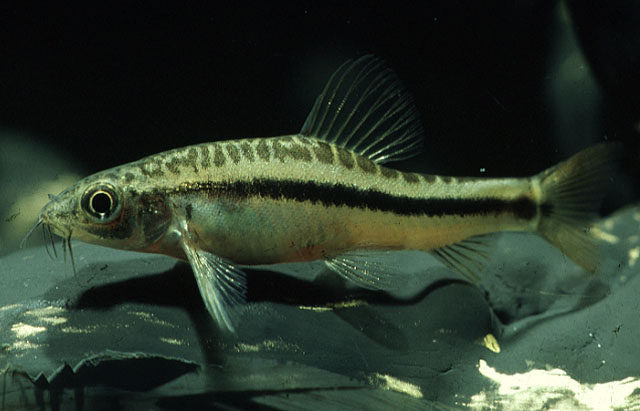
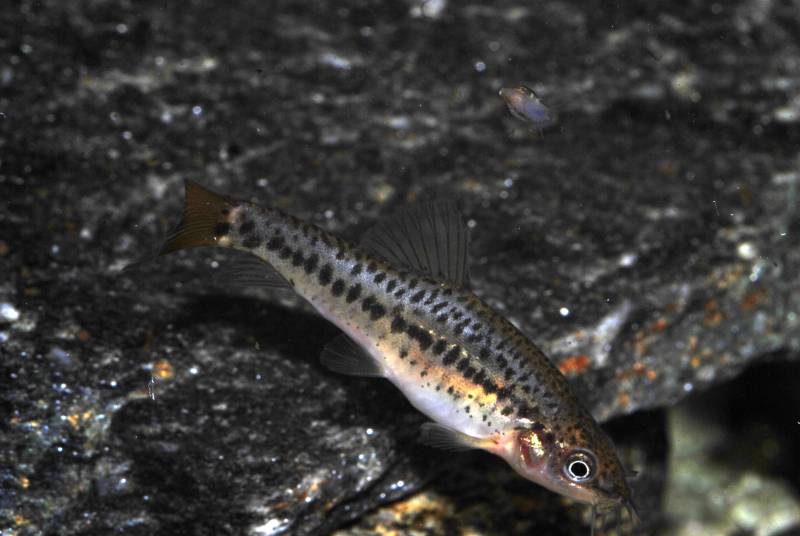
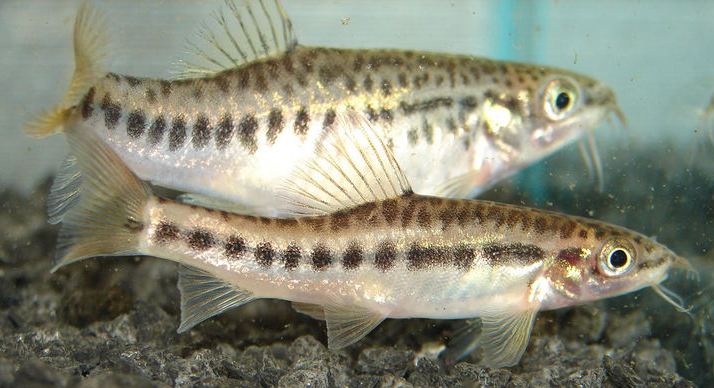
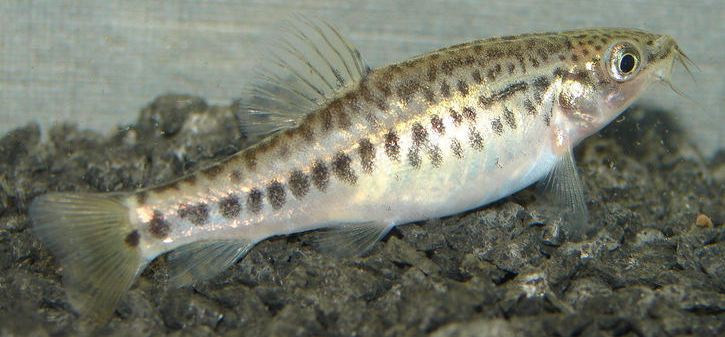
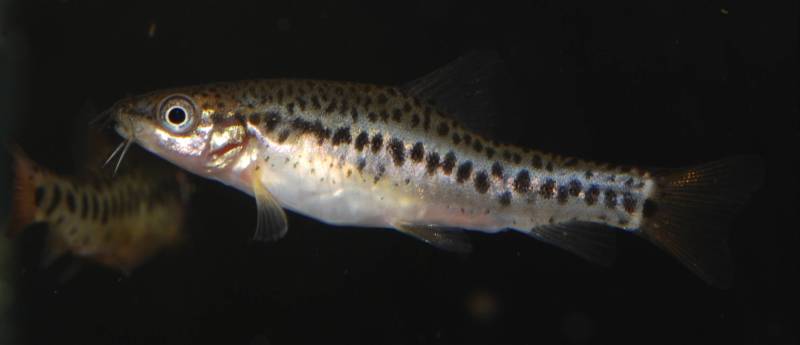
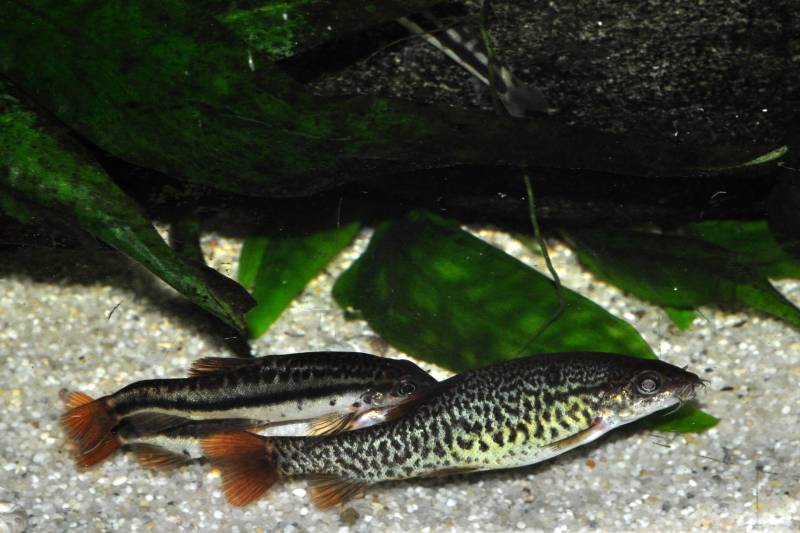
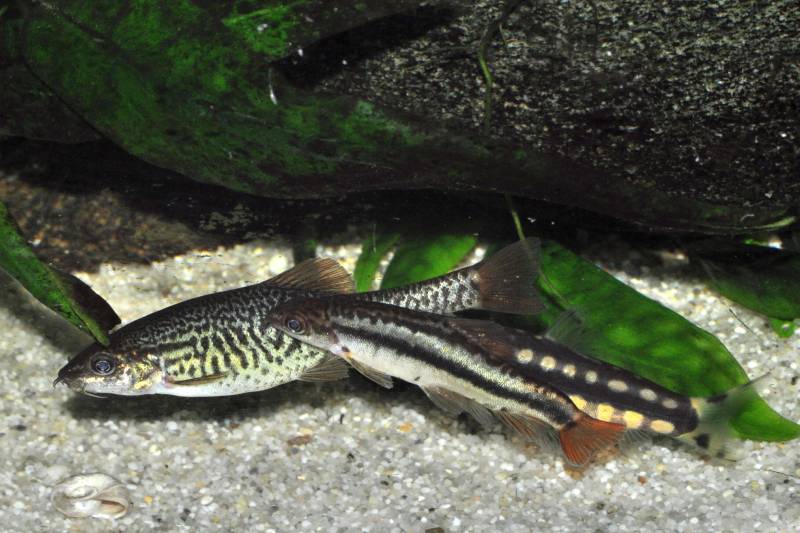
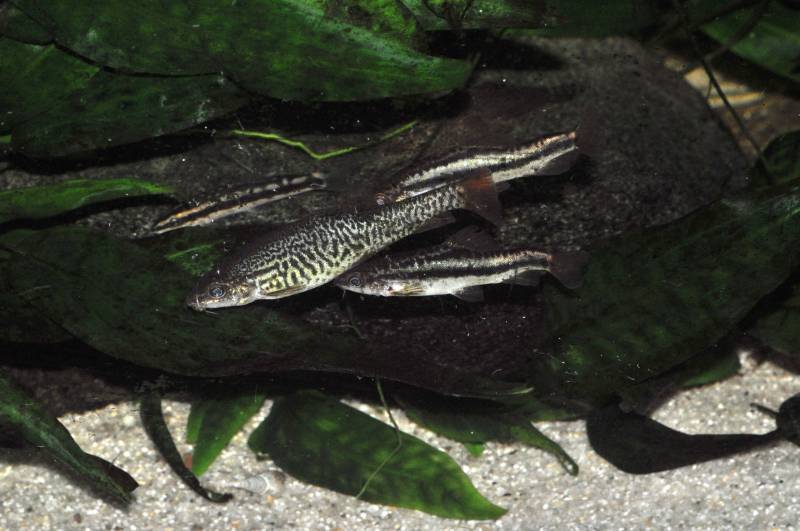
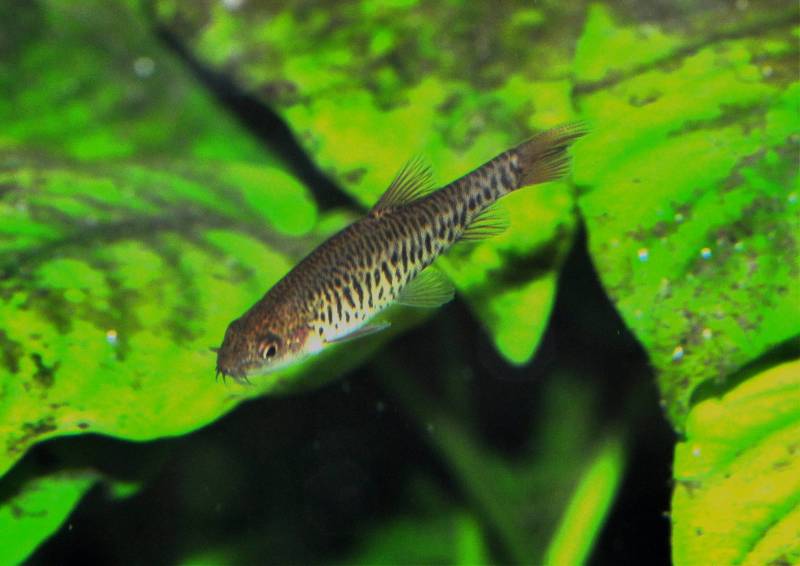
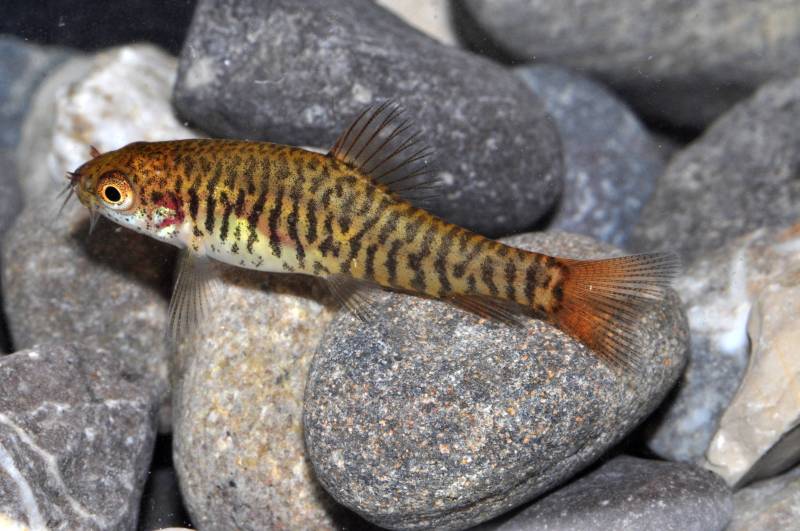
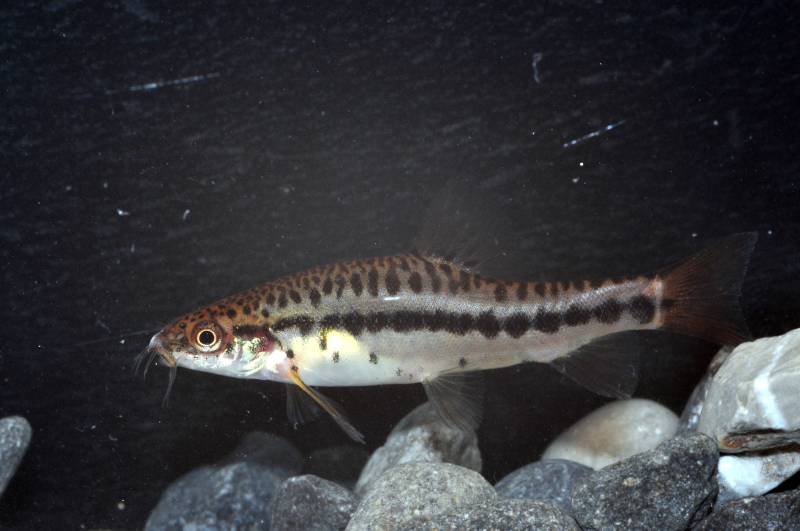
成熟雌鱼明显更大、较粗壮,体侧多为不规则暗点和斑块,有时融合成短纹。雄鱼侧面为长短不一的短竖纹,部分个体融合成纵带,且有雌鱼没有的眼下瓣状结构。
繁殖
已有成熟、布置丰富的混养缸中自然繁殖的记录。较粗的底床、沉木根系和大量活水草似乎有利于少量幼鱼存活,可能是因为卵和鱼苗能躲过捕食。尚不宜把这一布置当作有确定产量的繁殖流程。
补充说明
本种曾归入云南鳅属,中文旧名并不表示原生于中国云南。茵莱湖受到沉积、营养富集、污染和外来鱼等压力,保留可靠来源和繁殖记录有实际意义。
图片
图片来自 SeriouslyFish,版权归各摄影者所有。
English
Overview
Petruichthys brevis often hovers in open midwater and explores different aquarium levels, unlike many bottom-hiding loaches. It is peaceful and strongly social. A planted aquarium with at least eight to ten together provides a better setting for its behavior.
Distribution & habitat
It is known from Lake Inlé and its surrounding drainage in eastern Myanmar's Shan region, including the nearby He-Ho plain. The shallow lake lies in a highland karst valley. Much of the water is clear, though margins can be muddy. Dense plants and roots beneath floating vegetation offer shelter.
Aquarium setup
Use abundant live plants with some floating cover, wood, and leaves. Maintain good oxygenation without turbulent conditions; moderate movement is acceptable. Fine mosses and root tangles are particularly useful if some young are to survive alongside adults. Retain open space for their characteristic hovering behavior.
Diet & feeding
Small insects, worms, crustaceans, and other zooplankton are thought to form the natural diet. Aquarium food must be suitably small and nutritious, with an emphasis on tiny live items. Fine or crushed dry foods are also accepted.
Behaviour & compatibility
Large or boisterous fishes can intimidate it and dominate feeding. Similarly sized schooling companions may help reduce shyness. Small cyprinids, characids, and peaceful loaches or catfishes are possibilities. Its use of open water does not reduce its need for a substantial group of its own species.
Sexual dimorphism
Mature females are larger and sturdier, with irregular spots and blotches that may merge into short markings. Males show short vertical bars, sometimes joined into a stripe, and possess a suborbital flap absent in females.
Breeding
Reproduction has occurred in mature, richly furnished community aquariums. Coarser substrate, wood roots, and dense live plants appear favorable, probably because some eggs and fry escape predation within them. This remains an observation rather than a controlled method with predictable yields.
Notes
The species was previously placed in Yunnanilus, but its native range is in Myanmar. Sedimentation, nutrient enrichment, pollution, and introduced fishes affect Lake Inlé, making reliable sourcing and breeding records valuable.
来源
- https://www.seriouslyfish.com/species/petruichthys-brevis(抓取于 2026-10-10)
petruichthys-brevis · 文件: data/species/petruichthys-brevis.md · 状态: 草稿