Peckoltia bachi · L146
概要
| 字段 | 值 |
|---|---|
| 类别 | 鱼 |
| 学名 | Peckoltia bachi |
| 别名 | L232、LDA030、Bola Pleco、Chaetostomus bachi、Peckoltichthys filicaudatus、Hemiancistrus ucayalensis、Sophiancistrus ucayalensis、Peckoltia ucayalensis、Hemiancistrus arenarius、Peckoltia arenaria、Sophiancistrus arenarius |
| 分类 | 鲶形目 Siluriformes › 骨甲鲶科 Loricariidae › Peckoltia |
| 水体 | 淡水 |
| 原产地 | 巴西、哥伦比亚、厄瓜多尔、秘鲁 |
| 成体体长 | 13 cm |
| 饲养难度 | 中等 |
| 最小水体 | 243 L |
| 最小缸长 | 120 cm |
| 群居方式 | 群游 |
| 领地性 | 是 |
| 外部数据 | seriouslyfish peckoltia-bachi;fishbase 49956 |
| 性情 | 温和 |
| 繁殖方式 | 附着产卵 |
水质参数
| 参数 | 耐受范围 | 最适范围 | 单位 |
|---|---|---|---|
| 水温 | 22–29 | — | °C |
| pH | 6–8 | — | — |
| 总硬度 | 2–15 | — | dGH |
概述
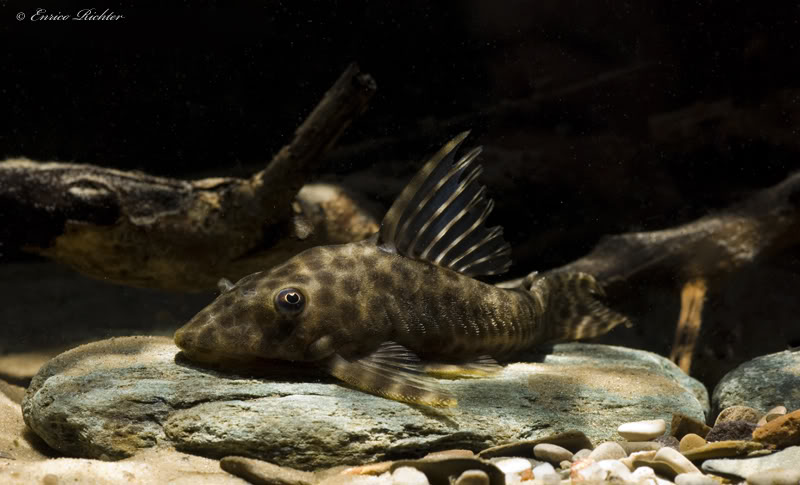
Peckoltia bachi 是上亚马孙流域的斑驳色异型,对应多个贸易编号,标签也曾使用不同属名。它相对温和,但会对同种或相似体形鱼守地盘,造景应保留多处藏身和视线隔断。
分布与栖息地
广泛记录于巴西、哥伦比亚、厄瓜多尔和秘鲁的亚马孙上游支流,包括普鲁斯、朱鲁阿、普图马约、纳波、乌卡亚利、马拉尼翁等水系。模式产地在巴西朱鲁阿河。
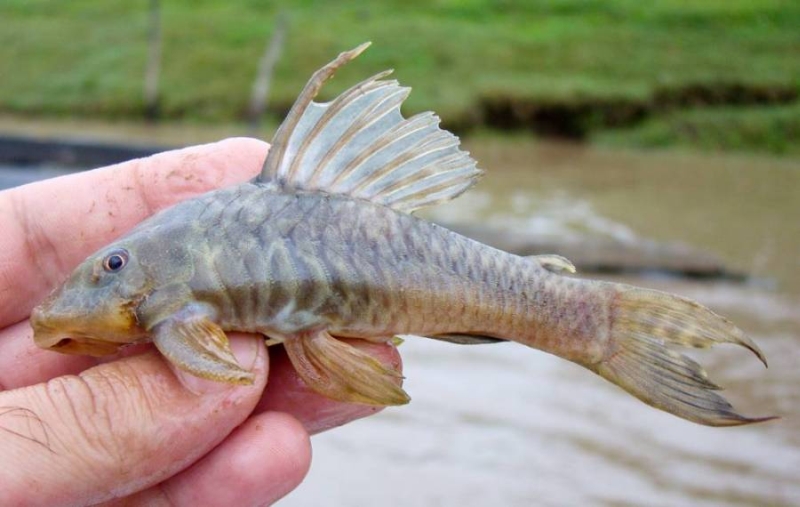
奥里诺科水系 Meta 河上游的一条记录与其余分布不协调,不能据此忽略鉴定疑点。野外观察显示,它似乎偏好中大型河道边缘的流水带,活动在入水草丛、细枝和沉木之间。
饲养环境
可用不同大小石块、沙和细砾组成溪流式底床,配沉木、陶管或花盆形成多处暗隙和洞穴,避免整片底部互相一览无余。
食性与喂食
天然可能杂食而偏向水生无脊椎动物。缸中应多样搭配沉底干粮、冷冻水蚤、孑孓、红虫、虾肉,以及鲜果、稍煮熟的马铃薯。
自制凝胶饵可将蔬菜、螺旋藻和动物性成分结合,不能仅凭同为异型就假定木材或藻类足够。
习性与混养
整体相对温和,但对同种和体形相似的鱼有领地意识。群体饲养时需要让各鱼有可分开的藏身空间。
雌雄区分
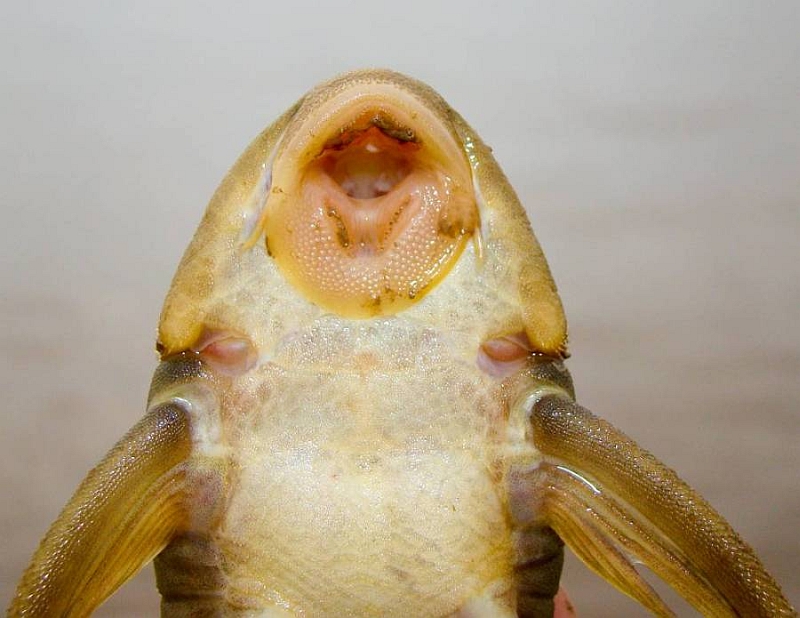
成年雄鱼身体后部有一列发达齿突,部分个体鳃盖区域也有。
繁殖
洞穴产卵,由雄鱼负责照护后代。
补充说明
L146 来自哥伦比亚未明确地点,L232 来自普图马约—Içá 河。贸易中出现 Hemiancistrus、Sophiancistrus 或 Peckoltichthys 等旧属名,不应仅凭标签将其当作数个确定不同种。
本种体色斑驳,头部斑较大而模糊,腹部没有斑纹;与部分同属鱼的鞍斑或密集蠕虫纹不同。加宽腹鳍棘和发达肌肉可能有助抓附草枝,但这一功能解释仍带推测。
图片
图片来自 SeriouslyFish,版权归各摄影者所有。
English
Overview
The mottled upper-Amazon pleco Peckoltia bachi has several trade codes and has appeared under different genus names. It is relatively peaceful but territorial with conspecifics and similar fishes, making separated refuges and interrupted sight lines useful.
Distribution & habitat
Records span upper-Amazon tributaries in Brazil, Colombia, Ecuador, and Peru, including the Purus, Juruá, Putumayo, Napo, Ucayali, and Marañón systems. The type locality is the Juruá in Brazil.
A lone record from the upper Meta in the Orinoco system is geographically inconsistent with the main range and warrants caution. Field observations suggest a preference for flowing margins of medium to large rivers among submerged grasses, twigs, and branches.
Aquarium setup
Build a stream-style bottom with mixed stones, sand, and fine gravel. Wood, ceramic tubes, and pots can provide a network of shaded crevices and caves rather than an exposed, uninterrupted floor.
Diet & feeding
Wild fish are presumed omnivorous with a preference for aquatic invertebrates. Vary sinking preparations with frozen water fleas, mosquito larvae, bloodworms, shrimp flesh, fresh fruit, and parboiled potato.
Gel foods can combine vegetables, Spirulina, and animal ingredients. Being a pleco is not sufficient reason to assume that wood or algae alone meets its needs.
Behaviour & compatibility
It is relatively peaceful overall but defends space against conspecifics and similarly shaped fishes. Group housing requires refuges that can be occupied separately.
Sexual dimorphism
Mature males develop a series of odontodes on the rear body, with some also bearing them around the opercle.
Breeding
It spawns in caves, with the male responsible for brood care.
Notes
L146 originated from an unspecified Colombian locality, while L232 came from the Putumayo–Içá. Trade use of Hemiancistrus, Sophiancistrus, or Peckoltichthys does not by itself establish several distinct species.
A mottled body, large diffuse head spots, and an unmarked abdomen distinguish it from various saddled or vermiculated relatives. Widened pelvic spines and enlarged muscles may help it grip submerged structures, but this functional interpretation remains tentative.
来源
- https://www.seriouslyfish.com/species/peckoltia-bachi(抓取于 2026-10-10)
peckoltia-bachi · 文件: data/species/peckoltia-bachi.md · 状态: 草稿