纳氏副斗鱼
概要
| 字段 | 值 |
|---|---|
| 类别 | 鱼 |
| 学名 | Parosphromenus nagyi |
| 别名 | 納氏副鬥魚 |
| 分类 | 攀鲈目 Anabantiformes › 丝足鲈科 Osphronemidae › Parosphromenus |
| 水体 | 淡水 |
| 原产地 | 马来西亚 |
| 成体体长 | 3.5 cm |
| 饲养难度 | 中等 |
| 最小水体 | 16 L |
| 最小缸长 | 40 cm |
| 群居方式 | 成对 |
| 外部数据 | seriouslyfish parosphromenus-nagyi;fishbase 15895 |
| 食性 | 肉食 |
| 繁殖方式 | 附着产卵 |
水质参数
| 参数 | 耐受范围 | 最适范围 | 单位 |
|---|---|---|---|
| 水温 | 22–28 | — | °C |
| pH | 3–6.5 | — | — |
| 总硬度 | 1–4 | — | dGH |
概述
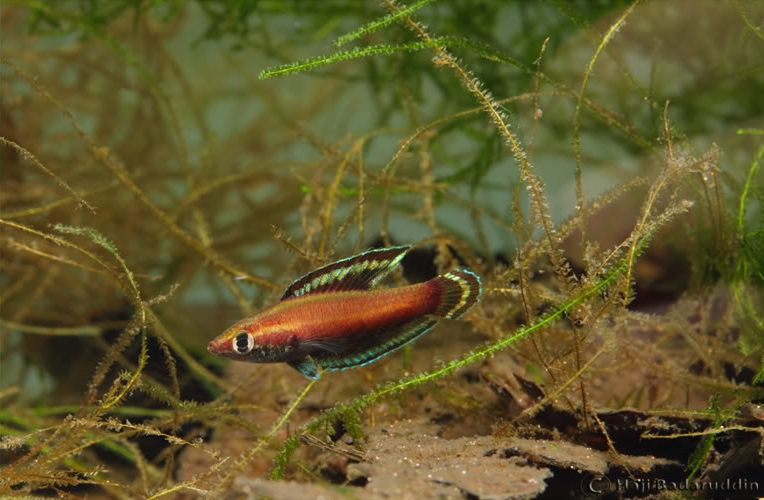
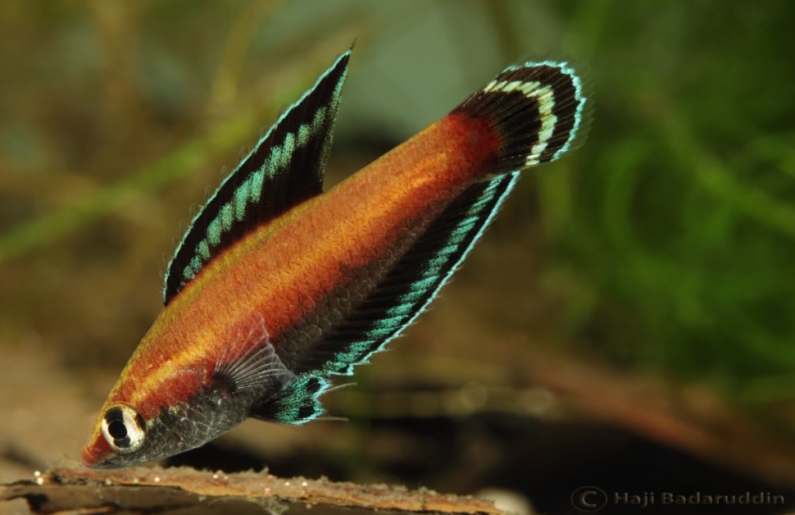
纳氏副斗鱼(Parosphromenus nagyi)雄鱼有翠绿腹鳍和很短的丝状尖端,尾鳍浅色带随产地略有差别。它来自马来半岛东岸黑水环境,适合以稳定的种群繁殖为饲养重点。
分布与栖息地
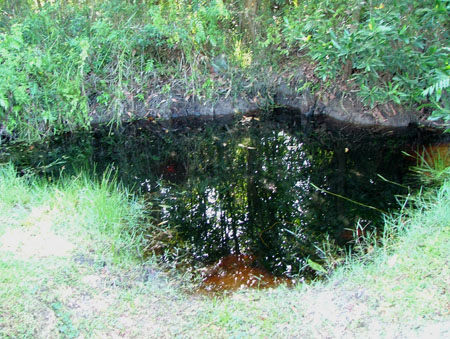
明确记录在马来半岛东岸,从珍拉丁附近向南至彭亨州内纳西。柔佛更南端若干产地说法仍有疑问,不能直接扩大确定分布。栖地为低矿化度、深色酸水的泥炭沼泽林及溪流,森林清理后常仅残存沟渠环境。
饲养环境
一对至少用 40 × 20 厘米底面积,放入小洞穴、沉木和叶堆,浮水植物遮光。低硬度酸水与成熟过滤系统十分重要,可用反渗透水,水流要弱。每周规律换约 5%~10%,不要用大幅不规律换水补救长期忽视。天然泥炭不是必要材料。
食性与喂食
以微小无脊椎动物为食,持续提供多种小活饵,如丰年虾无节幼体、水蚤与微虫。冷冻饵接受不稳定,干粮通常拒食。
习性与混养
专缸成对最便于繁殖;混养若要尝试,应仅选极小且温和的伙伴。不同副斗鱼因雌鱼难分和杂交可能应分开,额外成鱼也会妨碍幼鱼留缸成长。
雌雄区分
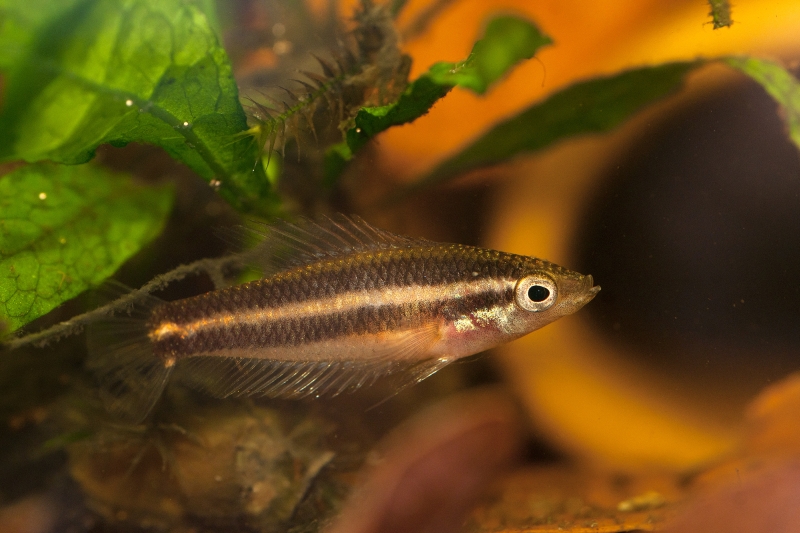
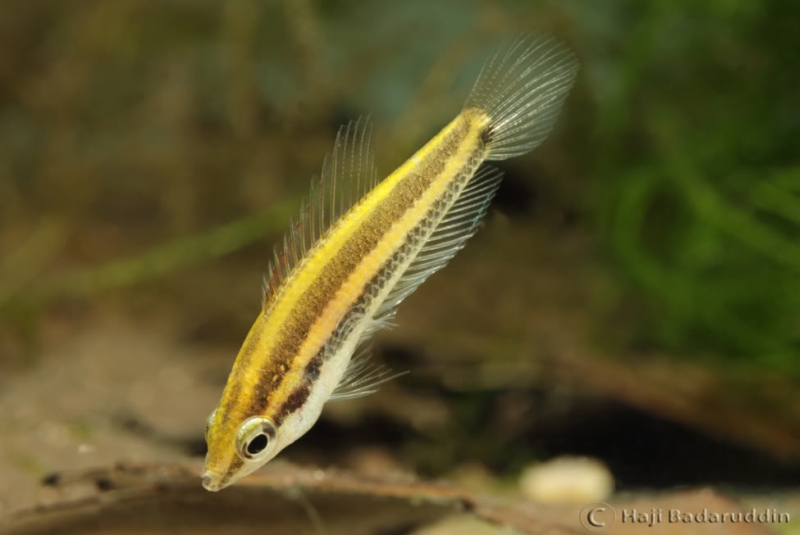
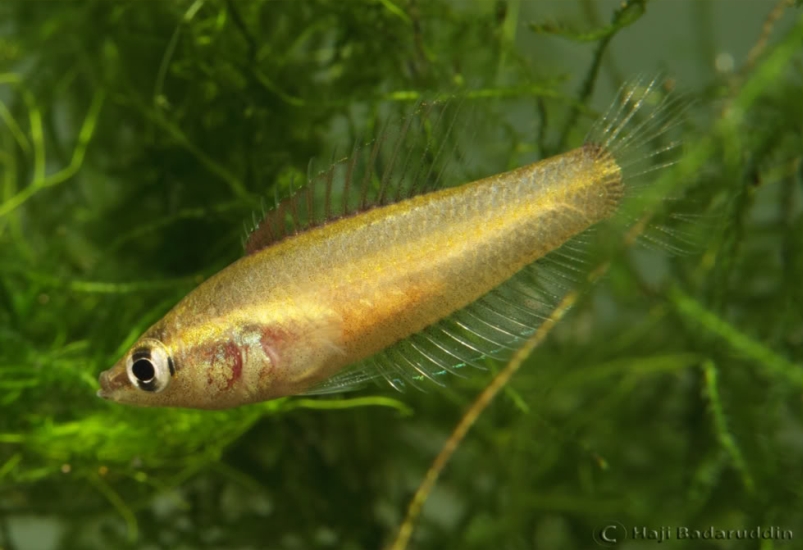
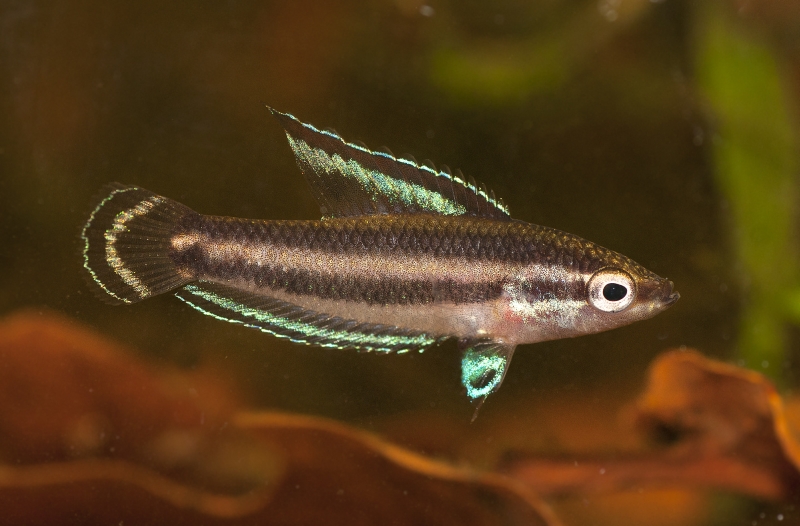
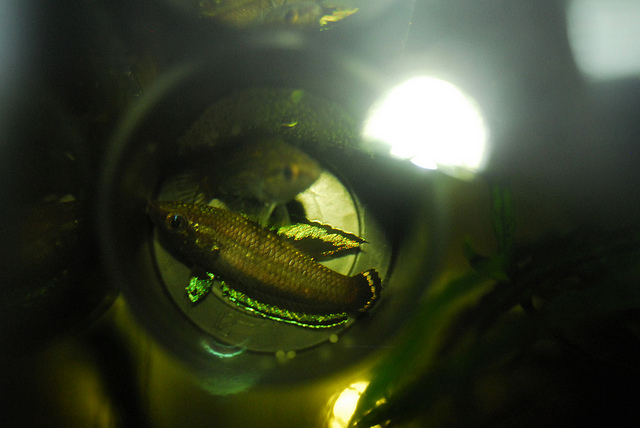
雄鱼不成对鳍有黑色带和蓝色虹彩边,腹鳍翠绿并带黑斑;雌鱼缺乏鲜艳蓝带。繁殖时雌鱼可变淡黄,两性都有随状态变色的能力。
繁殖
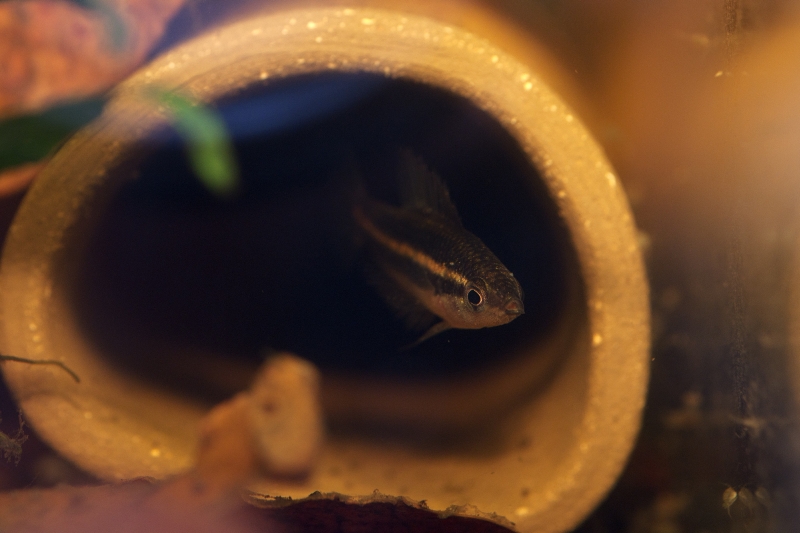
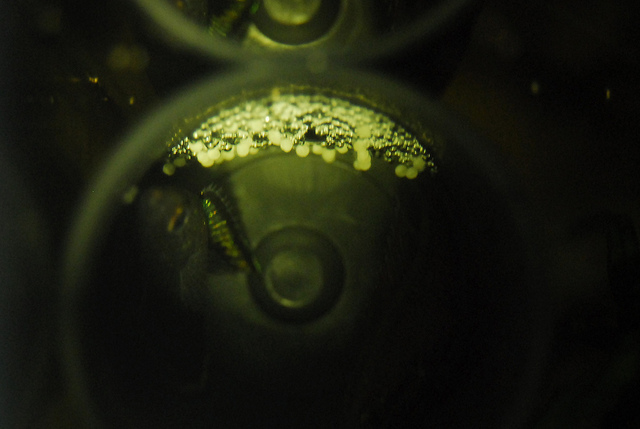
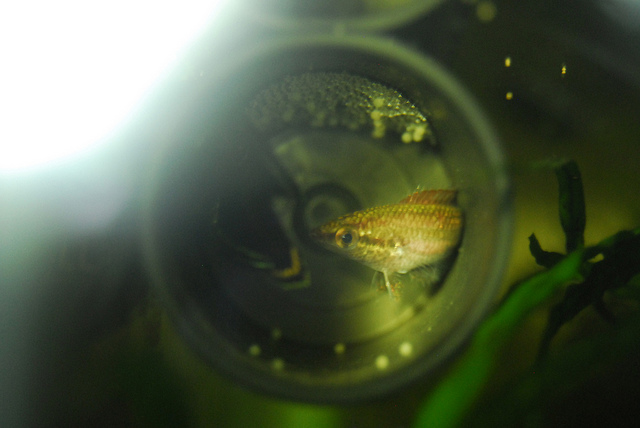
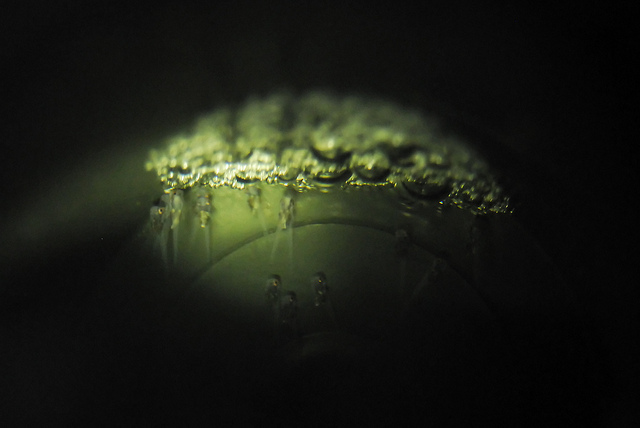
雄鱼头朝下求偶,并守卫小洞穴。环抱排卵后双方把卵附在洞顶,泡巢并非必有。产后雄鱼直接护卵、雌鱼守外围。卵约 24~36 小时孵化,四至六天后仔鱼开始活动,随后三至五天才离巢独立。微型开口饵之后逐渐换丰年虾幼体;布景简单时应另行育苗。
补充说明
珍拉丁雄鱼尾鳍浅带偏蓝,关丹偏白,内纳西型带较窄。结合准确产地保存这些差异,比仅凭一张发色照片定名可靠。
图片
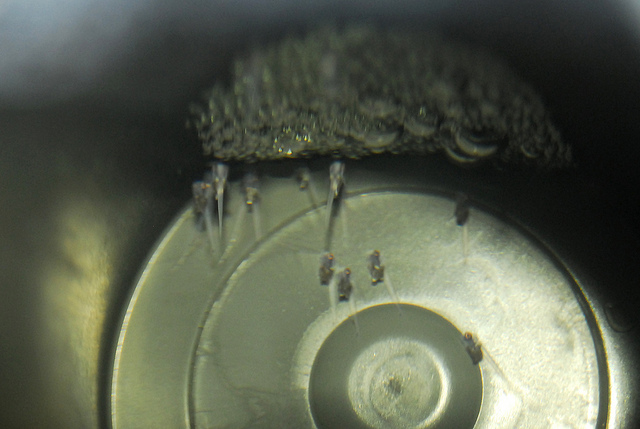
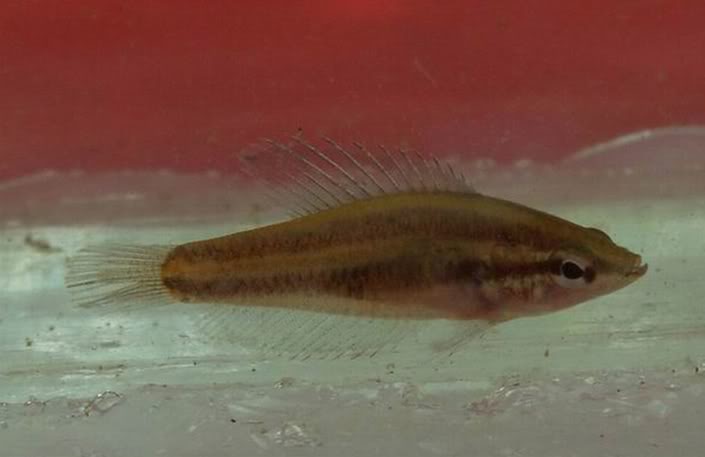
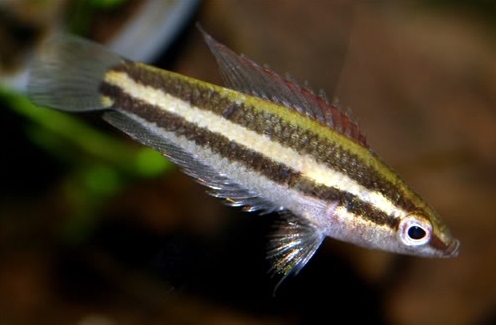
图片来自 SeriouslyFish,版权归各摄影者所有。
English
Overview
Emerald pelvic fins with very short trailing tips are characteristic of male Parosphromenus nagyi. Tail-band differences occur between localities. This east-coast Malaysian blackwater fish is best kept with attention to stable conditions and maintaining identifiable captive stocks.
Distribution & habitat
Confirmed records extend along part of the eastern Malay Peninsula from around Cherating south to Nenasi. Several more southerly Johor locality claims remain uncertain. Peat-swamp forest and streams provide shaded, mineral-poor acidic water, though substantial alteration has left many remnant channels.
Aquarium setup
For a pair, use at least a 40 by 20 cm base with cavities, wood, leaves, and floating shade. Very soft acidic water in an established system is crucial, and reverse-osmosis water may be required. Keep movement gentle and perform regular 5–10% weekly changes instead of infrequent large replacements. Natural peat is not necessary.
Diet & feeding
Offer diverse tiny live invertebrates, including nauplii, water fleas, and microworms. Frozen food is only an occasional accepted supplement, while dry foods are commonly rejected.
Behaviour & compatibility
A pair in a dedicated aquarium is a practical breeding arrangement. Any companions should be exceptionally small and peaceful. Keep other liquorice gourami species separate because females can be confused and hybridization is possible. Extra adults also compromise in-tank fry survival.
Sexual dimorphism
Males have black bands bordered by blue iridescence in the unpaired fins and green pelvic fins with dark marks. Females lack the bright blue pattern and may become pale yellow during courtship. Color intensity varies with state in both sexes.
Breeding
A male advertises his small cave with head-down displays. Eggs released during embraces are fixed to the ceiling, with or without bubbles. He tends the brood while the female defends outside. Hatching usually takes 24–36 hours; larvae become mobile four to six days later and depart after a further three to five days. Provide microscopic starter foods, then nauplii, and separate fry when the aquarium lacks extensive cover.
Notes
The light male tail band is bluer in Cherating fish, whitish in Kuantan fish, and narrower in Nenasi fish. Reliable locality information is useful alongside appearance.
来源
- https://www.seriouslyfish.com/species/parosphromenus-nagyi(抓取于 2026-10-10)
parosphromenus-nagyi · 文件: data/species/parosphromenus-nagyi.md · 状态: 草稿