Pareutropius buffei · Three Striped African Glass Catfish
概要
| 字段 | 值 |
|---|---|
| 类别 | 鱼 |
| 学名 | Pareutropius buffei |
| 分类 | 鲶形目 Siluriformes › 北非鲶科 Schilbeidae › Pareutropius |
| 水体 | 淡水 |
| 成体体长 | 8 cm |
| 饲养难度 | 入门 |
| 最小水体 | 68 L |
| 最小缸长 | 75 cm |
| 群居方式 | 群游 |
| 性情 | 温和 |
| 外部数据 | seriouslyfish pareutropius-buffei;fishbase 9363 |
| 原产地 | 尼日利亚、尼日尔、贝宁、马里和几内亚 |
| 食性 | 肉食 |
| 游动层 | 中层 |
| 特征 | 夜行性: 否 |
| 繁殖方式 | 散卵 |
水质参数
| 参数 | 耐受范围 | 最适范围 | 单位 |
|---|---|---|---|
| 水温 | 24–28 | — | °C |
| pH | 6–7.5 | — | — |
| 总硬度 | 5–15 | — | dGH |
概述
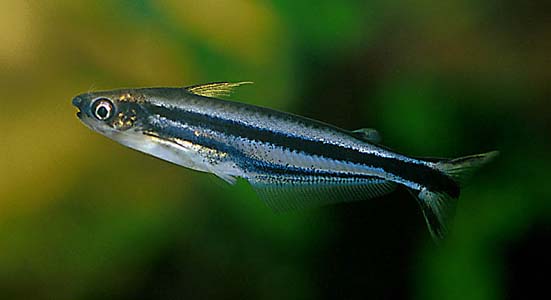
Pareutropius buffei 是白天在中层活动的小型群游鲶鱼,体侧有三条纵纹。性情温和,但胆子不大,成群饲养和充足的遮蔽能让它更自在地游动、进食。
分布与栖息地
分布于尼日利亚、尼日尔、贝宁、马里和几内亚,生活在河流及泛滥平原。
饲养环境
缸内同时安排水草浓密的安静角落和开阔游泳区,将水流主要引向开阔处。浮水植物、沉木和深色底砂也有助于增加安全感。它对水质恶化很敏感,可靠的生物过滤尤为重要。
食性与喂食
天然食物以昆虫为主,人工饲养时一般接受干粮、冷冻饵料和活饵。红虫尤其受欢迎,但仍应轮换饵料,避免长期只喂一种。
习性与混养
适合与体形相近、性情温和的鱼混养,也可用于西非原生境缸。避开很大的鱼和攻击性强的伙伴,它容易受到惊吓。建议至少六尾成群;单尾常会退缩躲藏,甚至停止进食。
雌雄区分
雌鱼抱卵后腹部明显丰满;除此之外,没有明显可靠的外观差异可供辨认。
繁殖
水族箱内繁殖不算常见,但可以尝试。本种在水草间散卵,可另设繁殖缸,放入莫丝等细叶植物。先在主缸把亲鱼养壮,再选两尾腹部丰满的雌鱼和一尾状态好的雄鱼转入。
产卵多在清晨进行,一次可达一百枚,白色卵落在植物间。结束后移走亲鱼,防止它们吃卵。约七十二小时后孵化,鱼苗可继续留在繁殖缸养大;卵黄吸收后投喂丰年虾无节幼体、微虫等微小活饵。
补充说明
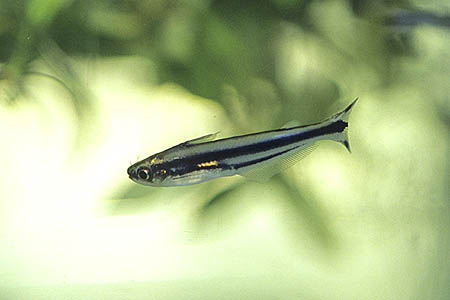
市售时常被冠以近缘种的英文商品名,幼鱼尤其难分。成鱼可结合三条体侧纵纹、尾鳍上下叶的黑斑、较圆的尾鳍叶及透明的脂鳍前缘辨认,不宜只凭商品标签判断。
图片
图片来自 SeriouslyFish,版权归各摄影者所有。
English
Overview
A small, daytime-active catfish, Pareutropius buffei occupies midwater and displays three lengthwise stripes. A proper shoal and access to shelter help this gentle, easily frightened fish remain visible and feed confidently.
Distribution & habitat
Its range includes Nigeria, Niger, Benin, Mali, and Guinea. Rivers and their floodplains provide its natural habitat.
Aquarium setup
Combine sheltered, densely planted corners with unobstructed swimming space. Aim the stronger circulation through the open part of the aquarium while retaining quieter retreats. Floating vegetation, wood, and a dark bottom offer further security. Effective biological filtration matters greatly because deteriorating water quality is poorly tolerated.
Diet & feeding
Wild feeding is dominated by insects. Captive fish usually accept prepared foods as well as frozen or live offerings, with bloodworms particularly appealing. Rotate foods to maintain a varied diet.
Behaviour & compatibility
Choose peaceful companions of suitable size, including those appropriate for a West African habitat display. Large or aggressive neighbors can intimidate it. Maintain at least six together: isolation can cause withdrawal and refusal of food.
Sexual dimorphism
Egg-filled adult females develop a noticeably fuller abdomen. Outside that condition, the sexes show no obvious external distinction.
Breeding
Aquarium reproduction is uncommon but achievable. Provide a dedicated spawning tank with fine vegetation, such as moss, to receive scattered eggs. Condition the adults beforehand, then transfer two rounded females and a well-conditioned male.
Spawning generally occurs around dawn and can produce about one hundred white eggs among the plants. Remove the adults afterward because they may consume eggs. Hatching takes roughly seventy-two hours. Leave the young in the spawning aquarium and, after their yolk is exhausted, introduce newly hatched brine shrimp or microworms.
Notes
Trade labels often confuse this fish with the less frequently imported Pareutropius debauwi. Adults of P. buffei have three flank stripes, dark marks on both tail lobes, rounded tail tips, and a transparent front edge to the adipose fin. Juveniles are much harder to distinguish, so a sales name alone is insufficient.
来源
- https://www.seriouslyfish.com/species/pareutropius-buffei(抓取于 2026-10-10)
pareutropius-buffei · 文件: data/species/pareutropius-buffei.md · 状态: 草稿